
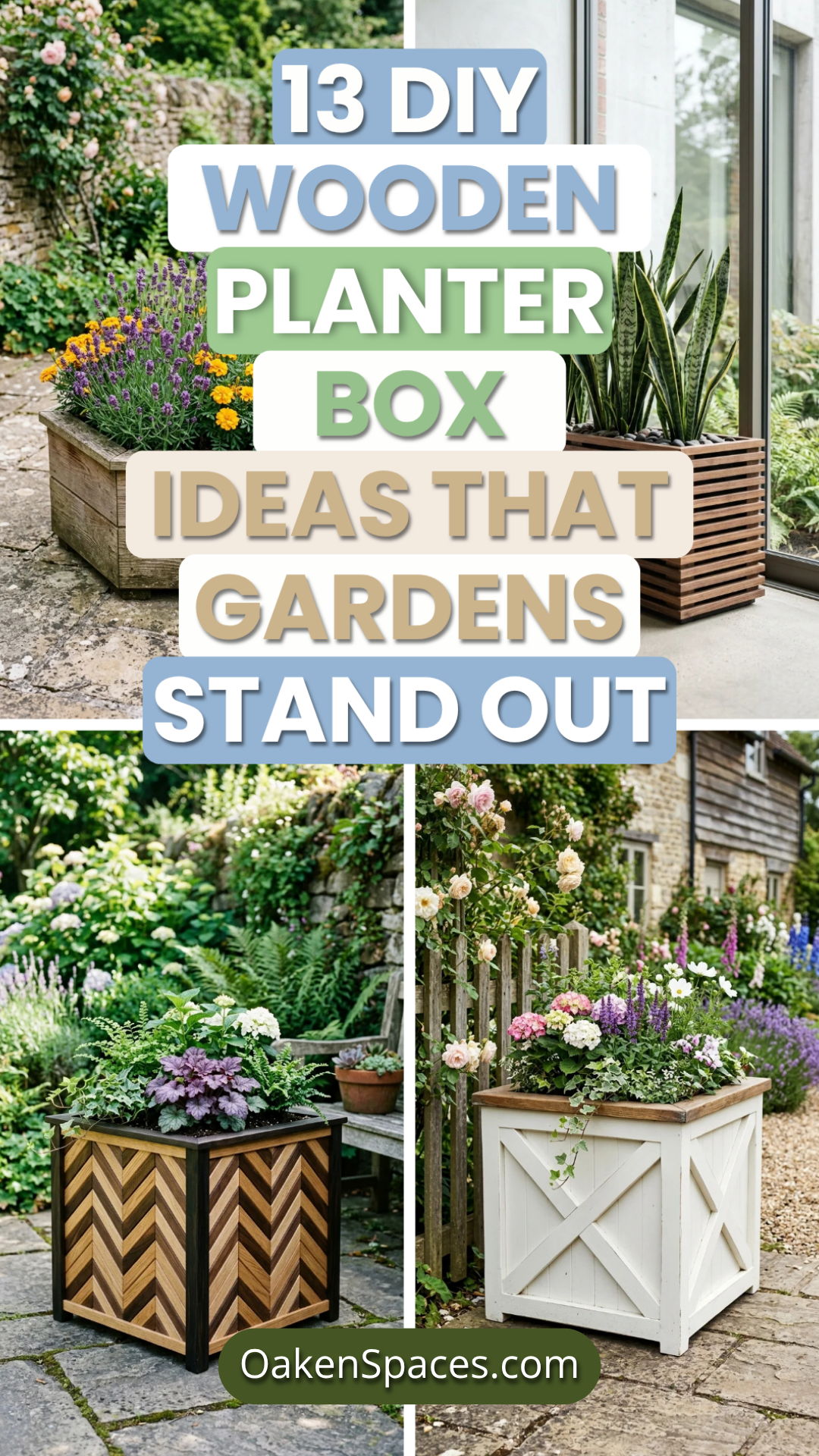
Transforming an outdoor space from a simple backyard into a botanical sanctuary often comes down to the details. While store-bought plastic pots serve a functional purpose, nothing matches the rustic charm, durability, and customization of a DIY wooden planter box. Wood brings an organic warmth to the garden that complements the natural beauty of the plants it holds. Whether you are working with a sprawling estate or a compact balcony, these thirteen wooden planter ideas will help you elevate your gardening game while providing a sturdy home for your favorite flora.
1. Tiered Herbs
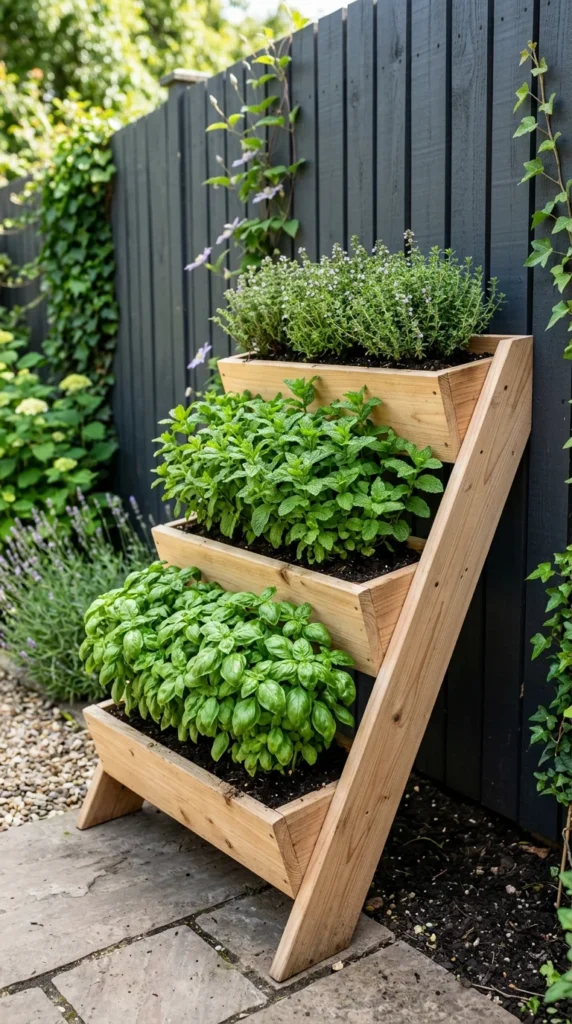
Vertical space is often the most underutilized asset in a garden. A tiered herb planter allows you to grow a vast variety of culinary delights in a very small footprint. By stacking boxes in a ladder or staircase formation, you ensure that every plant gets adequate sunlight and drainage. This design is particularly effective for herbs because it keeps them organized and easily accessible for a quick harvest while cooking. When building this, use cedar or redwood, as these woods are naturally resistant to rot and moisture, ensuring your herb station lasts for seasons to come.
2. Cedar Windows
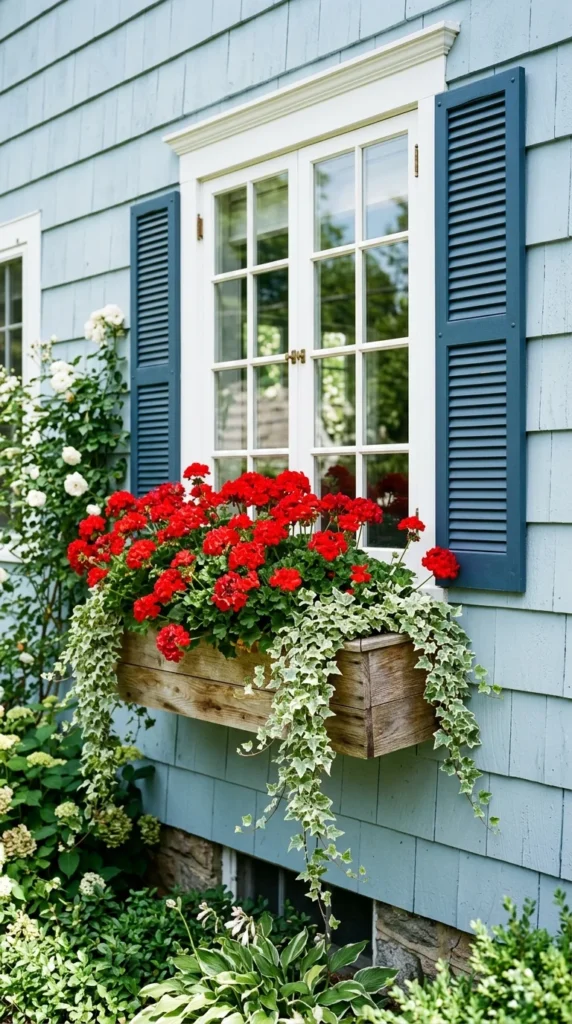
There is something timelessly romantic about window boxes. They bridge the gap between the interior of your home and the exterior landscape. Building your own window boxes allows you to perfectly match the dimensions of your windowsills, creating a seamless architectural look. The key to a successful window box is ensuring it is securely mounted with heavy-duty brackets, as the weight of wet soil and mature plants can be significant. Incorporating a plastic liner inside the wooden frame can also help extend the life of the wood by preventing constant direct contact with damp earth.
3. Tall Tapered
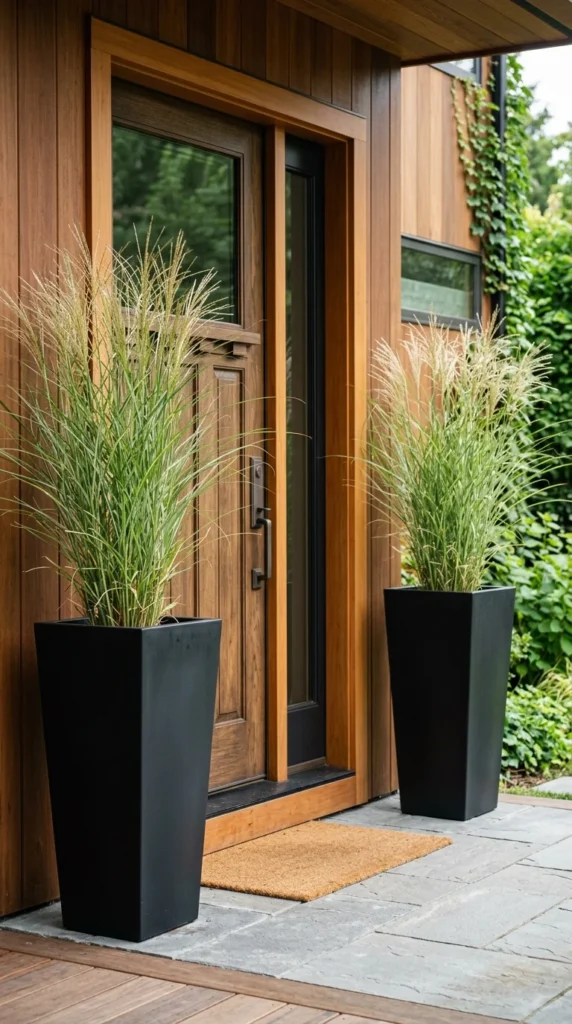
For those looking to add a touch of modern sophistication to their entryway or patio, tall tapered planters are the perfect solution. These structures provide height and drama without requiring a massive amount of soil. The secret to a DIY tall planter is a “false bottom.” Instead of filling the entire four-foot-tall structure with heavy dirt, you build a shelf about twelve inches from the top. This keeps the planter light enough to move and ensures your plants’ roots aren’t drowning in an oversized abyss of soil.
4. Reclaimed Pallets
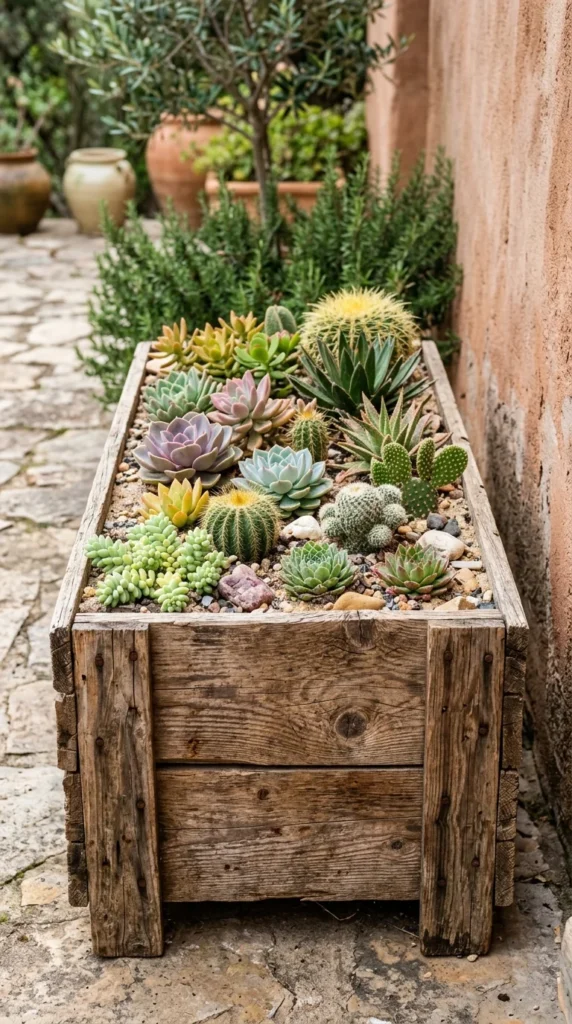
Sustainability meets style in the reclaimed pallet planter. Upcycling old shipping pallets is an eco-friendly and budget-friendly way to add character to your garden. The naturally weathered texture of pallet wood provides a “shabby chic” or industrial aesthetic that looks fantastic in any outdoor setting. When sourcing pallets, look for the “HT” (Heat Treated) stamp rather than “MB” (Methyl Bromide) to ensure the wood is safe for plants, especially if you plan on growing edibles. Sanding down the rough edges while keeping the unique imperfections is the trick to making these look intentional and high-end.
5. Chevron Pattern
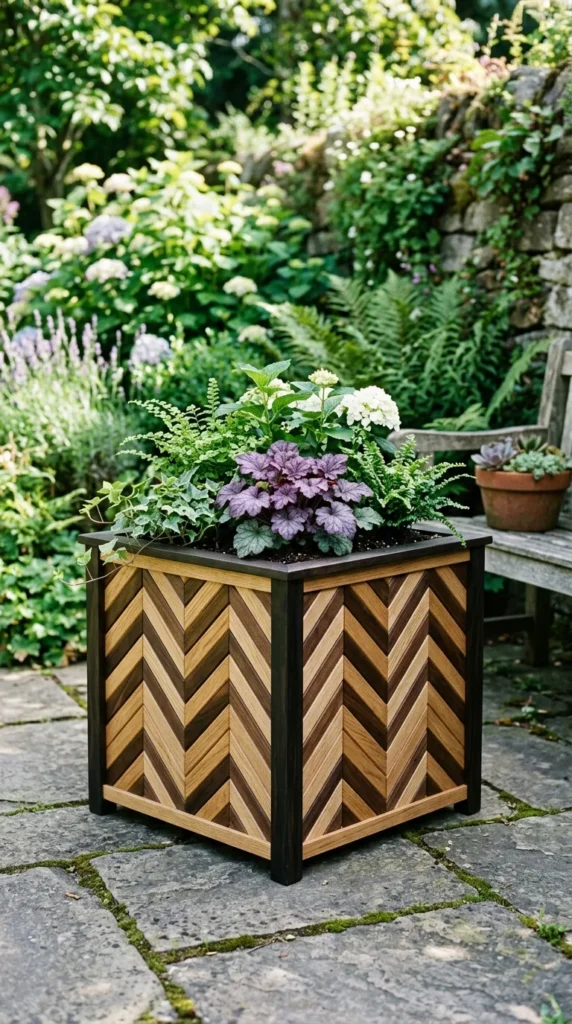
If you want your planter to be a work of art in itself, the chevron pattern is the way to go. This design involves cutting wooden slats at 45-degree angles and fitting them together to create a striking V-shape. It requires a bit more precision with a miter saw, but the visual payoff is immense. You can use different stains—such as a dark walnut and a light oak—on alternating slats to make the pattern pop. This type of planter works best as a centerpiece on a deck where its intricate craftsmanship can be admired up close.
6. X-Frame Farmhouse
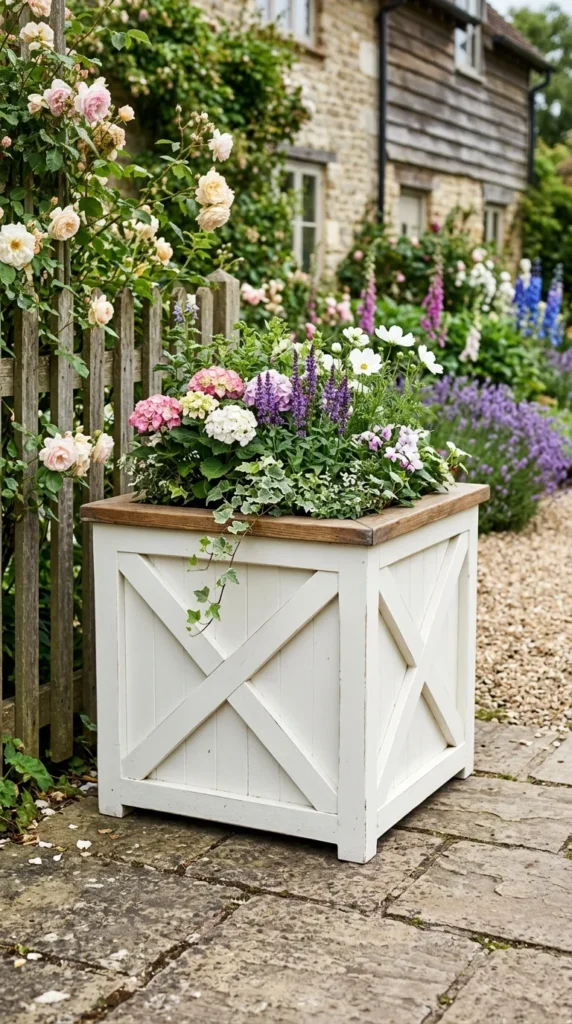
The farmhouse aesthetic continues to be a favorite for home decorators, and it translates beautifully into the garden. The X-frame planter mimics the look of old barn doors and rustic fencing. It’s a structurally sound design that adds a layer of geometric interest to a standard square box. These look particularly stunning when painted in neutral tones like white, cream, or sage green, allowing the vibrant colors of the flowers inside to take center stage. They are perfect for housing larger shrubs or ornamental trees like Japanese Maples or Boxwoods.
7. Raised Legs
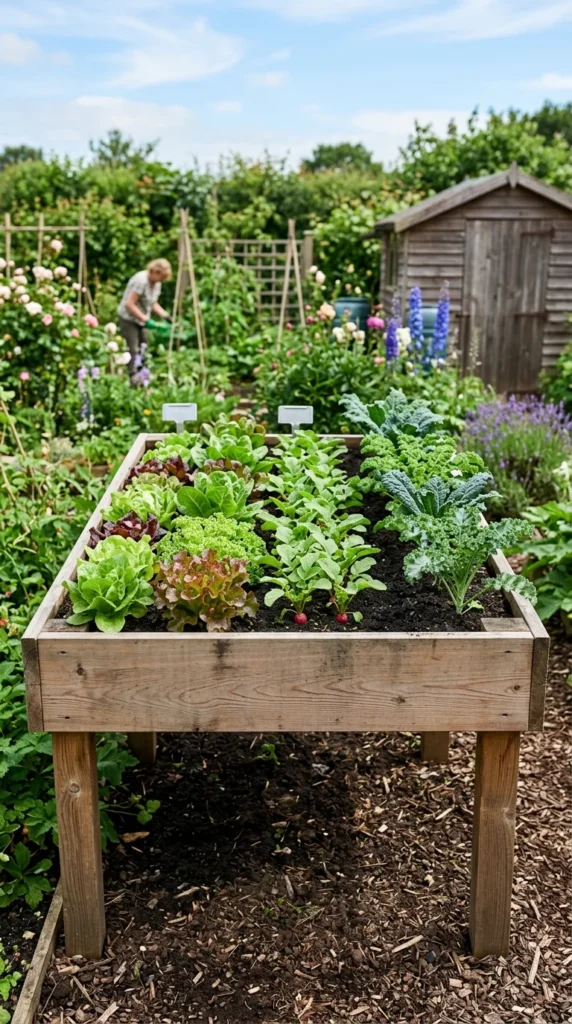
Save your back and knees with a raised planter box on legs. This design is a game-changer for gardeners who want to avoid the physical strain of bending over ground-level beds. By lifting the garden to waist height, you also create a natural barrier against certain pests like rabbits or groundhogs. These planters are essentially outdoor furniture for your plants. When building one, ensure the legs are reinforced with cross-braces to handle the substantial weight of the soil, especially when it becomes saturated with water.
8. Geometric Hexagon
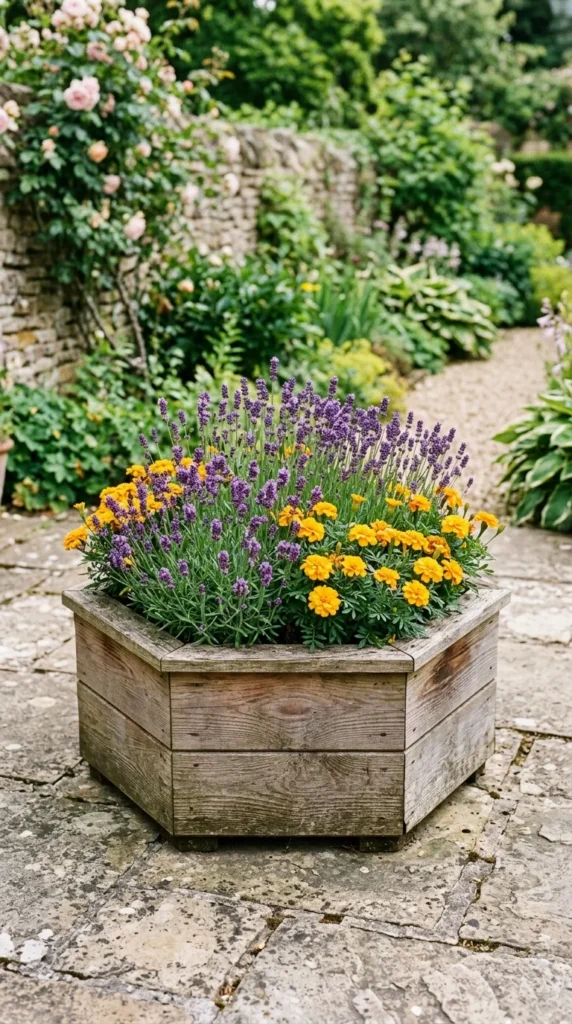
Break away from the traditional square and rectangular shapes with a geometric hexagon planter. The six-sided design adds a modern, architectural element to the garden. While the angles (30 degrees for the cuts) require a bit more mathematical focus during construction, the result is a unique focal point that stands out among standard garden containers. Grouping several hexagon planters of different heights together creates a honeycomb effect that is visually stunning and provides a professional, landscaped look.
9. Trellis Combo
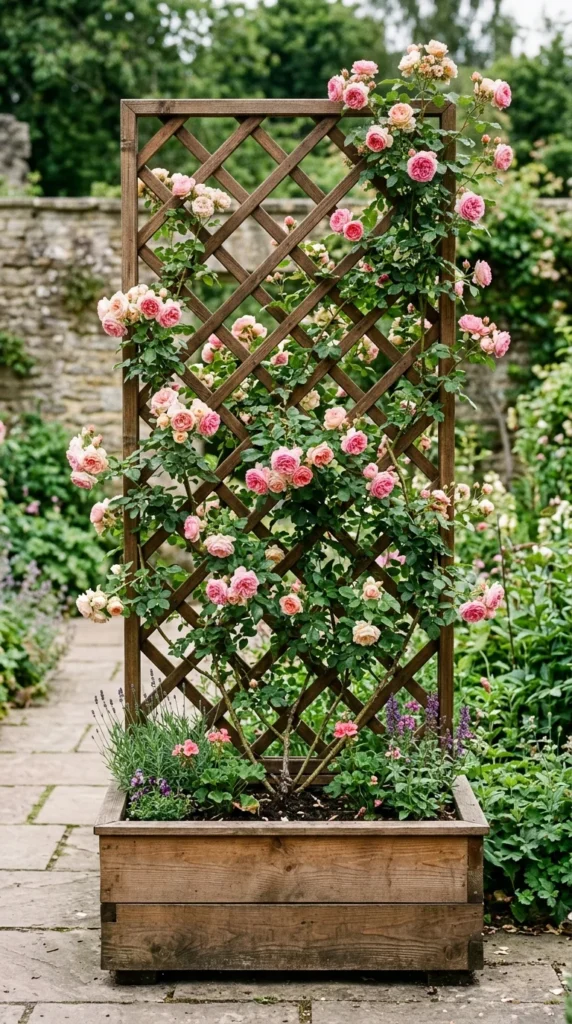
A planter with an integrated trellis is the ultimate solution for climbing plants like clematis, morning glories, or even snap peas. This design serves two purposes: it provides a deep root zone for the plant and a sturdy vertical structure for it to cling to as it grows. This is an excellent way to create “living privacy screens” on a porch or balcony. By choosing a beautiful lattice or a horizontal slat design for the trellis, you ensure the structure looks attractive even in the winter months when the vines are dormant.
10. Corner L-Shape
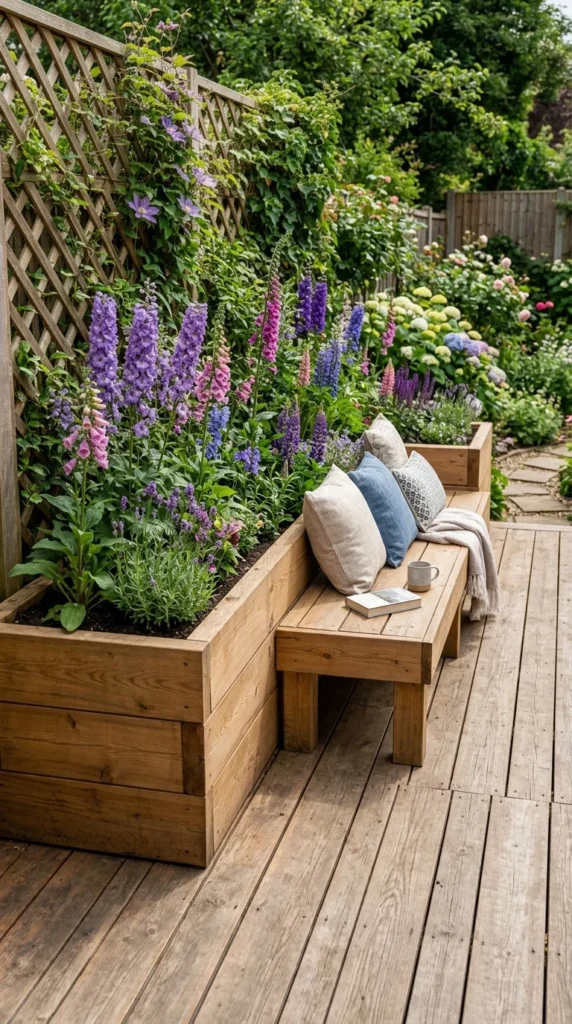
Maximize every inch of your outdoor space by building a custom L-shaped corner planter. This design is perfect for wrapping around the edges of a deck or defining the boundaries of a patio. It creates a cozy, enclosed feeling and can even be modified to include integrated bench seating. This dual-purpose furniture-planter hybrid is a favorite for those who love to entertain, as it provides both greenery and extra places for guests to sit. Because of its size, building this in sections and joining them on-site is usually the easiest approach.
11. Rolling Crates
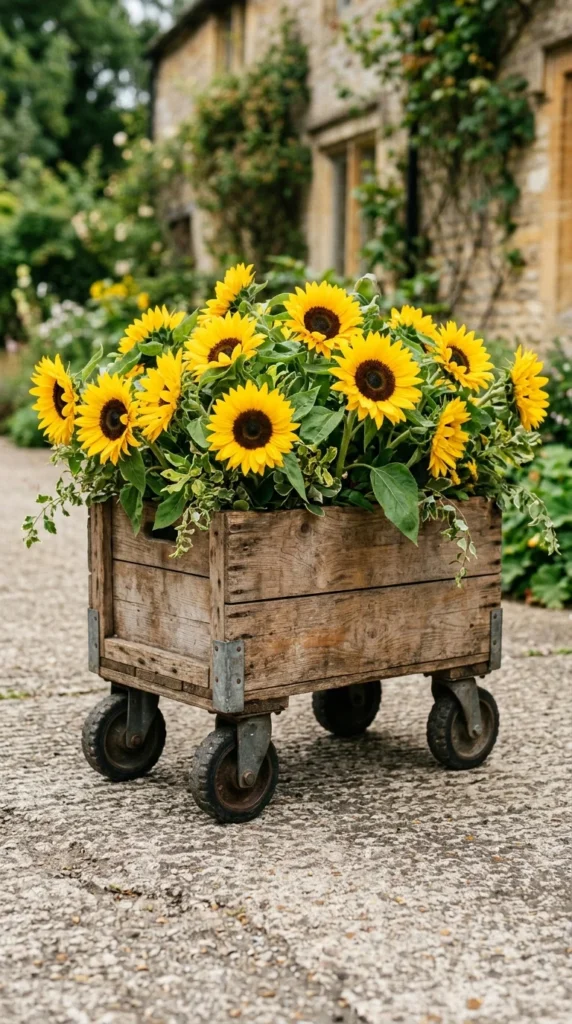
Mobility is a major advantage in a dynamic garden. By adding heavy-duty locking casters to the bottom of a wooden crate-style planter, you gain the ability to chase the sun or move your plants out of the way for a backyard party. Rolling planters are ideal for Mediterranean plants like citrus trees or bougainvillea that may need to be moved indoors or under a porch during a cold snap. Look for industrial-sized wheels that can handle the weight and ensure they have a locking mechanism to keep your garden from rolling away during a storm.
12. Modern Slats
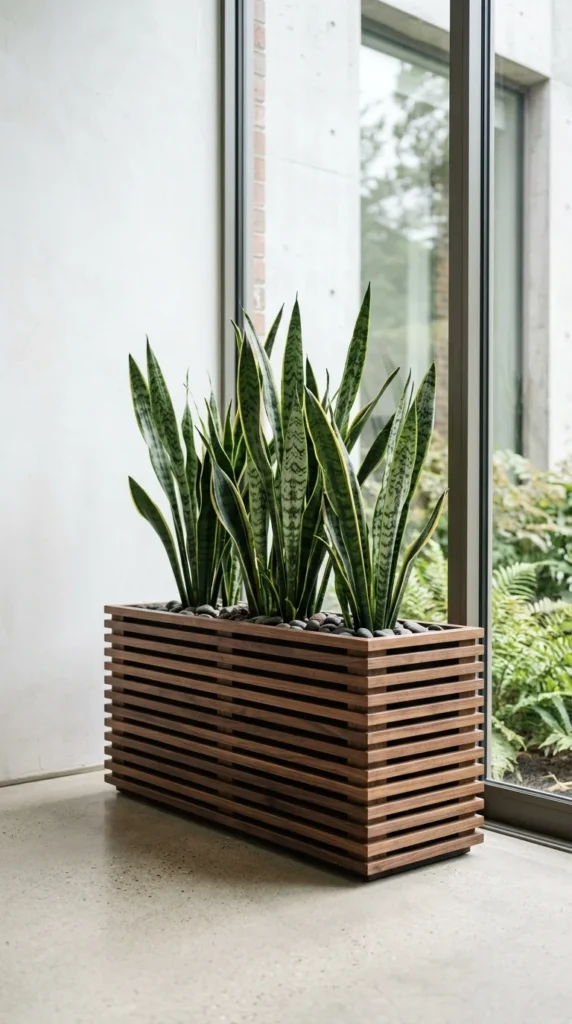
For a clean, contemporary look, the modern slat planter is hard to beat. This design uses thin strips of wood—usually stained in a dark ebony or a rich mahogany—spaced slightly apart. This creates a rhythmic, linear texture that complements modern architecture. To prevent soil from leaking through the gaps, the interior is typically lined with a heavy-duty landscape fabric or a hidden internal plastic container. This style is all about precision and clean lines, making it a perfect match for “less is more” garden designs.
13. Log Cabin
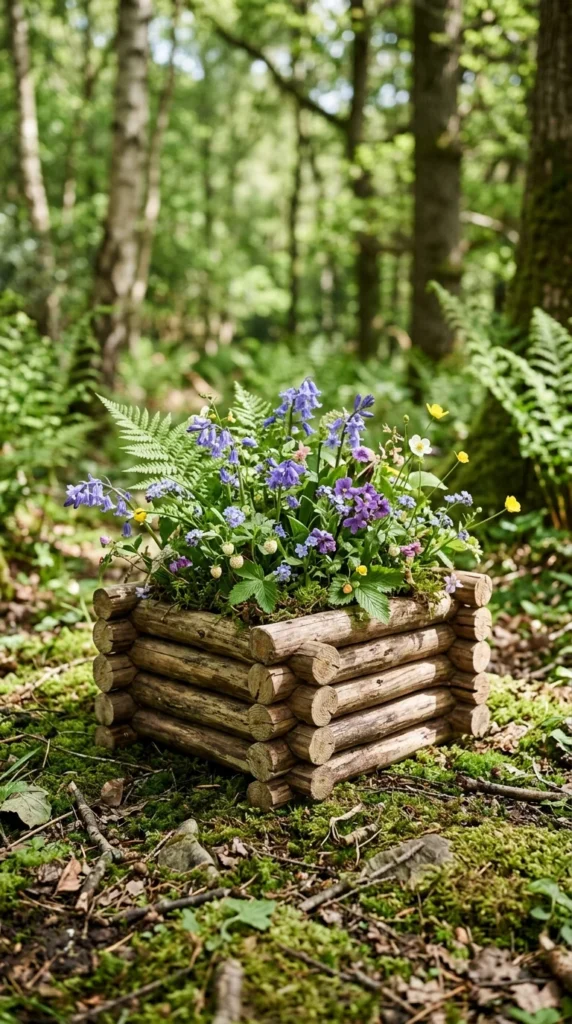
Bring a touch of the wilderness to your backyard with a log-cabin style planter. This involves stacking small, uniform logs or thick branches in a notched pattern, just like a traditional cabin. It is a fantastic project for using fallen limbs from your own property or “landscape timbers” from a local hardware store. The heavy, chunky look of the logs provides a wonderful contrast to delicate flowers like pansies or wildflowers. This style is exceptionally durable and gains more character as the wood naturally ages and develops a silvery patina over time.