
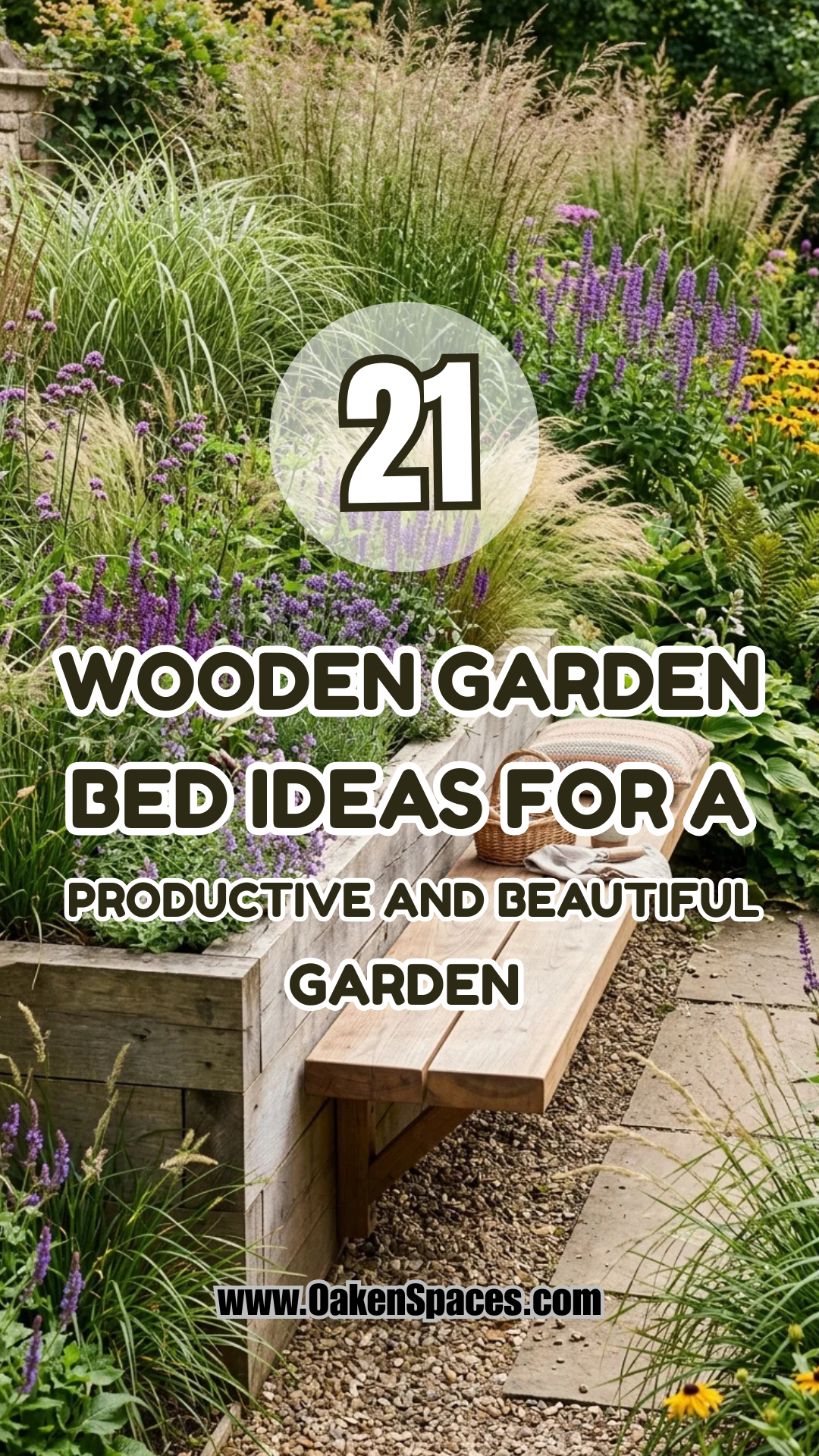
Wooden garden beds are the backbone of a successful home landscape. They offer the perfect blend of rustic aesthetics and practical functionality, allowing gardeners to control soil quality, improve drainage, and save their backs from unnecessary bending. Whether you are a seasoned horticulturalist or a weekend warrior looking to grow your first salad greens, the right wooden structure can transform your outdoor space into a sanctuary of productivity.
From the natural rot-resistance of cedar to the charm of repurposed materials, wood provides a warmth that stone or plastic simply cannot match. Below, we explore 21 innovative wooden garden bed ideas that will elevate your gardening game and turn your backyard into a lush, edible paradise.
1. Classic Cedar
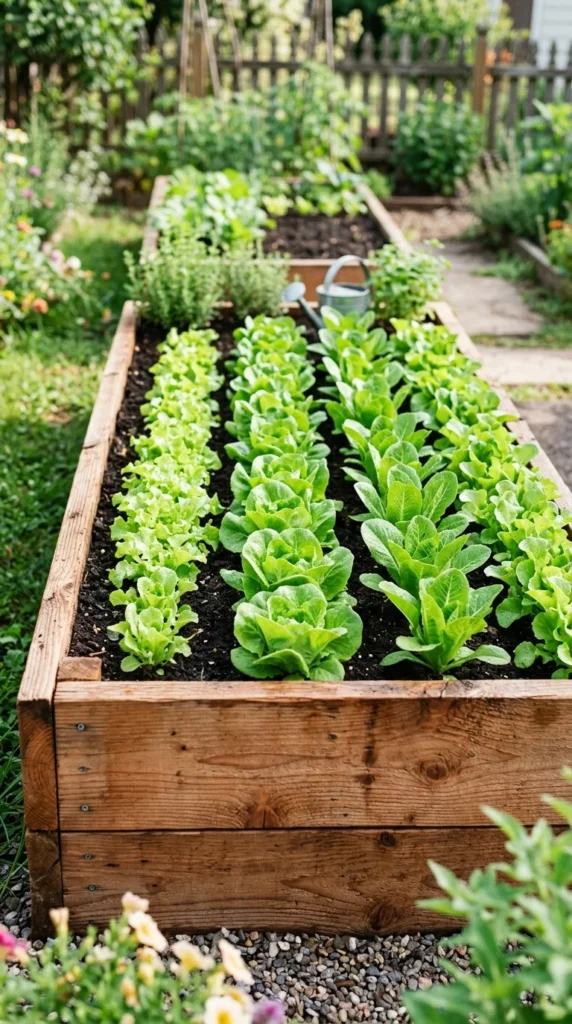
Cedar is the gold standard for wooden garden beds. Naturally resistant to rot and insects without the need for chemical treatments, it is safe for growing organic vegetables. A classic rectangular design using 2×6 or 2×12 cedar planks provides a clean, timeless look that fits any garden style. These beds age gracefully into a soft silvery-gray over time, or they can be stained with food-safe oils to maintain their vibrant orange-red glow.
2. Recycled Pallets
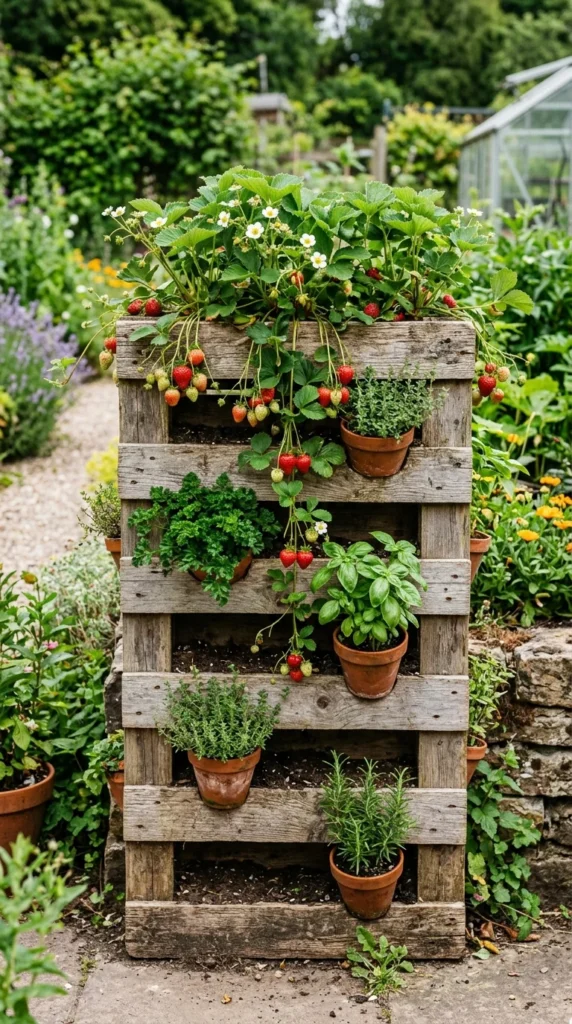
For the eco-conscious and budget-friendly gardener, pallet beds are a fantastic DIY project. By dismantling old shipping pallets, you can create rustic, character-filled planters. Ensure the pallets are heat-treated (marked with “HT”) rather than chemically treated. You can build traditional floor-based beds or lean them against a wall to create a vertical herb garden, utilizing the “pockets” between the slats for small greens and succulents.
3. Multi-Level Tiers
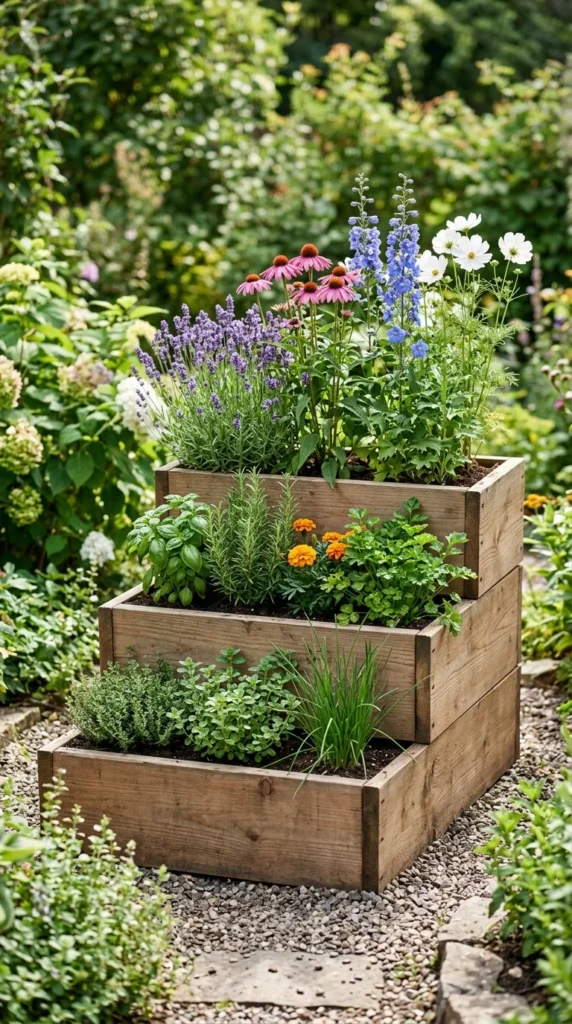
If you are dealing with a slope or simply want to maximize a small footprint, tiered beds are the answer. This design creates a “staircase” effect, allowing you to grow a diverse range of plants in a compact area. Use the top tier for sun-loving plants that need deep roots, and the lower tiers for shallow-rooted greens or trailing flowers like nasturtiums that can spill over the edges.
4. Keyhole Design
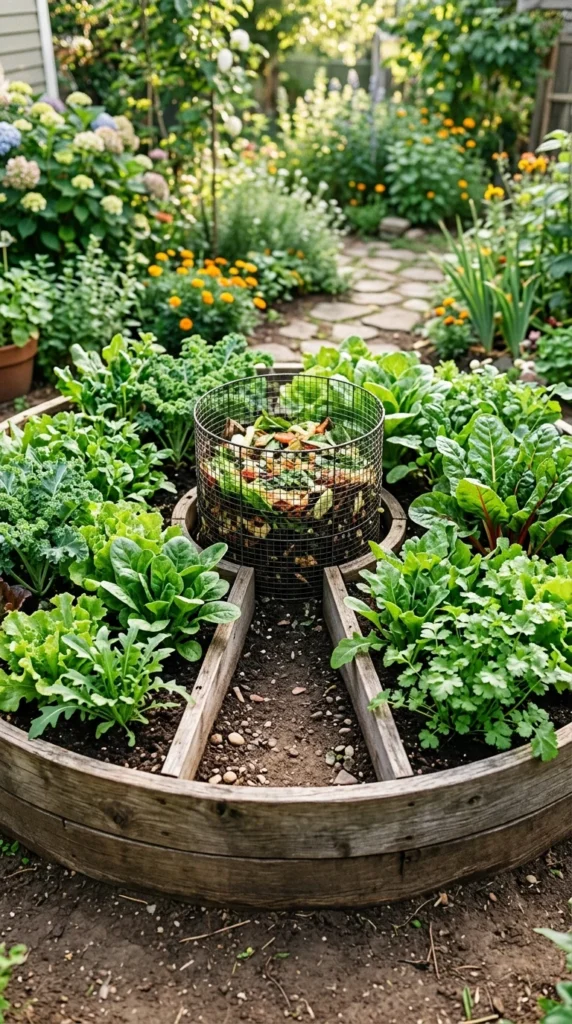
The keyhole garden is a masterclass in permaculture efficiency. It features a circular bed with a “keyhole” path leading to the center. At the heart of the circle is a composting basket. As you water the bed through the compost, nutrients are delivered directly to the root zones of your plants. This wooden design is perfect for arid climates or gardeners who want a self-fertilizing system that looks like a piece of living art.
5. Vertical Wall
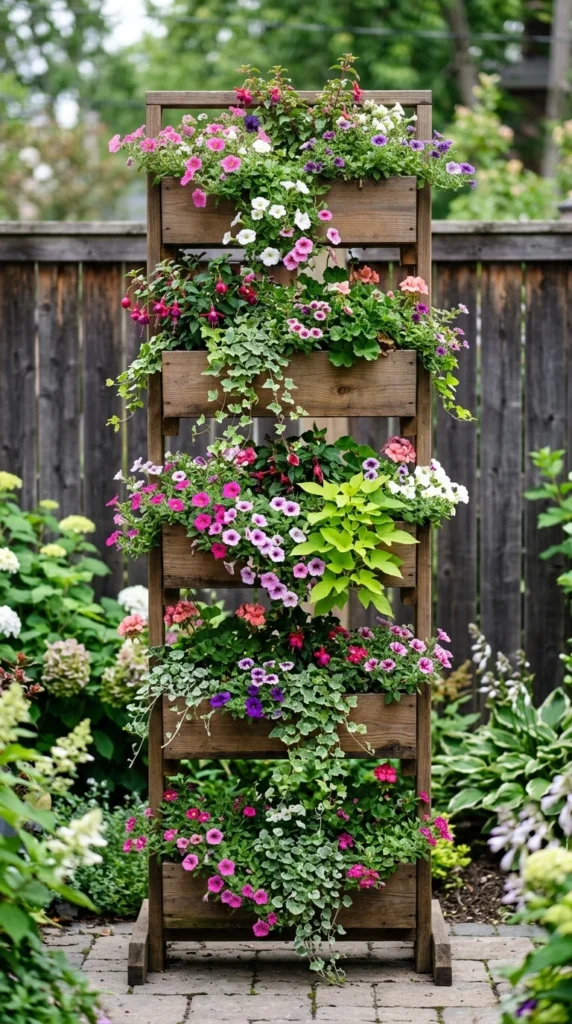
When ground space is at a premium, go up. A vertical wooden garden bed can be built as a freestanding “A-frame” or attached directly to a fence or exterior wall. These are ideal for “cut and come again” salads, strawberries, and herbs. By using wood for the frame and boxes, you create a sturdy, heavy-duty structure that can withstand the weight of wet soil and provide a dramatic green backdrop for your patio.
6. L-Shaped Corner
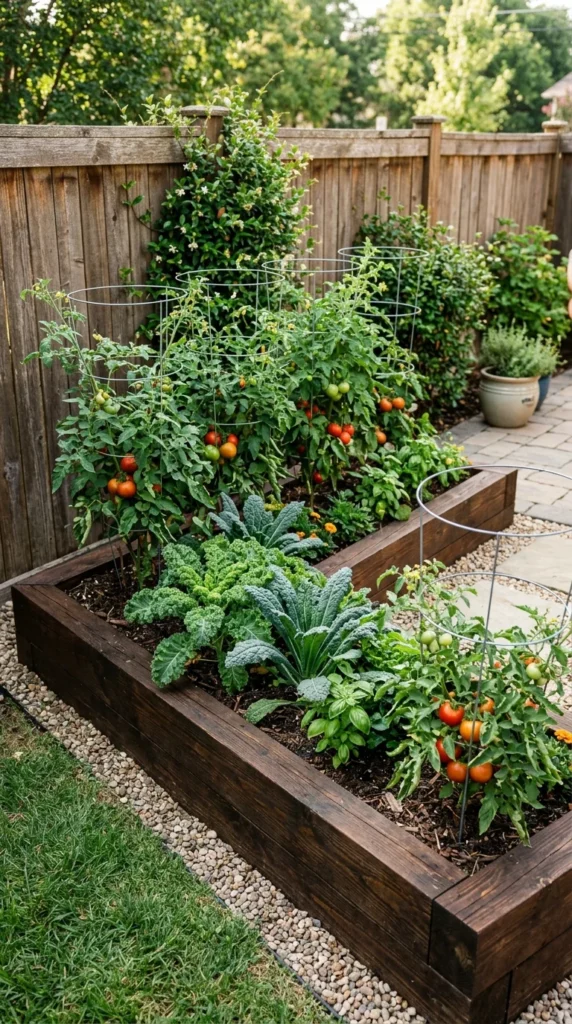
Make the most of underutilized corners with an L-shaped wooden bed. This design wraps around your garden’s perimeter, creating a defined boundary while leaving the center of the yard open for lounging or play. It provides a massive amount of planting surface while keeping everything within easy reach from the inner “elbow” of the L-shape.
7. Hugelkultur Mounds
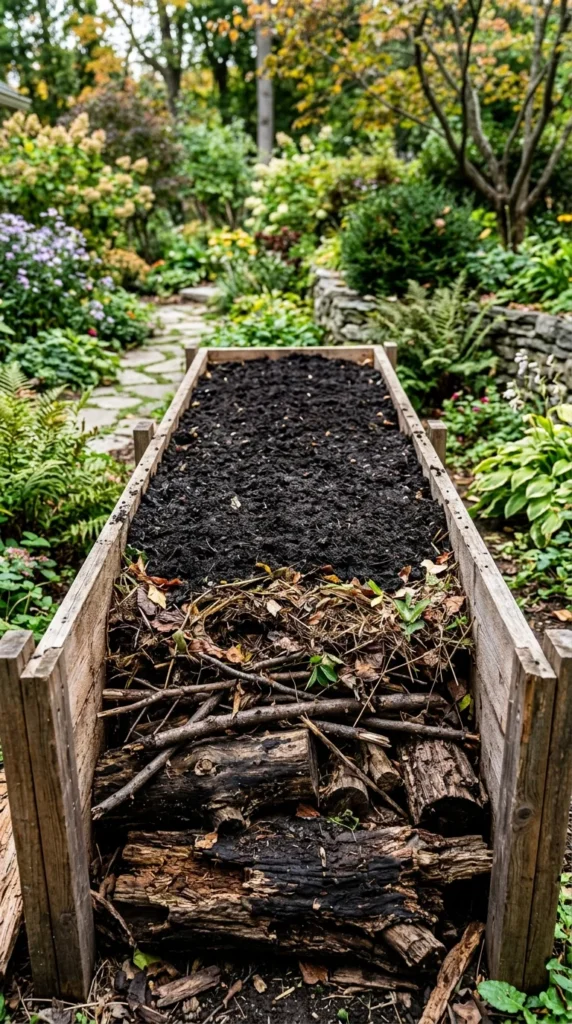
Hugelkultur is an ancient German gardening technique that involves burying large amounts of wood under the soil. While often done as open mounds, you can contain this process within high-walled wooden frames. The buried logs act like a sponge, soaking up rainwater and slowly releasing it and nutrients over several years. This is the ultimate “slow-release” feeding system for your garden.
8. Woven Hazel
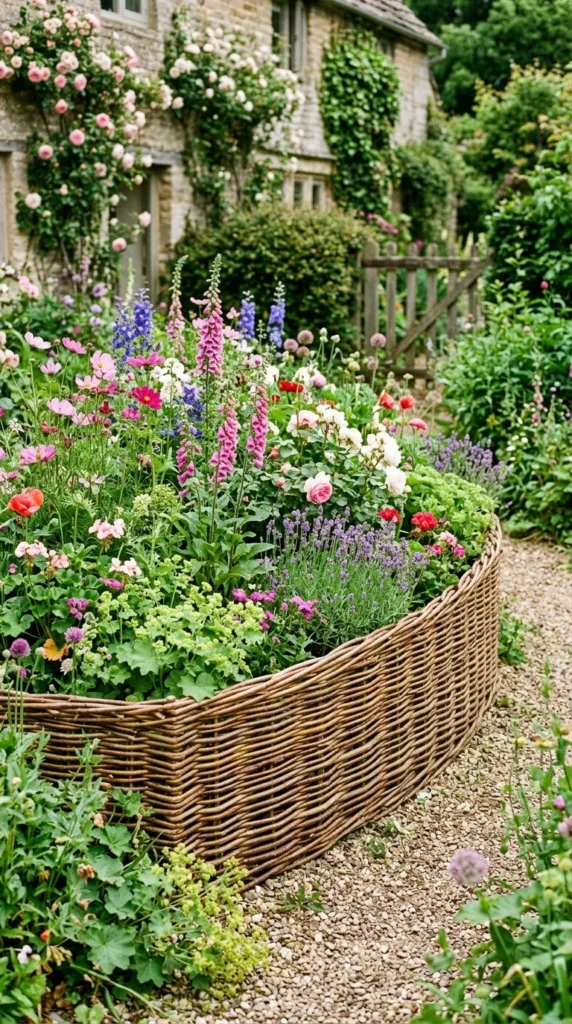
For a truly organic and “enchanted forest” look, consider woven wooden beds. Using flexible branches like hazel or willow, you can “weave” the walls of your garden beds around sturdy wooden stakes. This technique, known as wattle, has been used for centuries. It’s perfect for cottage gardens and provides excellent aeration for the soil.
9. Sandbox Conversion
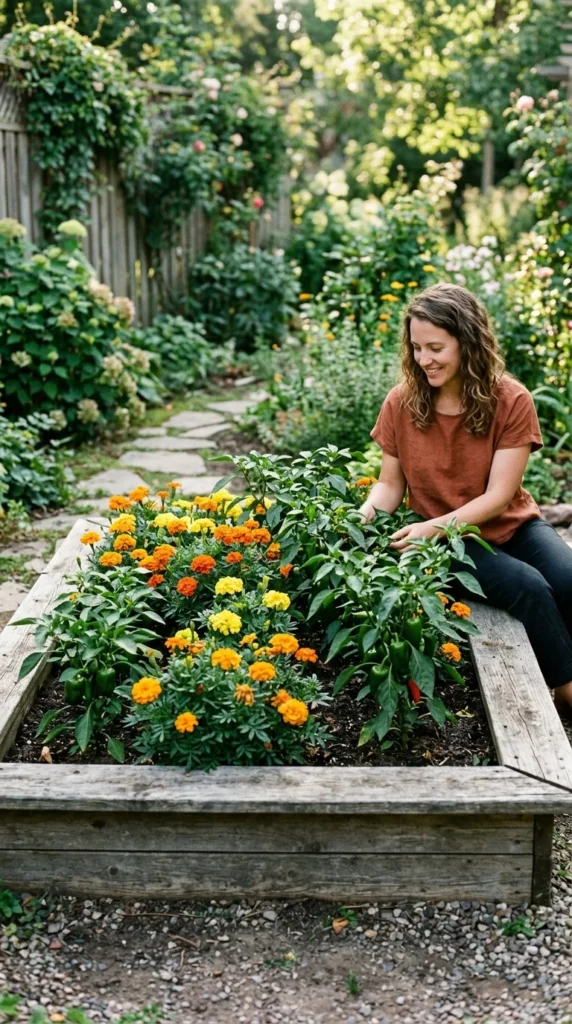
If your children have outgrown their wooden sandbox, don’t throw it away. With a few modifications for drainage, these structures make excellent ready-made garden beds. The wide “seating” ledges that typically surround a sandbox are perfect for gardeners to sit on while weeding or harvesting, making it an ergonomic and nostalgic choice.
10. Self-Watering Beds
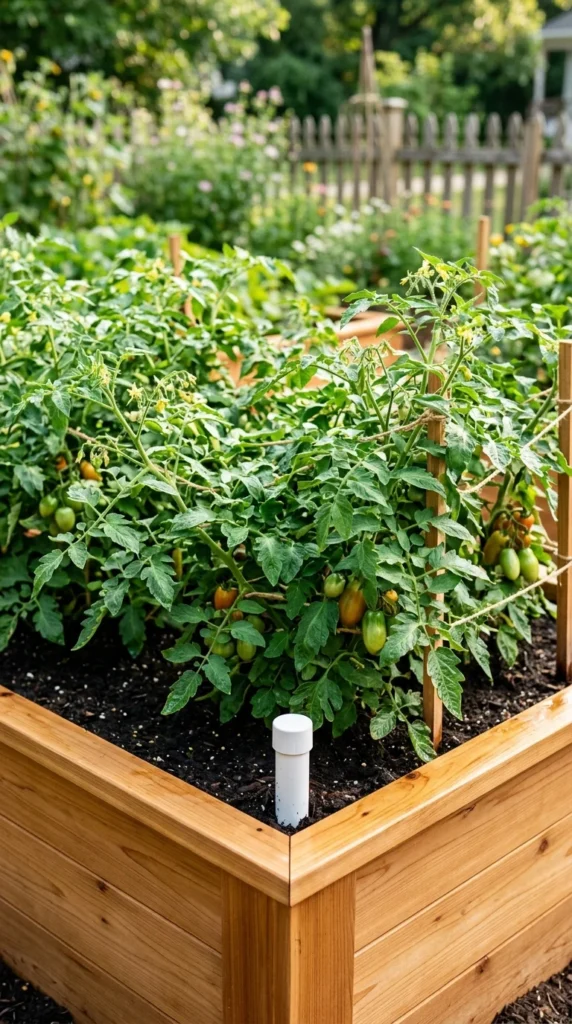
Also known as wicking beds, these wooden structures feature a hidden reservoir of water at the bottom. The water “wicks” up into the soil, keeping the roots consistently moist. By building the outer shell from beautiful cedar or redwood, you hide the plumbing and plastic liners, resulting in a high-tech garden bed that looks like a high-end piece of outdoor furniture.
11. Wheelchair Accessible
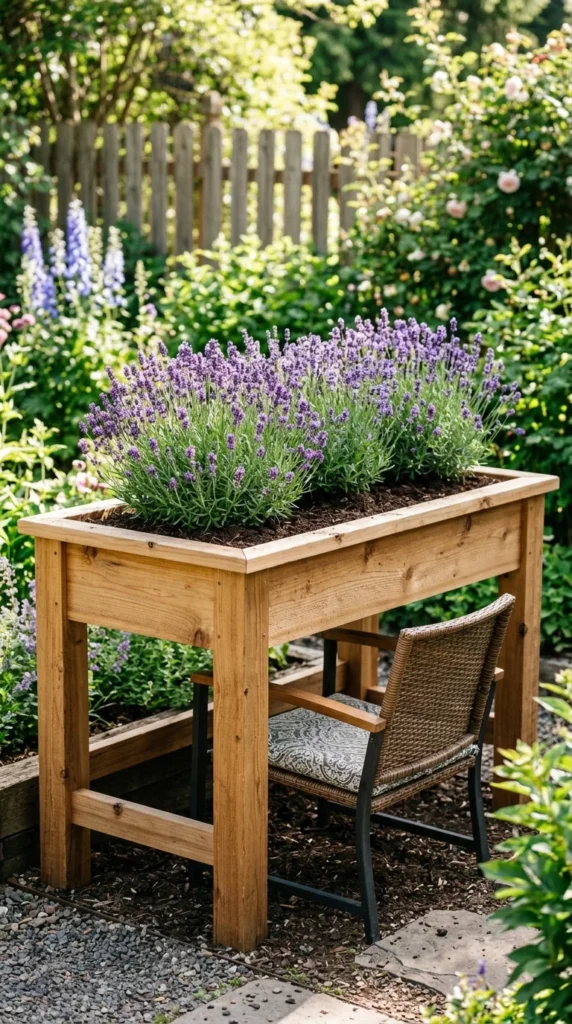
Gardening should be for everyone. Accessible wooden beds are built on sturdy legs, much like a table, allowing someone in a wheelchair or someone who cannot kneel to garden comfortably. These “table beds” are usually 24 to 30 inches high and are perfect for growing herbs, flowers, and shallow-rooted vegetables like radishes and spinach.
12. Corrugated Metal
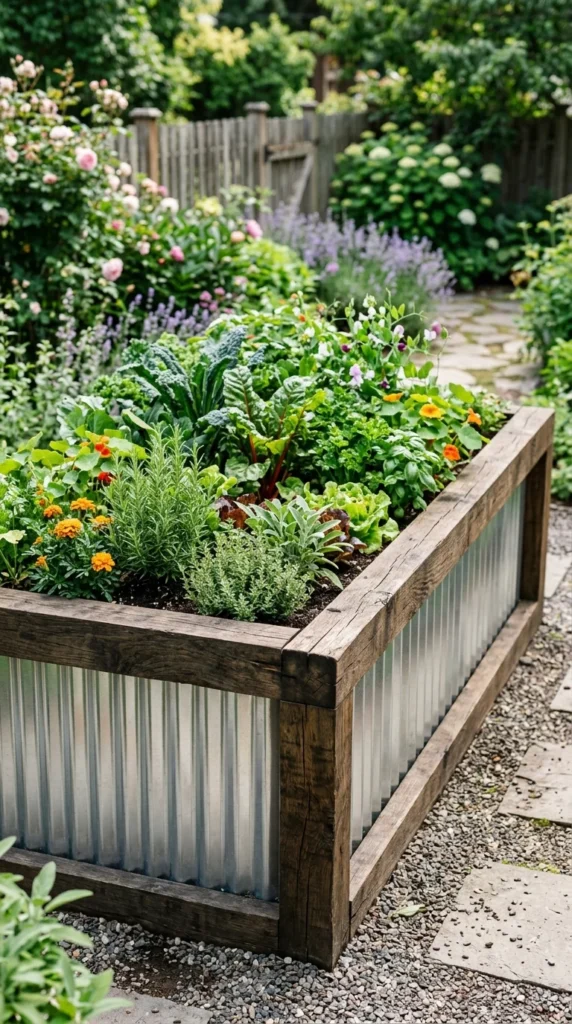
Combining wood with corrugated metal creates a striking “industrial farmhouse” aesthetic. The wooden frame provides the structural integrity and a soft place to sit or lean, while the metal panels offer a durable, modern contrast. This hybrid design is incredibly long-lasting and is particularly popular in contemporary urban gardens.
13. U-Shaped Layout
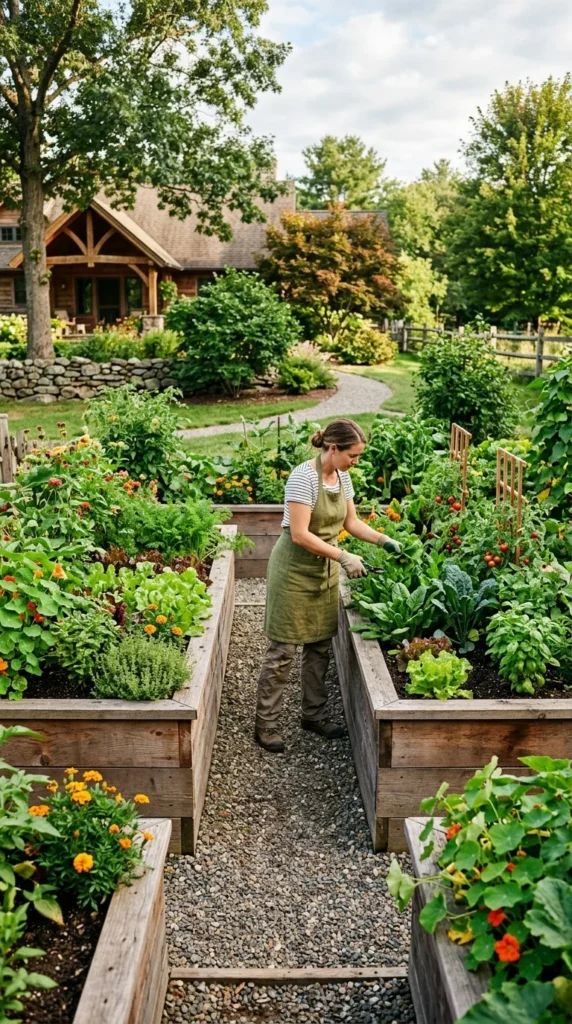
For the serious vegetable grower, the U-shaped bed is the pinnacle of efficiency. It maximizes the “reach zone,” allowing you to access three sides of the garden from one central standing point. This prevents soil compaction because you never have to step into the bed. It’s an ideal setup for intensive crops like peppers, eggplants, and beans.
14. Rolling Planters
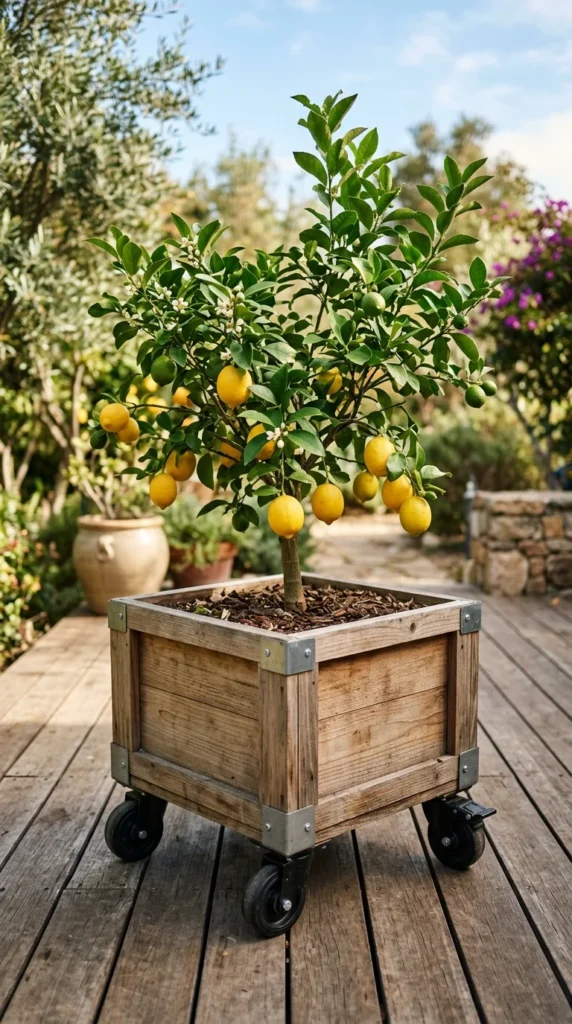
If you have a patio or a space where the sun shifts throughout the seasons, put your wooden beds on wheels. Using heavy-duty casters, you can move your garden to follow the light or clear the space for entertaining. These are perfect for Mediterranean plants like lemons or rosemary that might need to be rolled into a garage or shed during a freak frost.
15. Hexagonal Shapes
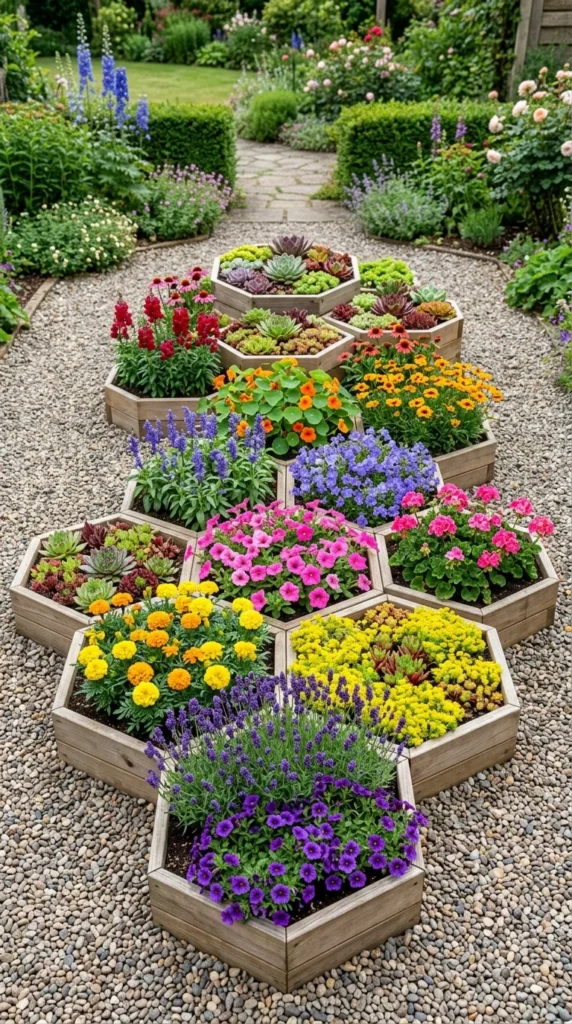
Break away from the right angle with hexagonal wooden beds. These geometric shapes can be grouped together like a honeycomb to create a visually stunning garden focal point. They are particularly effective for herb gardens, where each “cell” of the hexagon can hold a different variety of mint, thyme, or oregano, preventing them from overtaking one another.
16. Bench Integration
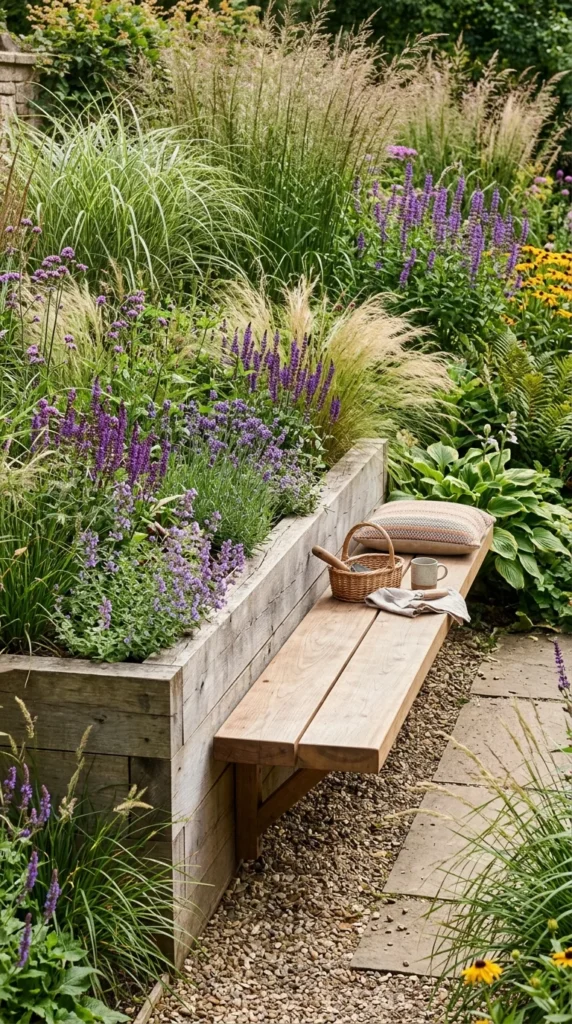
Why just garden when you can relax? Integrating a bench directly into the side of a tall wooden garden bed turns your growing space into a destination. This design is perfect for large yards where you might want to stop and admire your handiwork. The warmth of the wood makes for a comfortable seat, and the height of the bed provides a beautiful “green backrest.”
17. Cold Frame Hybrid
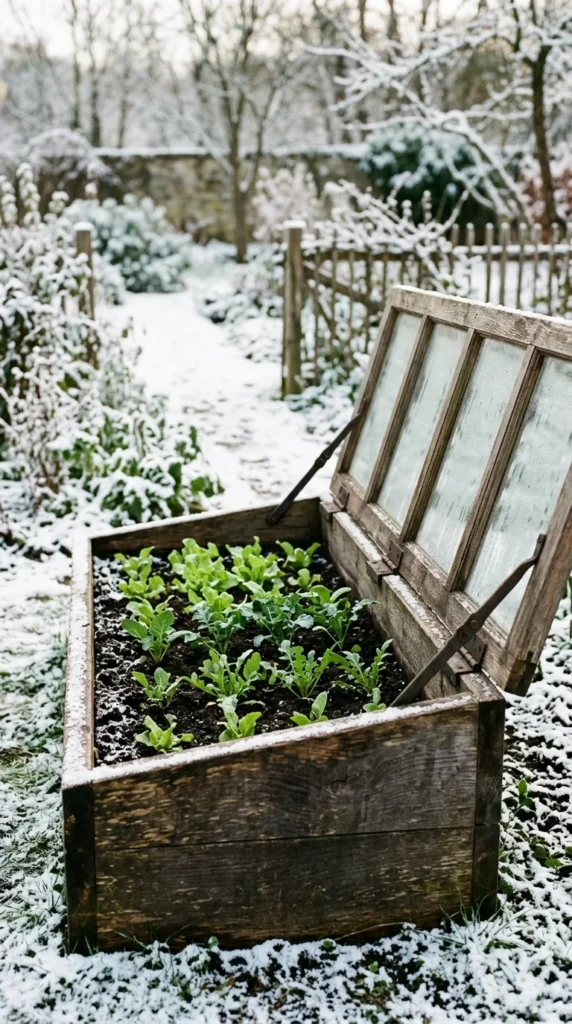
Extend your growing season by building a wooden bed with a built-in “hat.” By adding a hinged lid with glass or clear polycarbonate panels, you create a cold frame. This allows you to start seeds weeks earlier in the spring and keep hardy greens growing well into the winter, effectively turning your wooden bed into a mini-greenhouse.
18. Trellis Backing
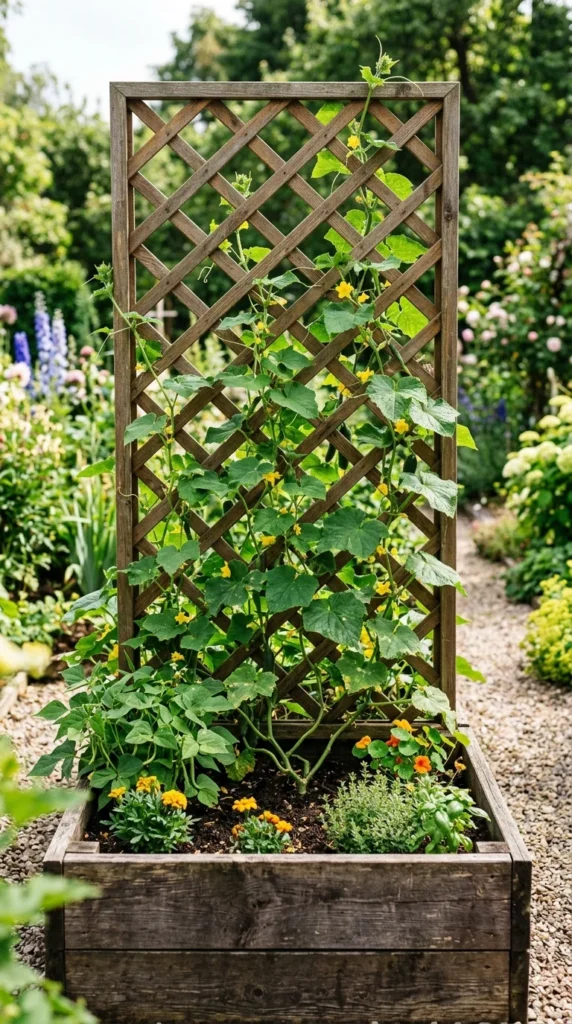
Many of the most productive garden plants—like peas, beans, and cucumbers—love to climb. By building a tall wooden trellis directly into the frame of your bed, you save space and provide essential support. A well-designed trellis also adds vertical interest to your garden, acting as a living screen that provides privacy and beauty.
19. Privacy Screen
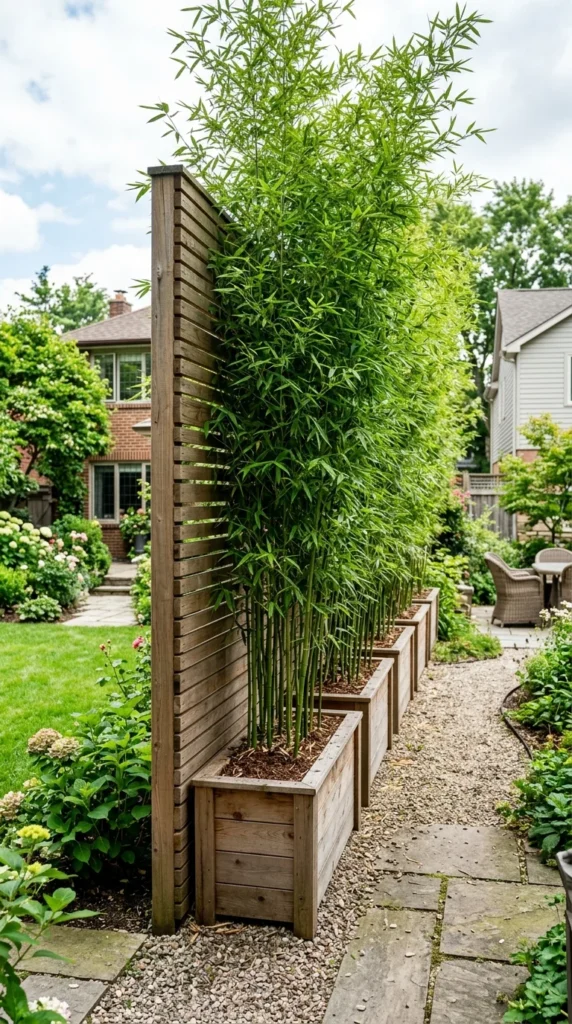
Wooden garden beds can serve a dual purpose as property dividers. By building deep, heavy beds with tall integrated slats, you can grow “living walls.” Planting tall grasses, bamboo, or fast-growing shrubs in these beds provides an instant privacy screen that is more attractive and neighbor-friendly than a standard fence.
20. Herb Spiral
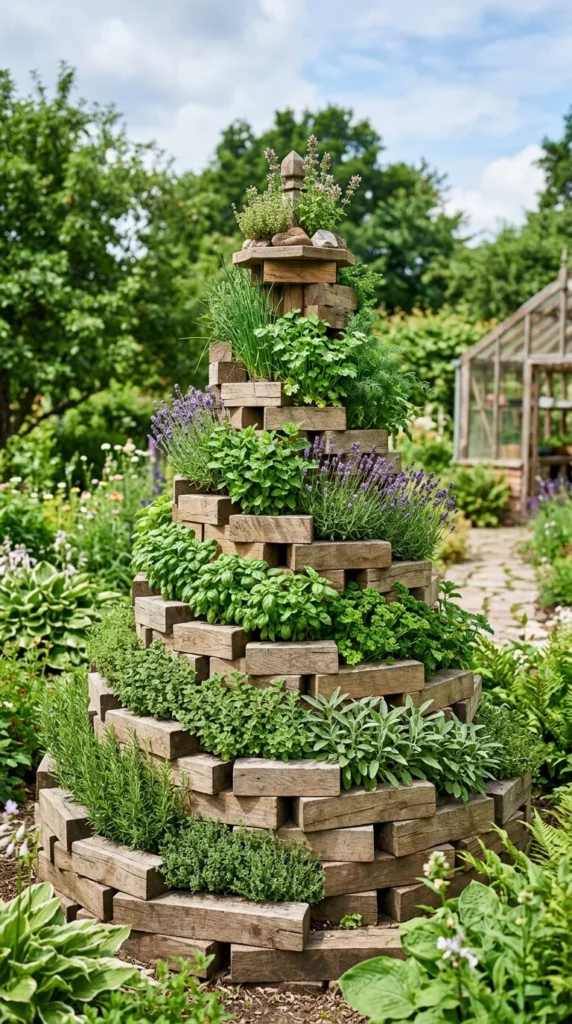
While often built from stone, a wooden herb spiral is a stunning architectural feature. Using small wooden blocks or “bricks,” you can create a winding path that spirals upward. This creates different microclimates: the top is dry and sunny (perfect for rosemary), while the bottom is cool and moist (perfect for parsley and mint).
21. Rustic Log Edging
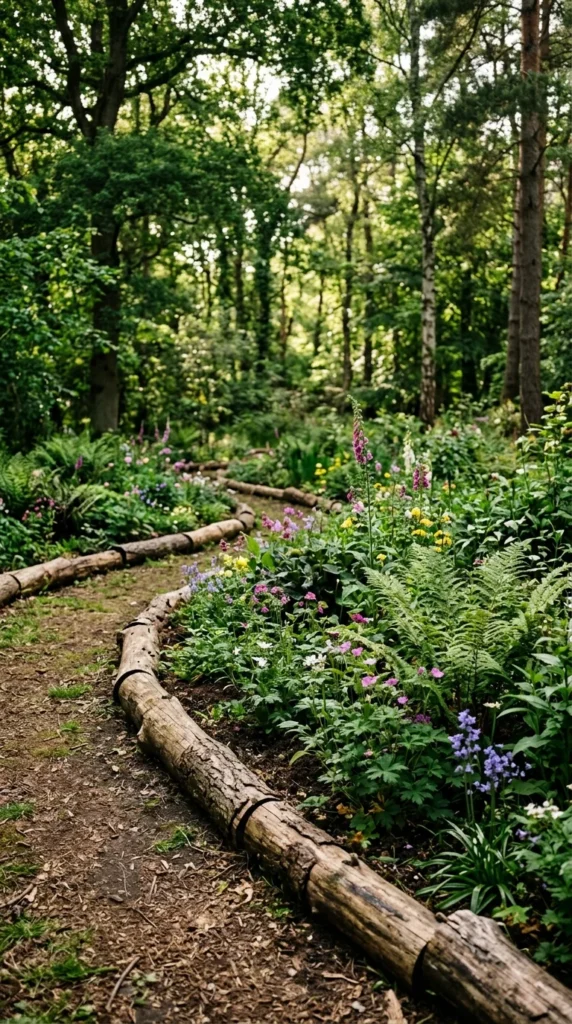
If you have access to fallen timber, use the logs themselves as the “lumber” for your beds. Rustic log edging is the most natural way to define a garden space. It looks perfectly at home in a woodland or “wild” garden setting. As the logs slowly decompose over the years, they provide a habitat for beneficial insects and fungi, contributing to a healthy, balanced garden ecosystem.