
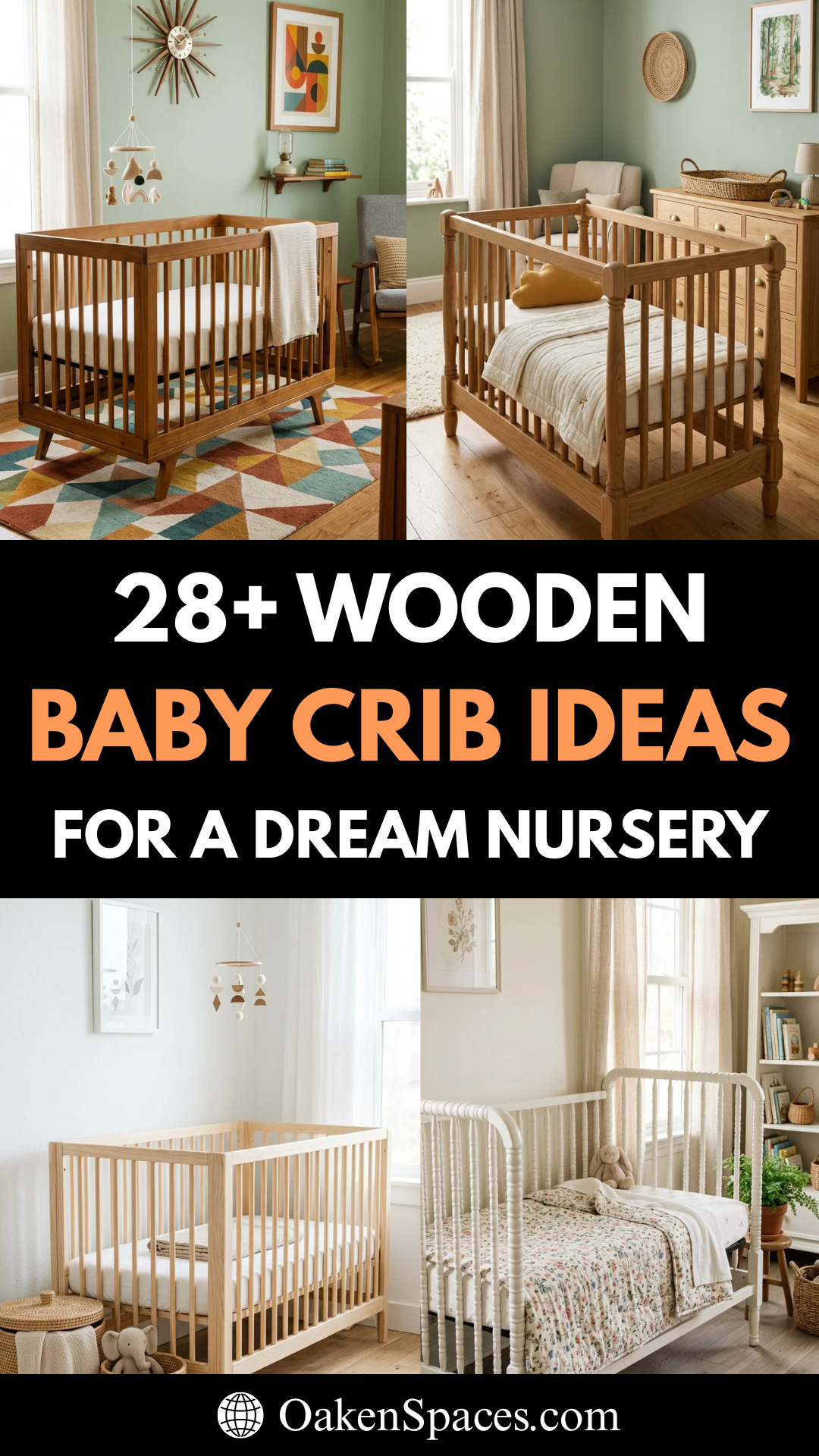
Designing a nursery is one of the most exciting milestones for expecting parents. It is the first sanctuary you create for your little one—a place for sleep, growth, and countless midnight snuggles. At the heart of this sanctuary lies the crib. While trends come and go, wooden cribs remains the gold standard for nursery design. They offer a timeless warmth, structural integrity, and a connection to nature that synthetic materials simply cannot replicate. Whether you are leaning toward a minimalist Scandinavian look or a moody, vintage aesthetic, wood is the most versatile medium to work with. Here are 28 wooden baby crib ideas to inspire your dream nursery.
1. Classic Oak
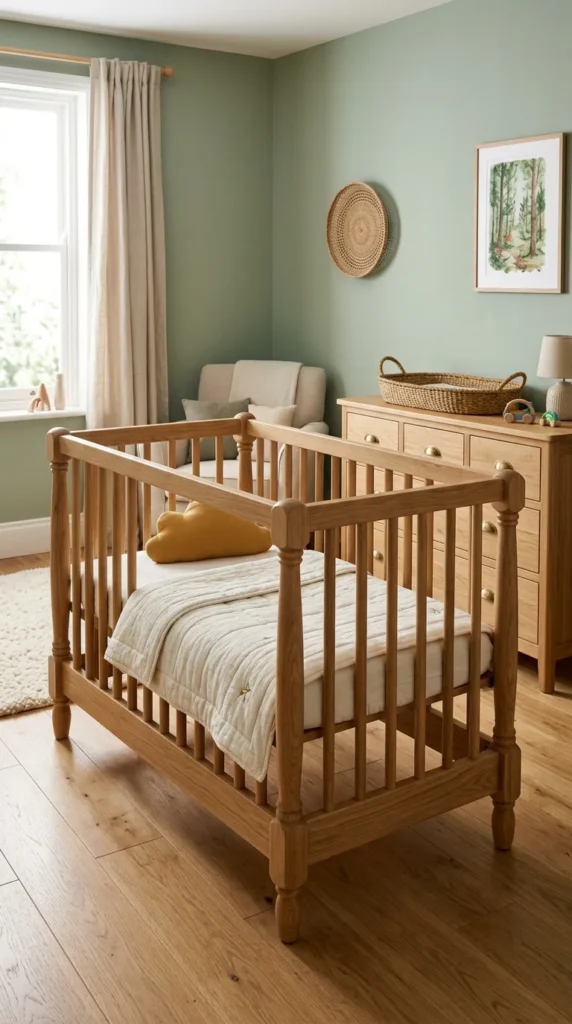
Oak is the quintessential choice for nursery furniture because of its incredible durability and beautiful grain patterns. A classic oak crib brings a sense of groundedness and heritage to a room. Because oak is a hardwood, it resists scratches and dings, making it an excellent investment that can last through multiple children. Pair it with earthy tones like moss green or terracotta for a nature-inspired retreat.
2. Mid-Century Modern
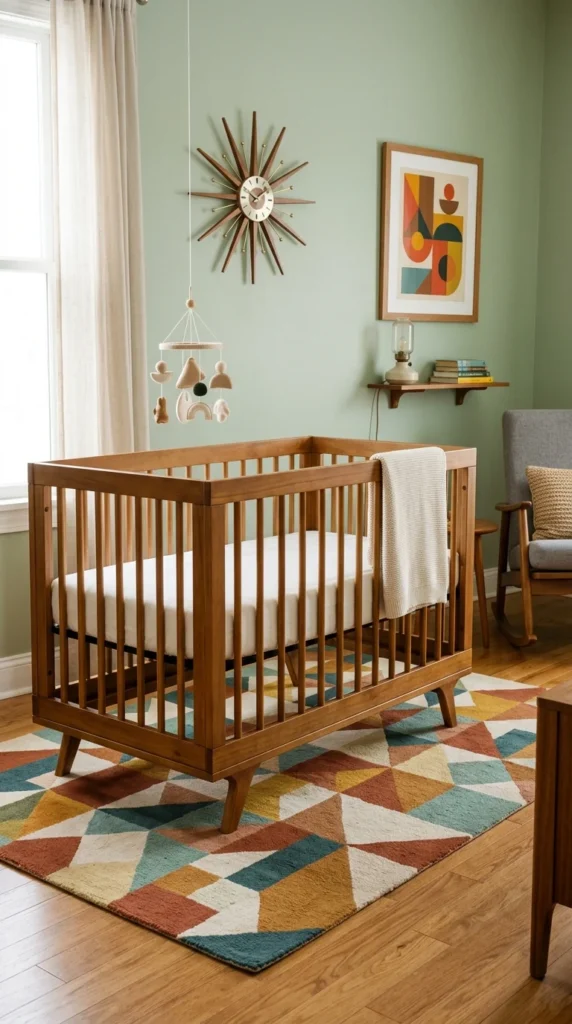
Mid-century modern design is all about “form meets function.” These cribs typically feature iconic tapered legs and a minimalist frame that makes the room feel airy and spacious. The warm wood tones, often in walnut or acorn finishes, provide a sophisticated contrast to modern nursery tech and colorful toys. It’s a perfect choice for parents who want a nursery that feels stylish and adult-friendly.
3. Jenny Lind
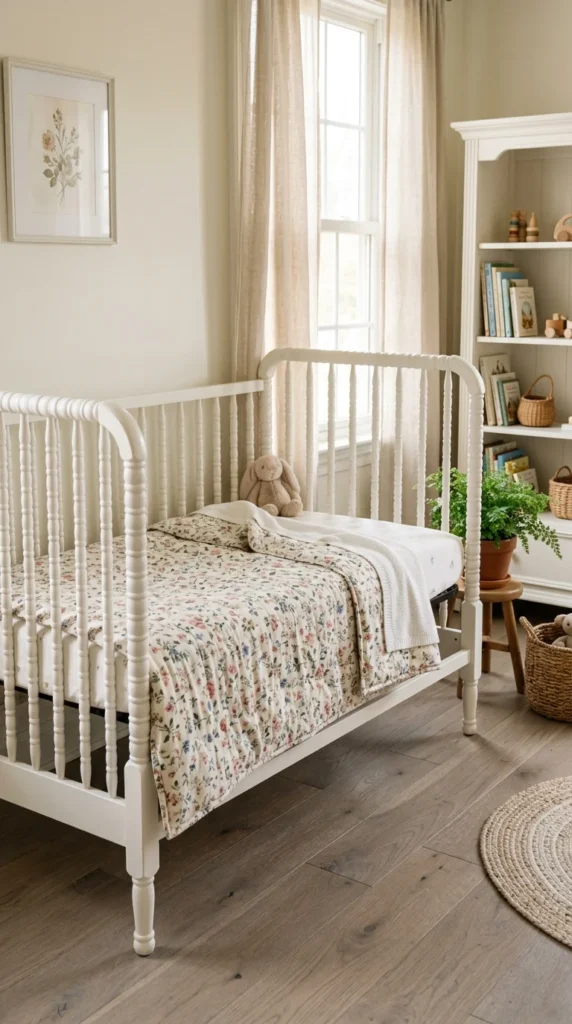
Named after the “Swedish Nightingale,” the Jenny Lind style is famous for its intricate turned spindles. This design has been a nursery staple for over a century. While often seen in white, a natural wood Jenny Lind crib offers a stunning bohemian vibe. Its repetitive, sculptural lines add a layer of texture to the room without overwhelming the space.
4. Natural Pine
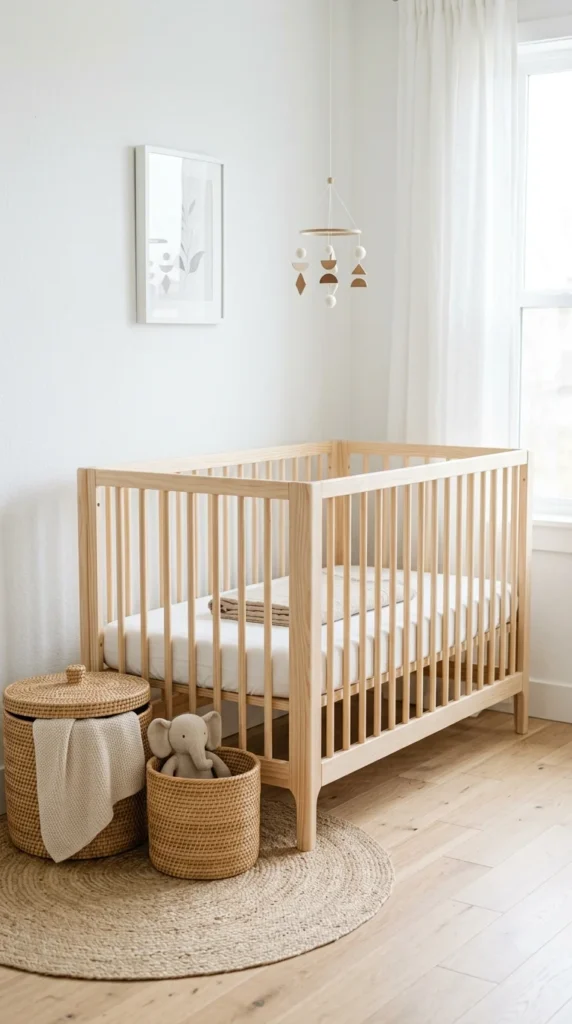
Pine is an excellent choice for parents who love a light, airy, and Scandinavian-inspired nursery. Its pale yellow or cream tones help brighten up smaller rooms. While pine is a softer wood, it is often more affordable and brings a relaxed, “cabin-in-the-woods” charm to the nursery. It looks best when paired with monochromatic whites and greys.
5. Dark Espresso
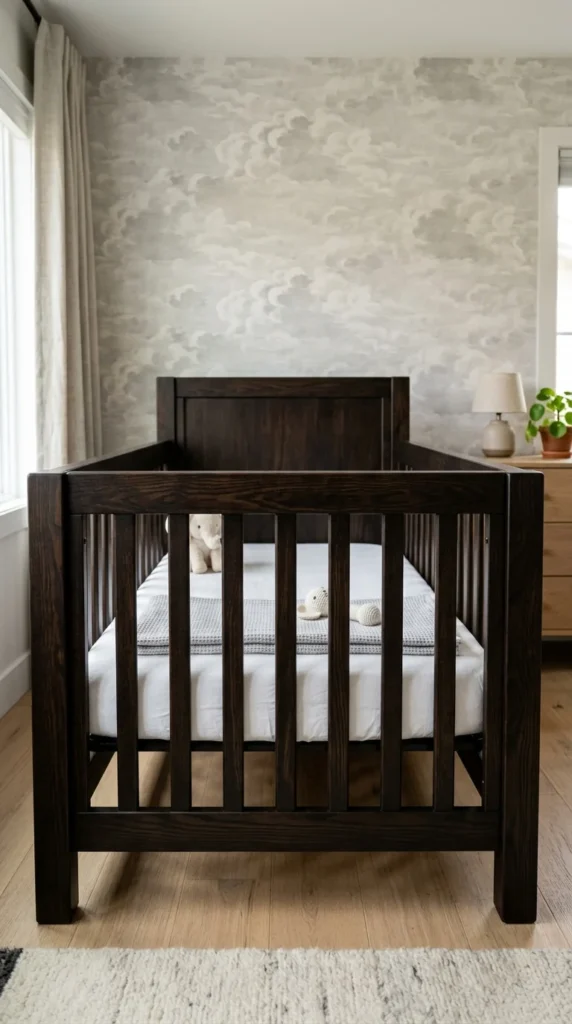
For a bold, sophisticated statement, a dark espresso finish is unmatched. This deep chocolate brown stain adds a layer of formal elegance to the nursery. It works exceptionally well in rooms with high ceilings or plenty of natural light, where the dark wood can stand out as a focal point without making the room feel cave-like.
6. Two-Tone
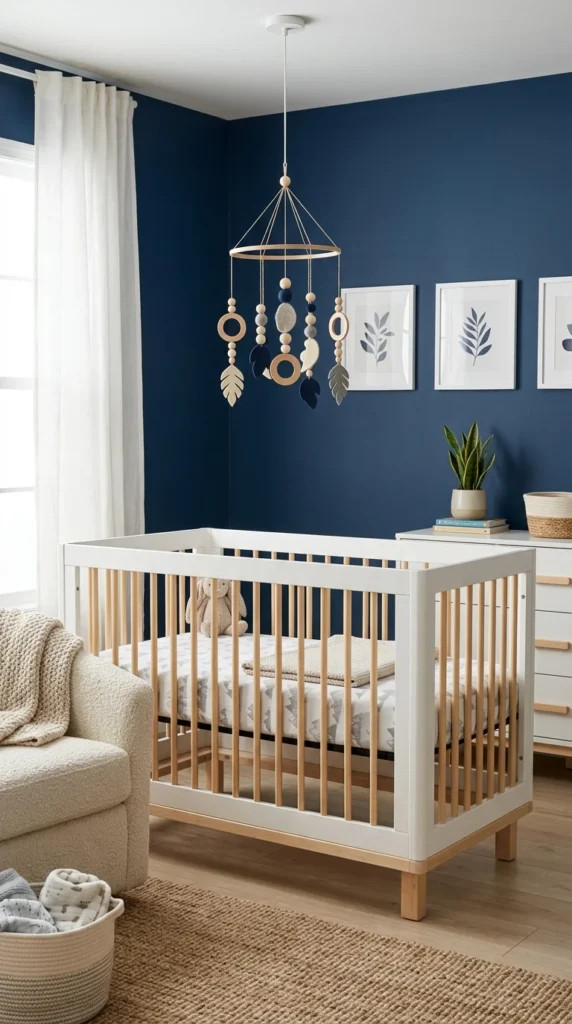
Can’t decide between white and wood? The two-tone crib is the perfect compromise. Usually featuring white frames with natural wood spindles or vice versa, this style breaks up the visual weight of the furniture. It is incredibly easy to coordinate with other furniture pieces that might not be a perfect wood match.
7. Convertible 4-in-1
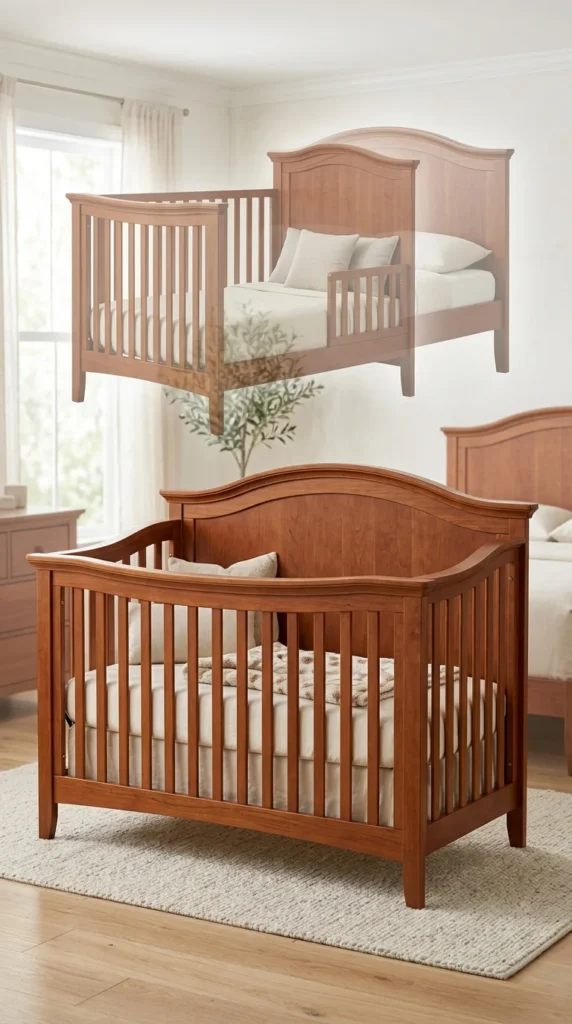
Longevity is the name of the game with a convertible crib. These wooden powerhouses are designed to grow with your child, transitioning from a crib to a toddler bed, a daybed, and eventually a full-sized headboard. When buying a convertible model, look for solid wood construction to ensure the joints remain tight through years of reassembly.
8. Scandi Minimalism
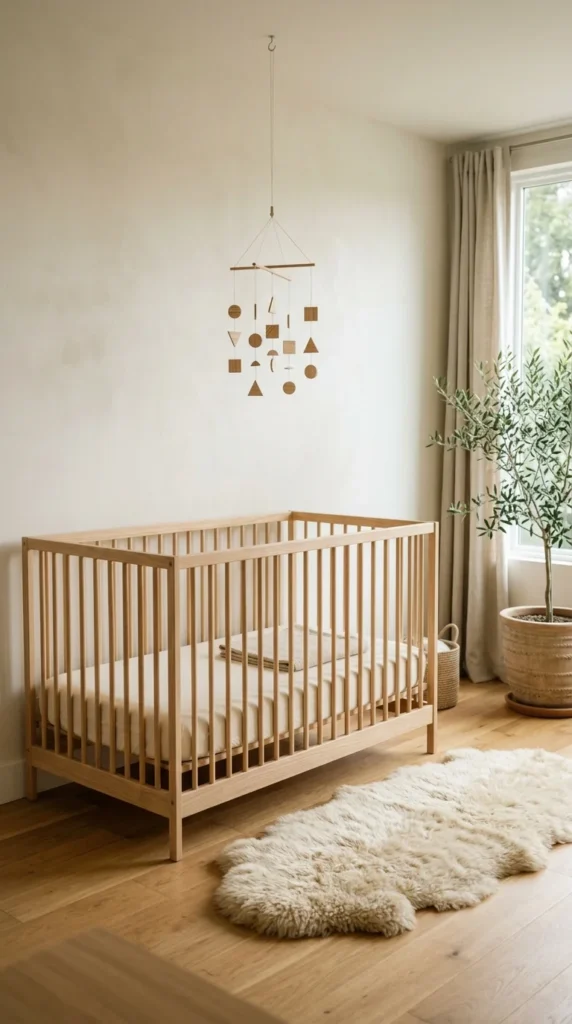
The Scandinavian philosophy of “hygge” focuses on comfort and simplicity. A Scandi-style crib often features light-colored woods like ash or birch, low profiles, and rounded edges. This design is perfect for creating a clutter-free, calming environment that promotes better sleep for both baby and parents.
9. Sleigh Style
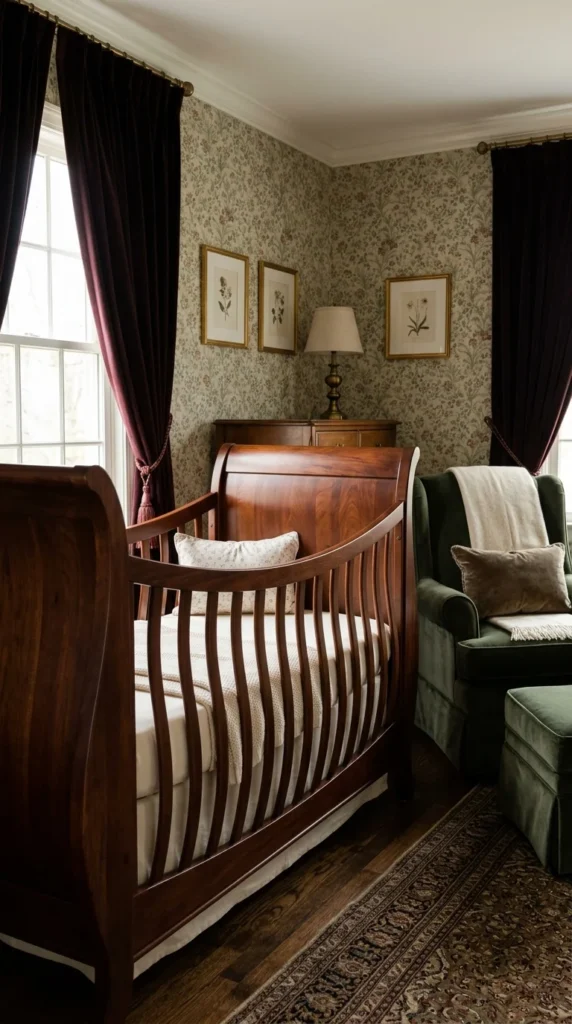
The sleigh crib is the height of nursery traditionalism. Characterized by its gracefully curved ends, it mimics the shape of a classic horse-drawn sleigh. This style is often heavier and more substantial than others, making it a great “anchor” piece for a large, formal nursery.
10. Rustic Reclaimed
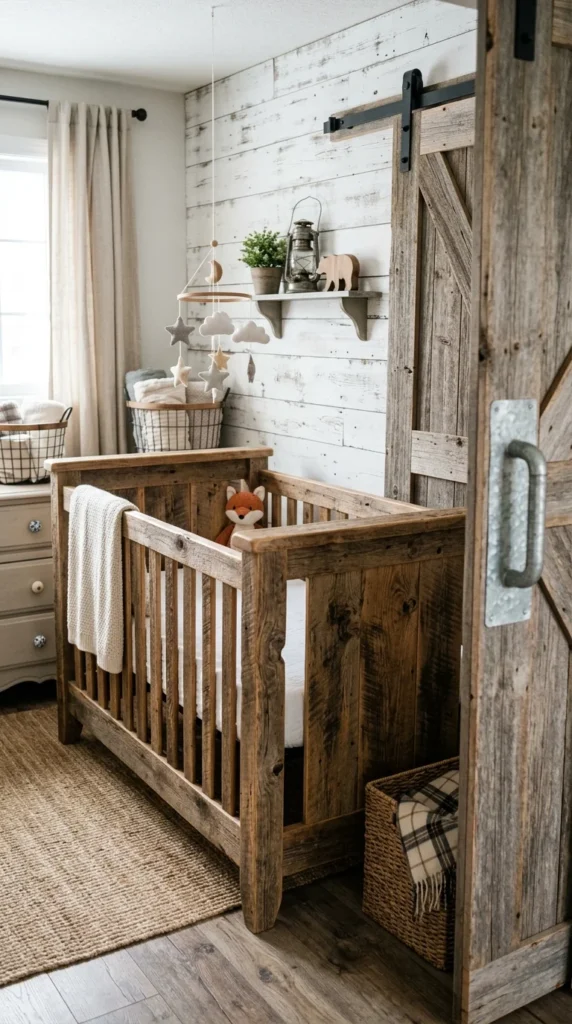
If you love the farmhouse or industrial look, a reclaimed wood crib is a stunning choice. These pieces often feature “perfectly imperfect” details like knots, grain variations, and a weathered texture. It brings an instant sense of history and warmth to the nursery, making the room feel cozy and lived-in.
11. Mini-Crib
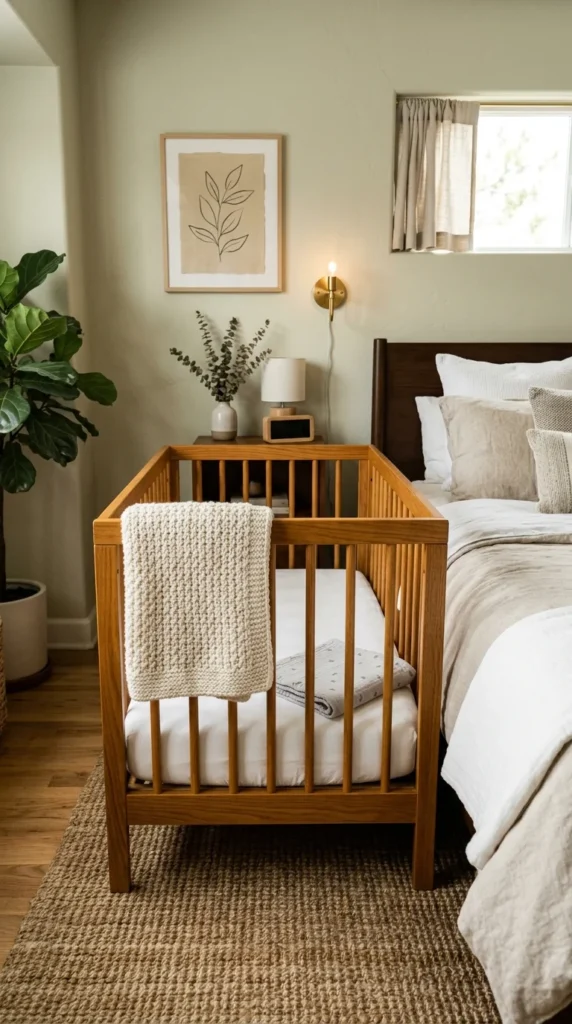
Not every nursery has sprawling square footage. The wooden mini-crib is a lifesaver for urban apartment dwellers or parents who plan to room-share. Despite its smaller footprint, it maintains all the safety and style of a full-sized crib, proving that you don’t have to sacrifice aesthetics for space.
12. Acrylic Accents
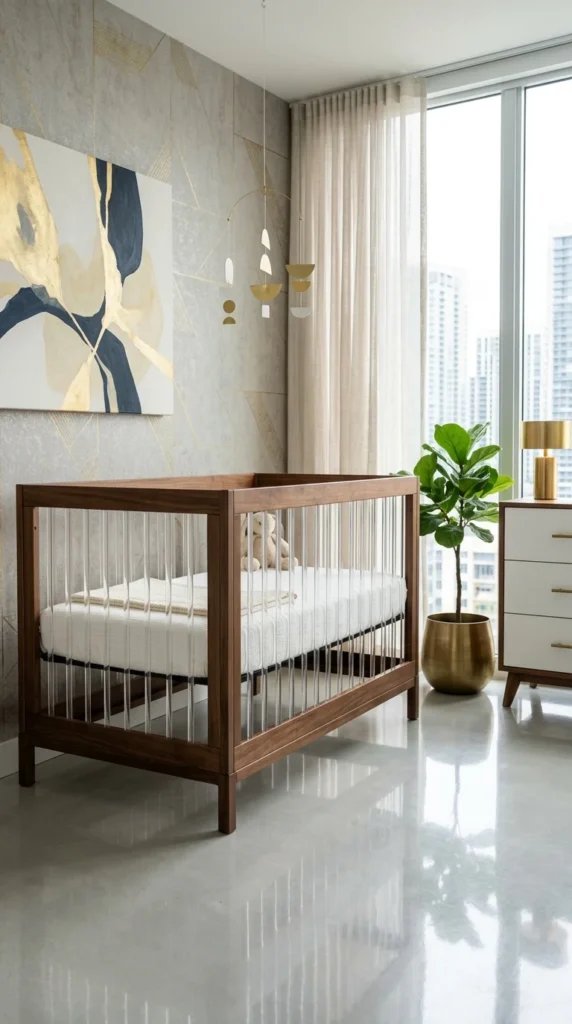
For the modern parent, combining wood with acrylic is a game-changer. The clear slats provide an unobstructed view of your sleeping baby from across the room, while the wooden frame keeps the piece feeling warm and grounded. It’s a futuristic look that feels light and airy.
13. Rattan Detail
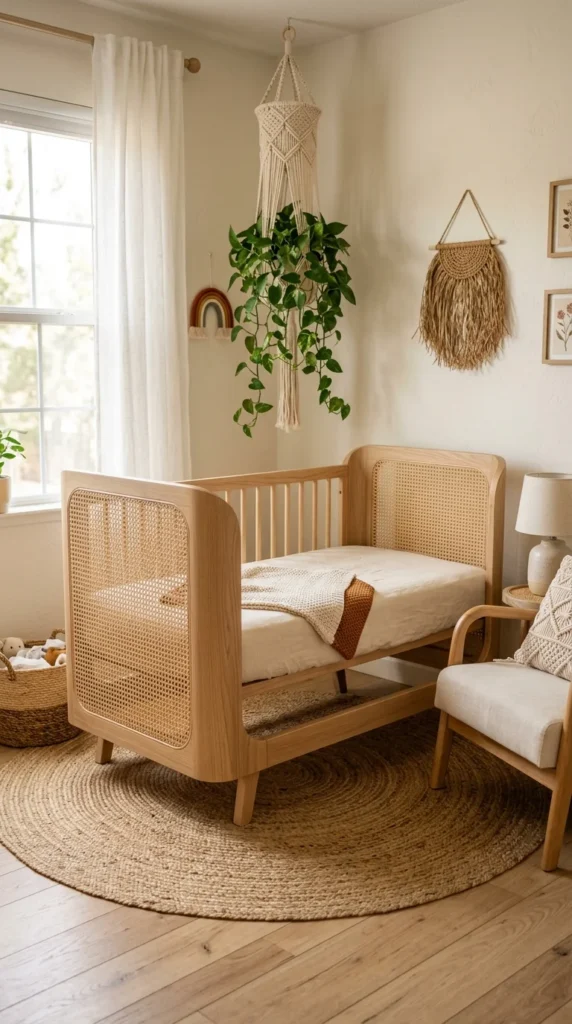
Rattan and cane are making a massive comeback. A wooden crib with rattan inserts adds a beautiful organic texture to the nursery. This look is perfect for a bohemian or coastal-themed room. The breathable weave of the rattan also allows for excellent airflow, which is a great functional benefit.
14. House Frame
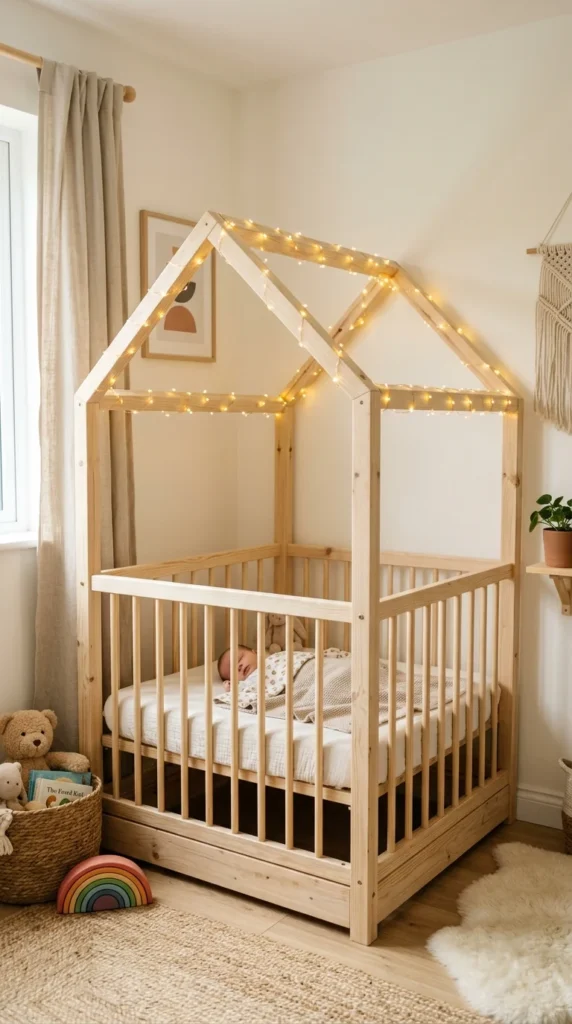
Encourage a sense of play and wonder with a house-frame crib. These structures extend the vertical posts to create a “roof” silhouette over the mattress. It creates a cozy “room within a room” feel for your baby and can be decorated with fabric canopies or light mobiles to create a magical sleeping nook.
15. White Washed
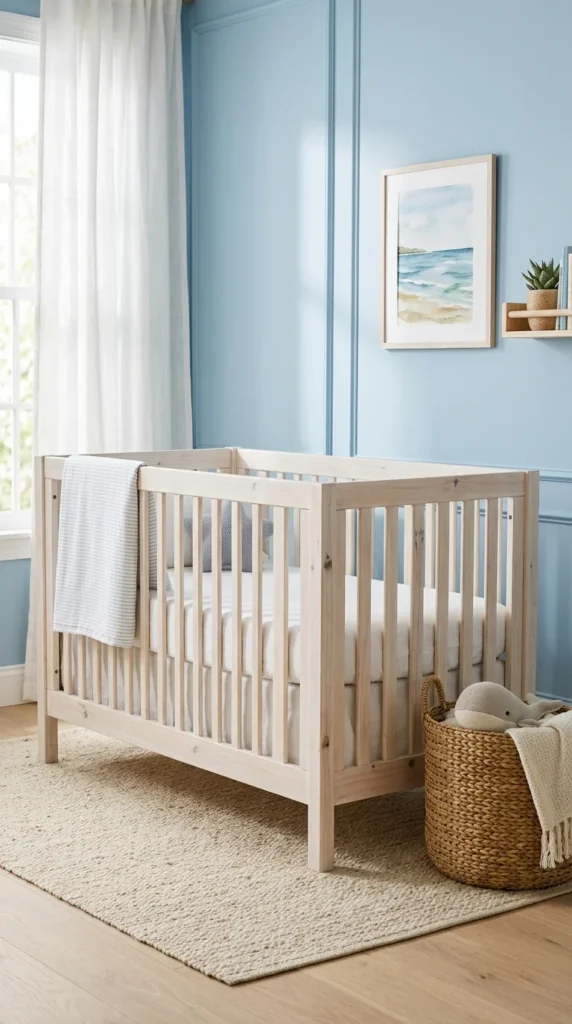
White-washing is a technique that provides the brightness of white furniture while retaining the texture of the wood grain. It’s less stark than a solid white paint and fits perfectly in a “shabby chic” or coastal nursery. It pairs beautifully with soft pastels and nautical decor.
16. Walnut Elegance
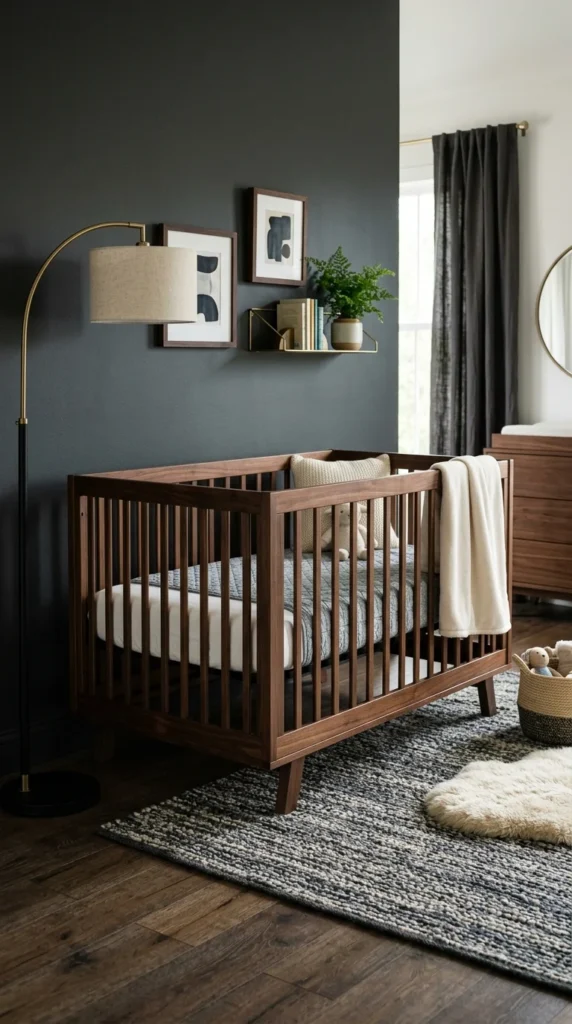
Walnut is often considered the “king of woods” for furniture. Its deep, rich chocolate tones and straight grain give off an air of luxury and high-end craftsmanship. A walnut crib doesn’t need much styling; the wood itself is the star of the show. It’s a piece that feels more like fine furniture than a temporary baby item.
17. Spindle Railing
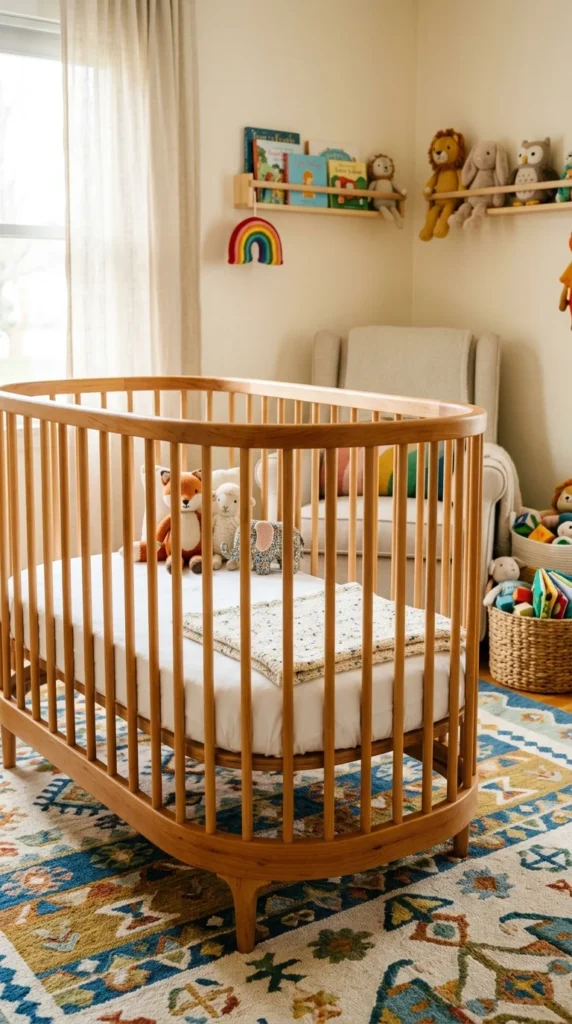
While similar to the Jenny Lind, modern spindle cribs often feature straight, unadorned circular dowels. This creates a rhythmic, vertical pattern that looks clean and contemporary. It’s a great way to add visual interest to the room without using heavy, solid panels.
18. Folding Portability
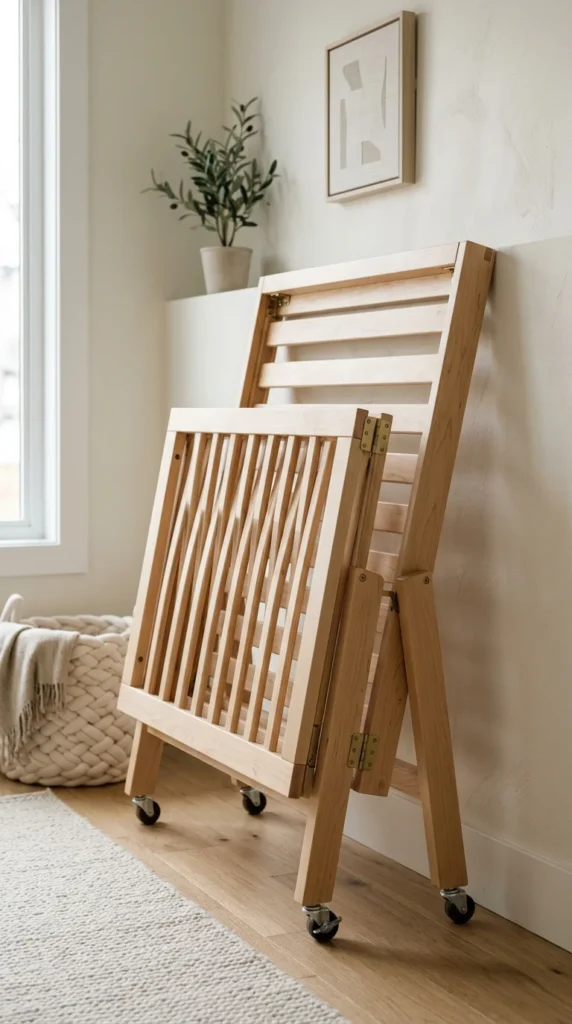
For grandparents’ houses or homes where the nursery might occasionally double as a guest room, a folding wooden crib is an ingenious solution. These cribs are designed to collapse for easy storage under a bed or in a closet, yet they offer the same stability and safety as a standard crib when locked into place.
19. Geometric Cutouts
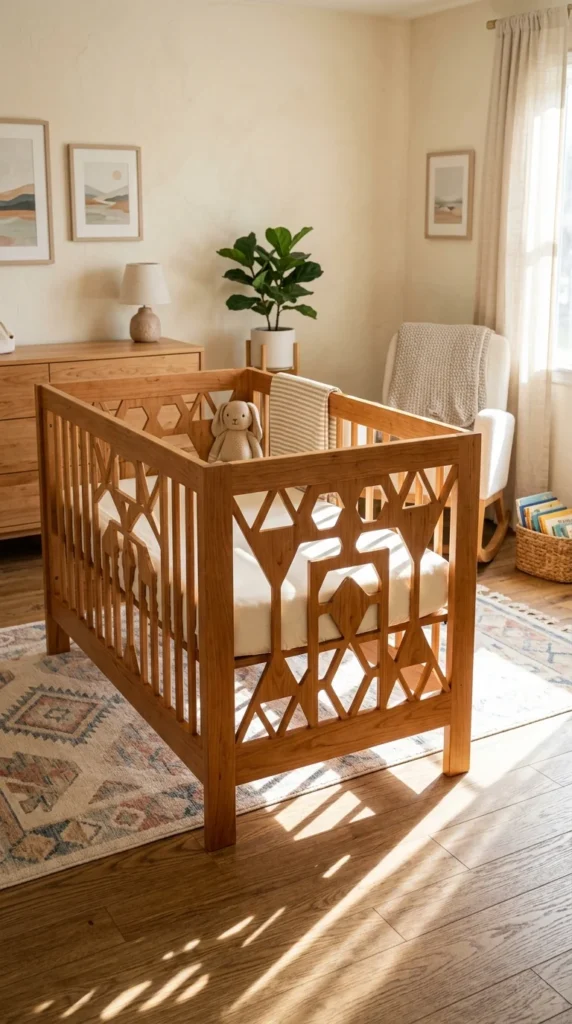
Some modern wooden cribs move away from traditional slats in favor of solid panels with geometric cutouts. These could be circles, triangles, or abstract patterns. Not only do these provide the necessary ventilation and visibility, but they also cast beautiful shadows in the room during the golden hour.
20. Cane Paneling
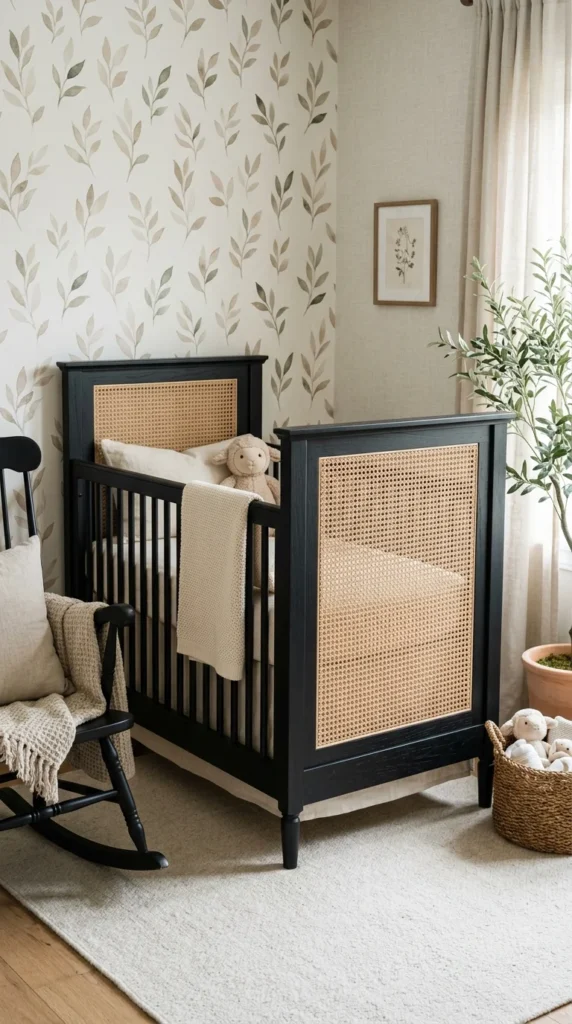
Cane paneling offers a more refined, vintage European look than chunky rattan. It’s tight, intricate, and feels very high-end. A wooden crib with cane details fits perfectly in a “grandmillennial” nursery, where traditional styles are celebrated with a fresh, modern twist.
21. Raw Edge
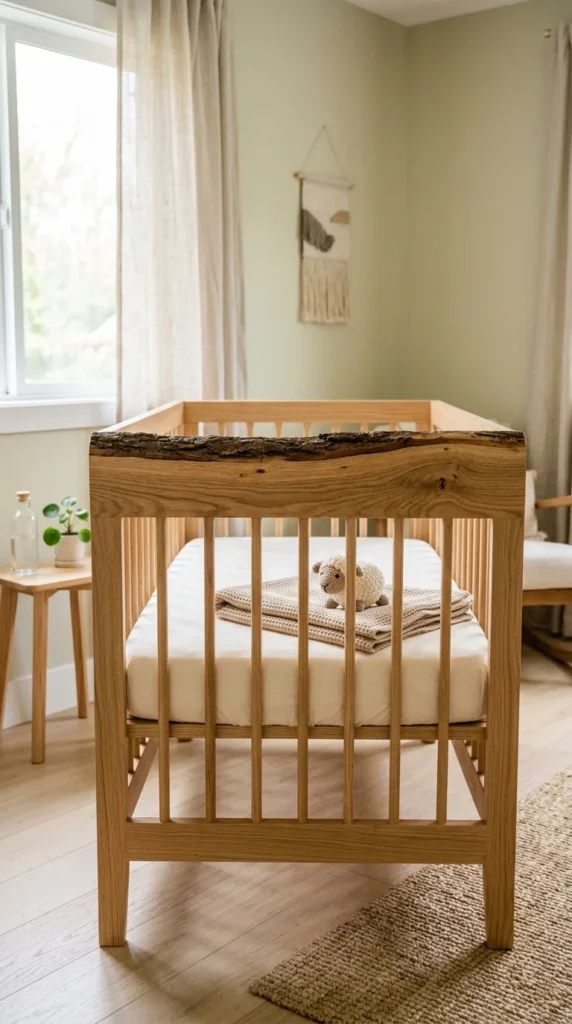
For a truly one-of-a-kind piece, a raw-edge (or live-edge) crib is a showstopper. These are usually custom-built or artisanal pieces that celebrate the natural shape of the tree. It brings a rugged, artistic, and completely unique element to the nursery that can’t be found in big-box stores.
22. Navy Stained
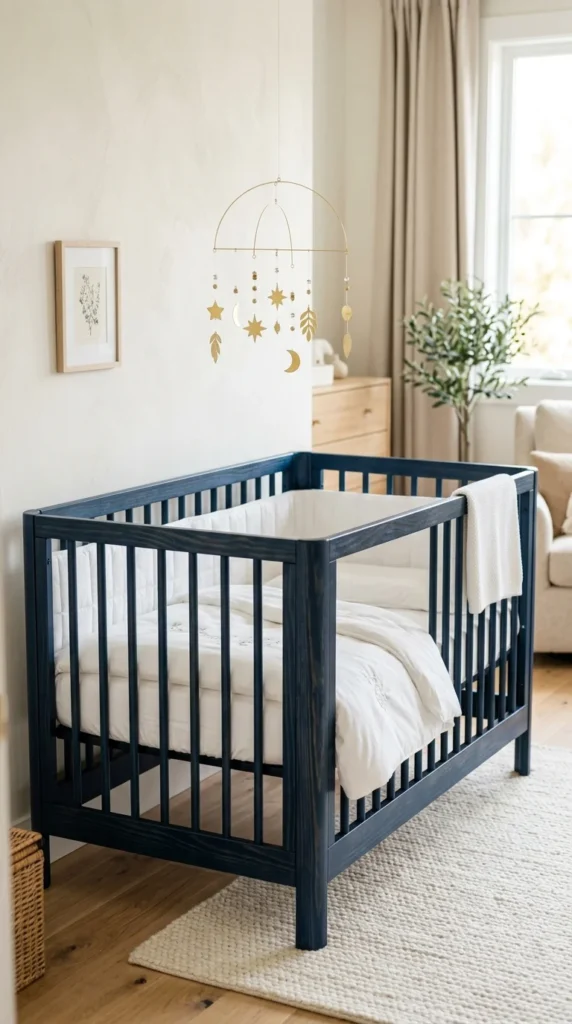
If you want color but still want the texture of wood, a colored stain is the answer. Navy blue is a popular choice for “boy” or gender-neutral nurseries. Unlike paint, which sits on top of the wood, a stain sinks in, highlighting the natural beauty of the timber while adding a sophisticated pop of color.
23. Modern Wingback
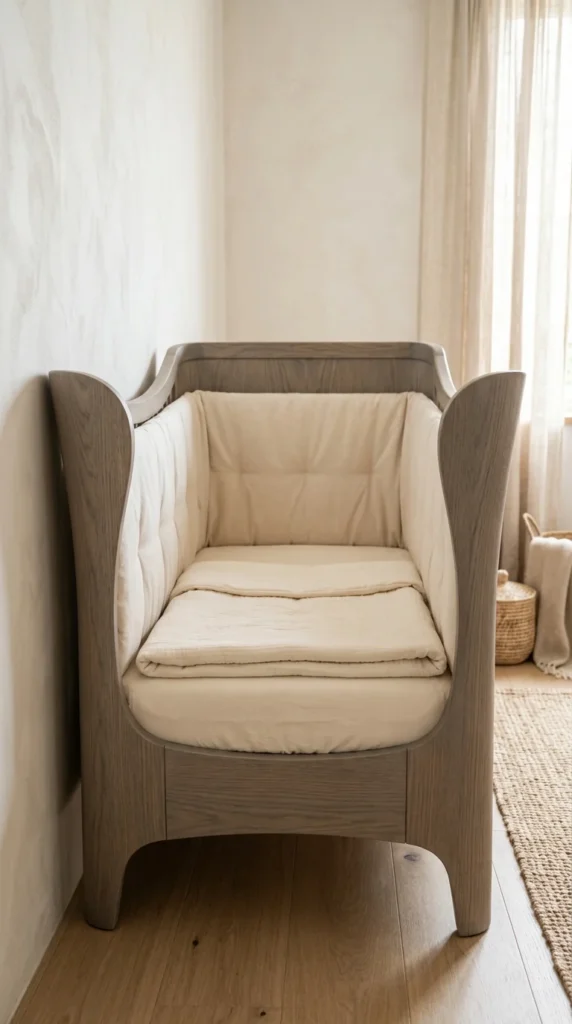
The wingback crib is a contemporary take on the traditional cradle. The high, curved sides provide a sense of security and enclosure for the baby. It’s a very architectural design that looks best in a room with clean lines and high-quality textiles.
24. Vintage Grey
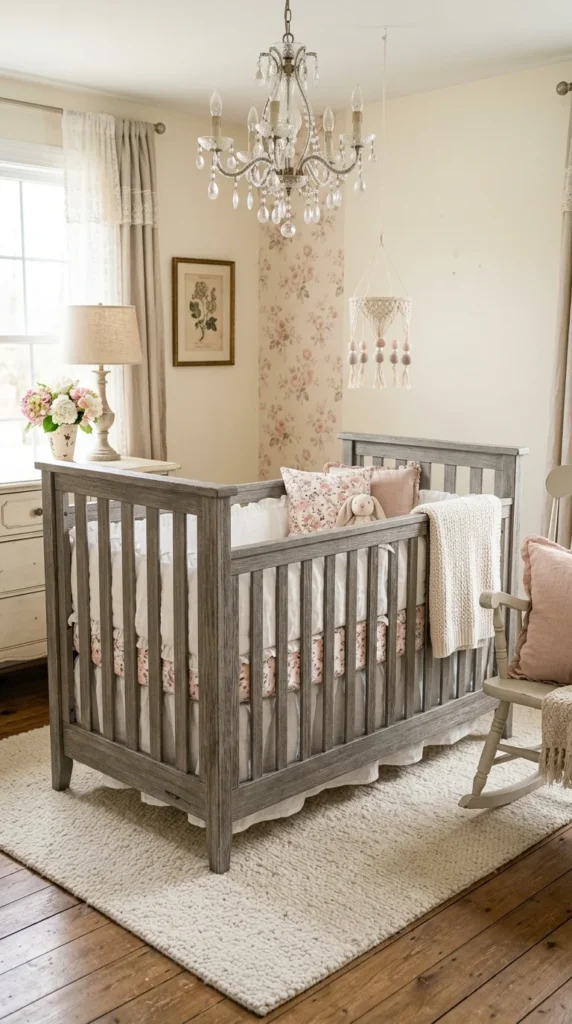
Grey wood finishes—often called “driftwood” or “weathered grey”—are perfect for creating a calming, neutral palette. This finish hides dust and scratches exceptionally well and provides a soft alternative to the warmth of traditional browns or the brightness of whites.
25. X-Base Design
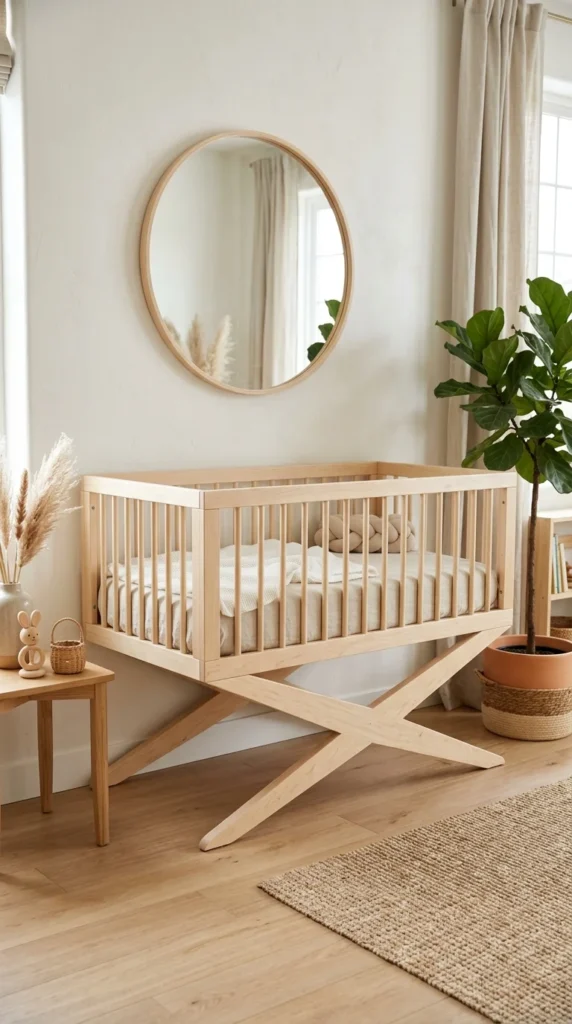
For a crib that feels more like a piece of designer furniture, look for an X-base frame. This architectural base adds a level of visual interest and “cool factor” to the crib. It’s a favorite for parents who love modern interior design and want their nursery to match the rest of their contemporary home.
26. Maple Simplicity
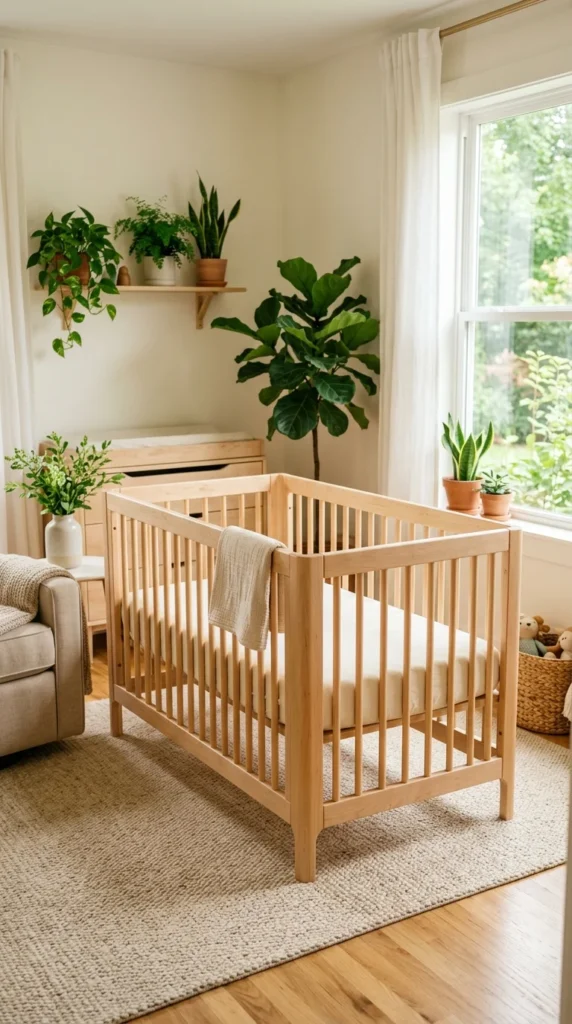
Maple is a incredibly hard, dense wood with a very fine, smooth grain. Because it lacks the heavy “pitting” or grain of oak, it feels very smooth to the touch and has a very clean, uniform look. It’s the perfect middle ground between the pale look of pine and the yellow tones of oak.
27. Circular Crib
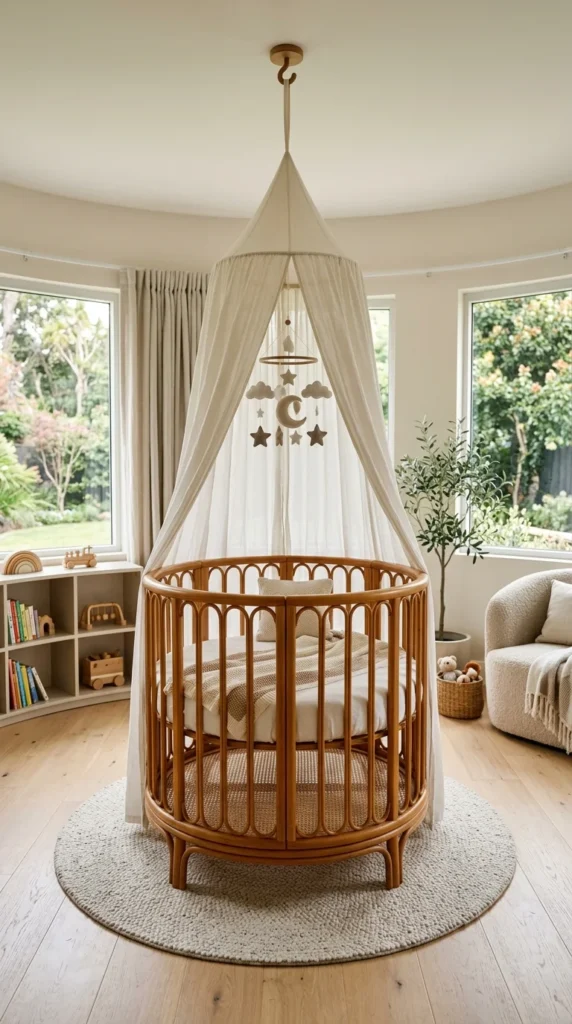
While rare, circular wooden cribs are the ultimate statement of luxury. By removing corners, the crib becomes the literal center of the room. It offers a 360-degree view for the baby and creates a soft, flowy vibe in the nursery. It’s perfect for larger rooms where the crib can be placed away from the walls.
28. Teak Outdoor-Style
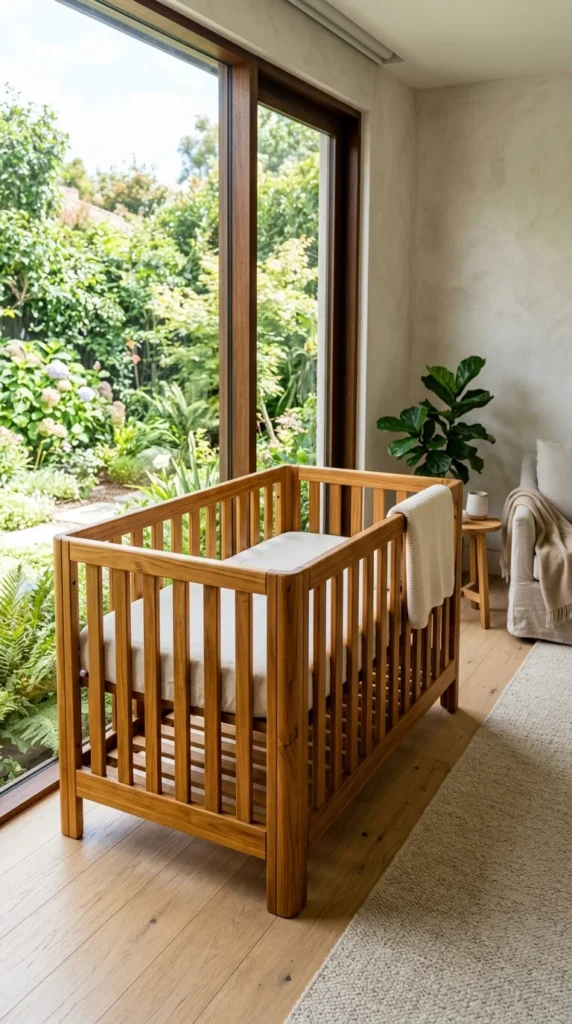
Teak is famous for its durability and high oil content, making it resistant to almost everything. A teak crib has a distinct golden-brown color that richens over time. Its sturdy, weather-resistant nature gives it a “solid as a rock” feel that provides immense peace of mind for parents looking for the most robust wood option available.