
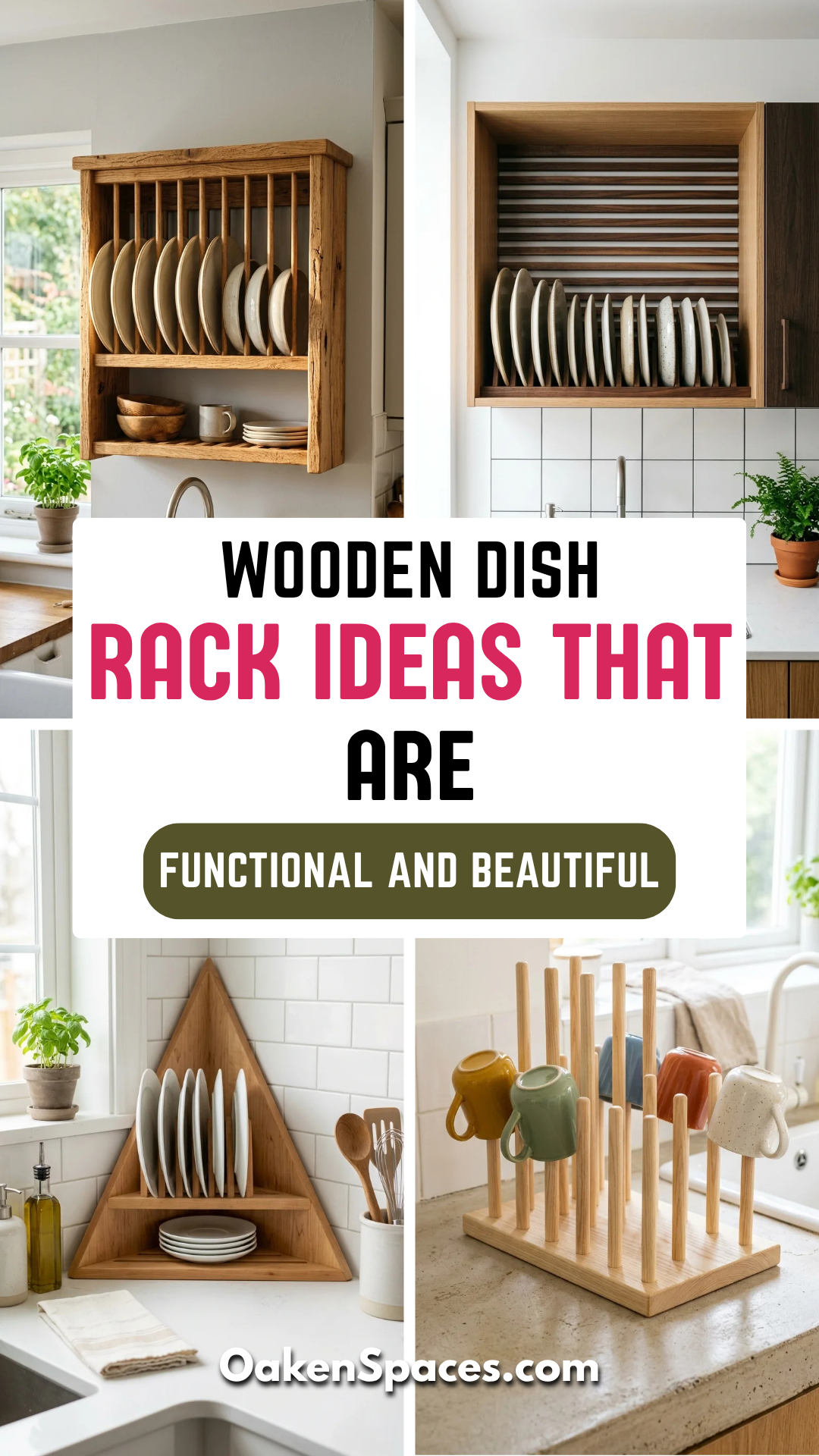
In the world of kitchen organization, the humble dish rack is often overlooked as a mere utility. However, as interior design leans further into “warm minimalism” and “organic modernism,” the wooden dish rack has emerged as a true star. Unlike their plastic or stainless steel counterparts, wooden dish racks bring a sense of earthiness, warmth, and artisanal charm to the heart of the home.
Whether you are looking to save space in a tiny apartment or want to add a rustic touch to a sprawling farmhouse kitchen, wood—specifically bamboo, teak, and acacia—offers durability and natural water resistance. Here are 16 wooden dish rack ideas that prove functionality and beauty can live in perfect harmony.
1. Bamboo Folding
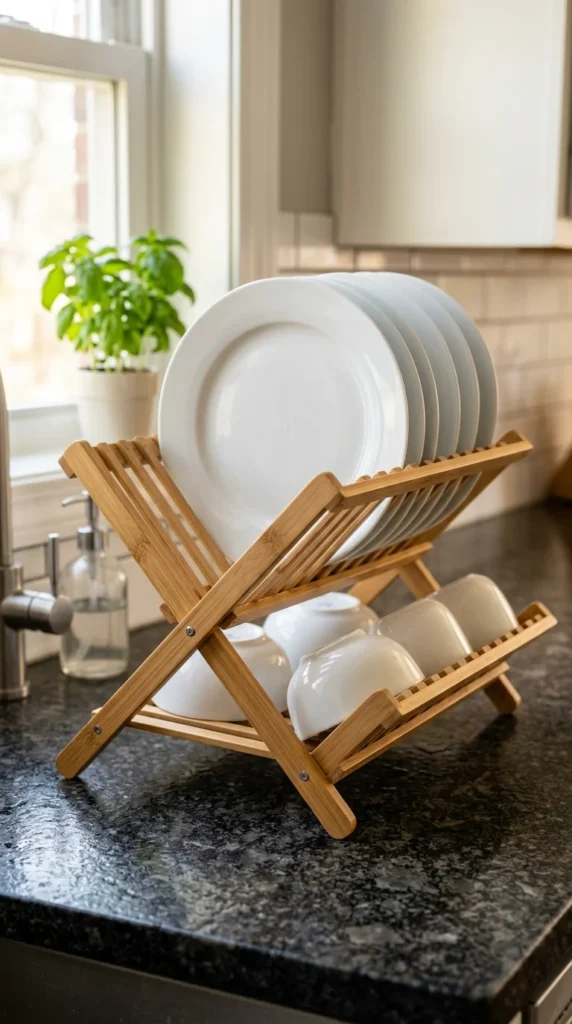
The bamboo folding rack is a timeless classic for a reason. Its “X” shape allows it to be collapsed and tucked away in seconds, making it the ultimate choice for those who value clear countertops. Bamboo is naturally antimicrobial and highly resistant to moisture, which is essential for a tool that spends its life around water. This design typically features two tiers: the top for large plates and the bottom for bowls, cups, or smaller side plates.
2. Teak Minimalist
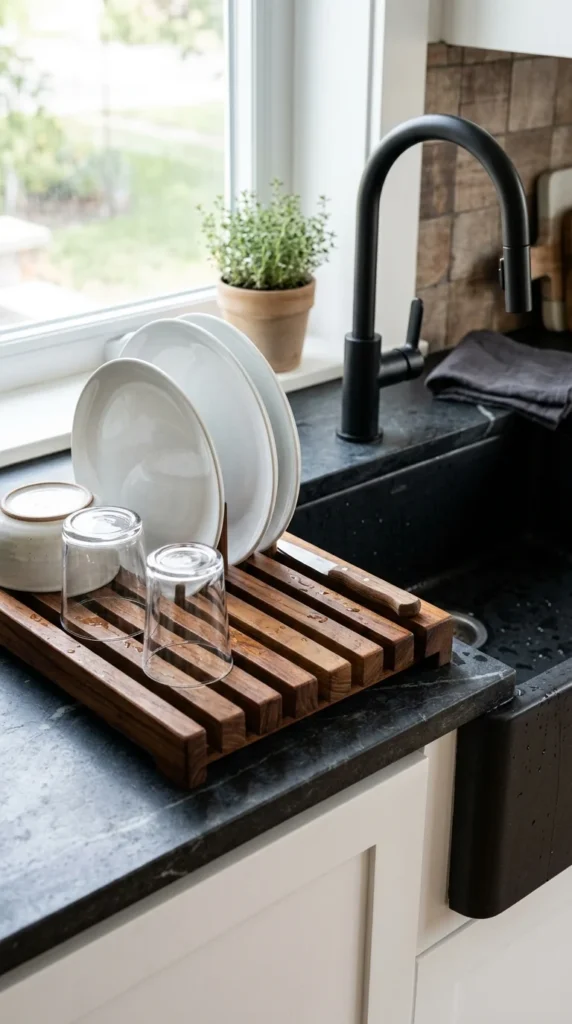
Teak is the gold standard for wet environments. Often used on boat decks and in high-end outdoor furniture, teak contains natural oils that repel water and prevent rot. A teak minimalist rack focuses on thick, sturdy slats and a low center of gravity. It doesn’t just dry your dishes; it serves as a piece of sculpture on your counter. Over time, teak develops a beautiful patina, making it a long-term investment for your kitchen.
3. Acacia Tiers
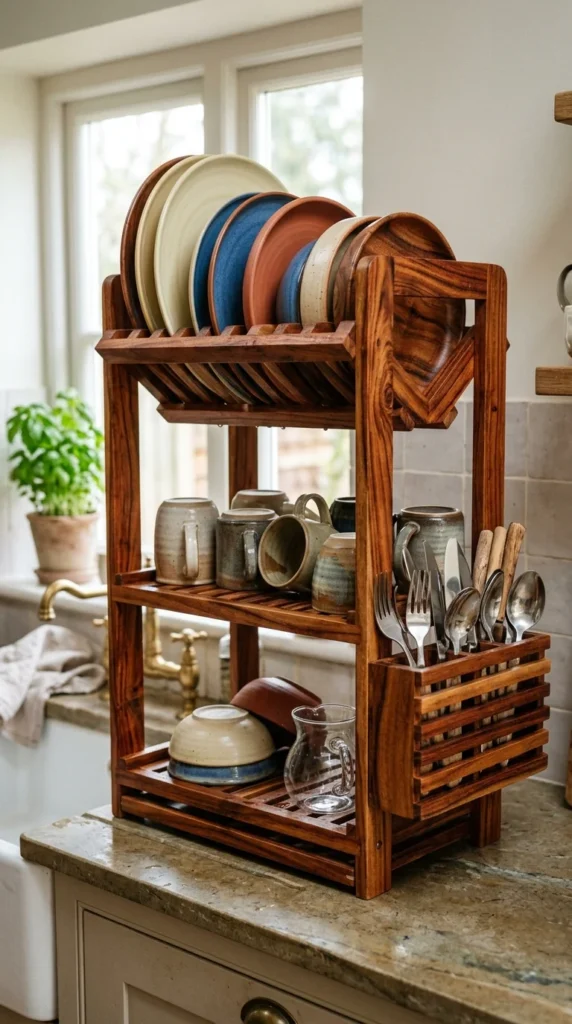
Acacia wood is known for its dramatic grain patterns and varied color palette, ranging from light amber to deep mahogany. A tiered acacia rack maximizes vertical space, which is a lifesaver in kitchens with limited counter real estate. By stacking your drying dishes upward rather than outward, you leave more room for meal prep. The inherent strength of acacia ensures that even when fully loaded with heavy stoneware, the rack remains stable.
4. Wall-Mounted Oak
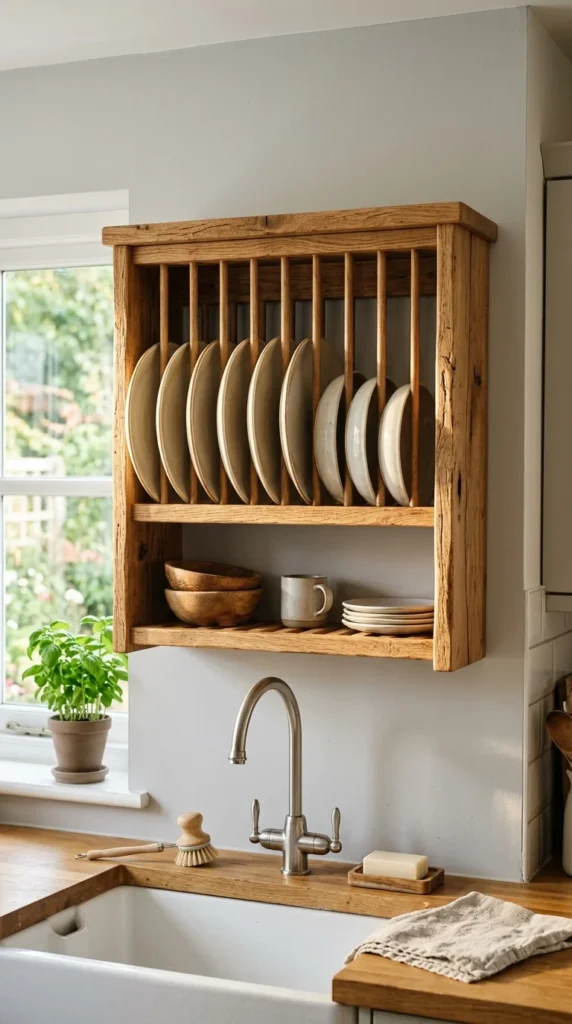
If you want to free up your counter space entirely, look toward the walls. A wall-mounted oak rack harks back to traditional European kitchens. This design allows water to drip directly into the sink (if mounted correctly) or onto a drying mat below. It doubles as a display piece for your favorite artisanal plates, turning your everyday dinnerware into a wall of art.
5. Reclaimed Farmhouse
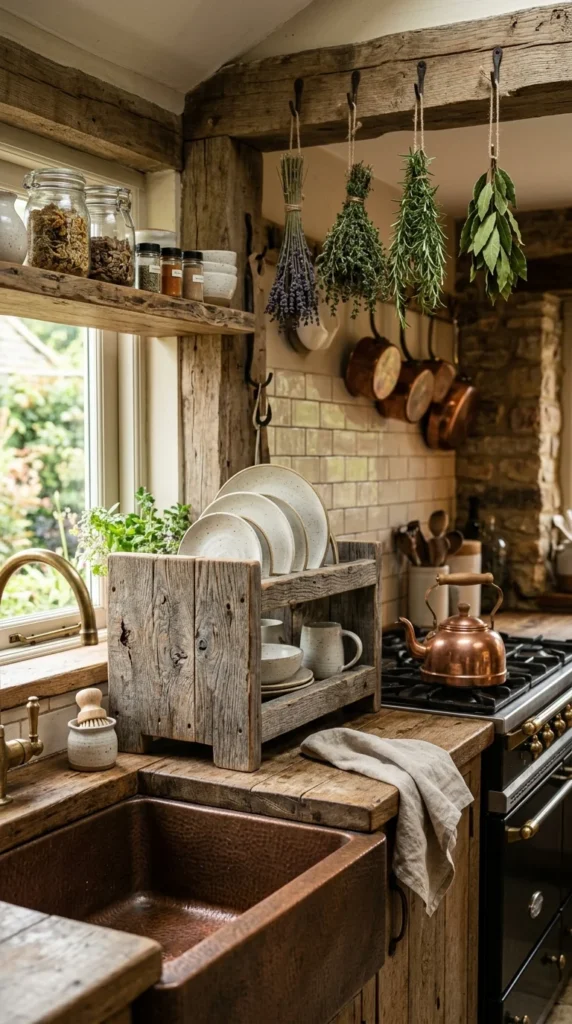
For those who love the “cottagecore” or farmhouse aesthetic, a reclaimed wood rack is the perfect fit. These racks are often handmade and carry the history of the timber they were built from. The slightly imperfect textures and weathered finishes provide a sense of soul that mass-produced items lack. To ensure longevity, these are usually treated with food-safe oils that protect the wood from warping.
6. Compact Corner
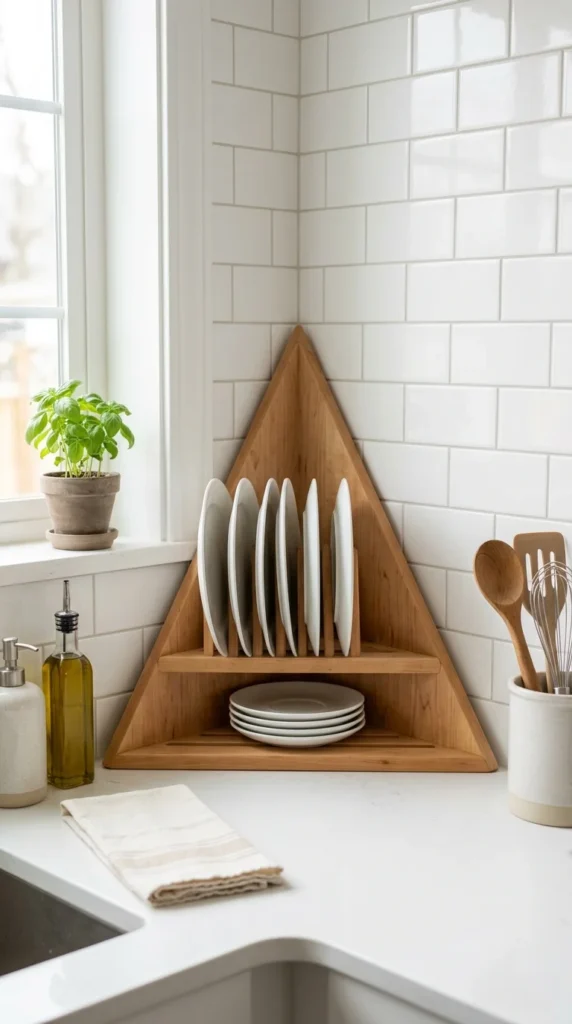
Kitchen corners are often “dead zones” where clutter accumulates. A compact corner rack utilizes this often-wasted space perfectly. By hugging the corner of the backsplash, it stays out of the way of your main prep area while still providing ample room for the dishes from a meal for two. It’s a genius solution for studio apartments and tiny homes.
7. Over-the-Sink Bridge
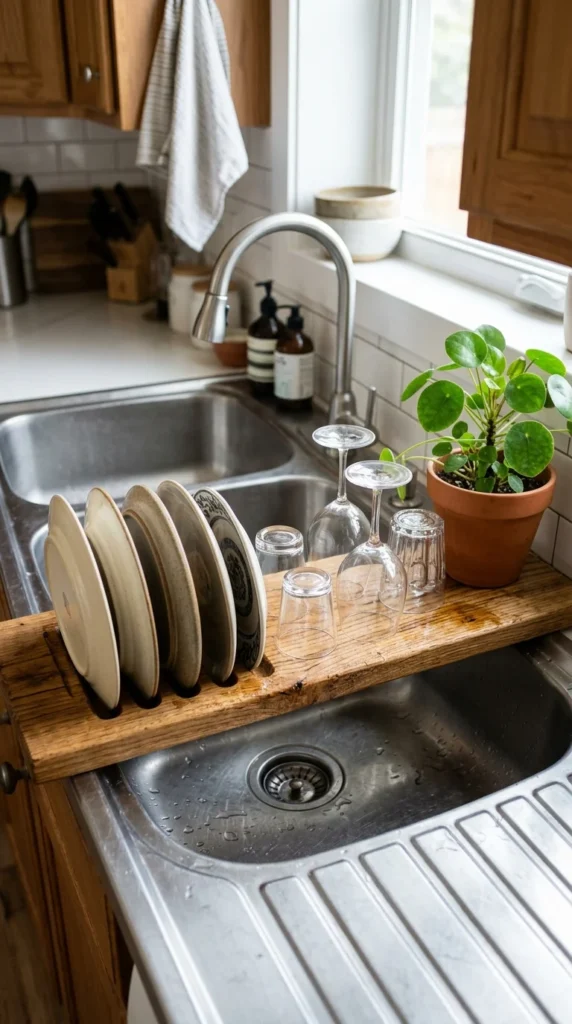
The over-the-sink bridge is the height of functional design. It utilizes the space directly above the basin, meaning water drips straight down the drain rather than pooling on your counter. This eliminates the need for a messy drain board. Made from water-resistant woods like cedar or teak, these bridges are as practical as they are visually striking.
8. Vertical Dowel
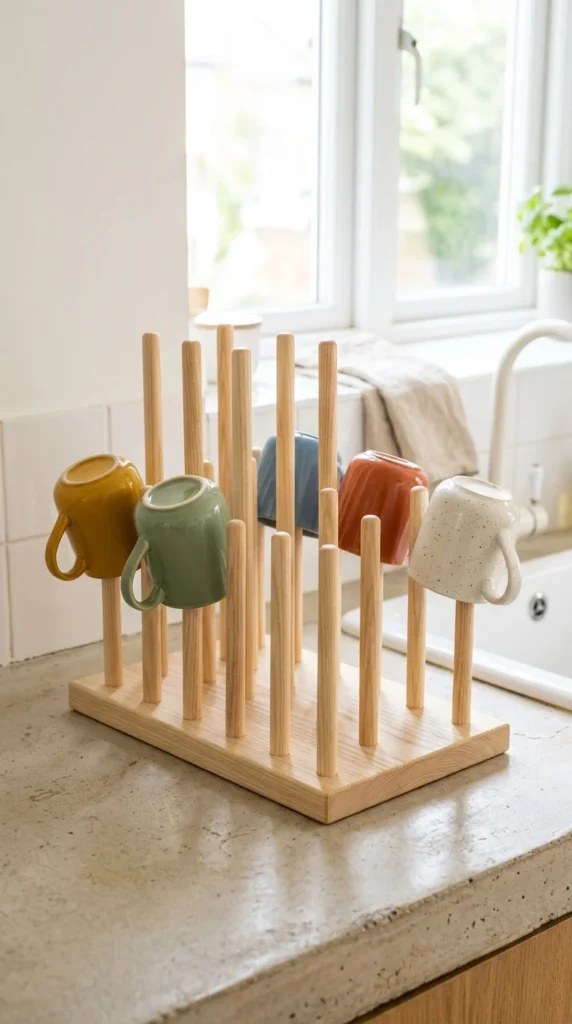
The vertical dowel rack is a masterclass in Scandinavian simplicity. Instead of traditional slats, this design uses rounded pegs or dowels to hold dishes in place. This makes it incredibly versatile; you can dry plates between the pegs or flip cups and glasses over them. The open-air design allows for maximum airflow, which means your dishes dry faster and more hygienically.
9. Dark Walnut
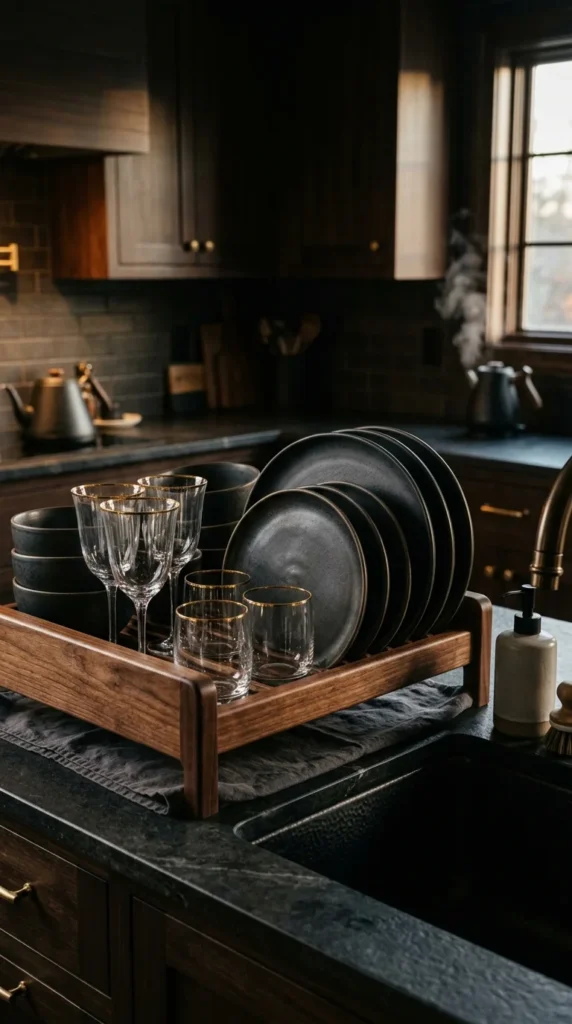
If your kitchen features dark cabinetry or industrial accents, a light bamboo rack might look out of place. Enter the dark walnut rack. Walnut offers a deep, chocolatey hue that screams luxury. It provides a stunning contrast against white subway tiles or marble. While walnut requires a bit more maintenance (periodic oiling), its aesthetic payoff is unparalleled.
10. Integrated Silverware
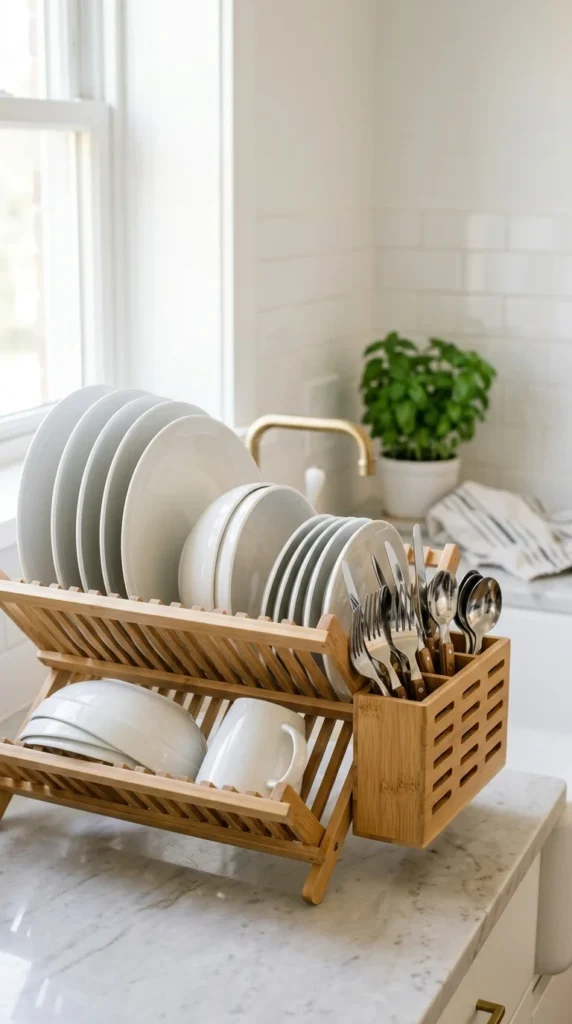
One common complaint about wooden racks is the lack of a place for cutlery. This idea solves that by integrating a matching wooden silverware caddy. These caddies usually feature holes or slats at the bottom for drainage. By keeping everything in one cohesive unit, your countertop stays organized and your aesthetic remains uninterrupted by mismatched plastic baskets.
11. Circular Carousel
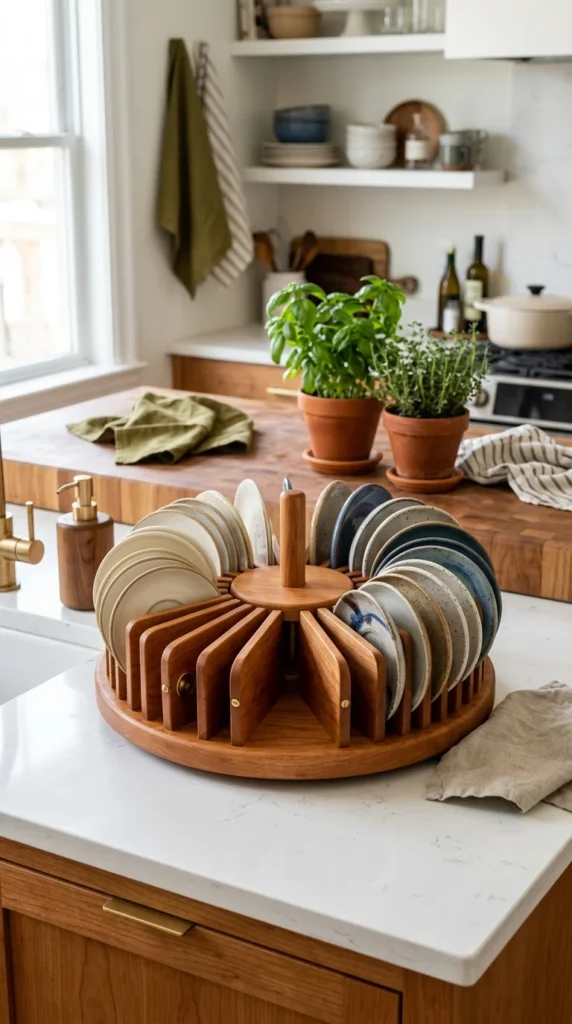
For the homeowner who loves a conversation piece, the circular carousel rack is a rare but beautiful find. Much like a Lazy Susan, it can be rotated to access different sections. This is particularly useful if the rack is tucked into a deep counter or an island where you might want to reach it from multiple sides.
12. Floating Slat
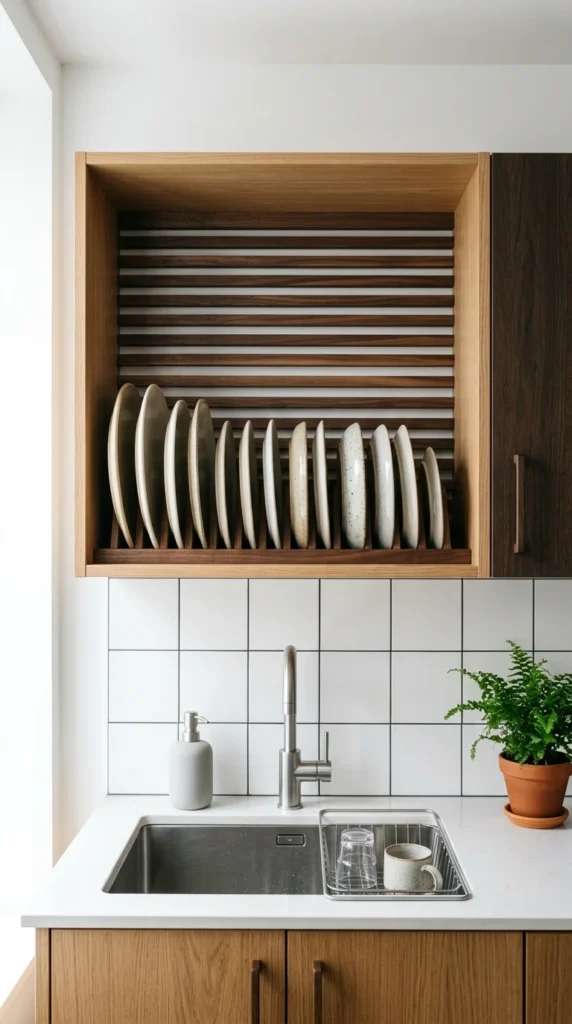
The floating slat system is a built-in architectural feature. Instead of a standalone rack, the drying slats are integrated directly into the cabinetry or a dedicated wall niche. This “hidden” drying system is popular in high-end custom kitchens, as it keeps the mess of drying dishes completely off the counters and tucked away in a designated, ventilated area.
13. Horizontal Plate Cradle
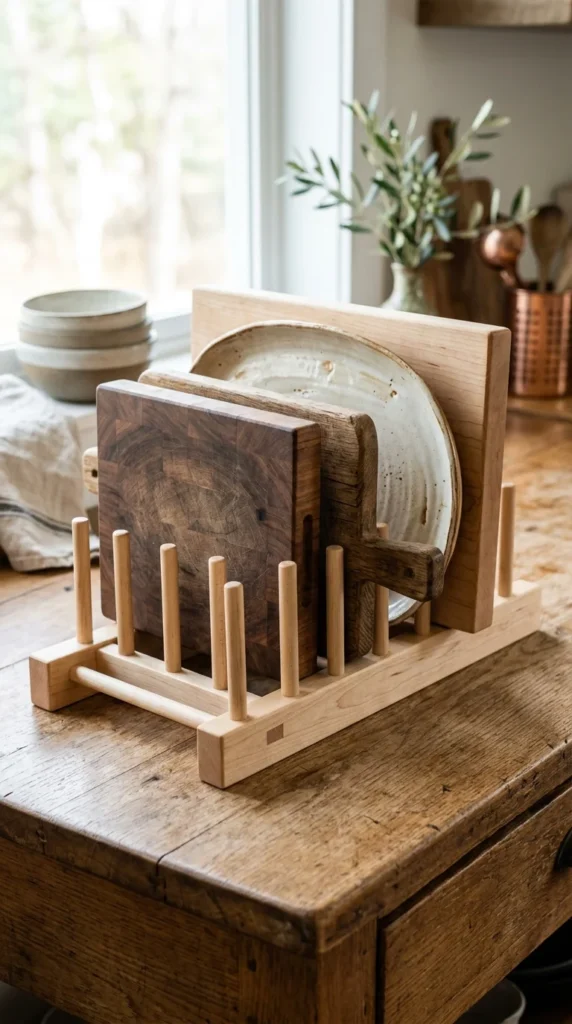
Sometimes you don’t need a full rack; you just need a place for the heavy hitters. The horizontal cradle is designed specifically for large platters, pizza stones, and wooden cutting boards that don’t fit in standard racks. Its low profile makes it very stable, ensuring that your heavy heirloom serving tray won’t tip over while drying.
14. Mid-Century Modern
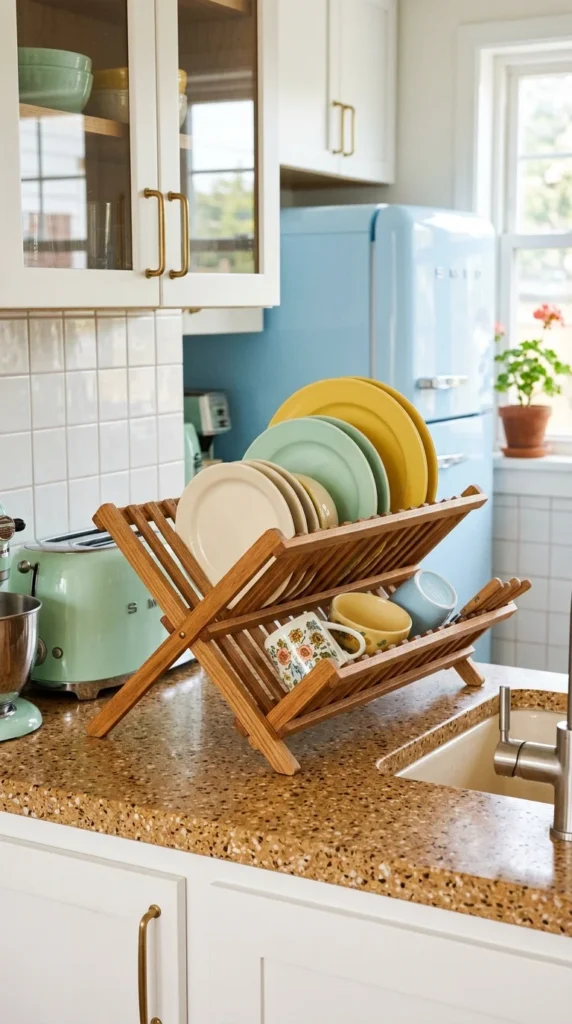
Mid-century modern design isn’t just for sideboards and coffee tables. This style of dish rack features the iconic tapered legs and geometric angles associated with the 50s and 60s. It’s an excellent way to maintain a consistent design language throughout your home, ensuring that even your utility items match your vintage-inspired decor.
15. Geometric Slat
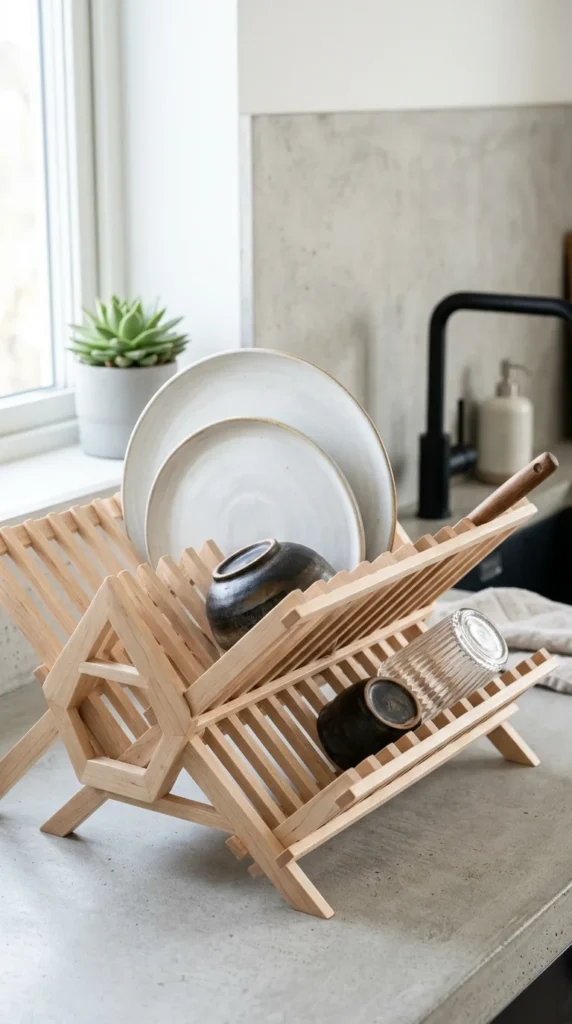
For the ultra-modern kitchen, a geometric slat rack offers a departure from traditional “picket fence” styles. These racks use interlocking pieces of wood to create a complex, visual grid. While they are highly functional, they are designed to look beautiful even when they are completely empty, acting as a decorative object on your counter.
16. Driftwood Aesthetic
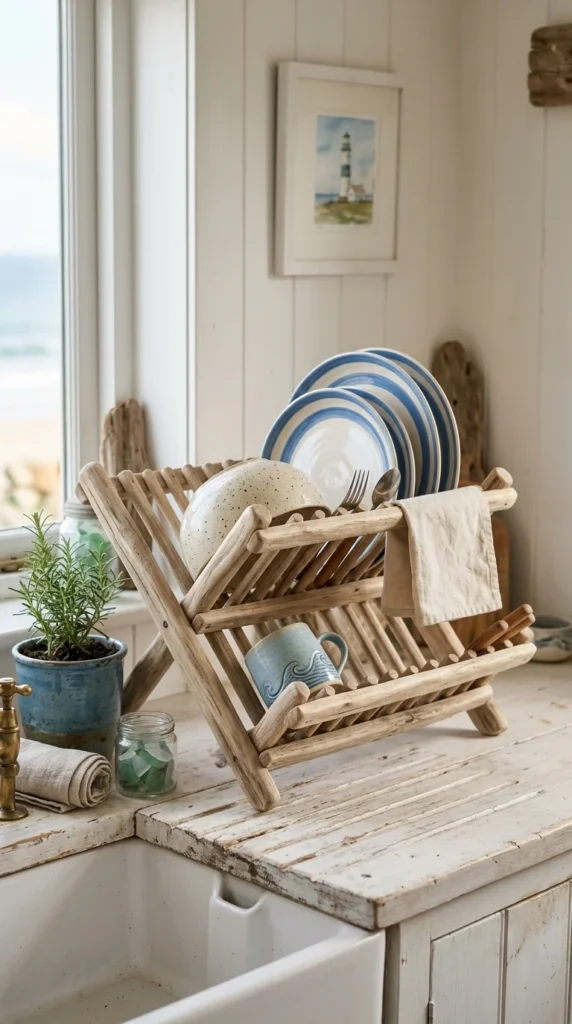
Perfect for beach houses or coastal-inspired interiors, the driftwood-style rack uses wood that has been treated to look weathered and soft. It lacks the sharp corners of traditional joinery, opting instead for organic shapes and a matte, pale finish. It brings a sense of the outdoors in, making the chore of doing dishes feel just a little bit more like a vacation.