
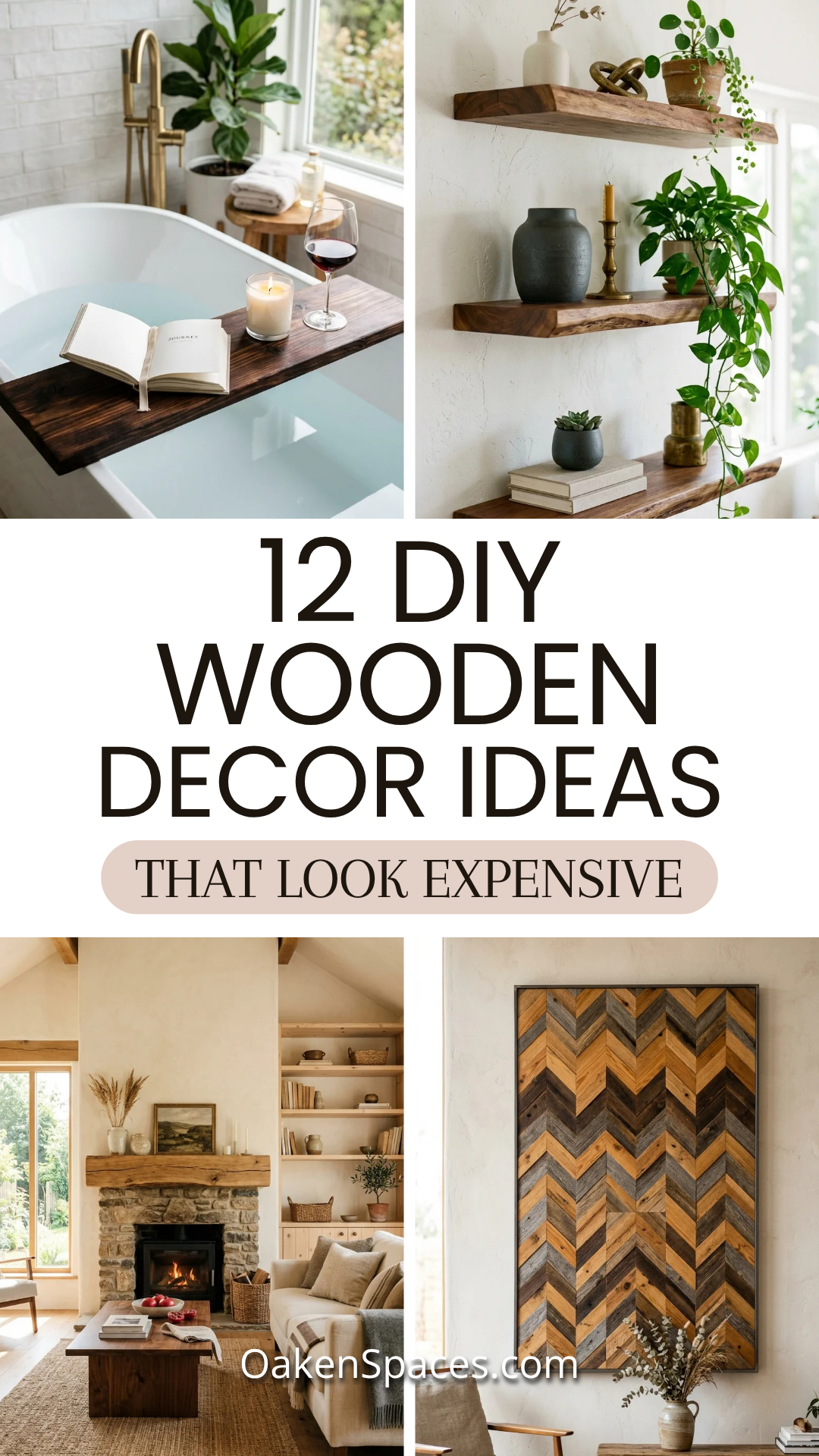
There is a distinct difference between a house filled with mass-produced furniture and a home curated with thoughtful, handmade pieces. Wood, as a medium, possesses an inherent warmth and timelessness that no other material can replicate. When you craft your own wooden decor, you aren’t just saving money—you are infusing your space with character and a sense of “quiet luxury.”
The secret to making DIY projects look expensive lies in the details: the choice of wood, the quality of the finish, and the intentionality of the design. By focusing on these elements, you can create high-end pieces that rival boutique showroom finds. Here are 12 DIY wooden decor ideas to elevate your home.
1. Floating Shelves
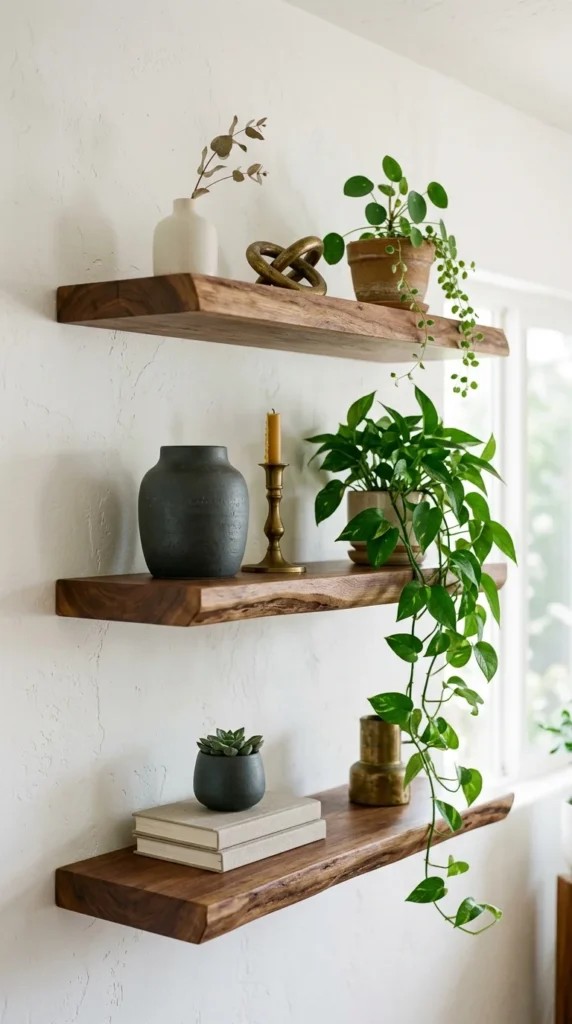
Floating shelves are a staple of modern interior design, but the “expensive” look comes from the thickness and the wood species. Instead of thin plywood, opt for thick “chunky” slabs of hardwoods like white oak, walnut, or reclaimed timber.
The lack of visible brackets creates a seamless, architectural look that feels built-in rather than added on. To achieve the high-end finish, ensure the wood is sanded to a high grit and treated with a matte clear coat or furniture wax. This preserves the natural beauty of the grain without the “plastic” look of high-gloss polyurethane.
2. Bathtub Caddy
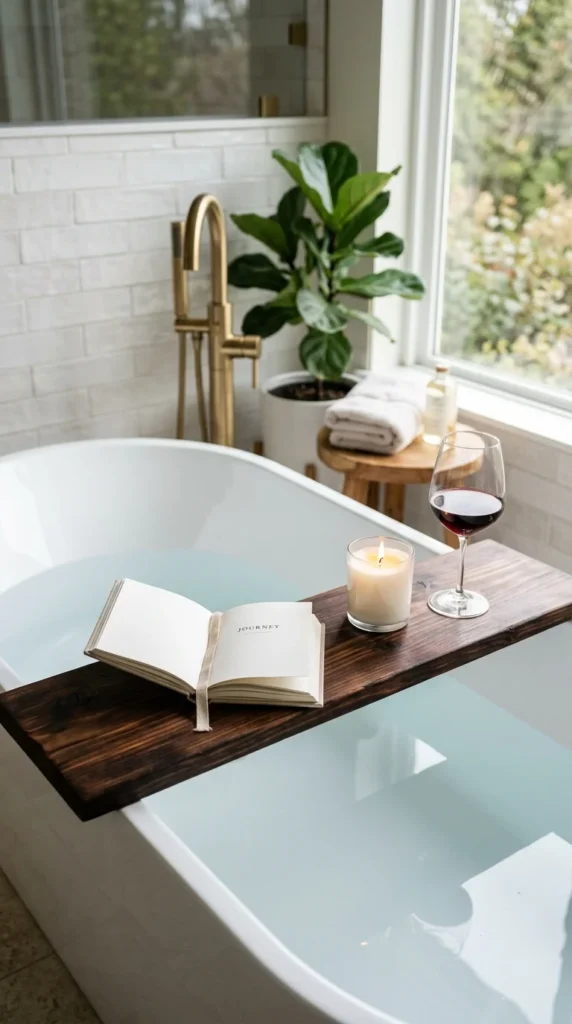
Nothing says “luxury” like a spa-inspired bathroom. A DIY bathtub caddy is a simple project that yields immediate results. Use a water-resistant wood like cedar or teak to ensure longevity in a humid environment.
To make it look bespoke, incorporate custom features: a routed groove for a tablet or book, a circular cutout for a wine glass base, and perhaps a small recessed area for a candle. The key is a deep, rich stain that complements your bathroom tile, making the tub area feel like a high-end retreat.
3. Slat Wall
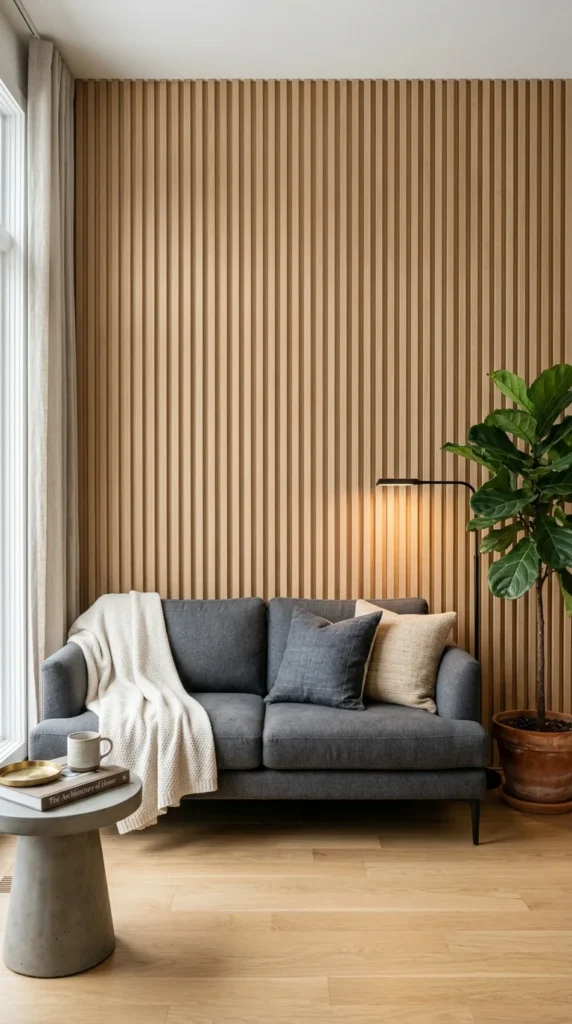
Wooden slat walls are a favorite among interior designers for adding architectural interest and acoustic benefits. By using thin, vertical strips of wood (like pine or oak) over a dark-painted wall or felt backing, you create a sophisticated “fluted” effect.
This project looks expensive because it adds depth and texture to a room that would otherwise be flat. Precision is vital here; using a spacer to ensure every slat is perfectly parallel is the difference between a professional-looking installation and a DIY mess.
4. Blanket Ladder
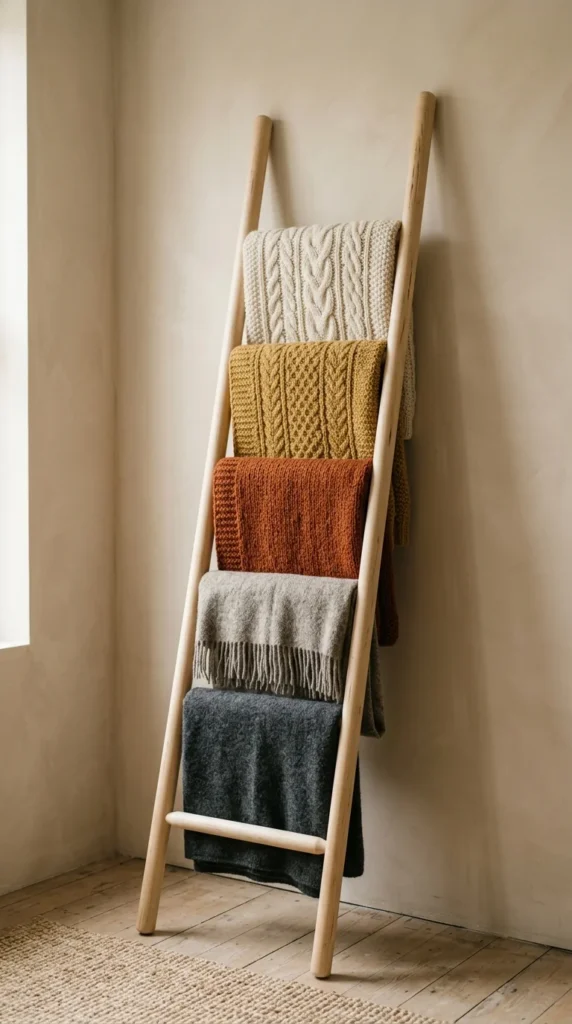
The blanket ladder is a classic for a reason—it’s functional art. To make it look more like a high-end furniture piece and less like a construction tool, focus on the joinery and the shape.
Instead of simple rectangular rungs, consider using round dowels or even tapered sides. Sanding the edges to a soft, rounded finish gives the wood a “soft” appearance that invites touch. Use a light-colored wood like maple or birch to keep the look airy and modern, perfect for a Scandi-inspired living room.
5. Wall Art
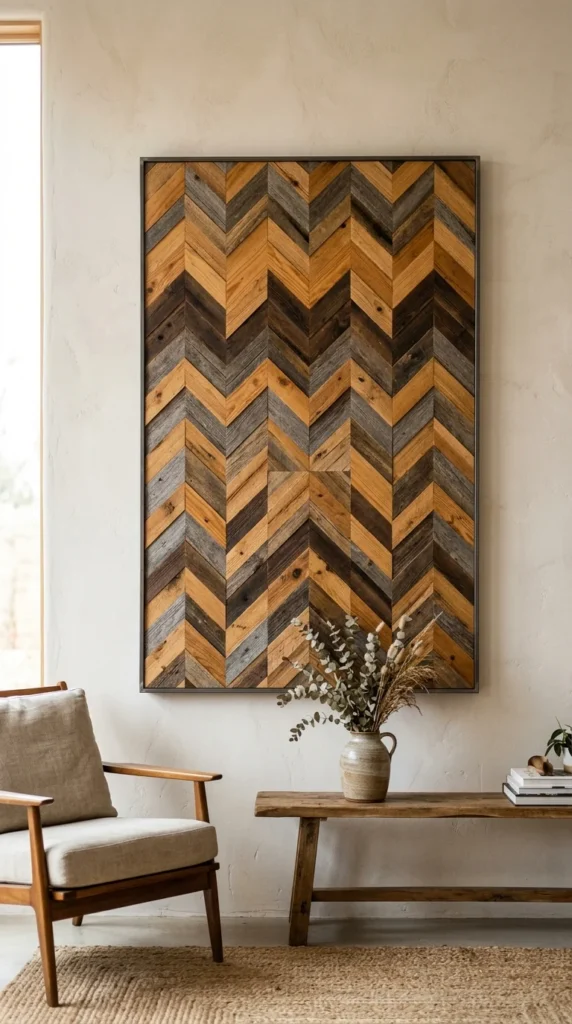
High-end galleries often feature textured wooden wall art that costs thousands. You can replicate this by using scrap wood or lath strips to create geometric patterns.
The “expensive” secret here is the play of shadows and grain. By varying the thickness of the wood pieces, you create a 3D effect that changes as the light in the room shifts. Staining different sections in contrasting but complementary tones (like ebony and natural oak) adds a level of complexity that makes the piece look like a professional commission.
6. Dough Bowl
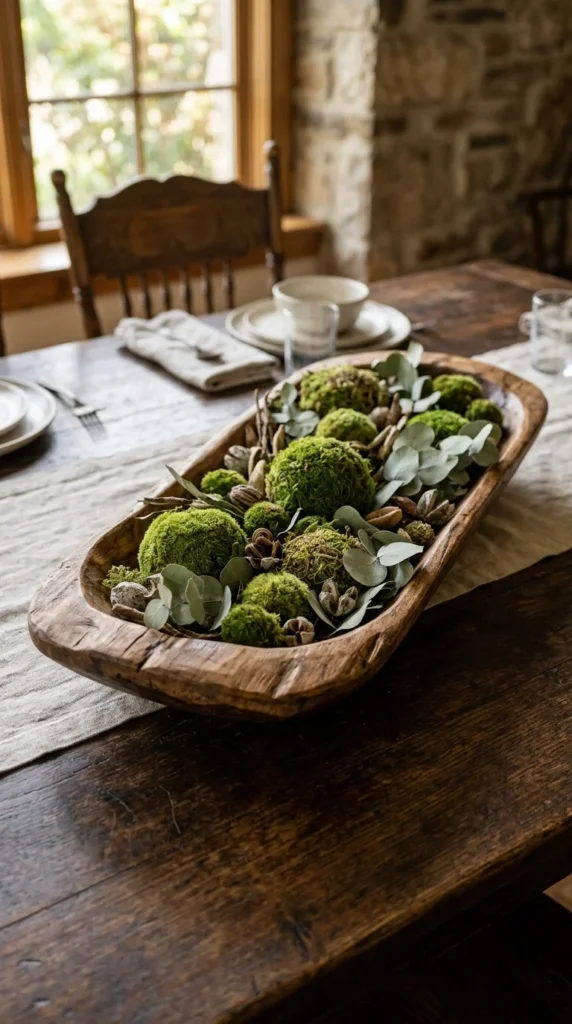
Hand-carved dough bowls are prized in farmhouse and traditional decor for their organic shapes. While you can buy them, making one (or a “lookalike” version) allows you to customize the size for your specific table.
If you aren’t a master carver, you can start with a thick slab of soft wood and use a power carver or a grinder with a wood-shaping disc. The beauty of these bowls is in their imperfection. A dark, weathered finish with a bit of “distressing” makes the piece look like a family heirloom passed down through generations.
7. Mirror Frame
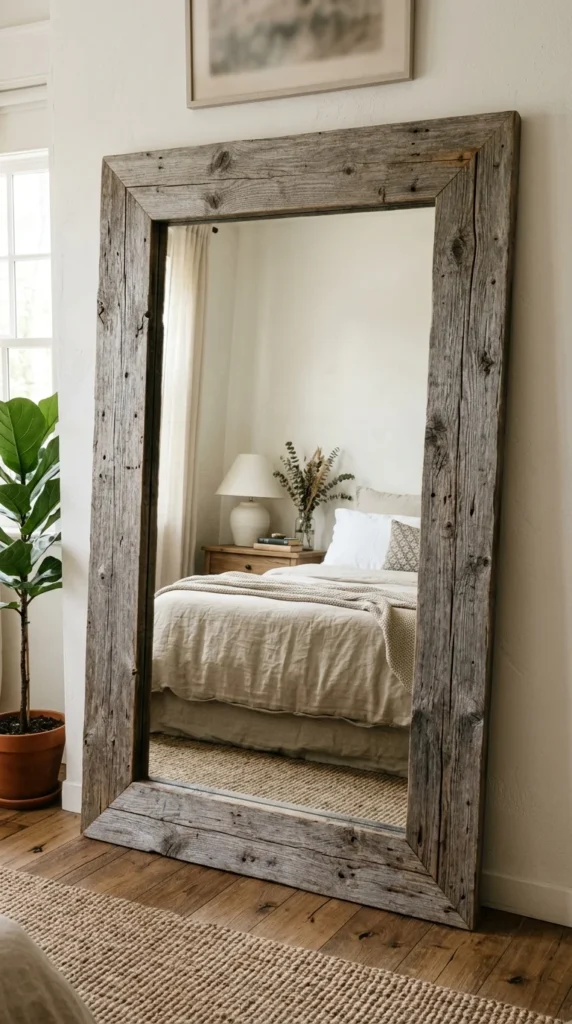
Small mirrors look like accessories; oversized mirrors look like architecture. By taking a basic, cheap full-length mirror and building a massive, chunky frame around it, you transform it into a statement piece.
Using reclaimed wood with plenty of character—think old barn wood or fence pickets—adds an element of history. The contrast between the sleek, reflective glass and the rugged, textured wood is a hallmark of high-end interior design.
8. Floating Nightstand
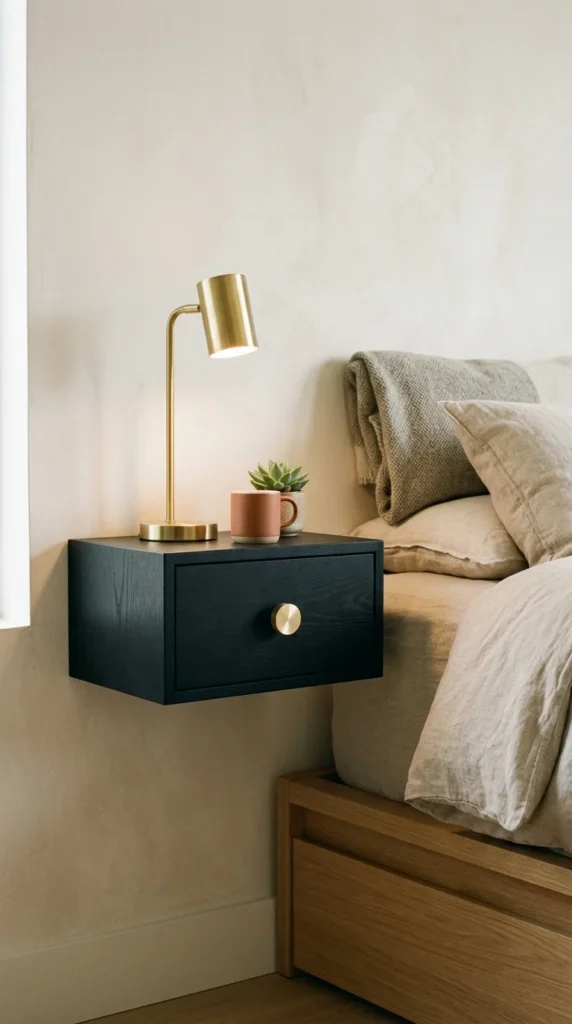
Floating nightstands are the ultimate solution for a clean, minimalist bedroom. They eliminate the “visual clutter” of legs and make the room feel larger.
To achieve a high-end look, use mitered corners (45-degree angles) so that the wood grain appears to “wrap” around the box. This “waterfall” effect is a staple of high-end cabinetry. Adding a piece of sleek hardware, like a solid brass pull or a leather tab, provides the finishing touch that screams “designer.”
9. Candlestick Holders
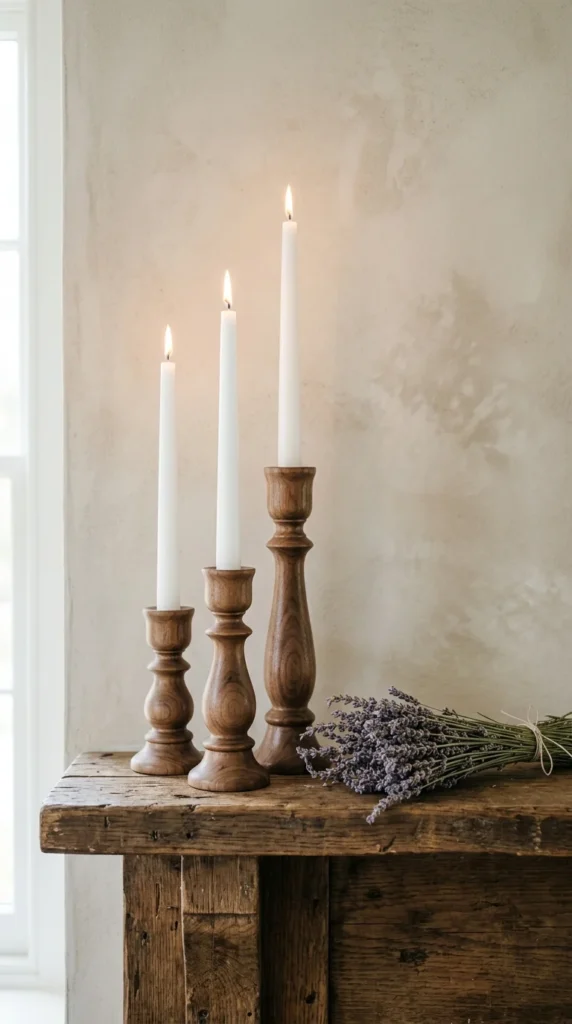
Sculptural wooden candlestick holders are perfect for adding height and elegance to a mantel or dining table. The key is to create a set in varying heights—usually in groups of three.
If you have a lathe, you can create intricate turned designs. If not, you can create modern, geometric holders using thick square blocks of wood stacked and glued together. A uniform finish across the set makes them look like a cohesive collection from a high-end boutique.
10. Serving Tray
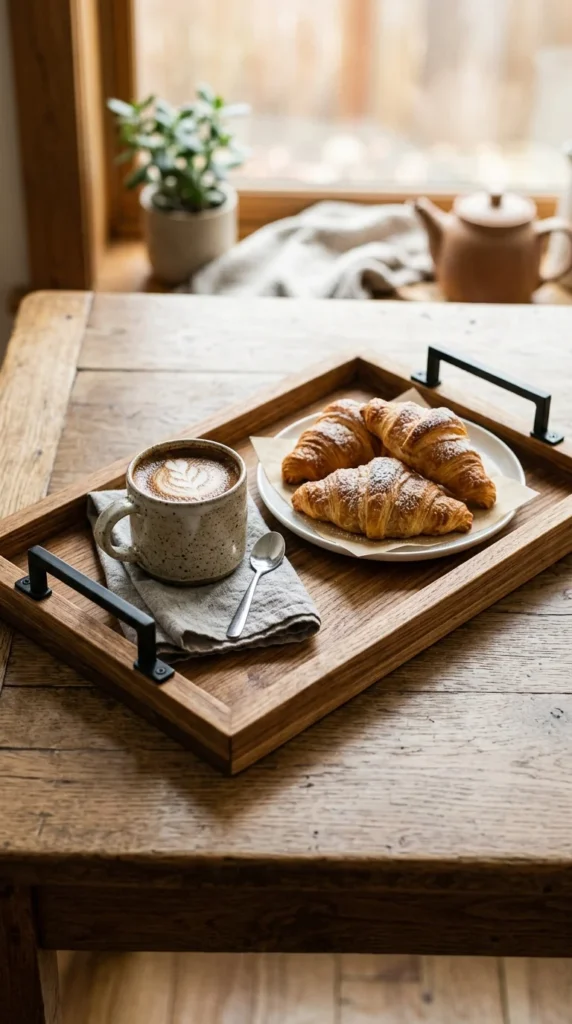
A serving tray is a small detail that makes a big difference in how you experience your home. Whether it’s sitting on an ottoman or being used for breakfast in bed, the material choice is everything.
A tray made from a single, beautiful piece of walnut or cherry wood feels substantial and luxurious. The addition of high-quality hardware—like heavy iron or sleek brushed nickel handles—elevates the project from a “craft” to a “furniture piece.”
11. Plant Stand
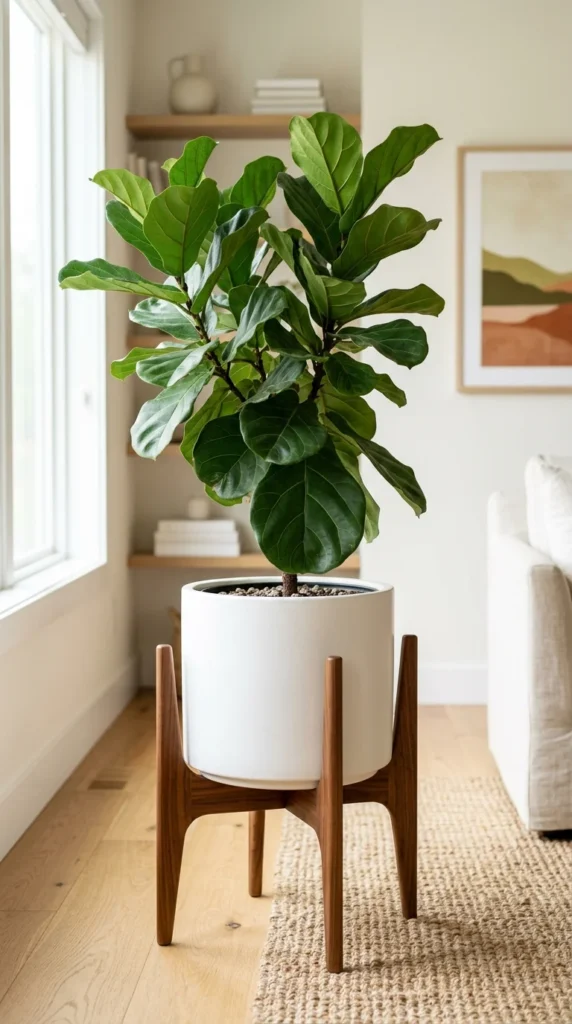
Mid-century modern design is synonymous with “expensive” taste. A simple “X-frame” plant stand with tapered legs is a relatively easy DIY that adds immediate style to a corner.
The trick to the MCM look is the leg shape. Using a lathe or even just careful sanding to taper the legs makes the stand look delicate yet strong. Using a dark wood like mahogany or walnut provides that classic 1950s aesthetic that remains a staple in luxury homes today.
12. Coat Rack
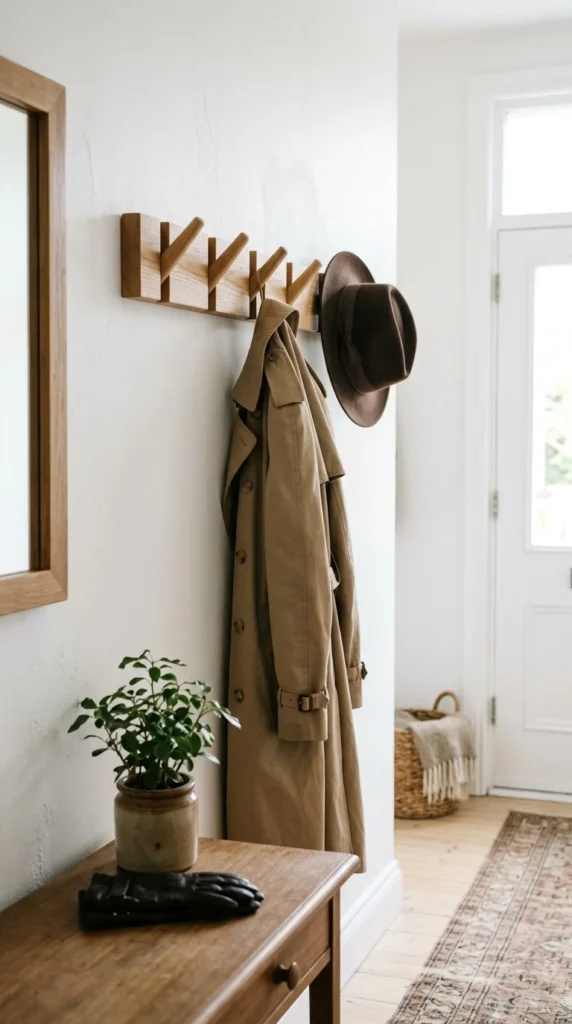
Most coat racks are purely functional and often quite ugly. A DIY wooden coat rack, however, can be a piece of wall art. A minimalist design featuring a long, sleek board with “flip-down” pegs or simple wooden dowels at an upward angle looks clean and sophisticated.
By matching the wood of the coat rack to other elements in your entryway (like a bench or a mirror frame), you create a “designed” look that makes the entire home feel more cohesive and expensive.