
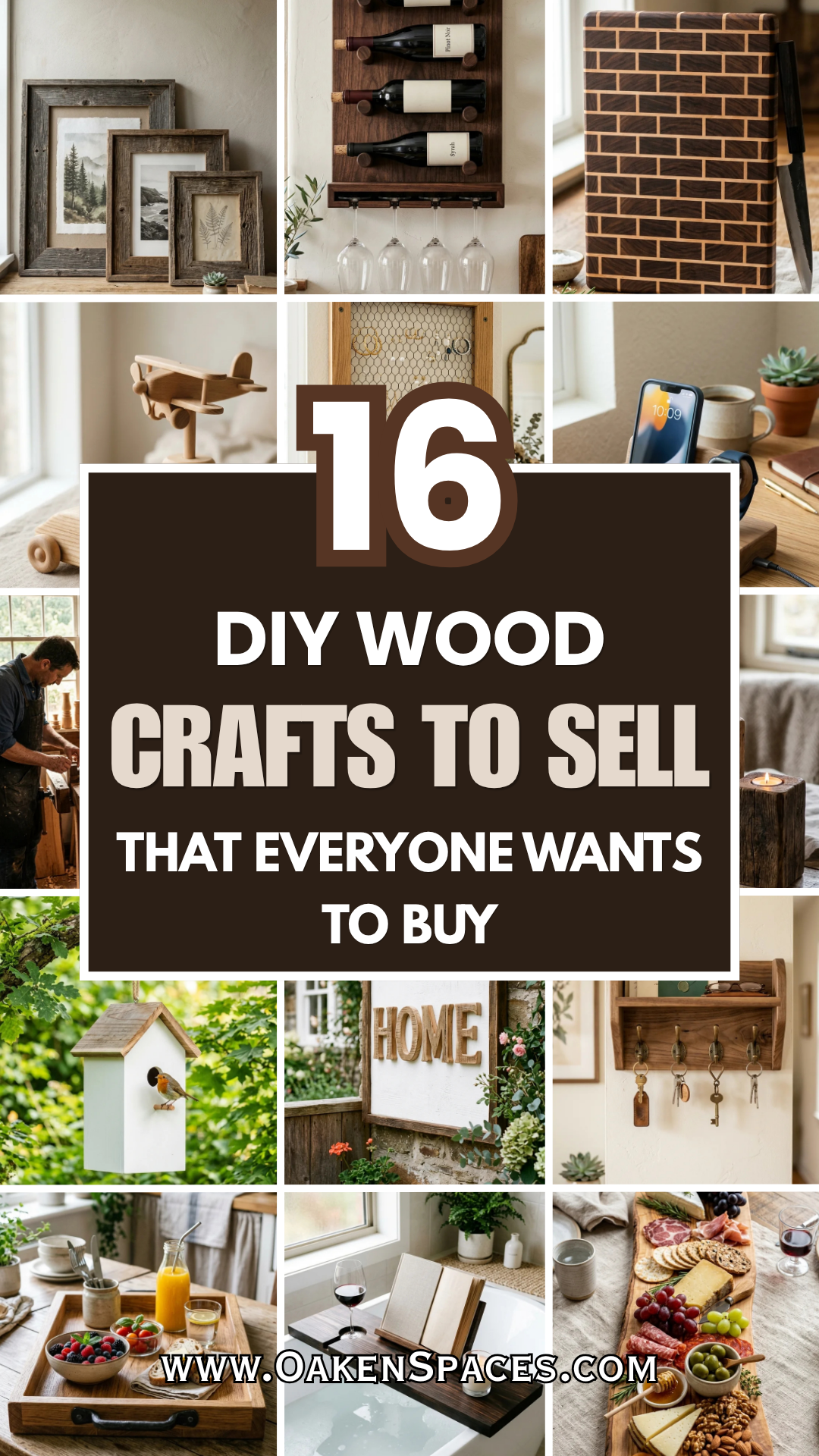
The allure of handmade wooden items is timeless. In a world dominated by mass-produced plastic, consumers are increasingly turning toward the warmth, durability, and unique character of wood. For the aspiring maker, woodworking offers a lucrative path to a side hustle or even a full-time business. You don’t need a massive industrial shop to get started; many of the most popular items can be crafted with basic power tools and a bit of creativity.
The secret to a successful woodworking business lies in finding the “sweet spot” between items that are quick to produce and those that carry a high perceived value. If you can master a few specific designs, you can streamline your production process and maximize your profits. Here are 16 DIY wood crafts that are currently in high demand and guaranteed to fly off the shelves.
1. Floating Shelves
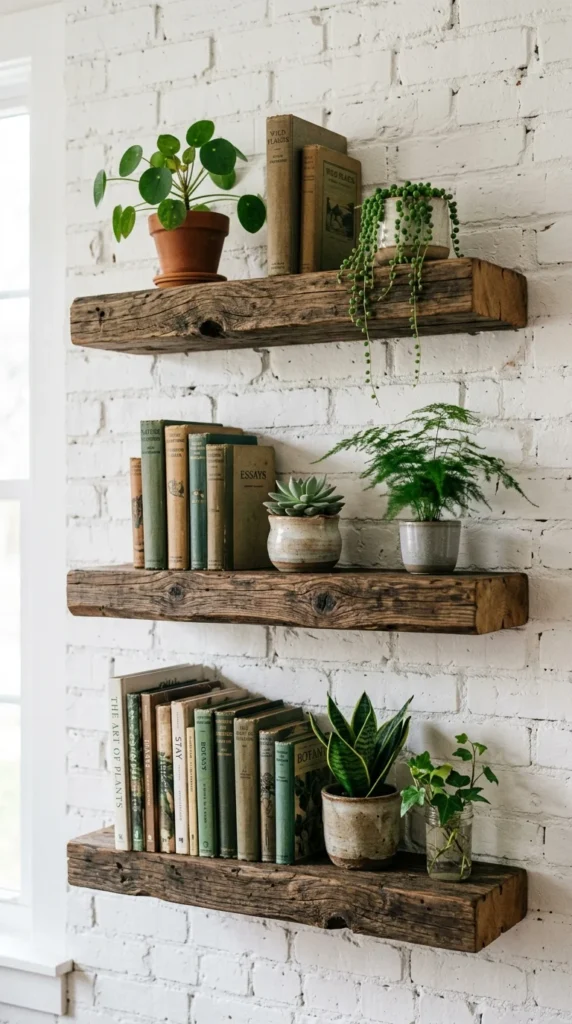
Floating shelves are a perennial favorite in the world of interior design. They provide a sleek, modern way to display decor without the bulk of traditional shelving units. From a manufacturing standpoint, they are relatively simple to build, often consisting of a hollow “box” that slides over a wooden cleat screwed into the wall.
To make yours stand out, experiment with different wood species like walnut or oak, or offer various finishes ranging from weathered gray to deep espresso. Live-edge floating shelves are particularly popular right now, commanding premium prices at craft fairs and on platforms like Etsy.
2. Coaster Sets
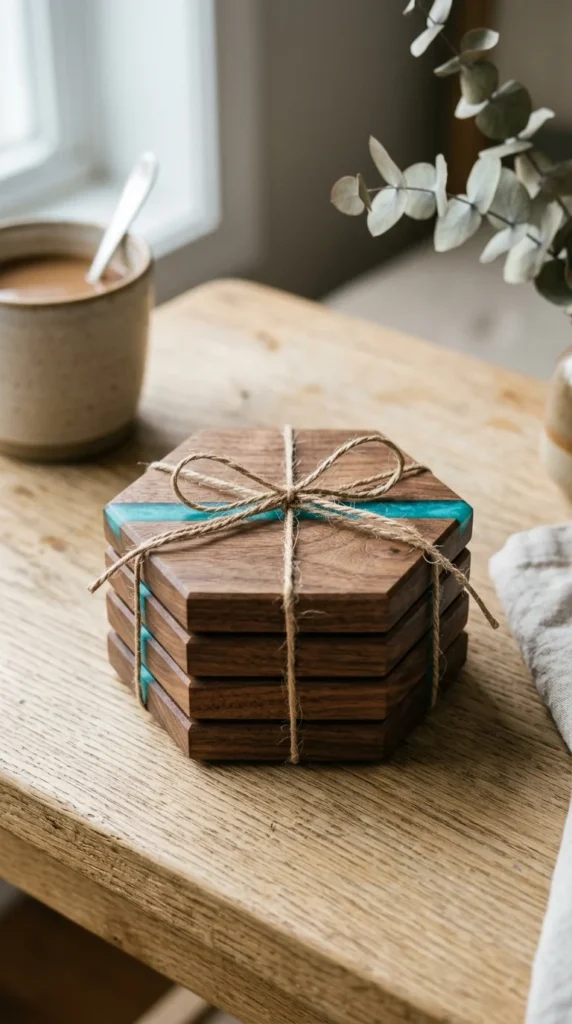
Coasters are the ultimate entry-level project for woodworkers looking to sell. They require very little material—often just scrap wood from larger projects—and can be produced in bulk. However, because they are functional and visually appealing, customers love them as housewarming gifts or stocking stuffers.
Consider adding a unique twist to your coasters to make them “gift-worthy.” You might use a laser engraver to add personalized monograms, incorporate colorful epoxy resin, or use contrasting wood species to create geometric patterns. Selling them in sets of four or six with a matching wooden holder increases the total sale value.
3. Charcuterie Boards
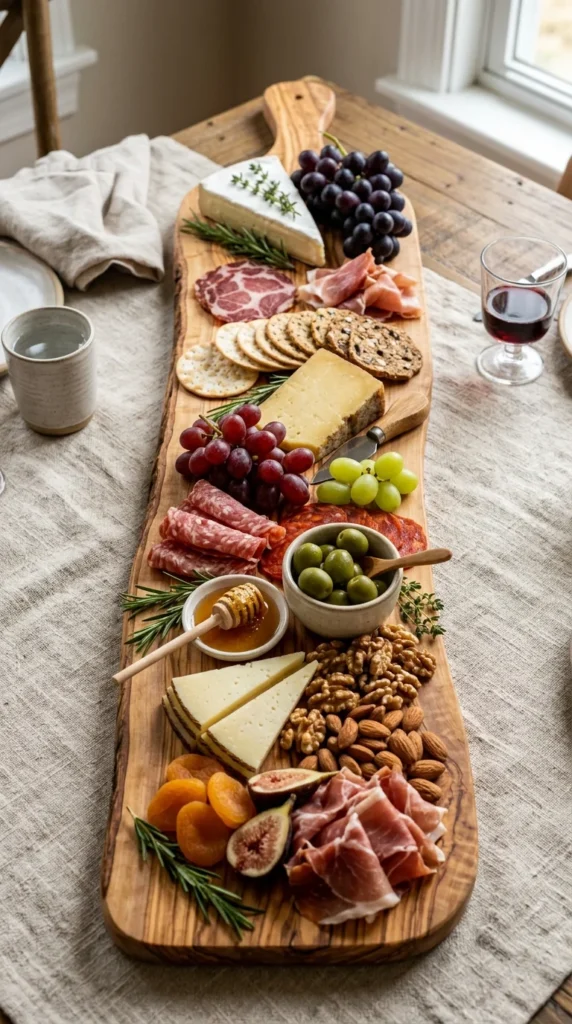
The charcuterie trend shows no signs of slowing down. These serving boards are essentially oversized cutting boards designed for presentation rather than heavy chopping. Because they are used for hosting, customers are often willing to pay a premium for a “statement piece” with beautiful grain patterns and high-quality finishes.
When making charcuterie boards, focus on the sanding process. A glass-smooth finish makes the wood grain pop and feels luxurious to the touch. Ensure you use food-safe finishes like mineral oil and beeswax. Adding unique handles—whether carved into the wood or made of matte black metal—can further elevate the design.
4. Plant Stands
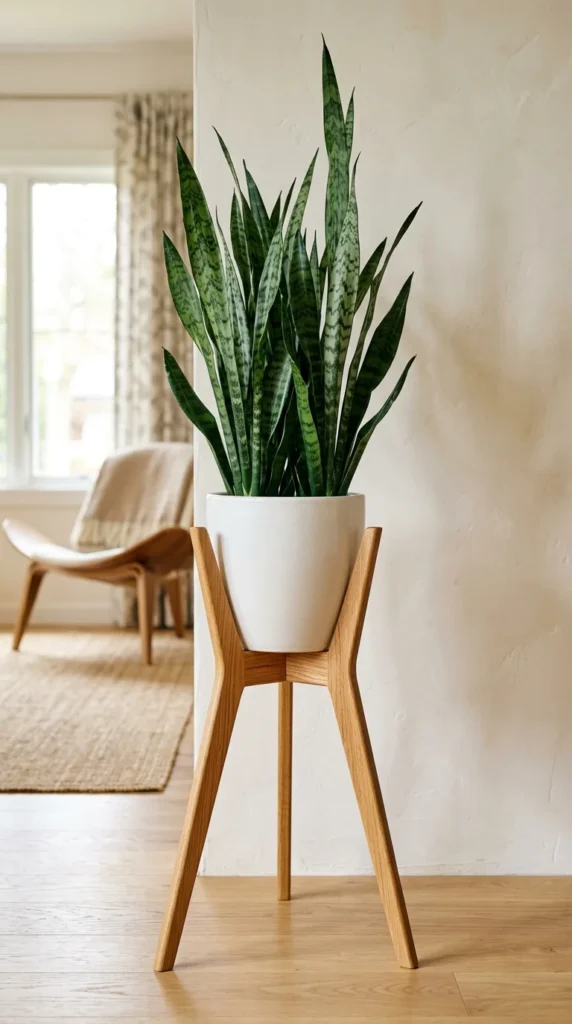
As “plant parenthood” continues to grow in popularity, so does the demand for stylish ways to display greenery. Mid-century modern plant stands are particularly trendy. Their minimalist design usually involves a simple cross-lap joint and tapered legs, making them an approachable project for intermediate woodworkers.
You can offer these in varying heights to allow customers to create “plant clusters.” Since they don’t require much wood but offer a significant vertical impact in a room, the profit margins are excellent. Using moisture-resistant woods or finishes is a great selling point for buyers who worry about watering accidents.
5. Key Holders
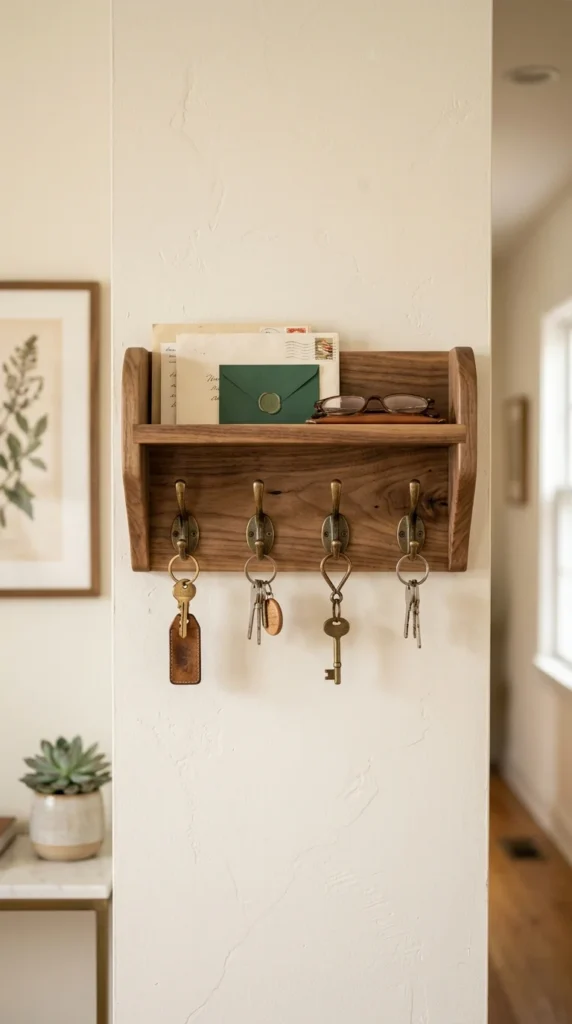
Organization is a major selling point. A wall-mounted key holder is a functional item that every household needs. By combining a key rack with a small shelf for mail or a slot for a smartphone, you create a “command center” that appeals to busy families and minimalist apartment dwellers alike.
These are excellent projects for practicing joinery and finishing. You can customize them with different hook styles—from modern chrome to rustic cast iron—to match various home aesthetics. They are lightweight and easy to ship, making them ideal for an online shop.
6. Bathtub Caddies
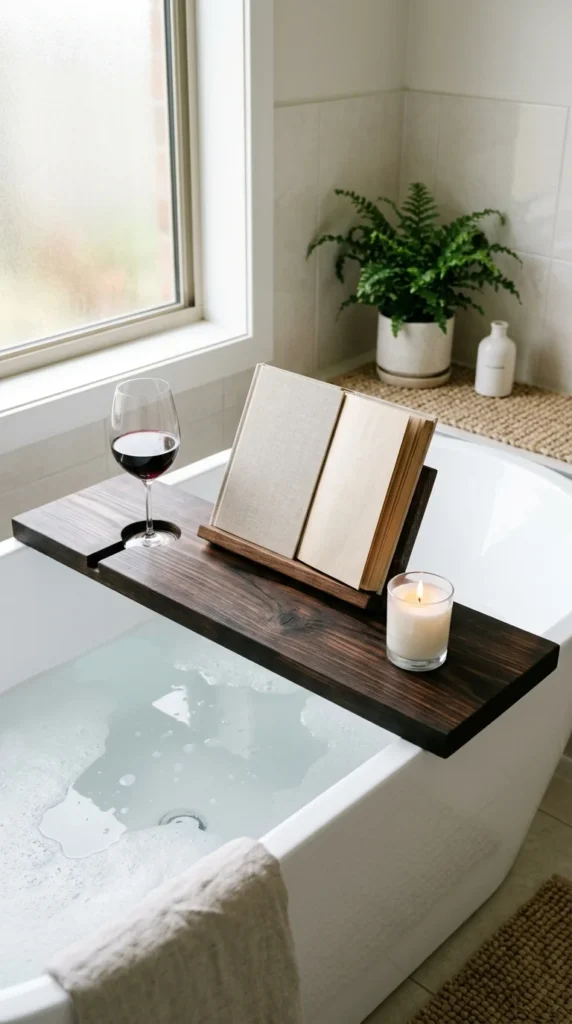
Self-care is a booming industry, and the bathtub caddy is the quintessential accessory for a relaxing night in. These boards sit across the tub and hold essentials like a book, a tablet, a wine glass, and a candle.
To succeed with this item, durability is key. Use rot-resistant woods like cedar or teak and apply a high-quality waterproof sealer. Adding features like a recessed slot for a wine glass stem or a collapsible book support adds a level of functionality that justifies a higher price point.
7. Wooden Signs
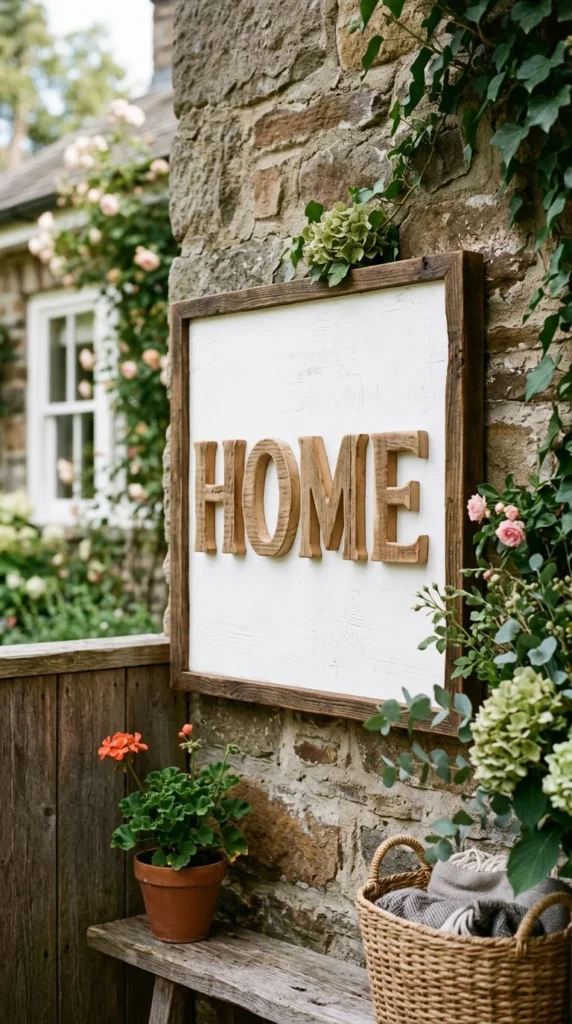
The “farmhouse” look popularized by home renovation shows has made wooden signs a staple of modern decor. While many people sell painted signs, you can differentiate yourself by creating 3D signs with raised wooden lettering or intricate scroll saw designs.
Personalization is the biggest driver of sales in this category. Offering custom family name signs, “established” dates, or nursery name plaques allows you to charge significantly more than you would for a generic design. A CNC router can speed up this process, but a steady hand with a scroll saw works just as well.
8. Serving Trays
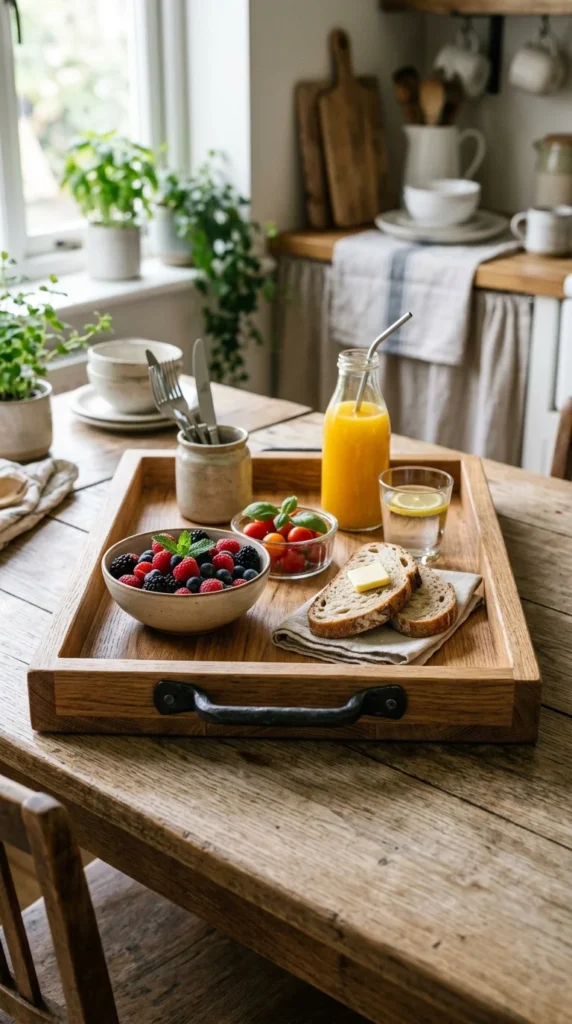
Serving trays are versatile items used for everything from breakfast in bed to organizing a coffee table. They are relatively simple to construct, usually requiring a flat base and four side rails. The “wow factor” comes from the choice of wood and the hardware.
Consider using “figured” woods like curly maple or bird’s eye maple for the base of the tray. Sturdy, attractive handles are a must. Because trays are often used for serving food or drinks, a durable, wipeable finish is essential for customer satisfaction.
9. Candle Holders
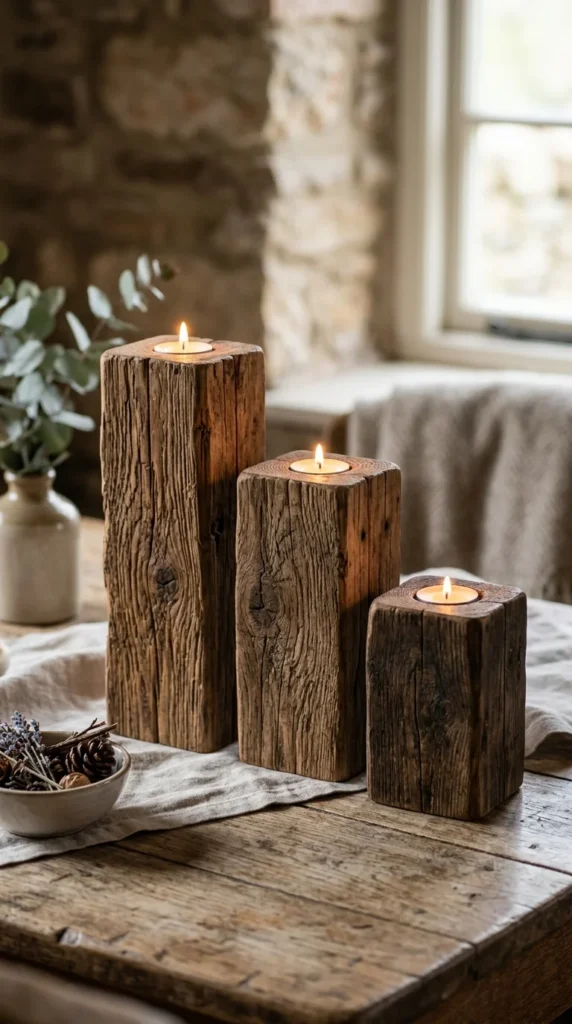
Candle holders are small, easy to make, and perfect for using up offcuts. Pillar candle holders or tea light blocks are especially popular. You can create a modern look with clean lines and geometric shapes, or a rustic look by using segments of natural tree branches with the bark still attached.
These sell particularly well during the holiday season. Consider creating “centerpiece” sets—long wooden blocks that hold five or seven tea lights—which are perfect for dining tables or fireplace mantels.
10. Phone Docks

In our tech-heavy world, people are always looking for ways to manage their devices elegantly. A wooden phone docking station provides a designated spot for charging and can even include space for a wallet, watch, and keys.
This project requires precision, as the slots for the phones and charging cables need to be just right. Using a router to create clean channels for the wires is a professional touch that customers appreciate. These are very popular as “gifts for him,” a category that is often difficult to shop for.
11. Jewelry Organizers
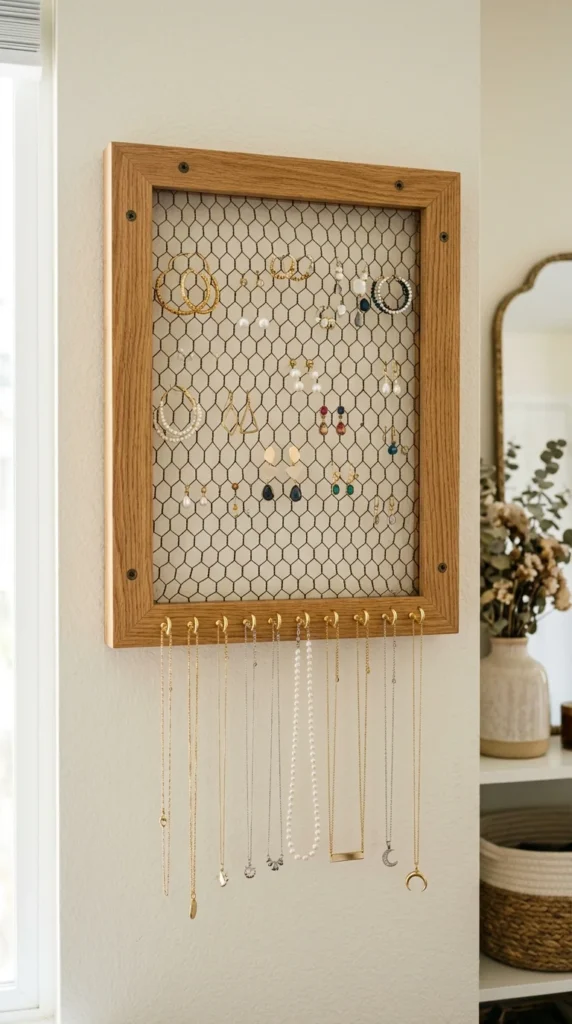
Jewelry can easily become a tangled mess. A well-designed wooden organizer solves this problem while doubling as wall art. You can build frames with mesh for earrings, bars for bracelets, and hooks for necklaces.
To make these more appealing, try incorporating a small shelf at the top for rings or perfume bottles. Use a mix of wood and metal (like brass or copper) to create a high-end, boutique feel. These are lightweight and easy to photograph, which helps immensely with online marketing.
12. Wine Racks
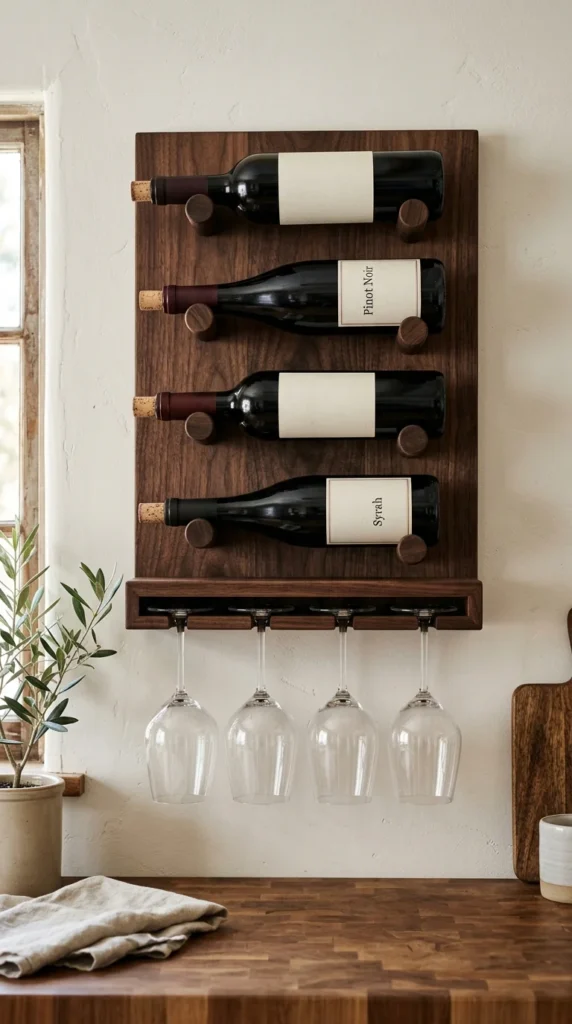
Wine enthusiasts are always looking for unique ways to store and display their collections. Small-scale wine racks that hold 3 to 6 bottles are perfect for kitchens and dining rooms where space is at a premium.
Countertop designs or wall-mounted versions that also hold wine glasses are particularly popular. Because wine is heavy, focus on sturdy construction and reliable mounting hardware. A “riddling rack” style or a simple “neck-holder” design can be very visually striking.
13. Picture Frames
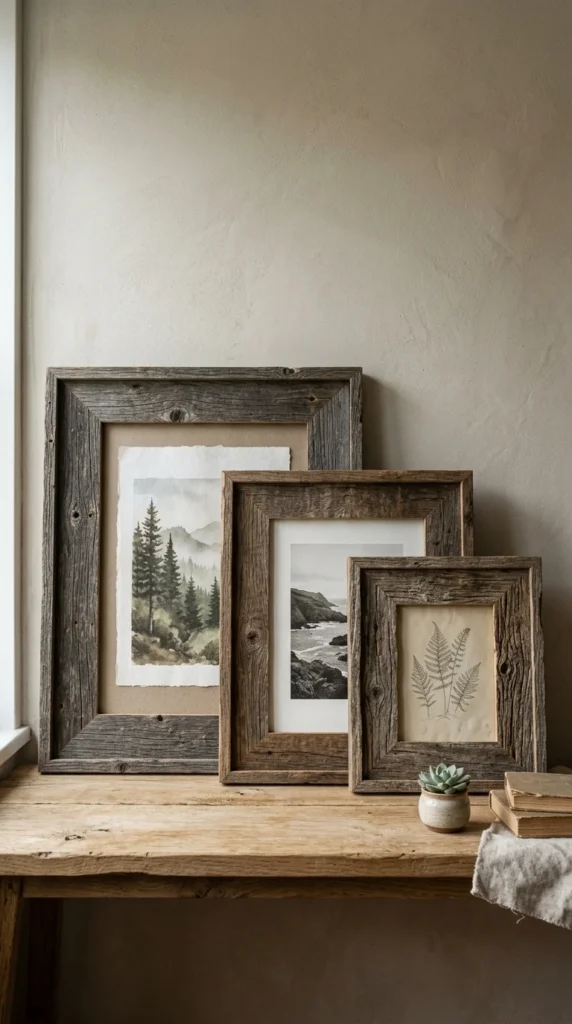
While you can buy cheap frames anywhere, high-quality, handmade wooden frames offer a texture and soul that plastic or MDF cannot match. Custom-sized frames are a niche market that can be very profitable, as retail stores usually only carry standard sizes.
Focus on perfect miter joints—this is the hallmark of a skilled woodworker. Offering frames made from reclaimed wood or specialty hardwoods like cherry or walnut will attract customers looking for something more substantial than what is found in big-box stores.
14. Cutting Boards
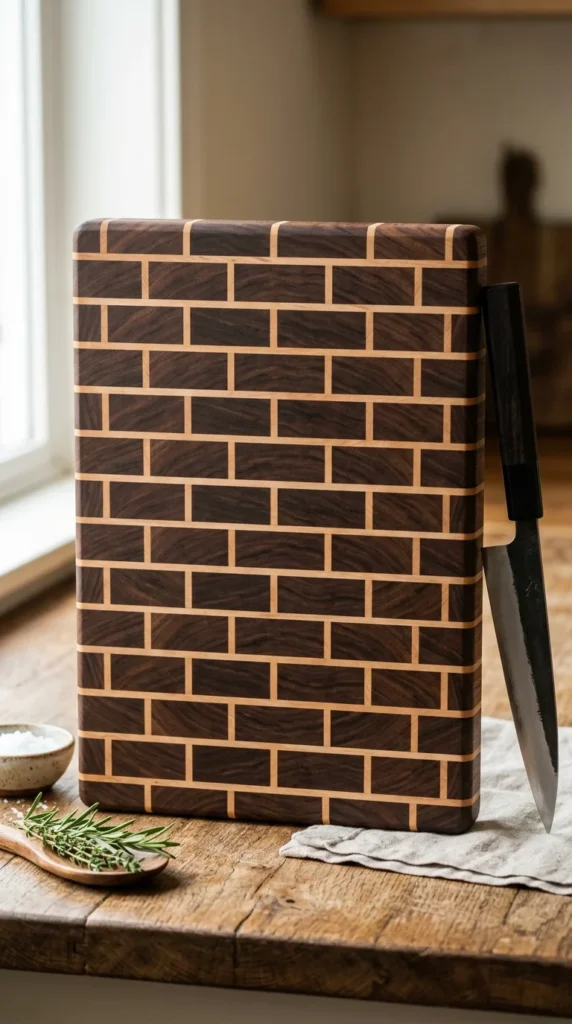
The classic cutting board is a staple for a reason. Specifically, “end-grain” cutting boards are highly sought after by home chefs because they are gentler on knife blades and incredibly durable. They are more labor-intensive than “edge-grain” boards, but they command a much higher price.
To sell these effectively, highlight the “self-healing” properties of the end grain and the food-safe finish you use. Adding “juice grooves” or finger grips on the sides are functional details that buyers appreciate.
15. Birdhouses
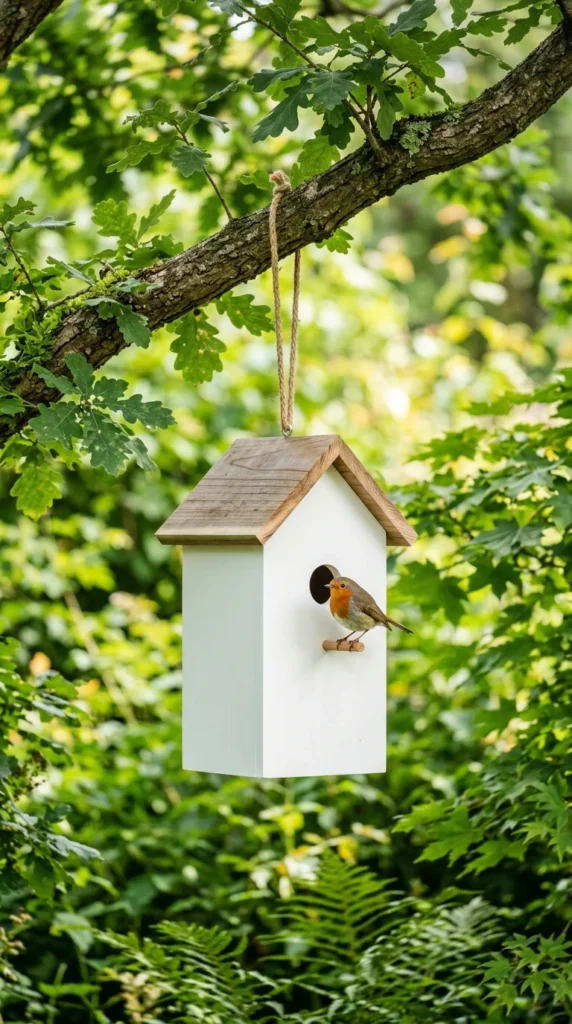
Birdhouses are a classic woodworking project that appeals to gardeners and nature lovers. While traditional styles always sell, there is a growing market for “architectural” birdhouses—designs that look like modern miniature homes or mid-century structures.
Ensure your birdhouses are functional by including a way to clean them out and using untreated, weather-resistant wood. Adding a small copper roof or a unique perch can make your designs stand out at outdoor craft fairs.
16. Wooden Toys
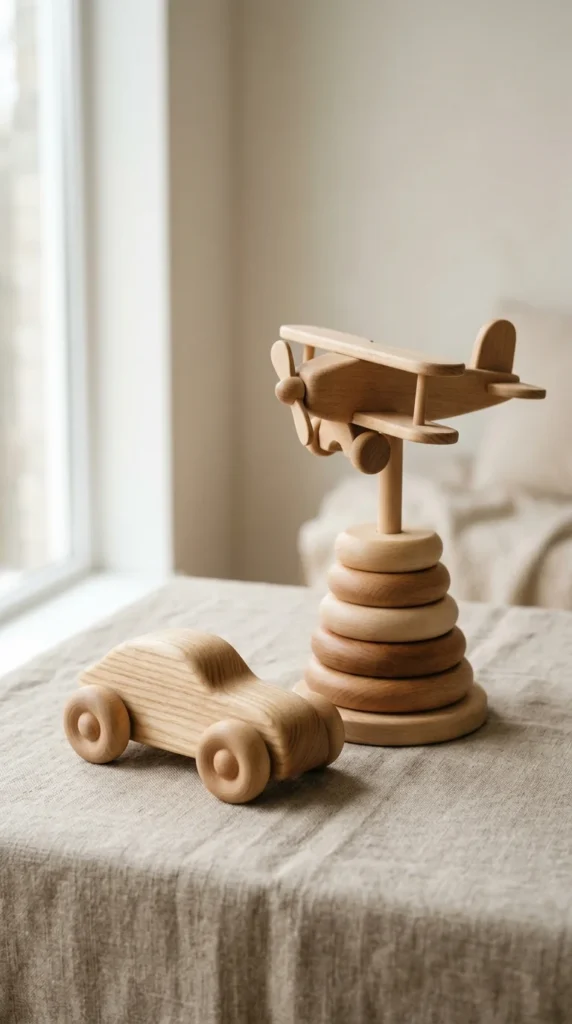
As parents move away from plastic toys and toward more sustainable, open-ended play, wooden toys are seeing a massive resurgence. Items like wooden cars, stacking blocks, and “busy boards” are high in demand.
Safety is the top priority here. All toys must be sanded perfectly smooth with no sharp edges, and any finishes or paints must be strictly non-toxic and child-safe. These items often become heirlooms, a selling point that resonates deeply with gift-giving grandparents and parents.
Strategies for Selling Your Wood Crafts
Once you’ve mastered your craft, the next step is getting your products in front of the right audience. Success in the handmade market is as much about presentation and marketing as it is about the quality of the wood.
- Photography is Key: Especially for online sales on Etsy or Instagram, your photos are your first impression. Use natural light, clean backgrounds, and “lifestyle” shots that show the item in use (e.g., a charcuterie board filled with food).
- Tell a Story: People buy handmade because they want a connection to the maker. Share your process on social media. Show the raw lumber turning into a finished piece. This transparency builds trust and justifies your pricing.
- Pricing for Profit: Don’t forget to account for your time. A common mistake is only charging for materials plus a small margin. Calculate your hourly rate and add it to the material costs, overhead (sandpaper, finishes, electricity), and a profit margin for your business’s growth.
- Local Markets: Craft fairs and farmers’ markets are excellent for “low-stakes” testing. You get immediate feedback from customers and can see which items people gravitate toward before committing to a large production run.