
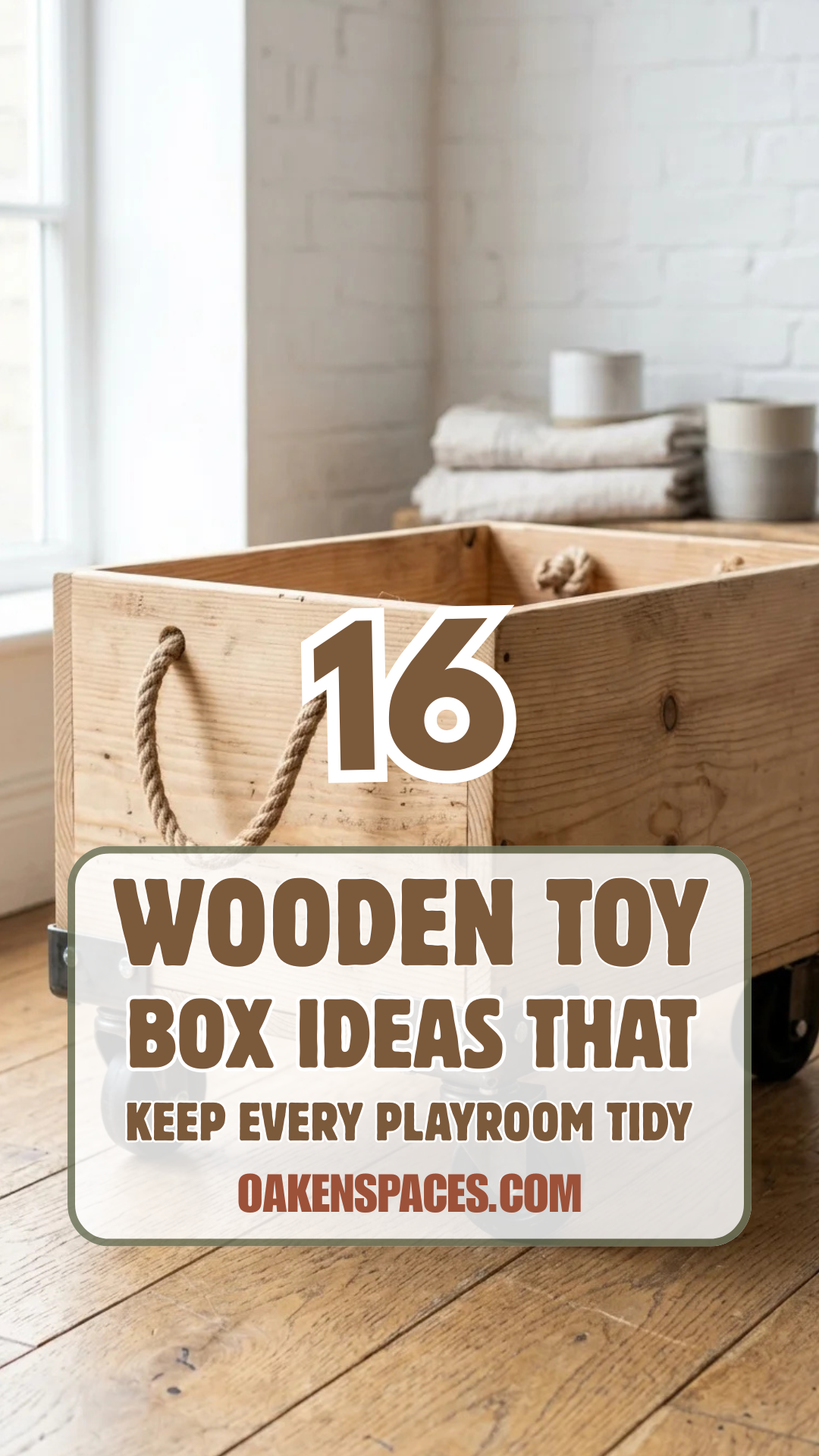
The battle against playroom clutter is a constant struggle for parents. Between the building blocks, stuffed animals, and miniature car collections, floors can disappear in a matter of minutes. However, the solution doesn’t have to be plastic bins that crack or eyesores that ruin your home’s aesthetic. Wooden toy boxes offer a timeless, durable, and stylish way to reclaim your space. Here are 16 innovative wooden toy box ideas to transform your playroom into a sanctuary of organization.
1. Classic Chest
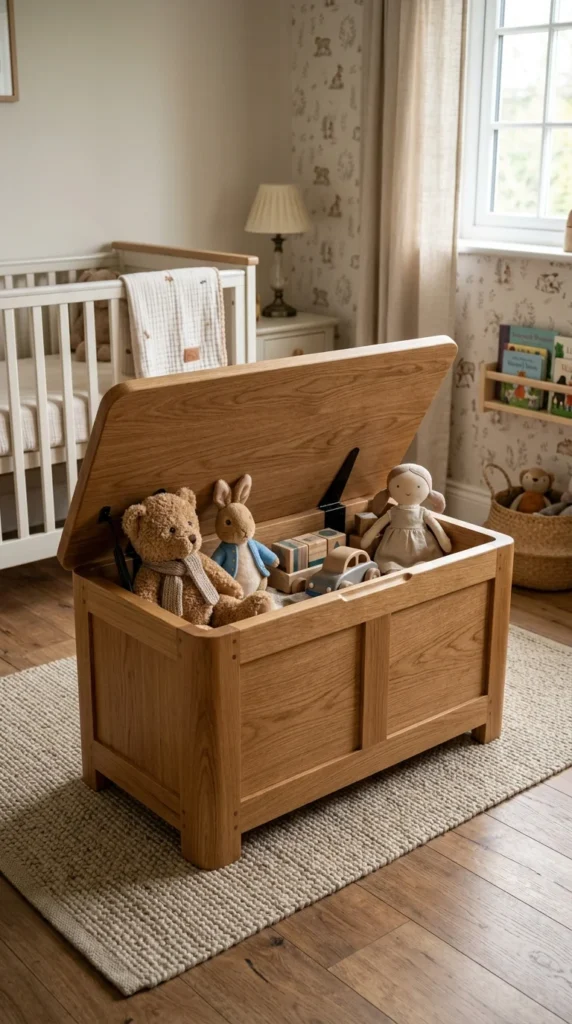
The classic wooden chest is a staple for a reason. Its deep interior can swallow up large stuffed animals and bulky playsets with ease. When choosing a classic chest, look for solid hardwoods like oak or maple, which can withstand years of use. The most important feature of this design is the safety hinge; ensure it has a soft-close mechanism to prevent tiny fingers from getting pinched. This piece often evolves from a toy box into a “hope chest” or extra linen storage as the child grows, making it a true heirloom investment.
2. Storage Bench
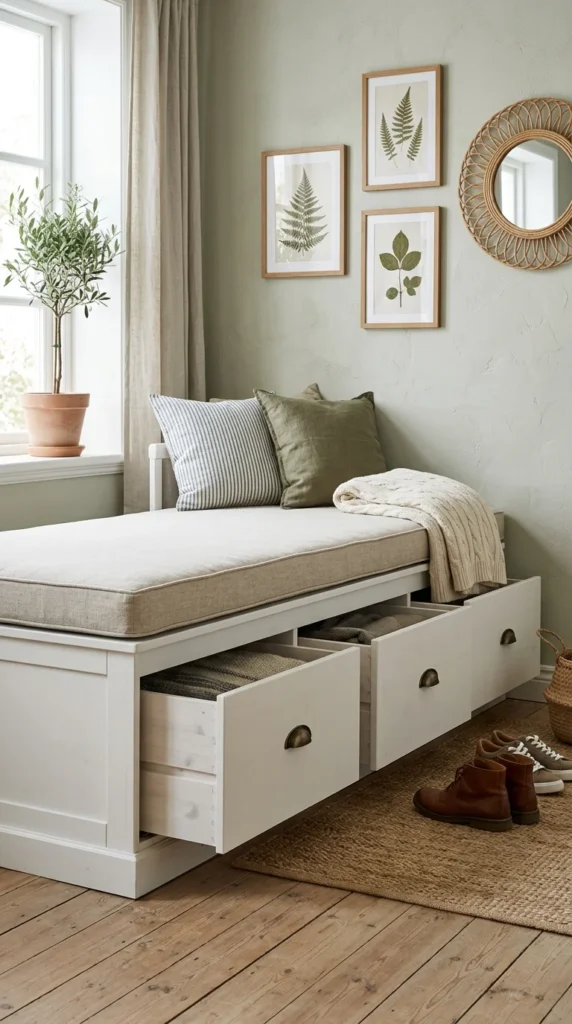
Why settle for just storage when you can have seating too? A storage bench is the perfect multifunctional piece for a playroom or a bedroom. The top provides a cozy spot for reading, while the compartments below keep toys tucked away. You can find these with flip-top lids or pull-out crates. This design is particularly effective in smaller rooms where every square foot counts, serving as both furniture and a cleanup solution.
3. Rolling Crates
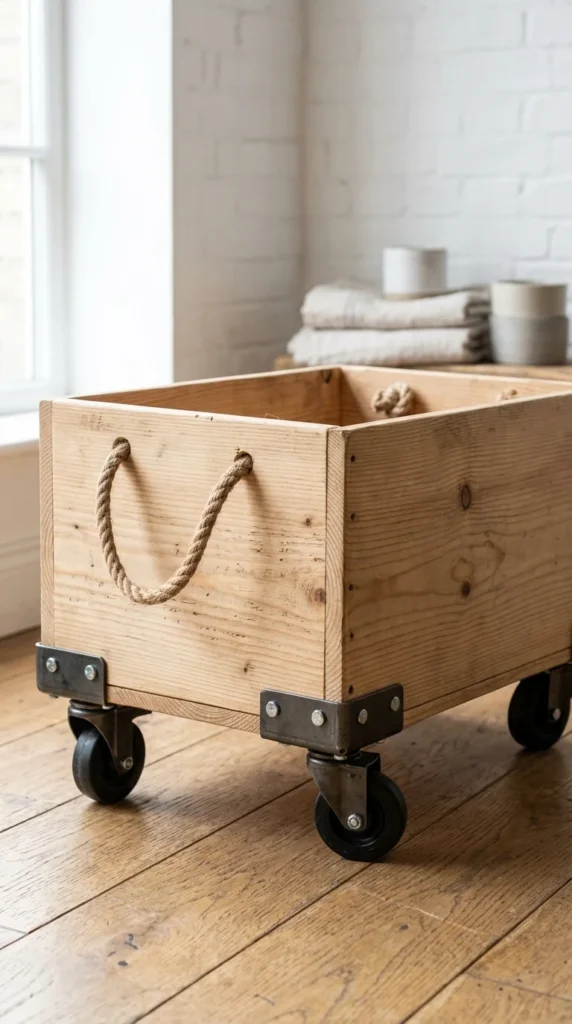
Mobility is a game-changer in a playroom. Rolling crates allow children to bring their toys to the center of the room for play and then easily wheel them back to the “parking zone” when they are finished. These are often designed with a rustic, industrial look, using reclaimed wood or simple pine. Because they are low to the ground and easy to move, they empower even the youngest toddlers to participate in cleanup time.
4. Open Cubbies
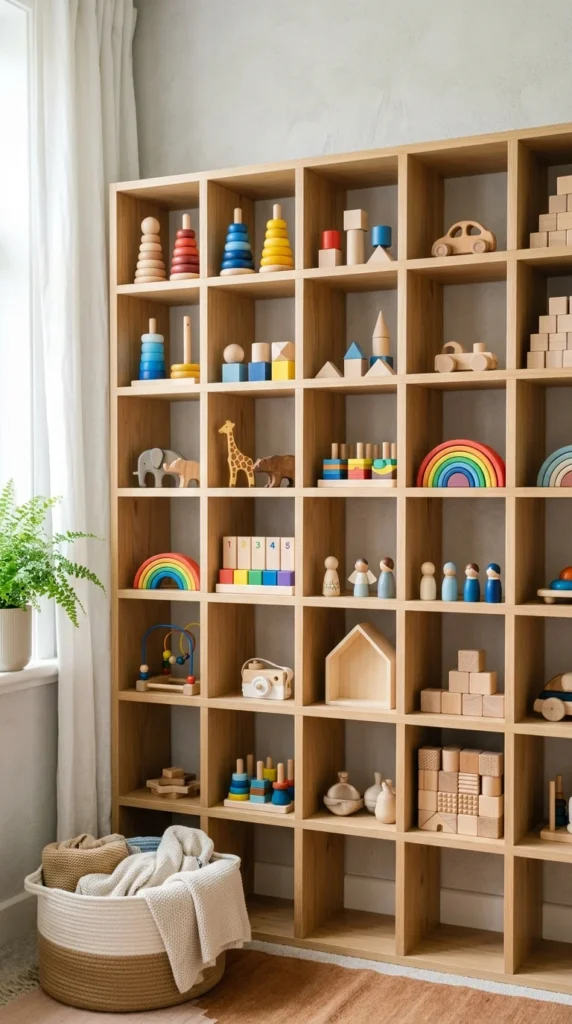
If you prefer a “Montessori” approach where toys are visible and accessible, open wooden cubbies are the way to go. Instead of one giant bin where everything gets buried at the bottom, cubbies allow you to categorize toys. You can use the wooden frame on its own or slide in matching wooden bins for a cleaner look. This setup encourages children to focus on one activity at a time rather than dumping out an entire toy box to find a single item.
5. Personalized Engraved
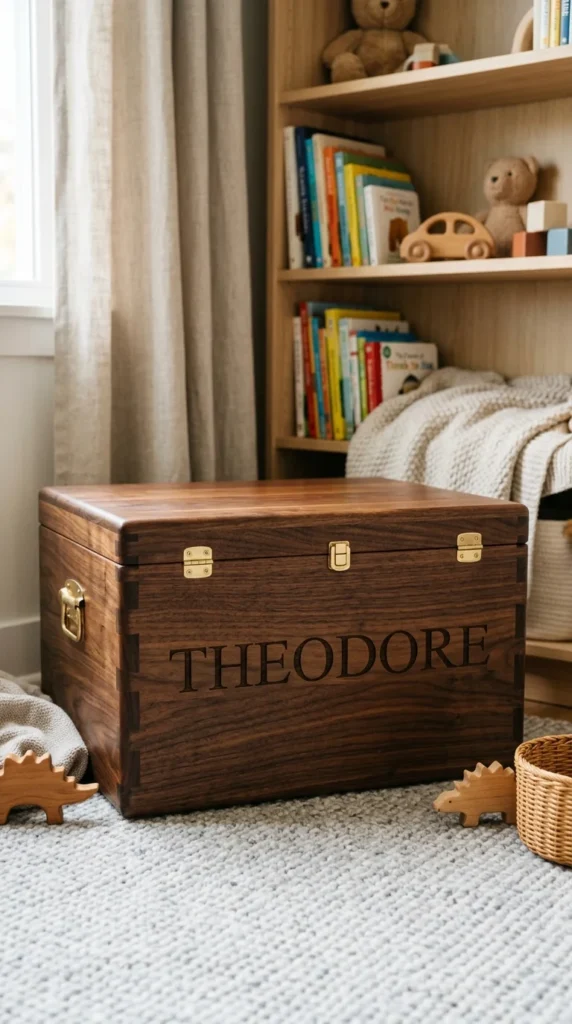
Nothing makes a child feel more special than having a piece of furniture with their name on it. A personalized wooden toy box adds a touch of sentimentality to the playroom. These are often custom-made, allowing you to choose the font and finish. Beyond the aesthetic appeal, engraving the child’s name helps them develop a sense of ownership and responsibility over their belongings, making them more likely to keep their space tidy.
6. Stackable Trays
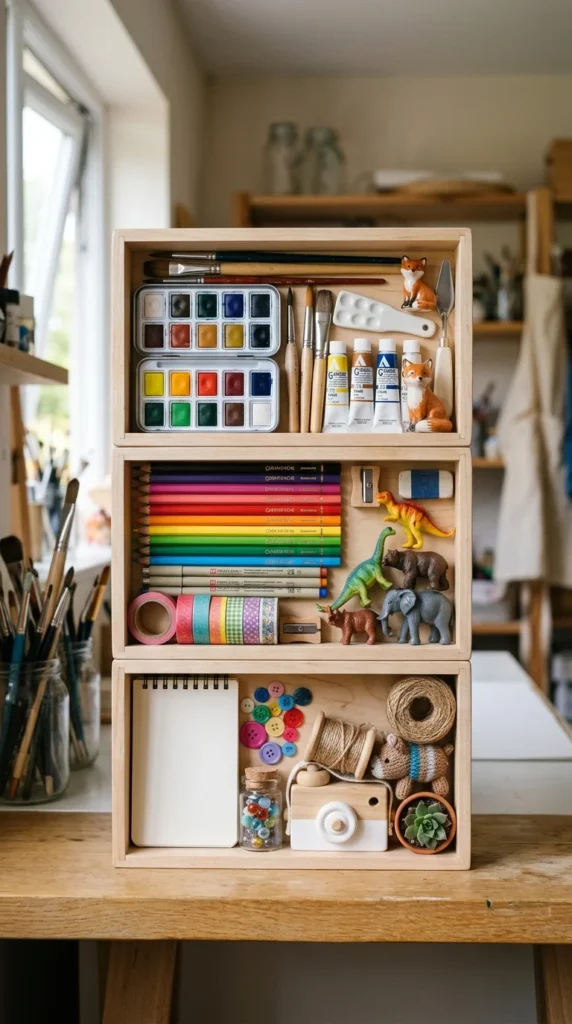
When floor space is limited, go vertical. Stackable wooden trays are perfect for organizing smaller items like LEGOs, art supplies, or doll accessories. These trays can be moved individually to a table for playtime and then stacked neatly in a corner when the day is done. Look for designs with interlocking grooves to ensure the stack remains stable and safe for children to interact with.
7. Mid-Century Modern
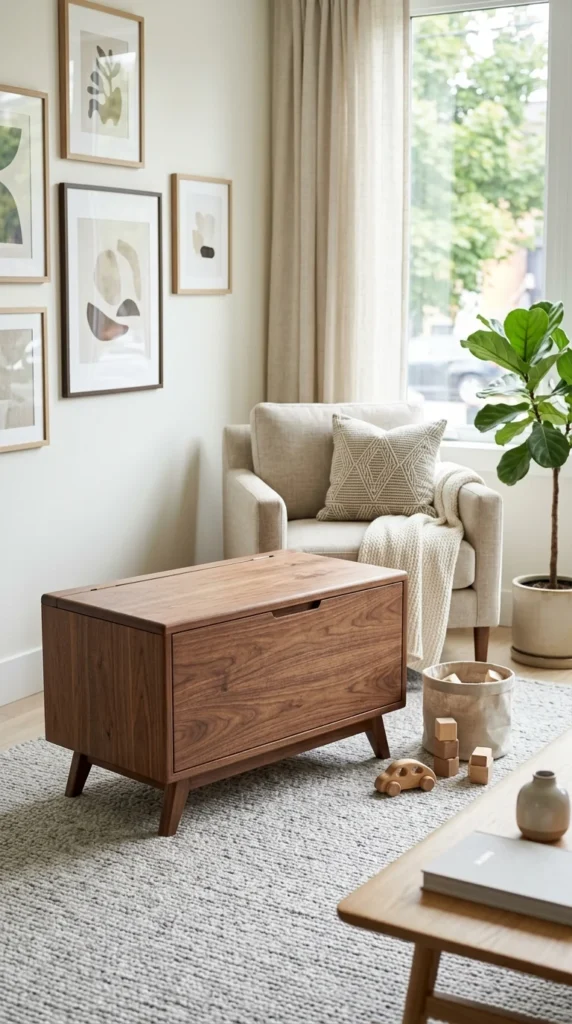
For parents who want their playroom to blend seamlessly with the rest of their home’s decor, Mid-Century Modern (MCM) toy boxes are the answer. Characterized by tapered legs, warm wood tones, and minimalist silhouettes, these boxes look like high-end furniture. They prove that kid-friendly storage doesn’t have to look “childish.” Once the kids outgrow toys, these pieces function perfectly as entryway benches or record storage.
8. Natural Driftwood
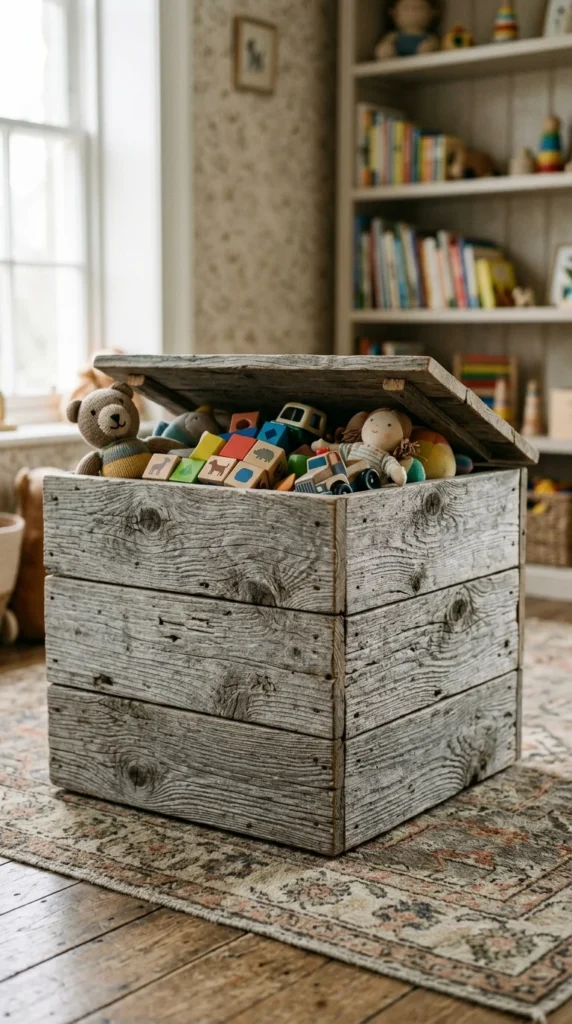
Bring a touch of the outdoors inside with a driftwood-inspired toy box. This style works beautifully in coastal, nautical, or bohemian-themed rooms. The natural imperfections of the wood, such as knots and varying grain patterns, give the box a unique character. Because the finish is intentionally distressed, you won’t have to worry about the inevitable scuffs and scratches that come with active play—they simply add to the charm.
9. Chalkboard Front
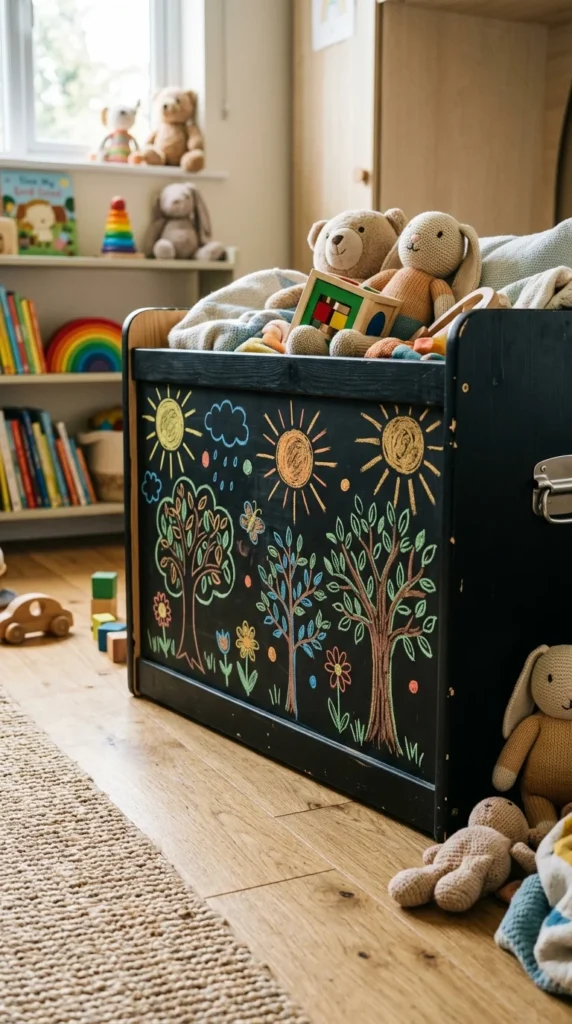
Turn storage into an activity with a chalkboard-front toy box. By painting the front panel with chalkboard paint, you provide a canvas for your child’s creativity. This design also serves a practical purpose: you can label the box with drawings or words (e.g., “Dolls,” “Cars,” “Blocks”) to help your child learn where things go. It’s an interactive piece of furniture that evolves as your child’s artistic skills grow.
10. Slatted Design
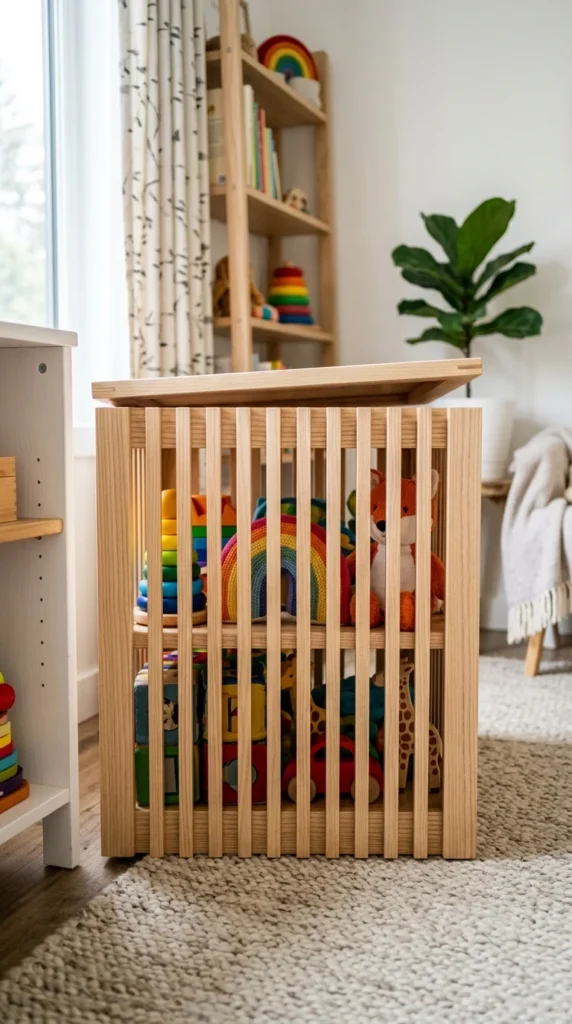
A slatted wooden toy box offers a lighter, airier look than a solid chest. The gaps between the slats provide ventilation—a safety feature that prevents a child from getting trapped in an airtight space—and allow you to see what’s inside without opening the lid. This design is often found in Scandinavian-inspired interiors and pairs well with light woods like ash or beech.
11. Corner Unit
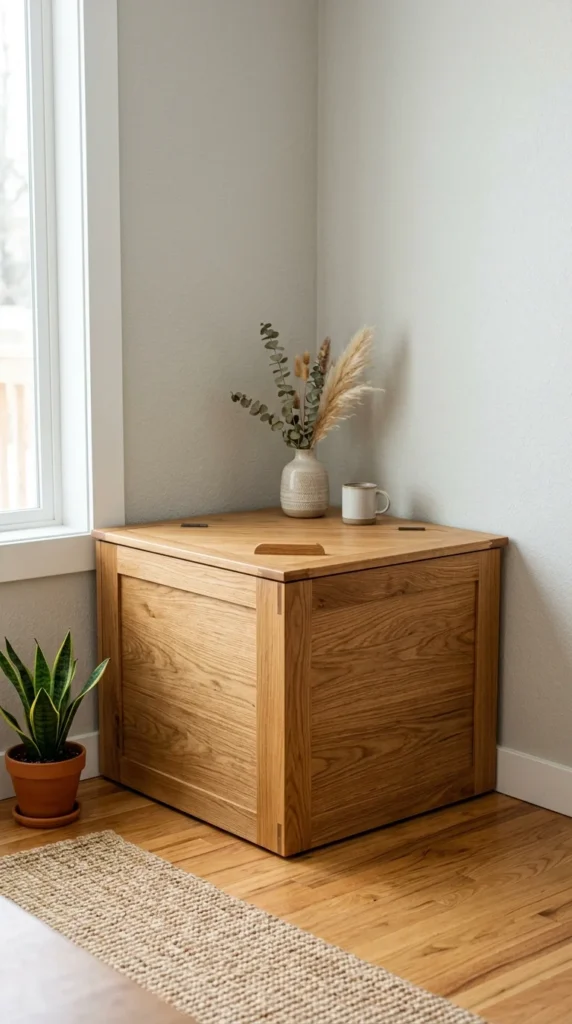
Corners are often wasted space in a playroom. A corner-shaped wooden toy box solves this problem by hugging the walls and opening up the center of the room for more play area. These units usually feature a lift-up lid or front-facing doors. They are an excellent solution for oddly shaped rooms or small apartments where every inch of floor space is premium real estate.
12. Scandi Minimalist
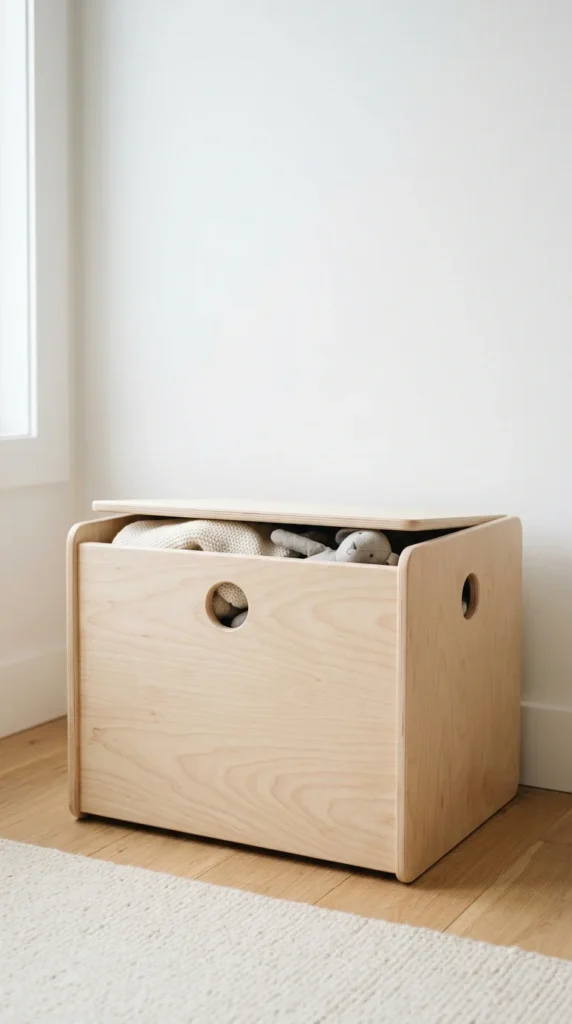
Scandinavian design is all about functionality and simplicity. A Scandi-style toy box usually features light-colored woods, rounded safety corners, and hidden hardware. The aesthetic is clean and calming, which can help reduce the visual “noise” of a cluttered playroom. These boxes are often treated with non-toxic, water-based finishes, making them safe for even the smallest children who might be prone to chewing on edges.
13. Geometric Cutouts
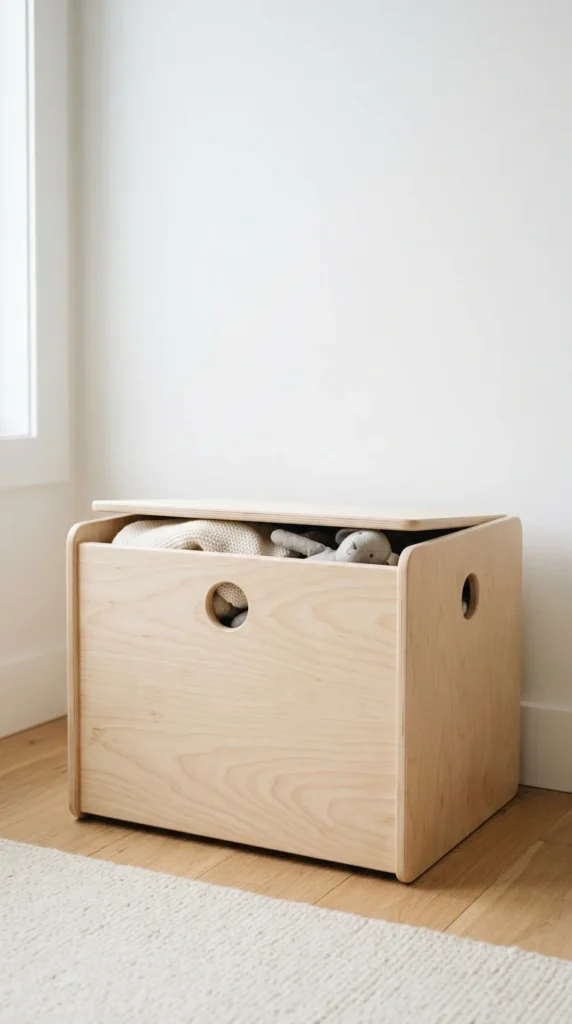
For a more artistic approach, look for wooden boxes with geometric cutouts. These shapes aren’t just for decoration; they serve as built-in handles and provide visibility into the box. The play of light and shadow through the cutouts adds a dynamic element to the room. This style is popular in modern nurseries and playrooms that favor bold, architectural lines over traditional curves.
14. Distressed Vintage
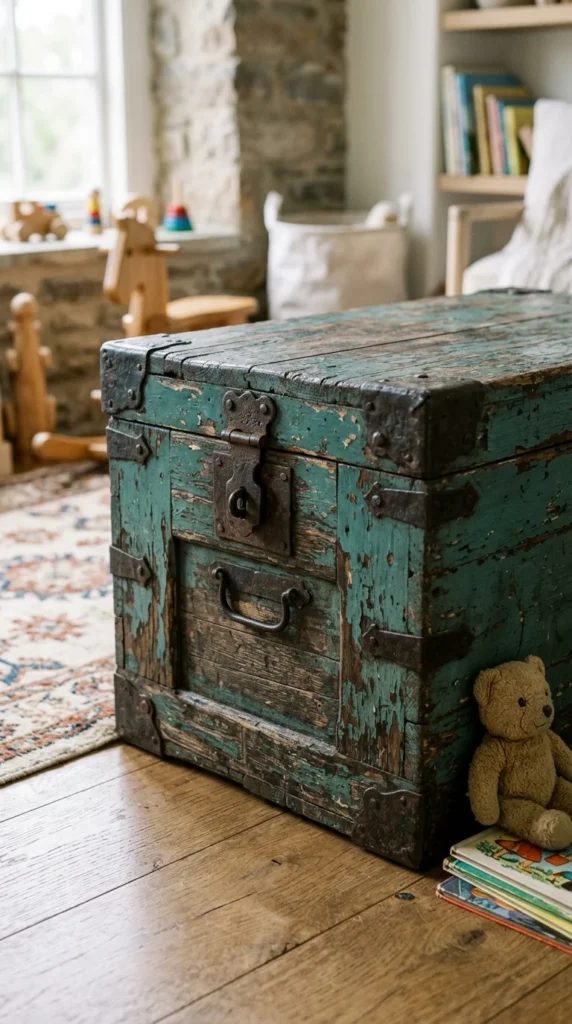
If you love a home with a story, a distressed vintage toy box is the perfect addition. These can be actual antiques that have been refurbished for safety or new boxes finished to look old. The “shabby chic” look is very forgiving of the wear and tear children put on furniture. Pair a vintage chest with a soft sheepskin rug and a few classic wooden toys to create a nostalgic, cozy atmosphere.
15. Two-Tone Finish
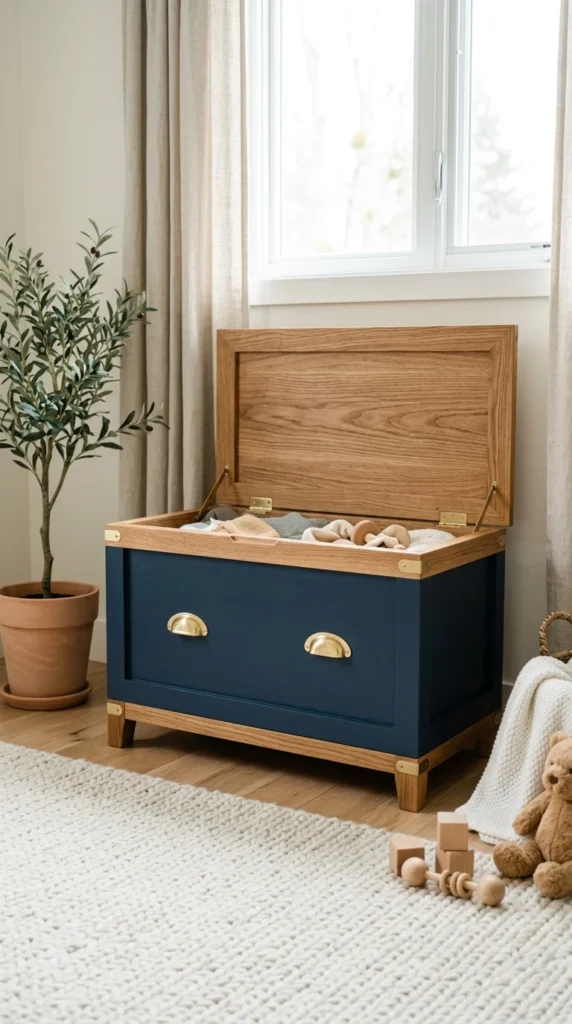
A two-tone finish allows you to play with color while still enjoying the warmth of natural wood. A popular choice is to leave the lid in a natural grain while painting the base a bold color like navy, forest green, or even a soft pastel. This creates a focal point in the room and allows you to coordinate the toy box with your existing wall color or bedding.
16. Lid-Free Bin
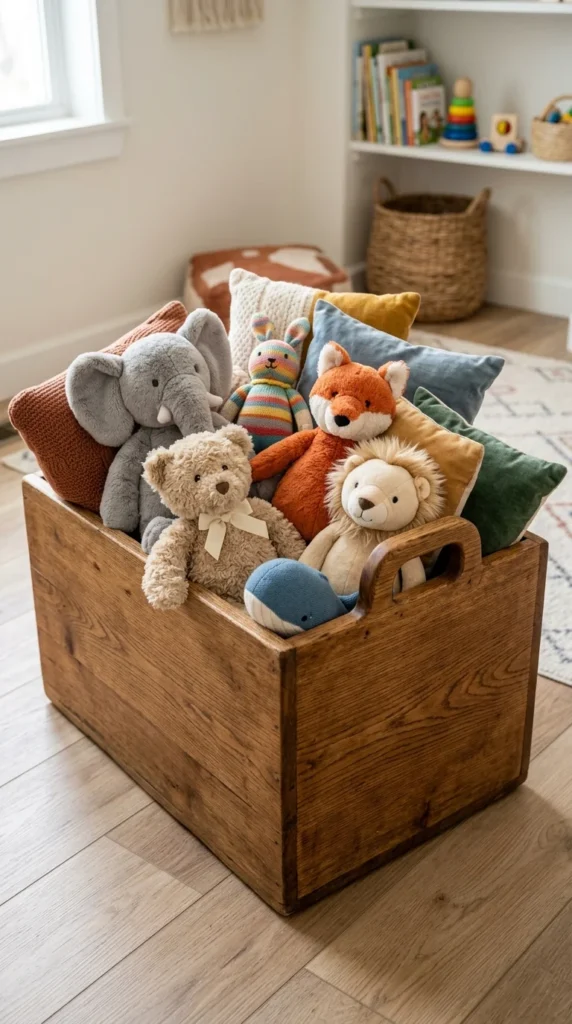
Sometimes, the best way to ensure toys get put away is to remove the barrier of a lid. A lid-free wooden bin is the ultimate “toss and go” solution. These are particularly great for large, awkward items like sports balls or oversized plushies. Because there is no lid to fall or heavy hardware to navigate, these bins are the safest option for very young toddlers who are just beginning to learn how to clean up after themselves.