
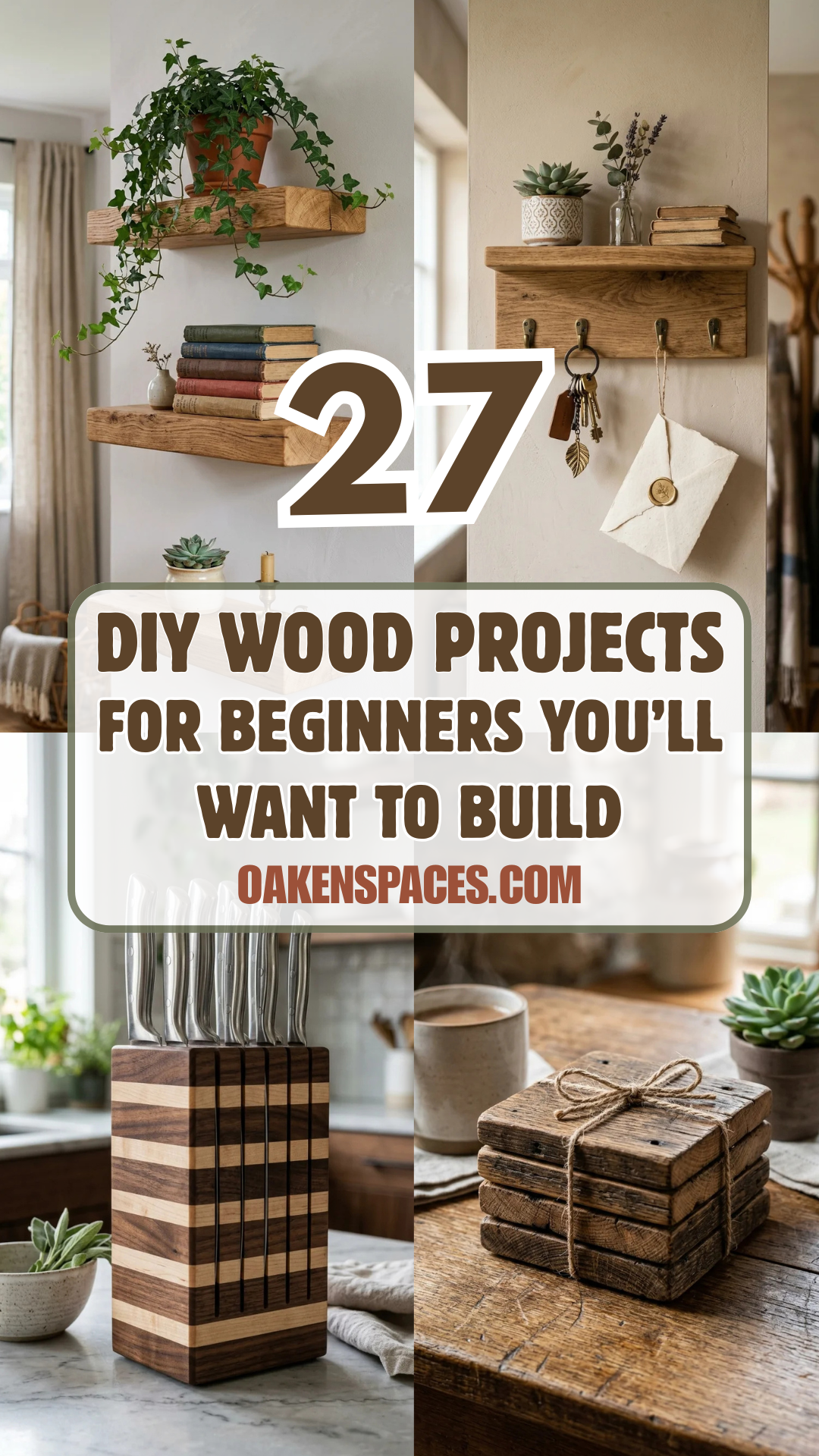
Woodworking is often perceived as a daunting craft reserved for those with expensive workshops and decades of experience. However, the truth is that some of the most beautiful and functional items in a home can be built using basic tools, affordable lumber, and a bit of patience. Whether you are looking to organize your kitchen, spruce up your backyard, or create a handmade gift, these 27 projects offer the perfect entry point into the world of DIY woodworking.
1. Floating Shelves
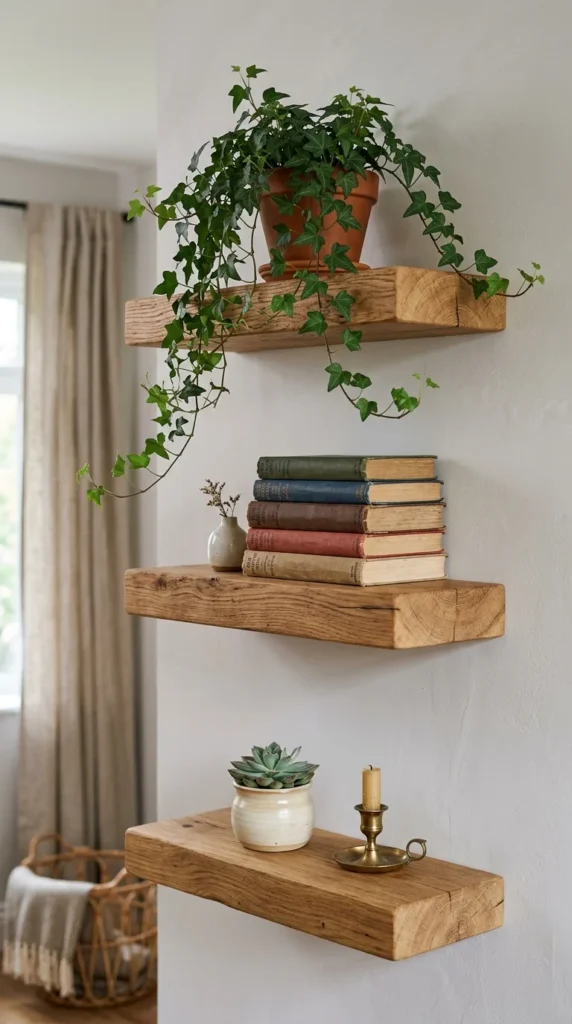
Floating shelves are a classic beginner project because they teach the fundamentals of creating a hollow “box” structure. By using a simple cleat system screwed into the wall studs, you can slide a wooden sleeve over the support to create a seamless, hardware-free look. They provide excellent storage without the bulk of a traditional bookcase.
2. Bathtub Tray
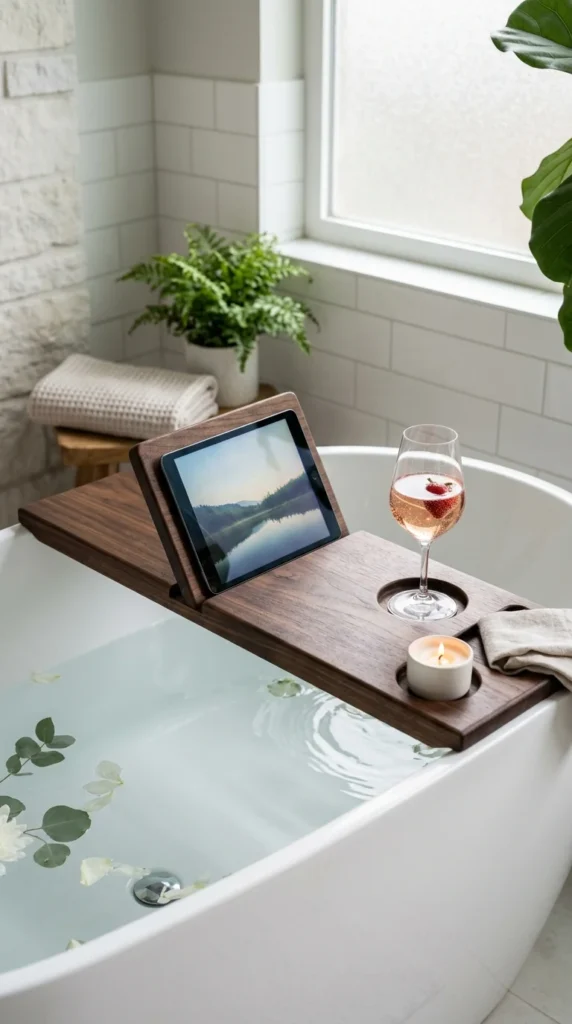
A bathtub tray is essentially a single board or a small assembly of slats that adds a touch of luxury to your bathroom. Beginners can practice sanding to a fine finish and applying waterproof sealants. You can customize yours with handles or a routed groove to hold a book or a glass of wine.
3. Blanket Ladder
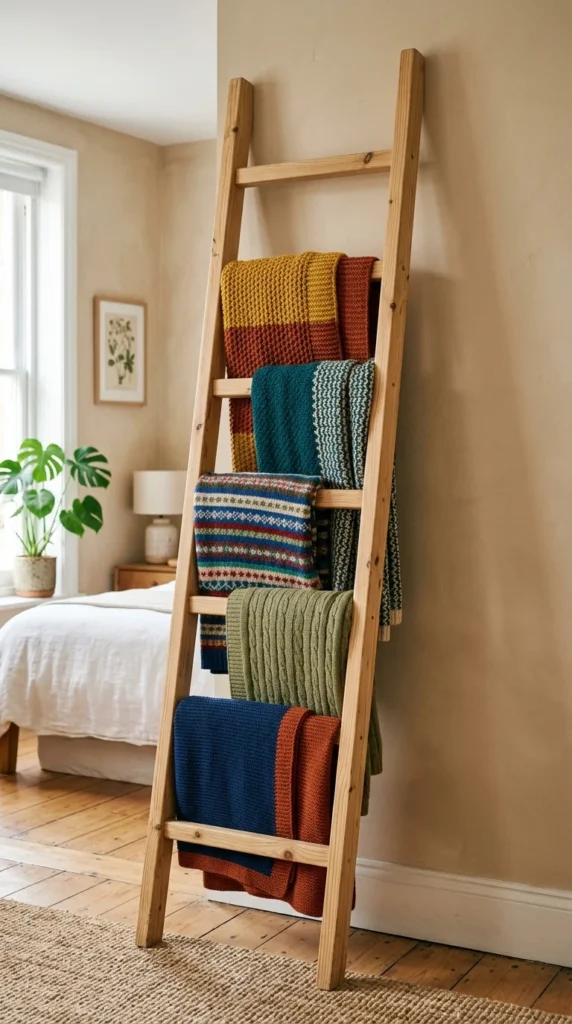
The blanket ladder is a trendy decorative piece that requires very few cuts. It consists of two long side rails and several rungs. The main challenge here is drilling holes at consistent intervals or using pocket hole screws to secure the rungs. It’s a great way to practice vertical assembly.
4. Cedar Planter
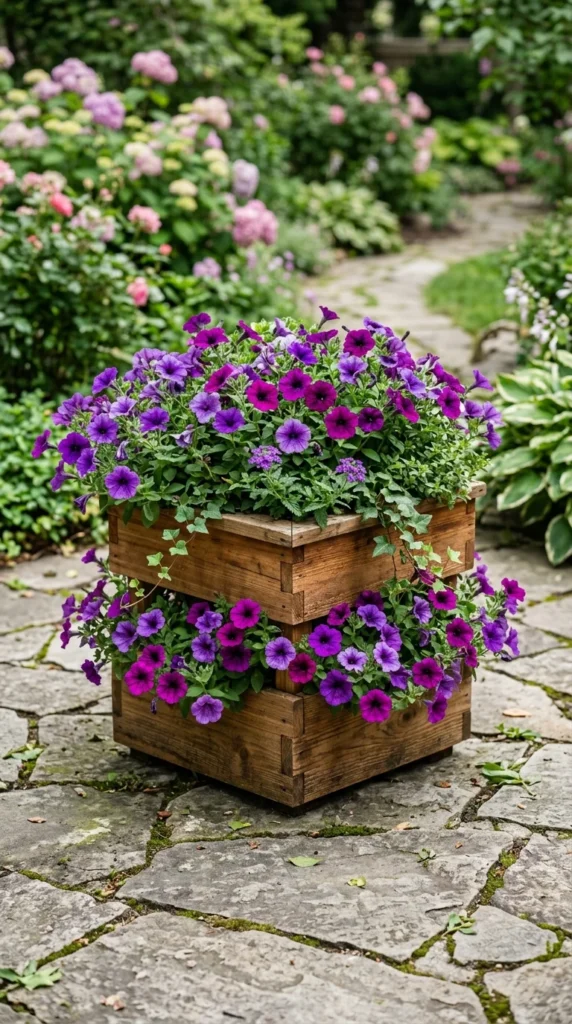
Cedar is naturally rot-resistant, making it the perfect material for outdoor projects. A simple box-style planter allows you to practice “butt joints”—the simplest way to join wood. This project is forgiving because the rustic nature of garden decor hides minor imperfections.
5. Serving Tray

A serving tray is a weekend project that focuses on finishing techniques. You can use a single piece of high-quality hardwood like cherry or maple, or glue together different scraps for a striped effect. Adding hardware handles is a great introduction to using a drill for decorative accents.
6. Wooden Coasters
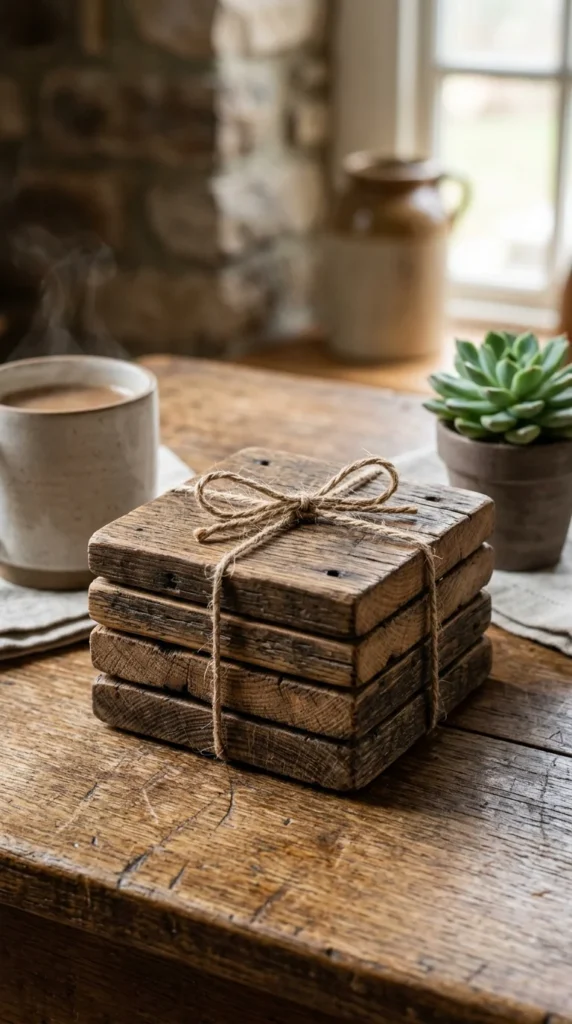
If you have scrap wood lying around, coasters are the ultimate “zero-waste” project. They allow you to practice cutting perfectly square shapes and experimenting with different wood stains. A cork backing can be glued to the bottom to prevent slipping and protect furniture.
7. Raised Garden Bed
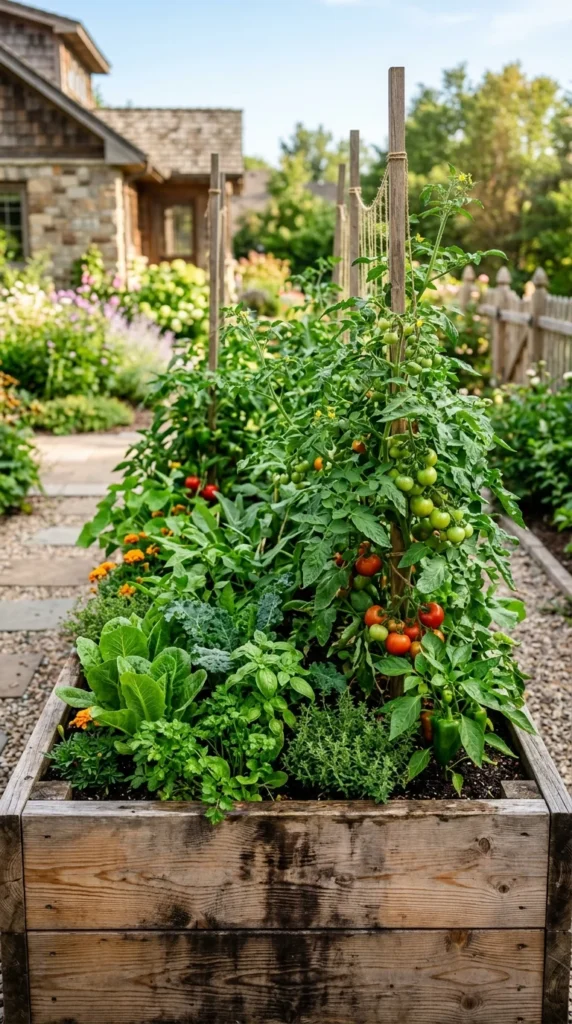
Building a raised garden bed is more about “rough” carpentry than fine woodworking. It involves cutting large boards to length and securing them with heavy-duty screws. This project provides instant gratification and a functional space for your home garden.
8. Desktop Organizer
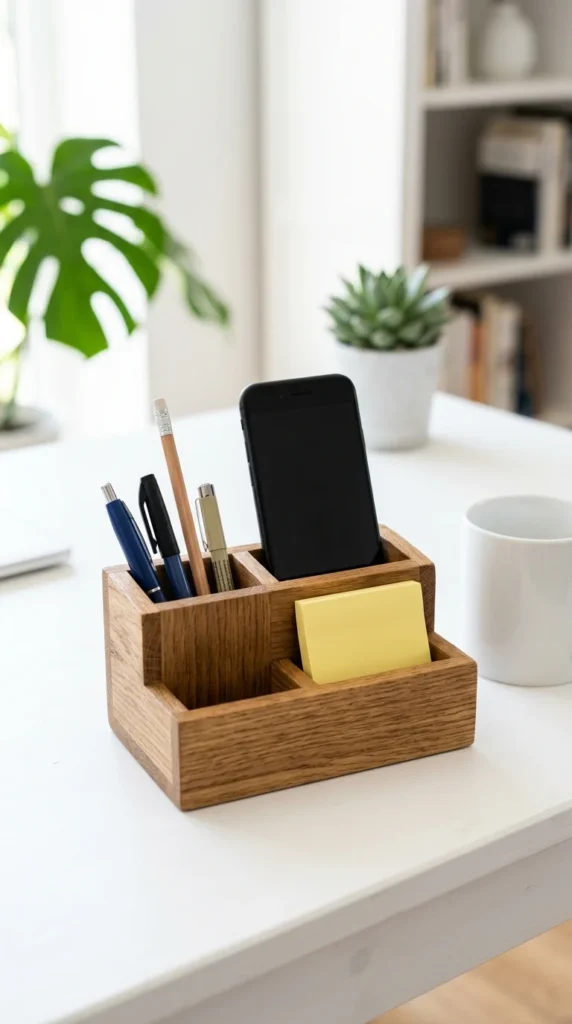
For those looking to practice precision, a desktop organizer is ideal. It involves cutting smaller pieces of thin wood or plywood and joining them to create slots and dividers. It’s a fantastic way to learn how to measure twice and cut once.
9. Wine Rack
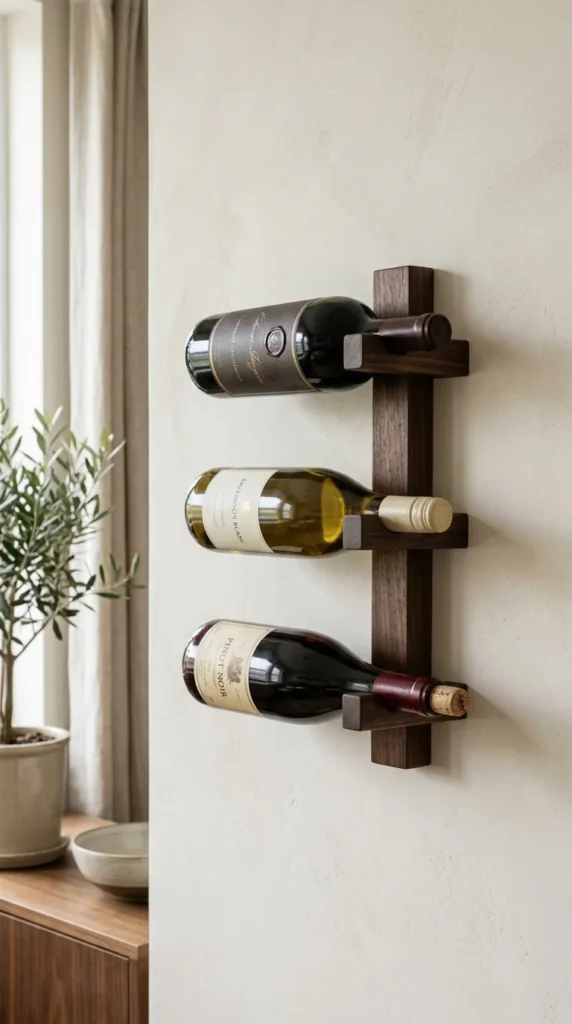
A simple wine rack can be as basic as a board with holes drilled at a slight angle or a small “X” frame insert for a shelf. This project introduces the concept of weight distribution and ensures your bottles stay secure while adding a sophisticated touch to your kitchen.
10. Birdhouse
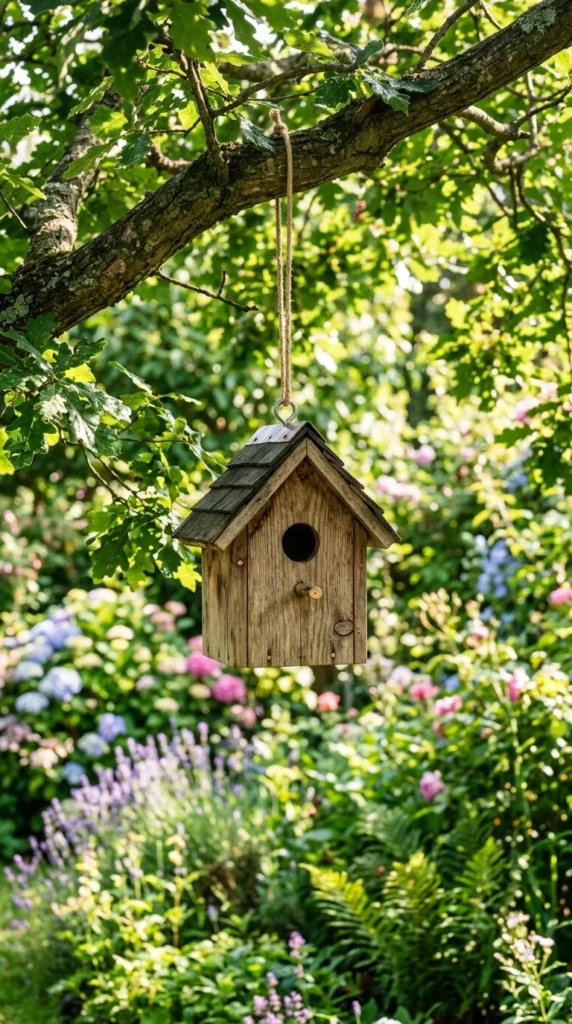
The birdhouse is a rite of passage for every woodworker. It teaches you how to create angled cuts for the roof and how to assemble a 3D object. Plus, it’s a wonderful project to do with kids, as it requires minimal materials and provides a home for local wildlife.
11. Spice Rack
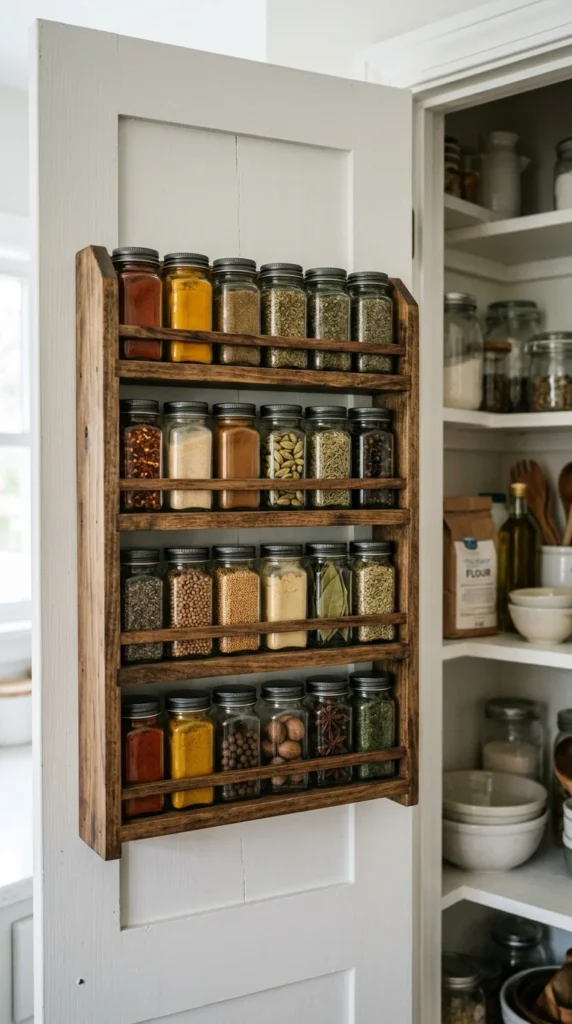
A spice rack helps clear countertop clutter. You can build a simple “stadium seating” style riser for inside a cabinet or a wall-mounted frame with thin rails to keep the jars from falling. It’s an excellent project for learning how to work with thin trim pieces.
12. Knife Block
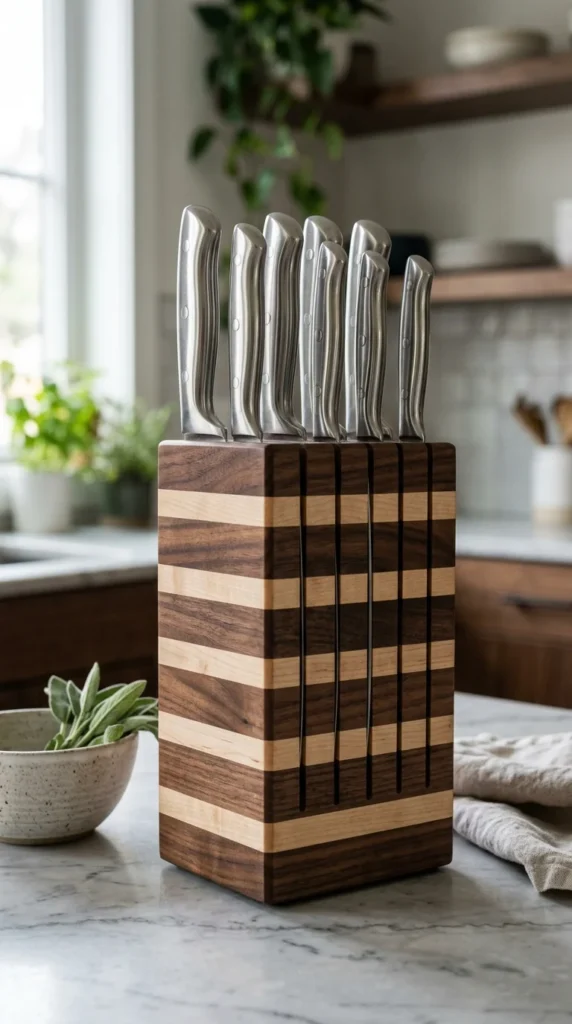
Standard knife blocks can be boring; building your own allows you to customize the slots for your specific blade collection. You can create a “universal” block by filling a wooden box with bamboo skewers, or a traditional one by gluing together boards with pre-cut grooves.
13. Step Stool
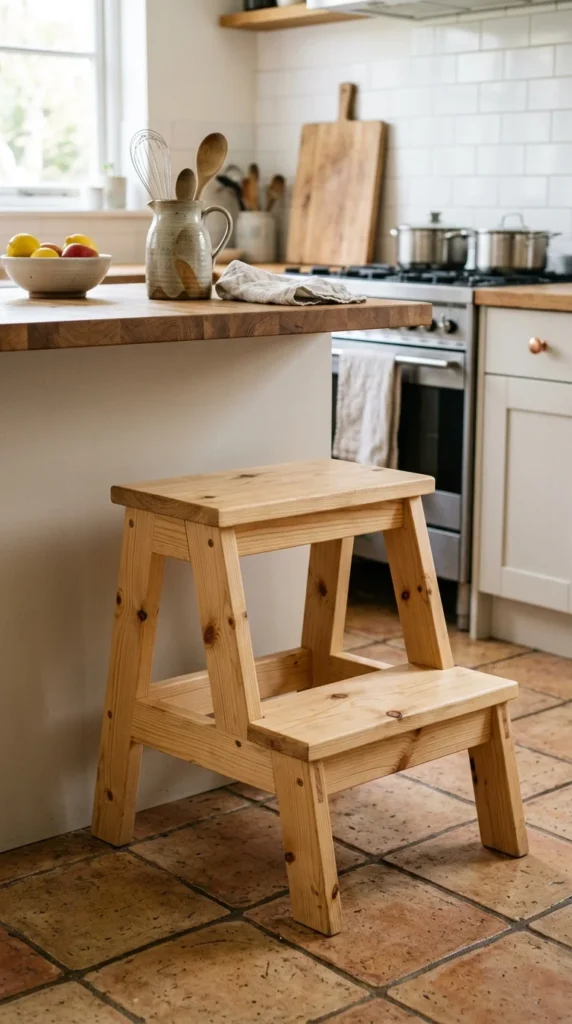
A step stool needs to be strong, making it a great project for learning about structural integrity. You will practice using wood glue and screws to create joints that can support the weight of an adult. It’s a functional item that every household needs.
14. Key Holder
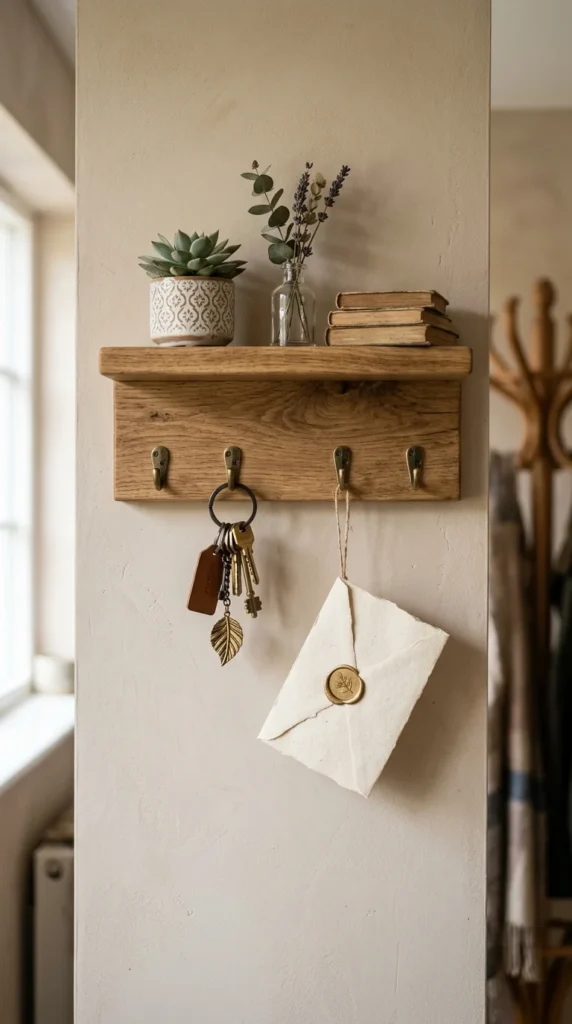
Never lose your keys again with a custom wall-mounted holder. This project combines a small shelf for mail with hooks for keys. It’s a quick build that allows you to experiment with different types of mounting hardware, such as keyhole slots or sawtooth hangers.
15. Sofa Sleeve
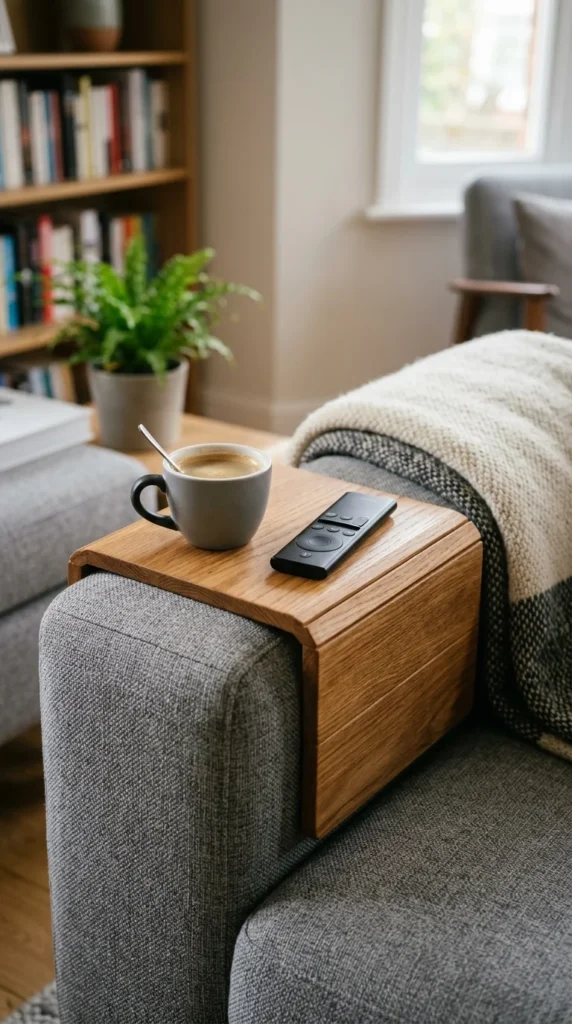
The sofa sleeve (or armrest table) is a modern solution for homes without space for end tables. It consists of three boards joined at right angles to “hug” the arm of your couch. Accuracy is key here to ensure a snug fit that doesn’t wobble.
16. Coffee Station
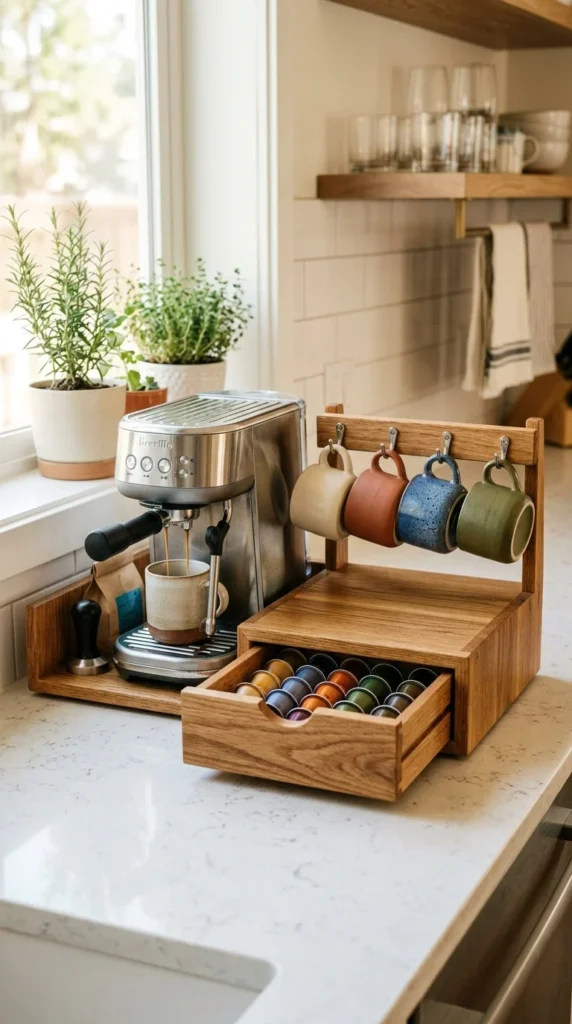
Transform a corner of your kitchen into a cafe. This project usually involves building a small platform or a hutch to house your espresso machine and accessories. It’s a great way to practice building small drawers or simple shelving units.
17. Boot Rack
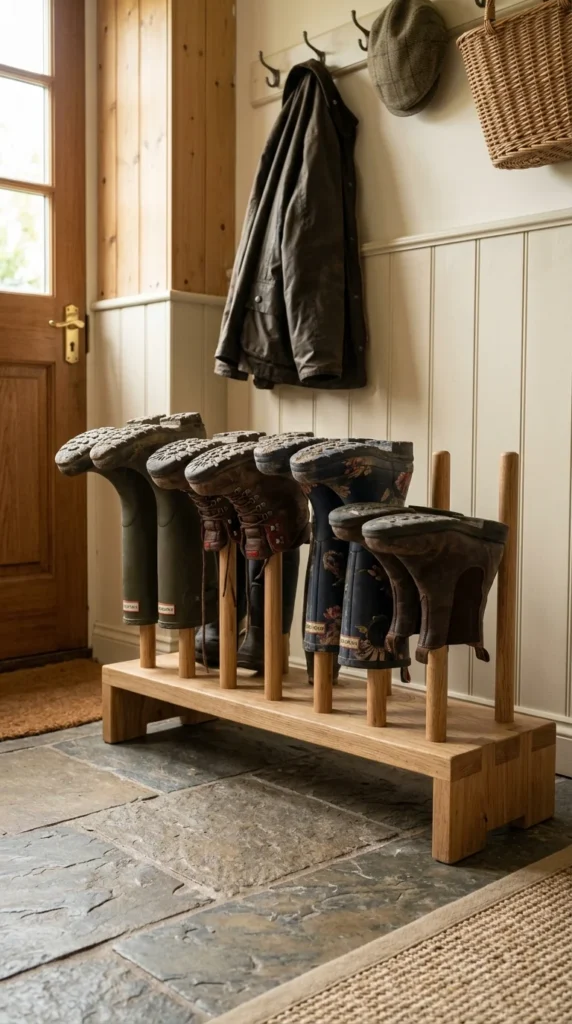
Keep your entryway clean with a dedicated boot rack. Using a thick base and sturdy dowels, you can create a stand that allows wet boots to dry properly without making a mess on the floor. It’s a simple exercise in drilling straight, deep holes.
18. Tool Box
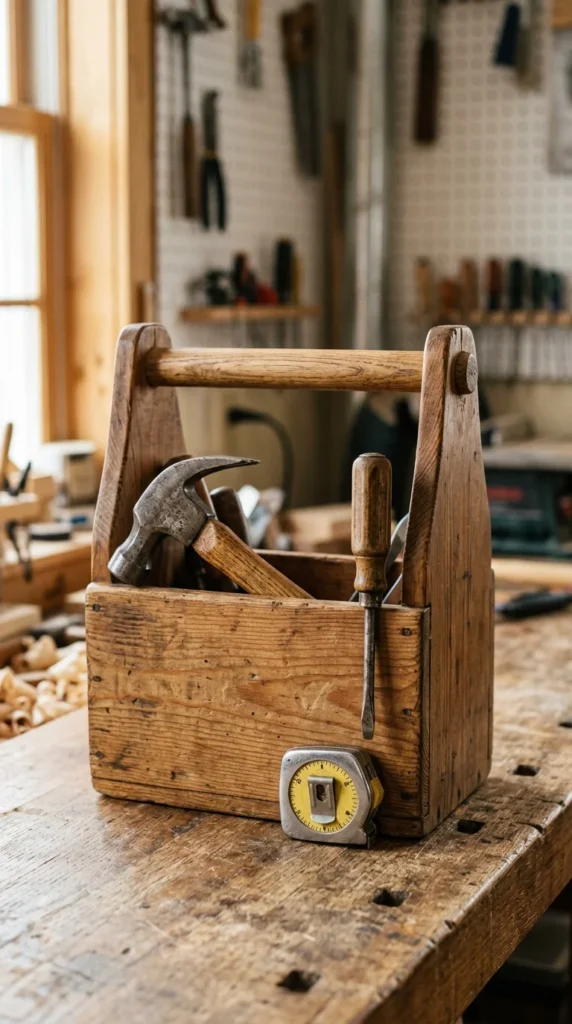
Before you build big projects, build a home for your tools. The traditional “tote” style toolbox features slanted sides and a central handle. It’s a durable project that teaches you about portable construction and angled joinery.
19. Phone Stand

This is one of the simplest wood projects. It often requires just two pieces of wood with notched centers that slide into each other. It’s a great introduction to “half-lap” joints and makes for a perfect stocking stuffer or small gift.
20. Monitor Riser

Ergonomics meet aesthetics with a monitor riser. By lifting your screen, you reduce neck strain. The build is straightforward: a top board and two side supports. You can add a middle shelf or a drawer as your skills progress.
21. Wall Art
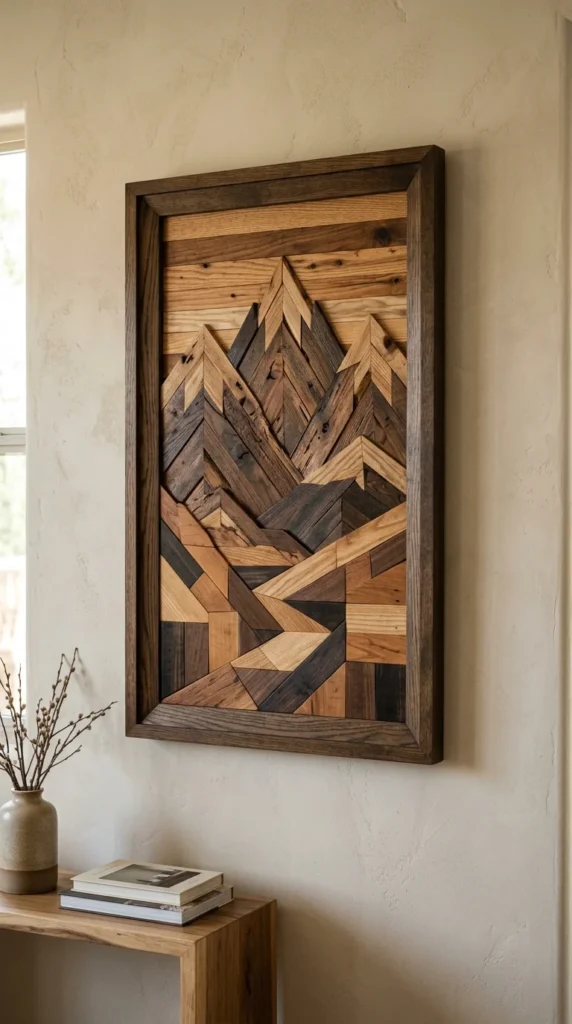
Woodworking isn’t always about furniture; it’s also about art. You can use thin strips of wood (like lath or pallet wood) to create mosaic patterns. This project is perfect for learning how to use a miter saw to cut various angles.
22. Lanterns
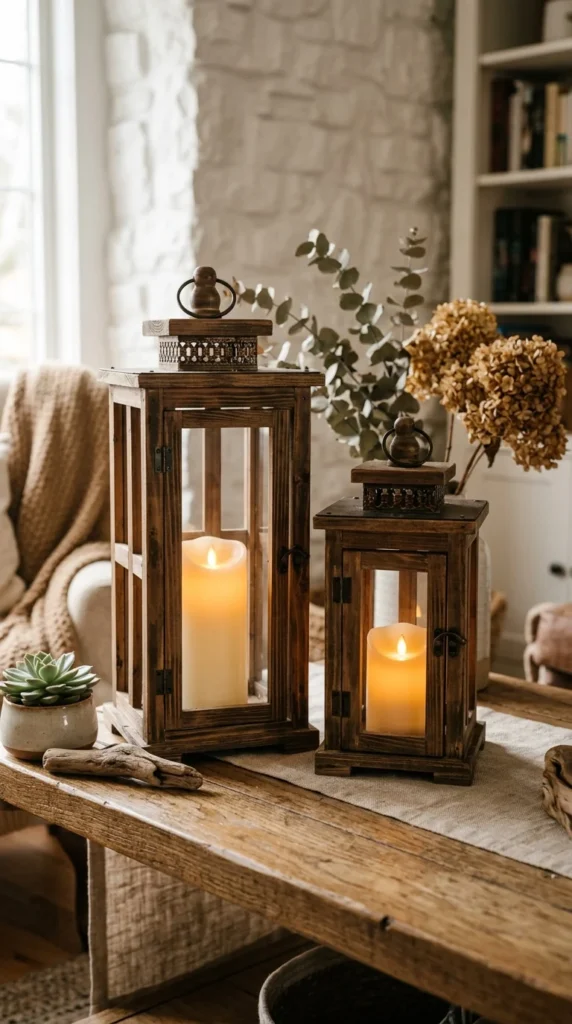
Wooden lanterns add a cozy glow to a porch or dining table. They involve creating a frame with thin square dowels and a solid base and top. It’s a delicate project that helps you develop a light touch with the hammer or nail gun.
23. Jewelry Box
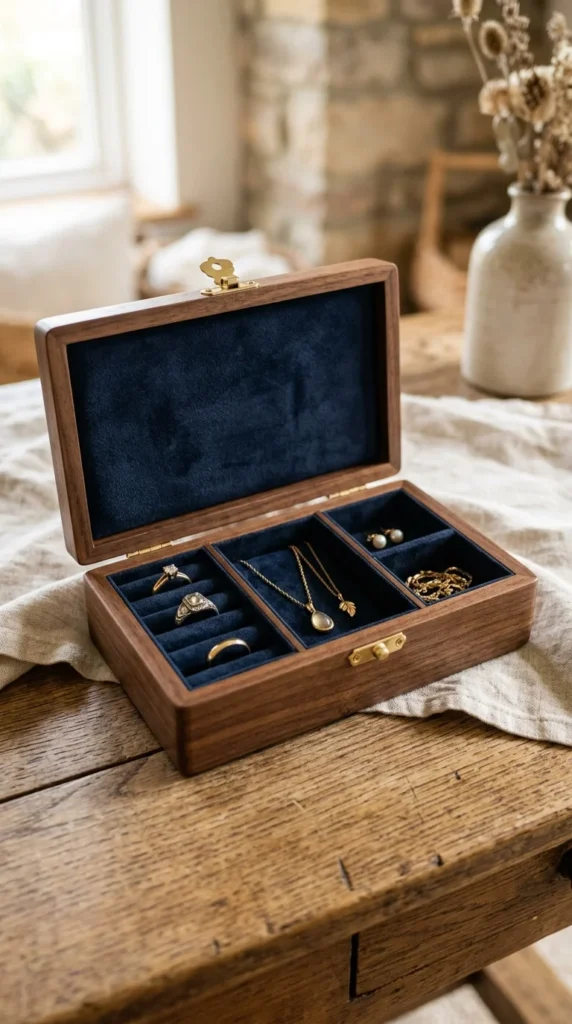
A jewelry box is a step up into “fine” woodworking. It requires careful assembly and the installation of small hinges. It’s an excellent project for practicing sanding and applying high-gloss finishes like lacquer or wax.
24. Wood Clock
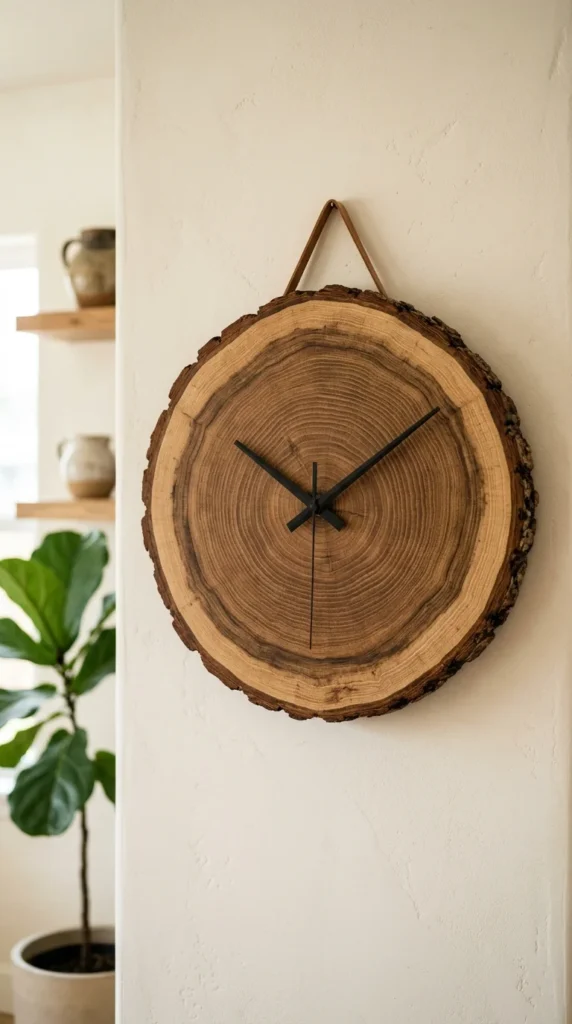
You don’t need to be a clockmaker to build a wood clock. By purchasing a simple battery-operated clock kit, you just need to drill a hole through a decorative piece of wood (like a live-edge slice or a geometric panel) and mount the mechanism.
25. Porch Swing
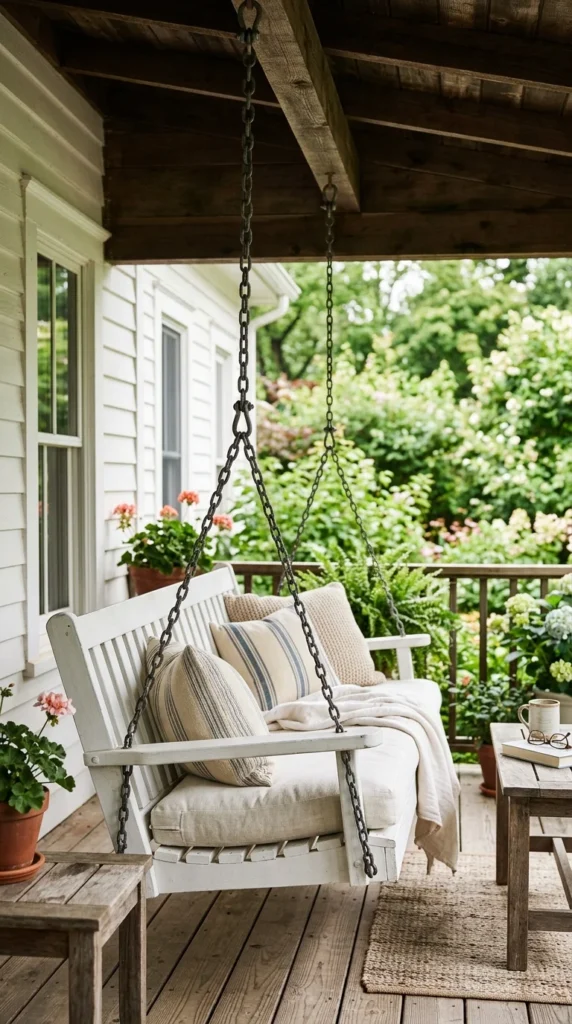
A porch swing is a larger project but still very beginner-friendly if you follow a set of plans. It involves creating a sturdy frame and a slatted seat. This project introduces you to working with heavy-duty hardware and ensuring weight-bearing safety.
26. Picture Frames

Making your own frames is much cheaper than buying custom ones. The challenge lies in the 45-degree miter cuts. If they don’t line up perfectly, you’ll learn the secret woodworker’s trick: a little wood filler and sanding goes a long way.
27. Outdoor Bench
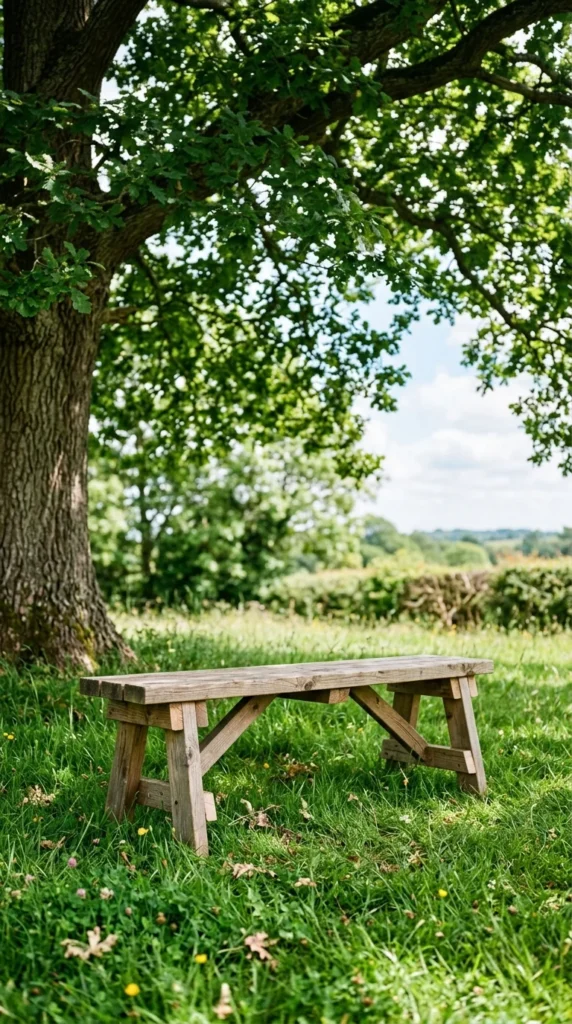
The “2×4 bench” is a staple for beginners. Using standard construction lumber found at any hardware store, you can build a sturdy, functional seat in just a couple of hours. It’s the perfect project to build your confidence before moving on to complex furniture.
Getting Started: The Beginner’s Toolkit
To tackle most of these projects, you don’t need a warehouse full of machinery. Here are the essentials:
- Tape Measure: Accuracy is everything.
- Speed Square: Essential for marking 90-degree and 45-degree angles.
- Power Drill: For making holes and driving screws.
- Miter Saw or Circular Saw: For making straight and angled cuts.
- Orbital Sander: To get that professional, smooth finish.
- Wood Glue: Often stronger than the wood itself when dried.
Woodworking is a journey of a thousand sawdust piles. Start small, be patient with your mistakes, and soon you’ll be filling your home with handmade treasures.