
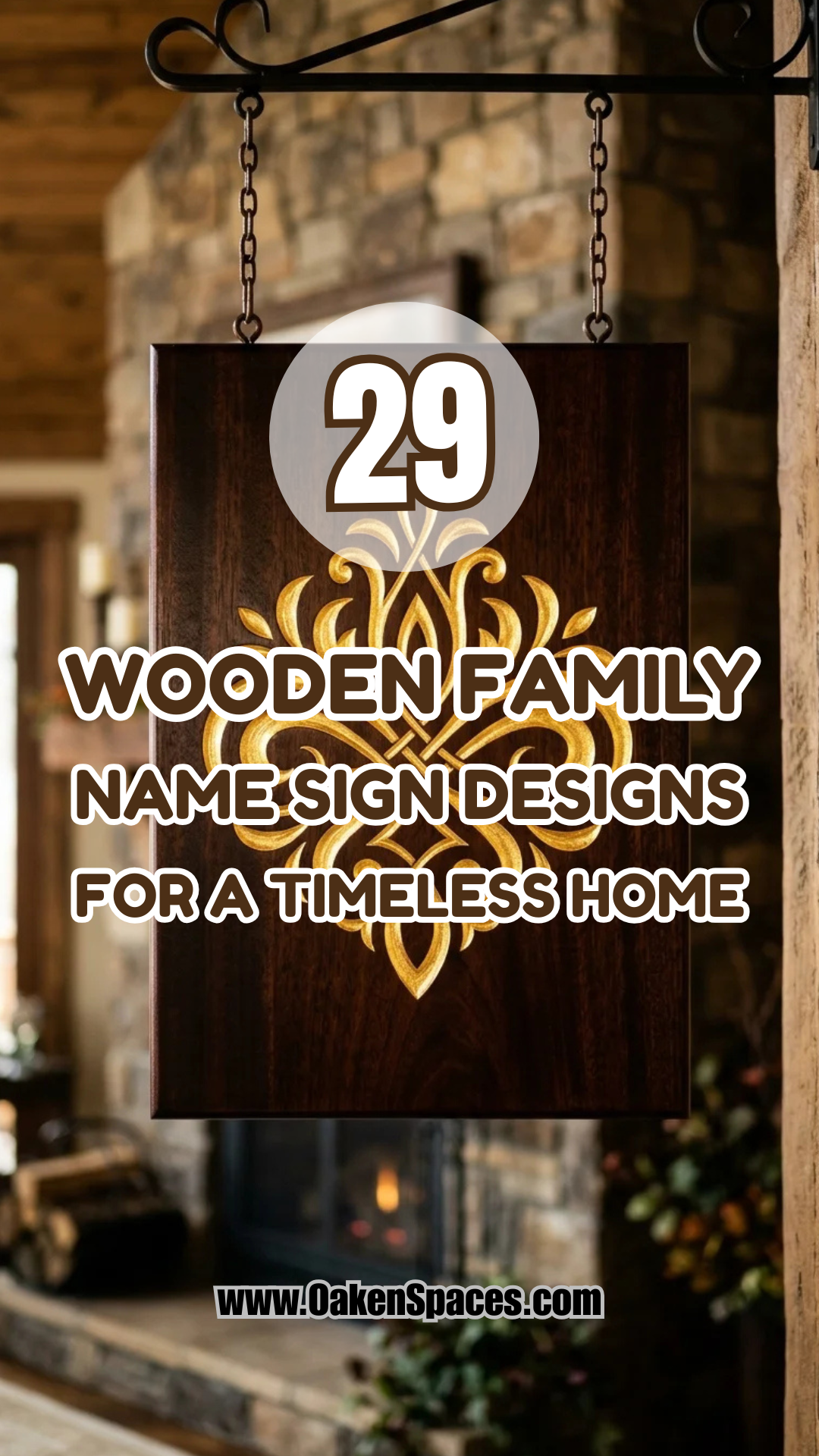
A home is more than just four walls and a roof; it is a repository of memories, a sanctuary of belonging, and a testament to the legacy of the people who live within it. One of the most powerful ways to ground a space in its identity is through the use of personalized wooden family name signs. These pieces act as a focal point, offering a warm welcome to guests and a sense of pride to the inhabitants.
Wood, as a medium, is inherently timeless. Its grain, texture, and organic warmth allow it to blend seamlessly into any architectural style, from the rugged charm of a mountain cabin to the sleek lines of a contemporary urban loft. Whether you are looking for a gift for a housewarming, a wedding, or simply want to elevate your own interior design, these 29 wooden family name sign designs offer a wealth of inspiration for creating a lasting family heirloom.
1. Rustic Reclaimed
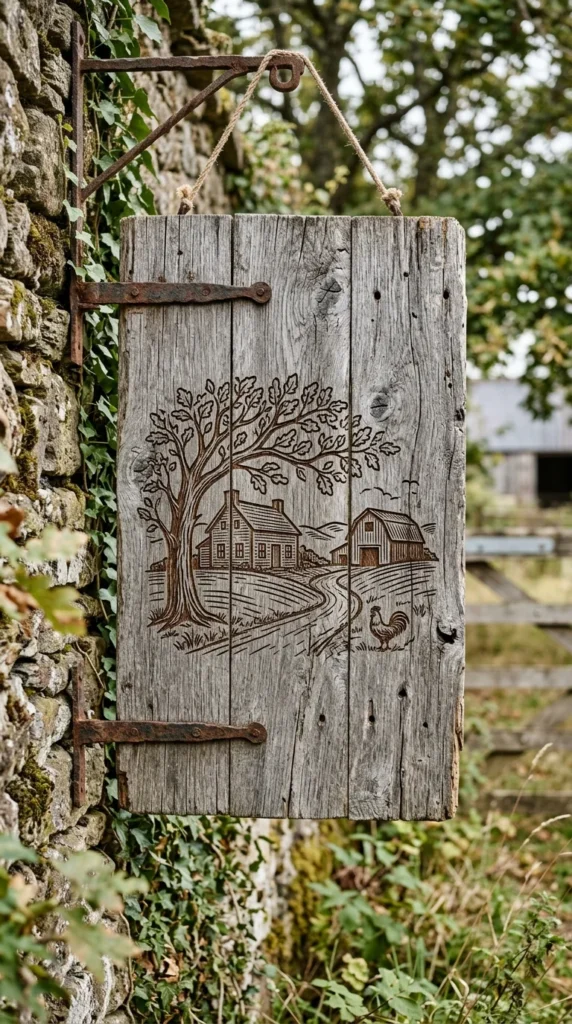
Rustic reclaimed wood signs bring a sense of history and environmental consciousness into the home. These signs are often crafted from old barns, fences, or shipping pallets, meaning no two pieces are exactly alike. The natural weathering—caused by years of exposure to the elements—provides a beautiful silvery-gray or deep brown patina that cannot be replicated by modern staining techniques. This design is perfect for those who appreciate the “perfectly imperfect” aesthetic and want to add a touch of rugged history to their mudroom or porch.
2. Modern Minimalist
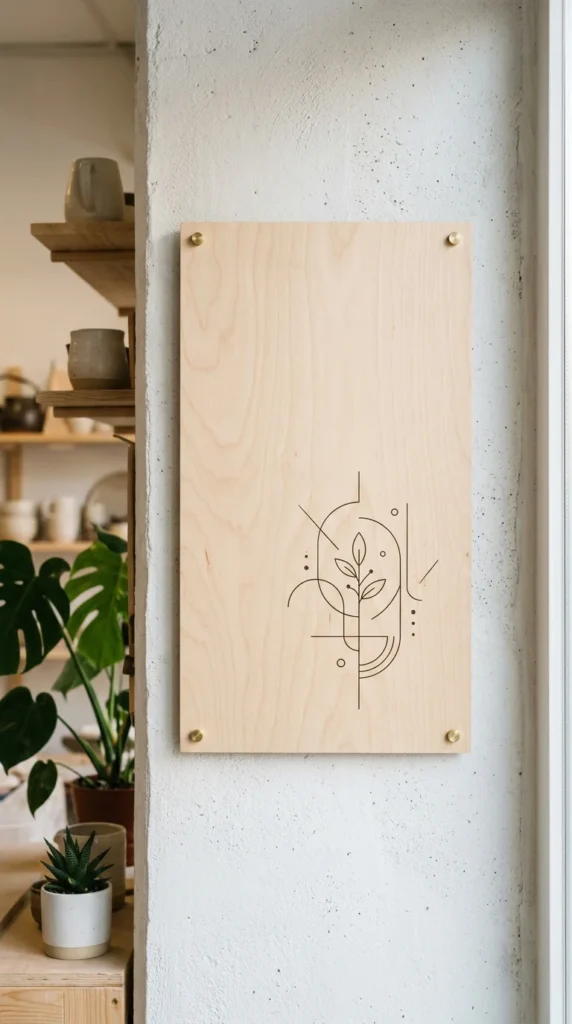
For the contemporary home, less is often more. The modern minimalist wooden sign focuses on clean lines, light wood species like maple or birch, and simple typography. Rather than ornate flourishes, these signs rely on the beauty of the wood grain and the precision of the engraving. The result is a sophisticated piece that feels light, airy, and unobtrusive, making it an excellent choice for a hallway gallery wall or a modern kitchen.
3. Round Script
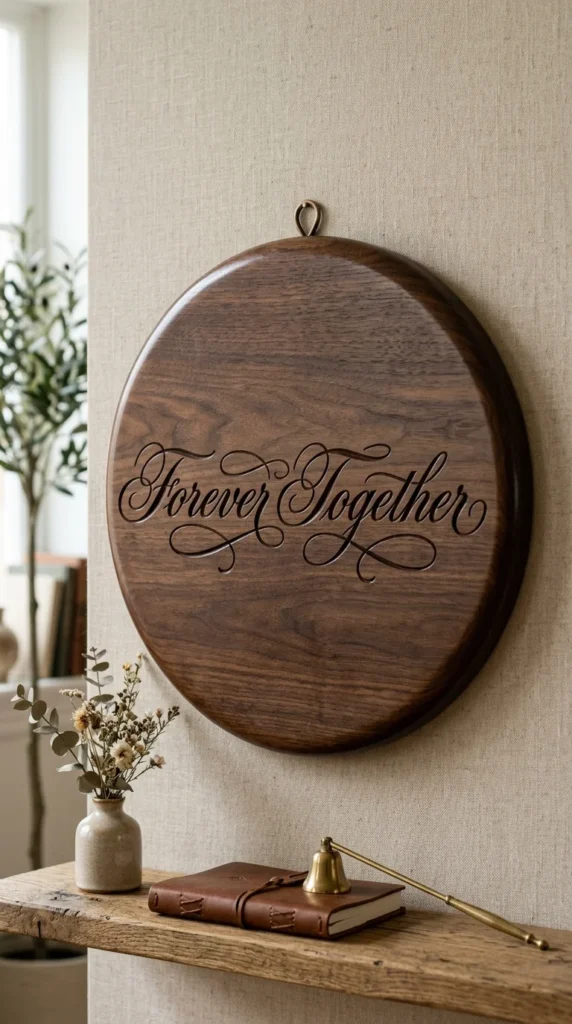
Circular signs break up the rectangular lines often found in furniture and doorways. A round script design typically features a family name in a bold, flowing cursive font that fills the center of the circle. The circular shape symbolizes unity and infinity, making it a meaningful choice for a family nameplate. These look particularly stunning when hung above a fireplace mantle or as a centerpiece in a dining room.
4. Farmhouse White Wash
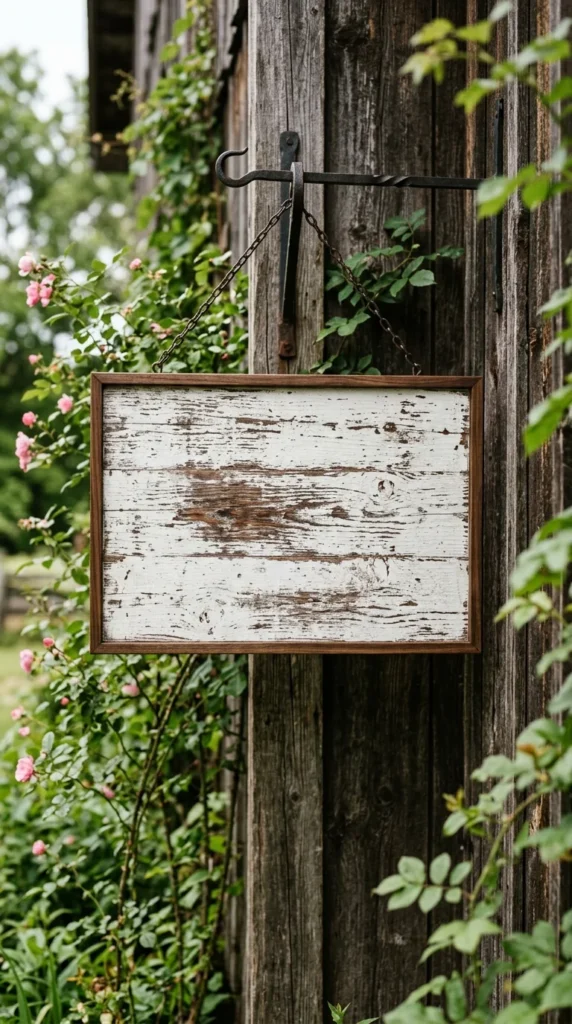
The farmhouse style remains a staple of interior design for its cozy, lived-in feel. A white-washed wooden sign offers a bright, clean look while maintaining the texture of the wood. By applying a thin layer of white paint and then sanding it back, craftsmen create a look that feels aged and cherished. This style is often paired with a simple black serif font for a classic high-contrast look that pops against neutral walls.
5. Live Edge Slab
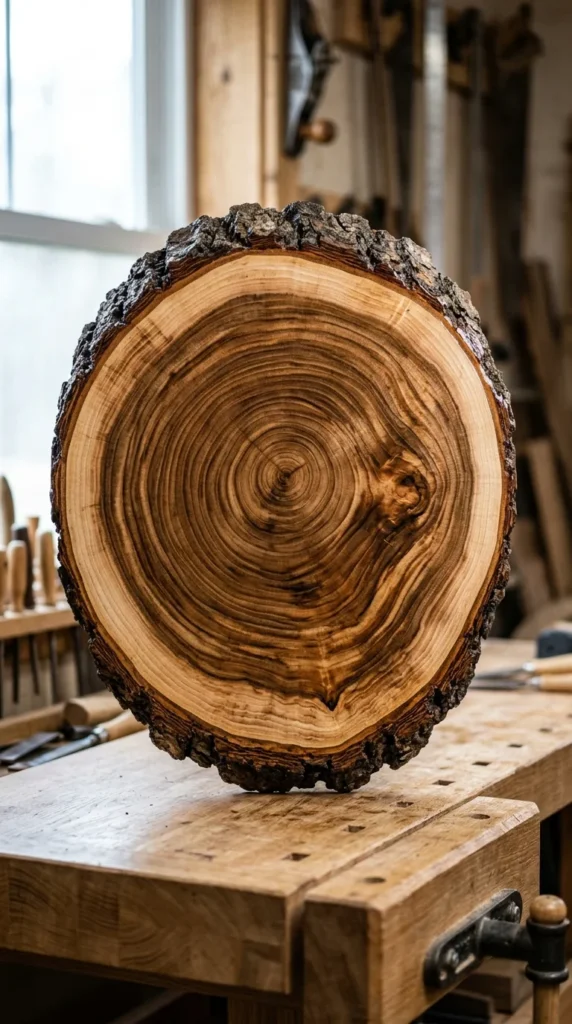
Live edge signs are for those who want to bring the raw beauty of nature indoors. These signs utilize the natural periphery of the tree, complete with bark and organic curves. Each piece is entirely unique, dictated by the way the tree grew. Because the edges are irregular, these signs act more like a piece of sculpture than a traditional plaque. They are best suited for large spaces like a great room or an outdoor entryway where their scale and texture can be fully appreciated.
6. Laser Cut 3D
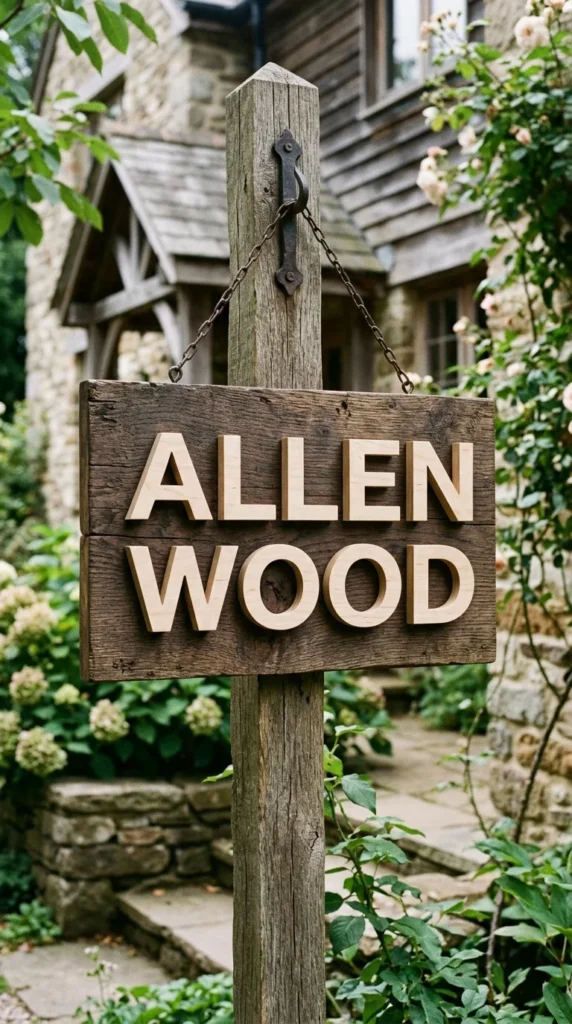
Dimensionality adds a layer of luxury to a family sign. Laser-cut 3D designs involve cutting the family name out of a separate piece of wood (or acrylic) and mounting it onto a baseboard. This creates real shadows and depth that change as the light moves through the room. Using a different wood species for the letters—such as dark walnut letters on a light oak background—creates a striking visual contrast that demands attention.
7. Vertical Porch Sign
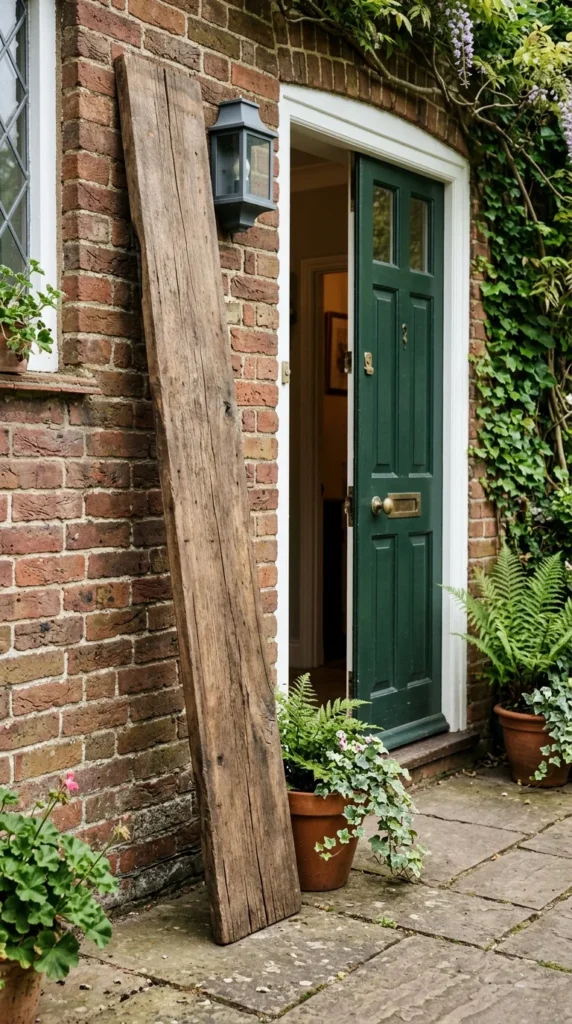
The vertical porch sign is the ultimate “welcome home” statement. Typically standing between four and six feet tall, these signs are designed to lean against the exterior of the house near the front door. They are robust, weather-resistant, and provide an instant boost to curb appeal. Often featuring the family name or a simple “The [Name]s,” they serve as a tall, friendly beacon for guests.
8. Distressed Barnwood
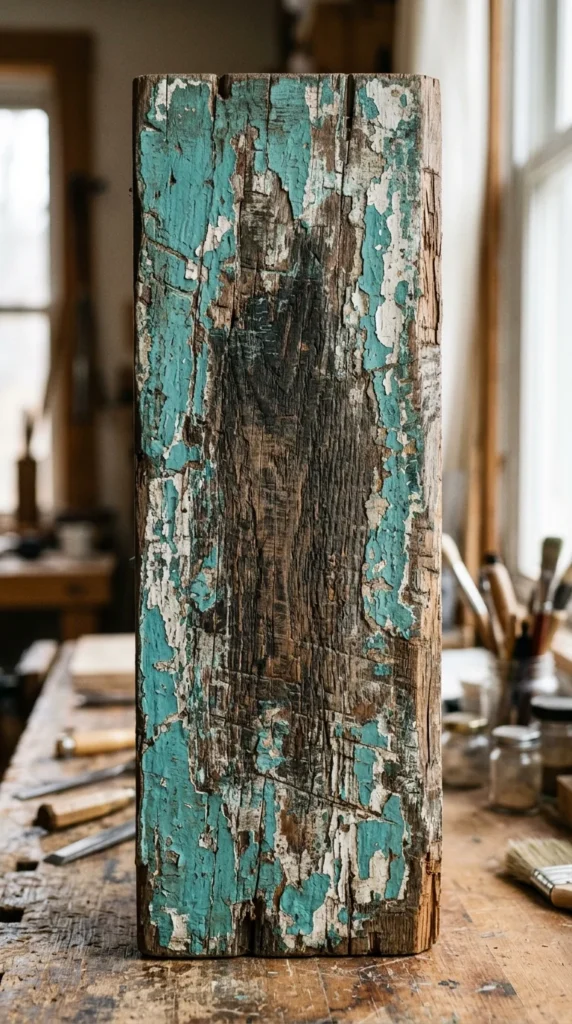
While similar to reclaimed wood, distressed barnwood designs often lean more into the “shabby chic” territory. These signs frequently use layers of paint that are strategically removed to create a weathered, antique appearance. They evoke the feeling of a sign that has hung on a family farm for generations. This design works exceptionally well in homes with a vintage or eclectic decor style.
9. Elegant Gold Inlay
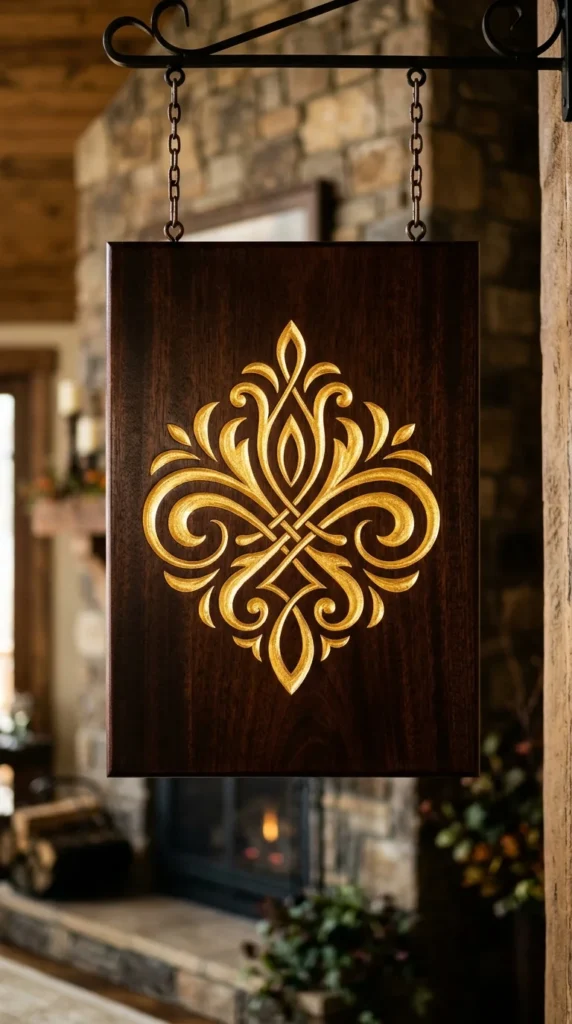
For a touch of formality and opulence, gold inlay is the gold standard. The family name is carved or routed into a dark, premium hardwood, and the void is then filled with gold leaf or metallic epoxy. The contrast between the organic dark wood and the reflective metallic gold is breathtakingly elegant. This is an ideal choice for an executive home office or a formal dining area.
10. Monogrammed Shield
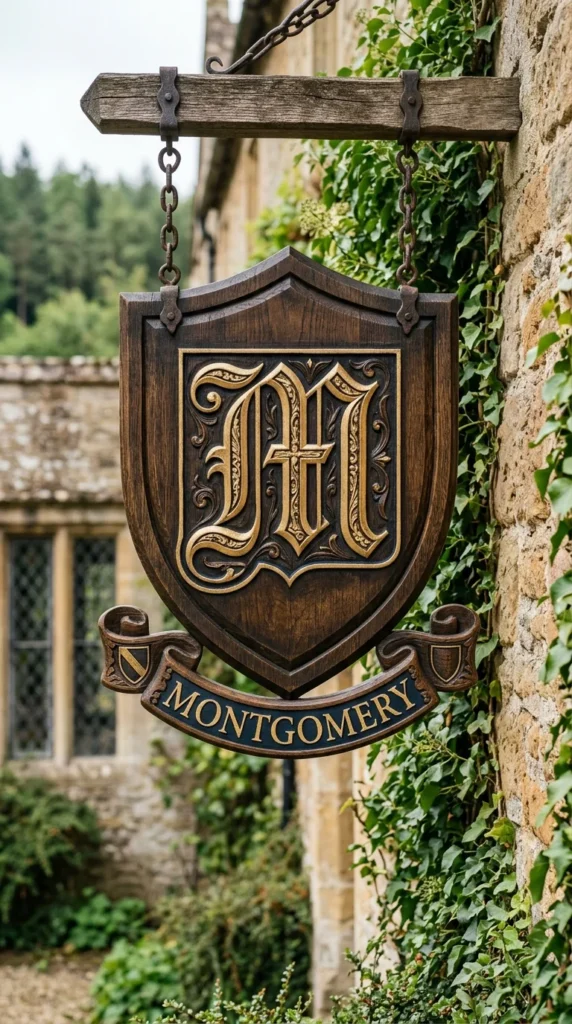
Drawing inspiration from traditional family crests, the monogrammed shield design offers a sense of heritage and protection. The shield shape provides a structured, formal frame for the family name. This design is often highly detailed, sometimes incorporating other elements like the “established” date or even simple floral or leaf carvings to frame the central monogram.
11. Hanging Chalkboard Style
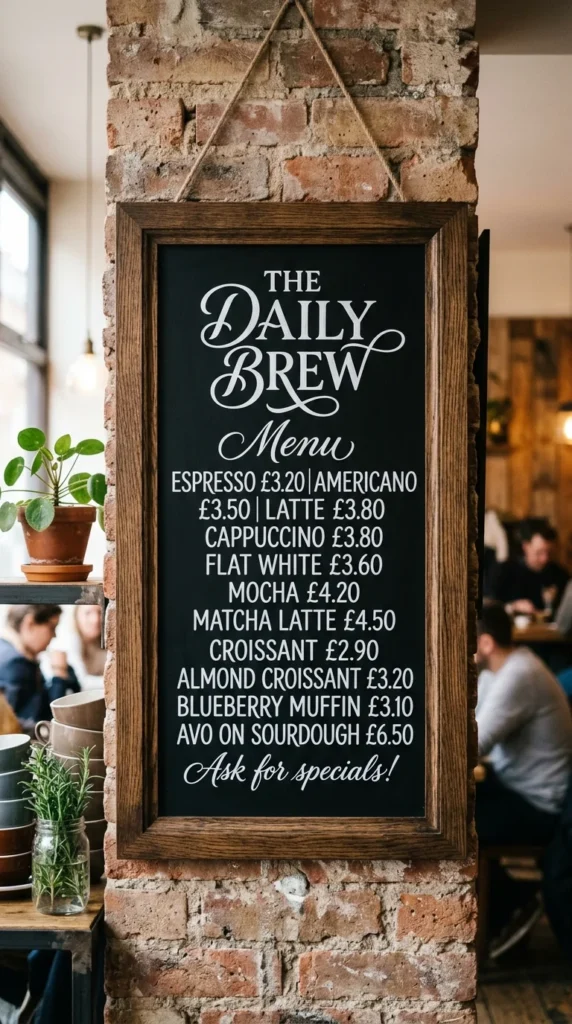
The chalkboard aesthetic offers a nostalgic, schoolhouse charm. These signs use wood as the base but are finished with a matte black surface. The white lettering is often designed to look like hand-drawn calligraphy, complete with flourishes and varying line weights. This style is perfect for kitchens or pantries where a casual, friendly vibe is desired.
12. Carved Mahogany
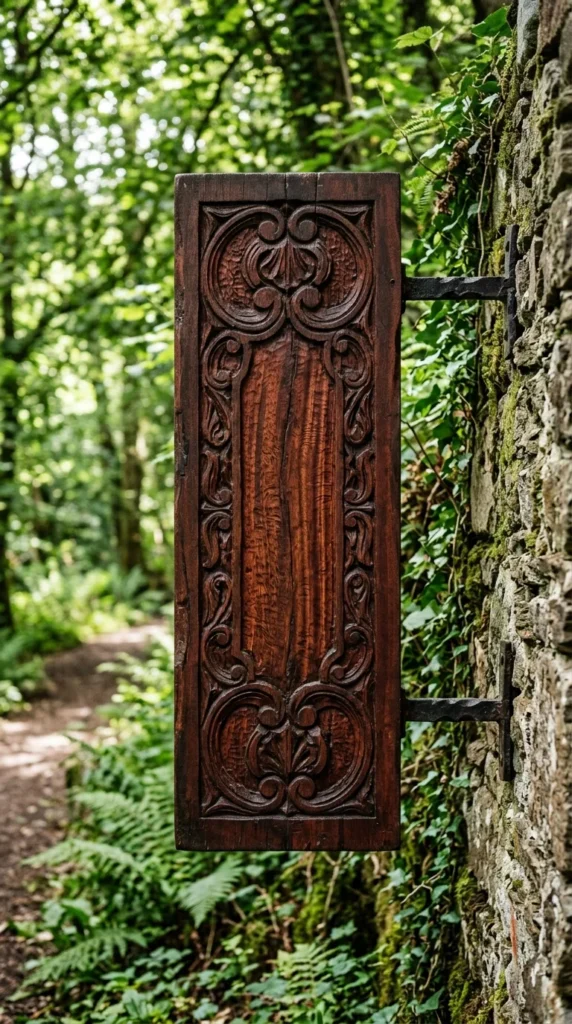
Mahogany is a wood associated with prestige and longevity. A carved mahogany sign is a true heirloom piece. Unlike signs where the name is painted on the surface, carving removes material to create a permanent physical impression. Over time, the mahogany will darken and richen in color, making the sign even more beautiful as the decades pass.
13. Shiplap Plank
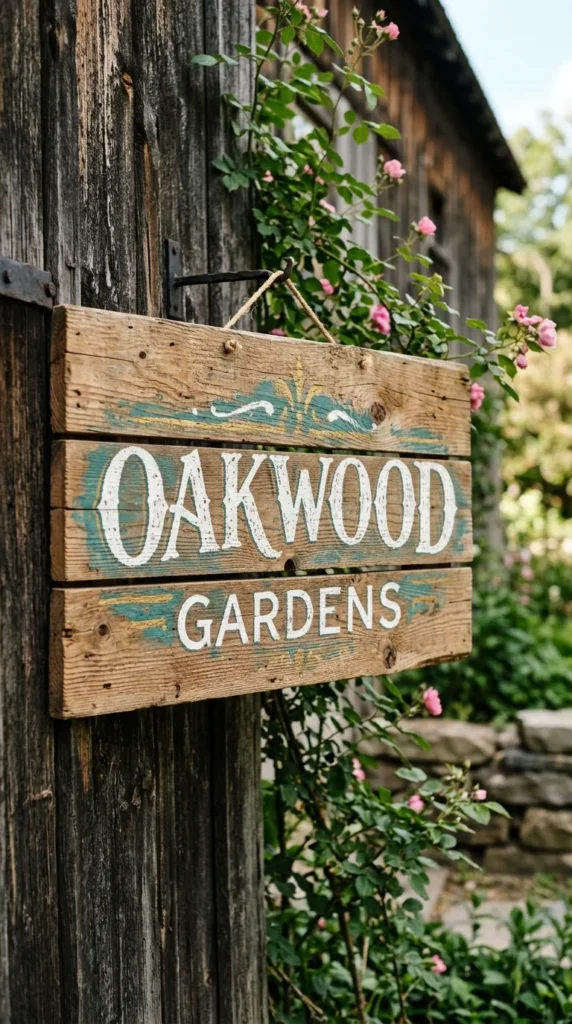
The shiplap plank design mimics the popular interior wall treatment. By using multiple horizontal boards instead of a single solid piece, the sign gains a rhythmic, architectural quality. This design is fantastic for adding horizontal lines to a wall, which can help make a small room feel wider. It is a quintessential element of the modern farmhouse look.
14. Industrial Metal & Wood
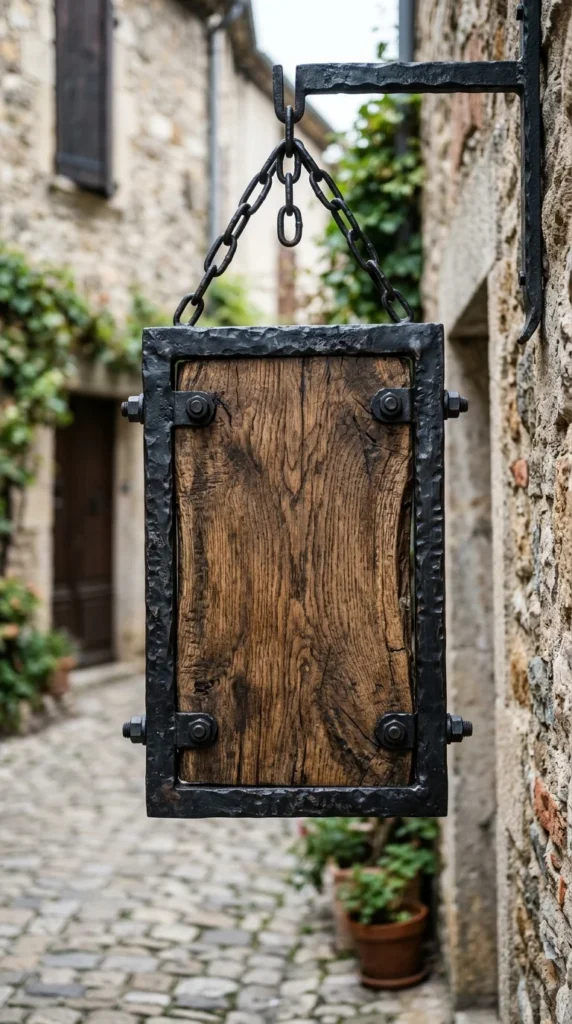
For homes with an industrial or “soft loft” aesthetic, combining wood with metal creates a perfect balance of warm and cool elements. These signs often feature a wooden center for the name, encased in a frame of raw steel or wrought iron. The use of visible bolts or rivets adds to the “engineered” feel of the piece, making it a rugged and masculine addition to a space.
15. Chevron Pattern
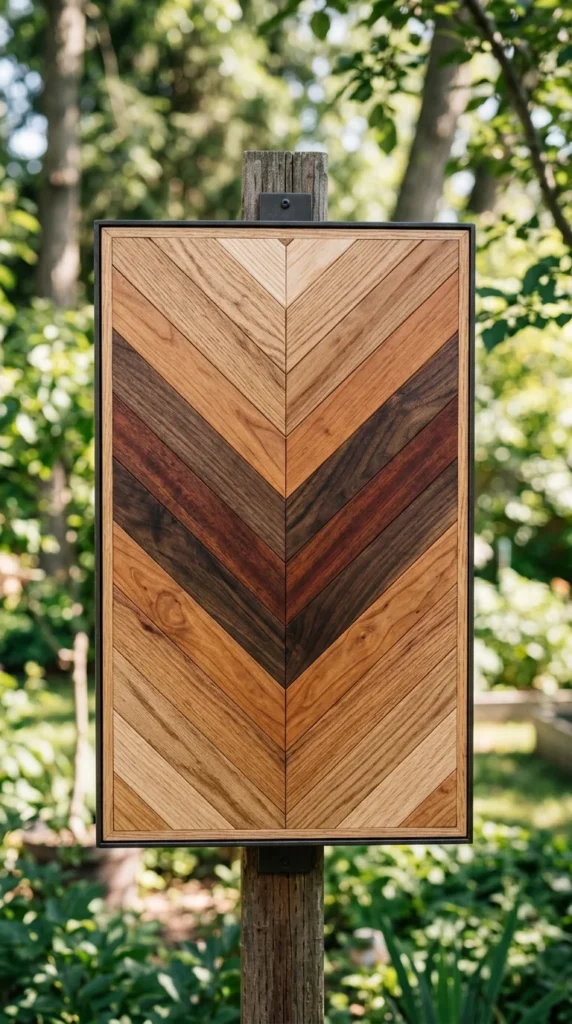
The chevron pattern adds a dynamic sense of movement to a wooden sign. By assembling the background from multiple small pieces of wood in a geometric pattern, the sign becomes a work of parquet art. The family name is then placed on top, usually in a solid color to ensure it remains legible against the busy, beautiful background.
16. Script with Est. Date
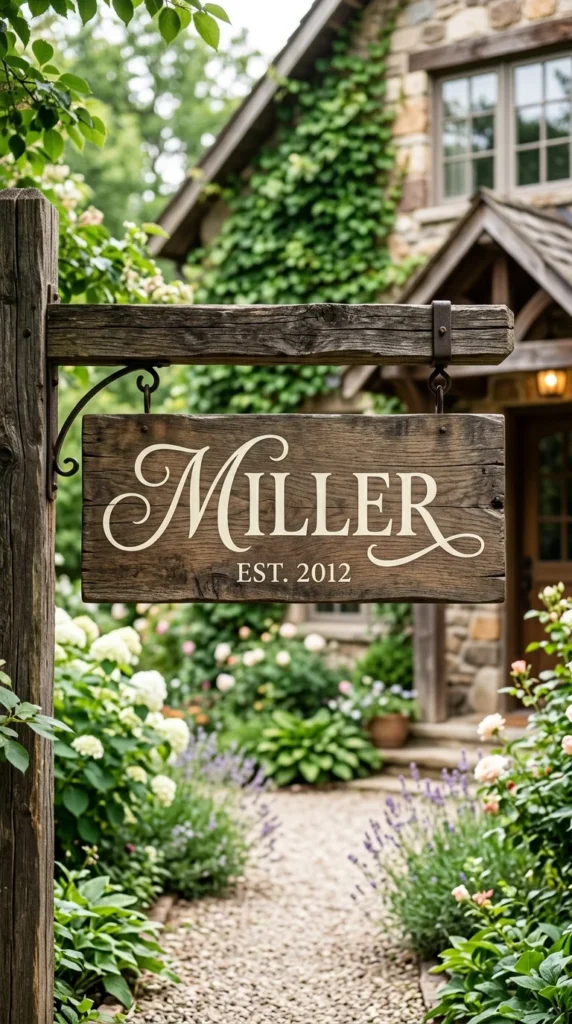
Adding an “Established” date is a classic way to turn a name sign into a celebration of a family’s beginning. Whether it is the year a couple was married or the year a home was purchased, the date adds a chronological context to the name. This design is highly popular for wedding and anniversary gifts, serving as a permanent reminder of a significant milestone.
17. Dark Walnut Finish
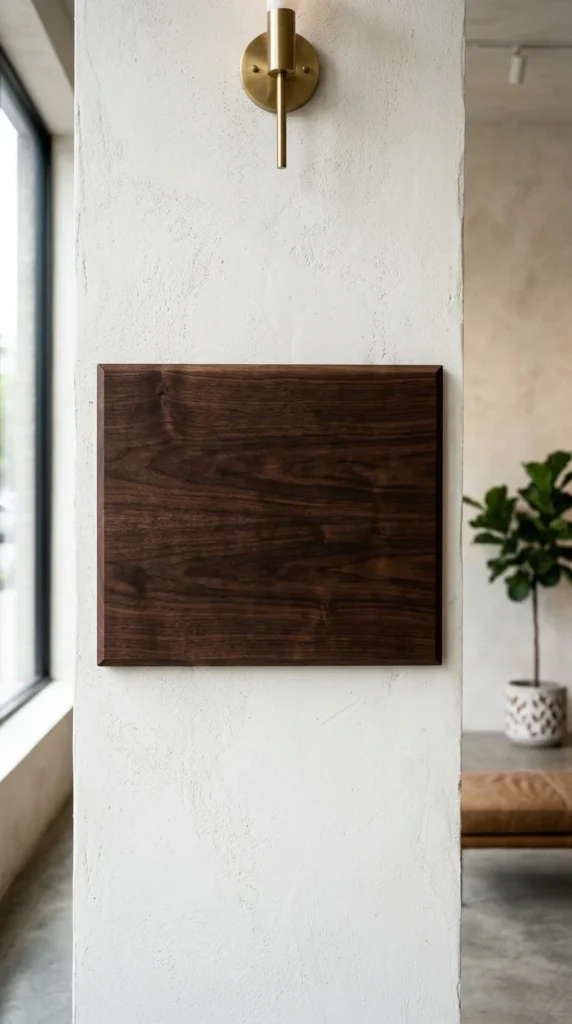
Dark walnut is perhaps the most sought-after wood for high-end signage. Its naturally dark color and tight, swirling grain patterns exude sophistication. A simple, well-crafted walnut sign doesn’t need much ornamentation; the quality of the wood itself tells the story. These signs look best with simple white or gold lettering that provides a sharp contrast to the dark timber.
18. Hexagonal Geometric
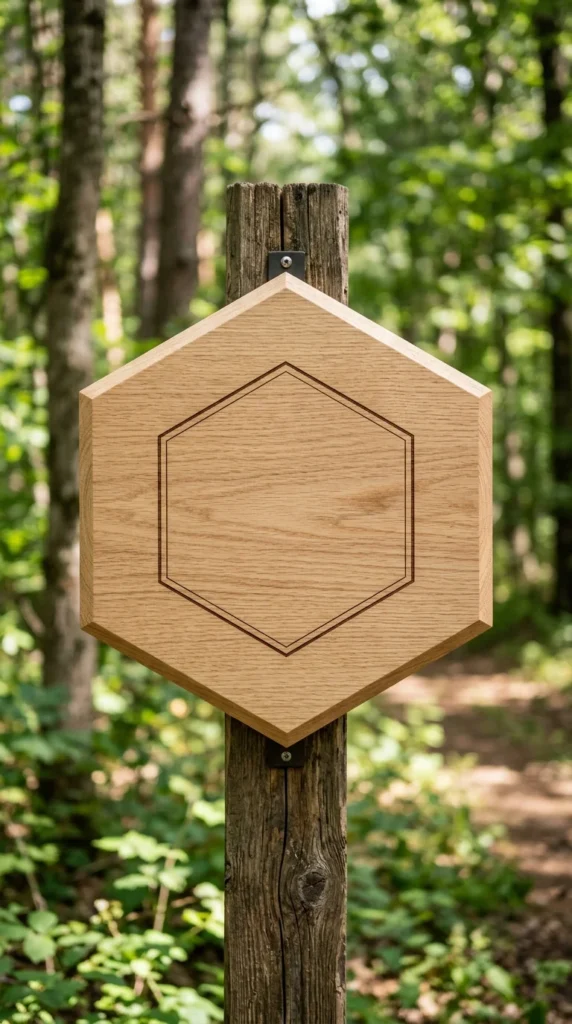
Moving away from squares and circles, the hexagon offers a modern, geometric twist on the family sign. This shape feels fresh and “on-trend,” fitting perfectly into contemporary homes. Hexagonal signs can also be grouped together; for instance, a large central sign with the family name, surrounded by smaller hexagons featuring individual family members’ names.
19. Stained Plywood
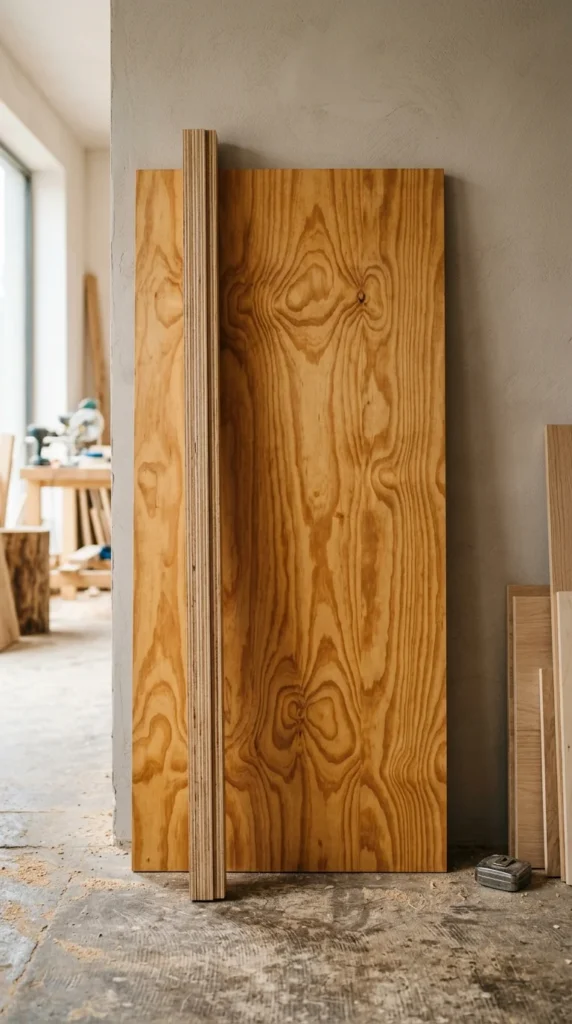
Plywood is often overlooked, but it can be an incredibly stylish and affordable material for large-scale signs. When stained, the bold, wide grain of the pine or birch layers creates a dramatic, mid-century modern look. The thin profile of the plywood allows for a very large sign that remains lightweight and easy to hang, making it perfect for rental homes or large accent walls.
20. Painted Floral Border
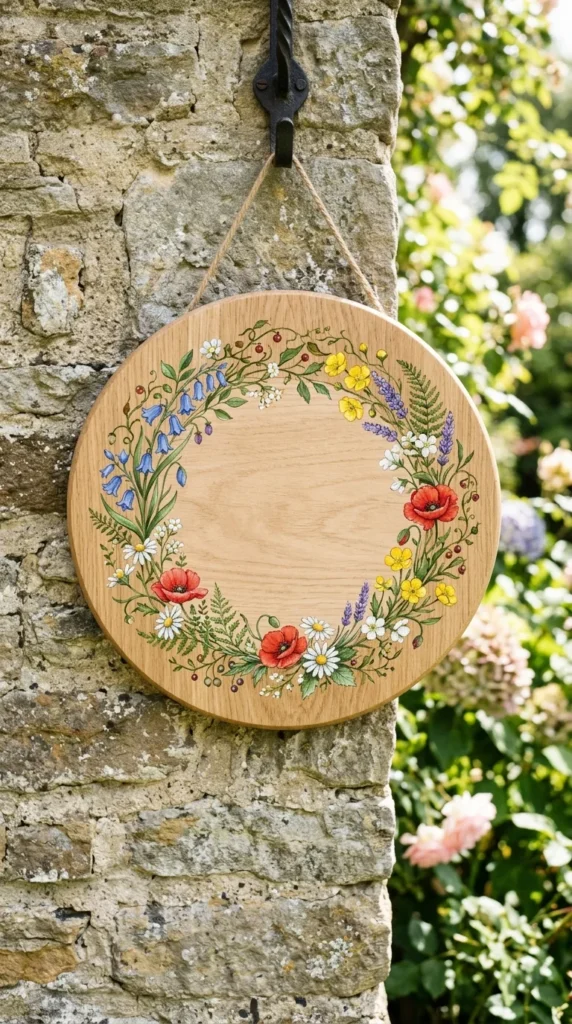
A painted floral border adds a touch of softness and color to the natural wood. This design is perfect for those who want a more “cottagecore” or feminine aesthetic. The flowers can be customized to represent the family’s favorites or to match the color palette of the room. It transforms a simple nameplate into a vibrant piece of art.
21. Scalloped Edge
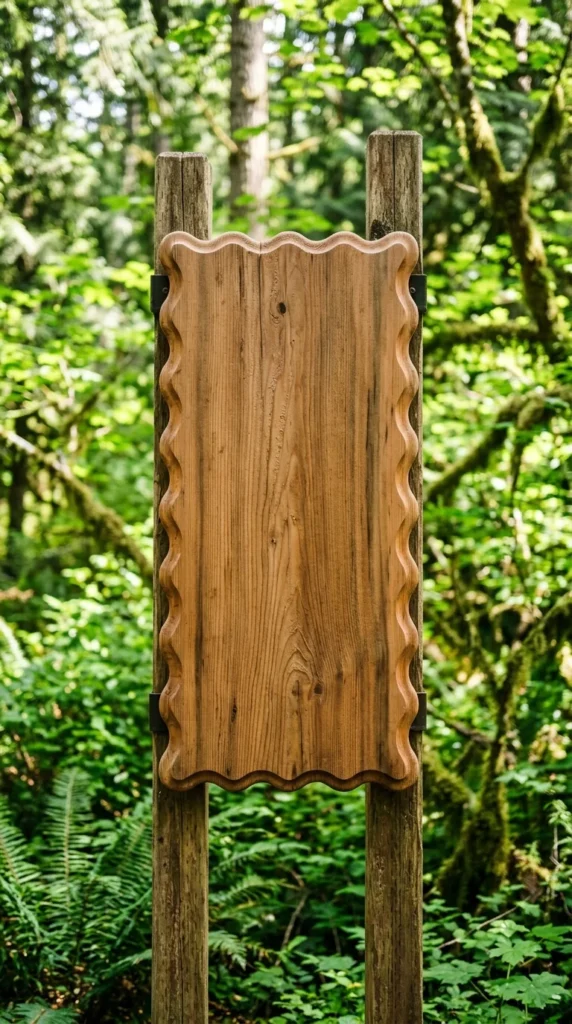
The scalloped edge is a subtle detail that adds a traditional, almost Victorian charm to a wooden sign. It softens the overall look of the piece, making it feel more decorative and less functional. This style works beautifully in nurseries, bedrooms, or as a welcoming piece in a traditional foyer.
22. Burnt Wood (Pyrography)
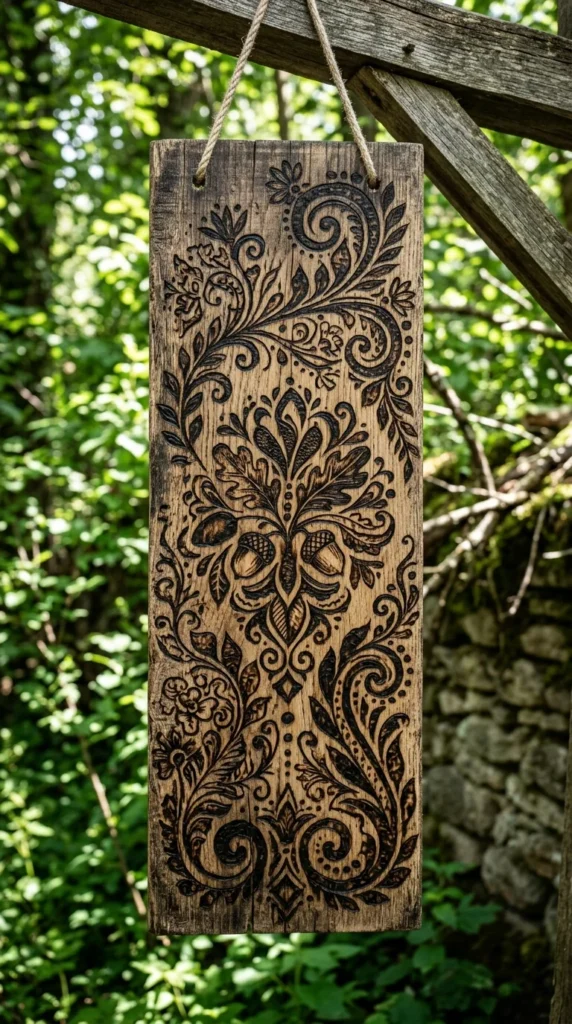
Pyrography, or wood-burning, is an ancient art form that uses heat to create designs. A burnt wood sign has a unique, hand-crafted feel that cannot be replicated by paint or printers. The scent of charred wood and the organic, varying shades of brown and black give these signs a deep sense of authenticity. They are perfect for cabins, lodges, or any home that embraces a “maker” aesthetic.
23. Double Sided Bracket
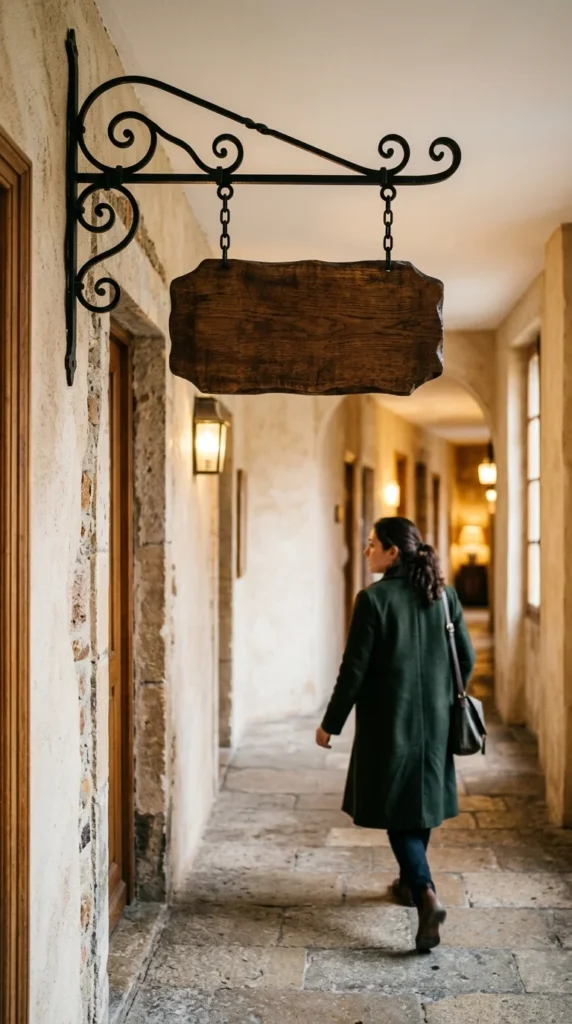
The double-sided bracket sign takes its inspiration from old European shop signs. Instead of mounting flat against a wall, it hangs from a wrought-iron bracket, allowing it to be seen from two directions. This is a functional and stylish choice for long hallways or for mounting on a post at the end of a driveway. It adds a sense of “destination” to the home.
24. Pallet Wood Collage
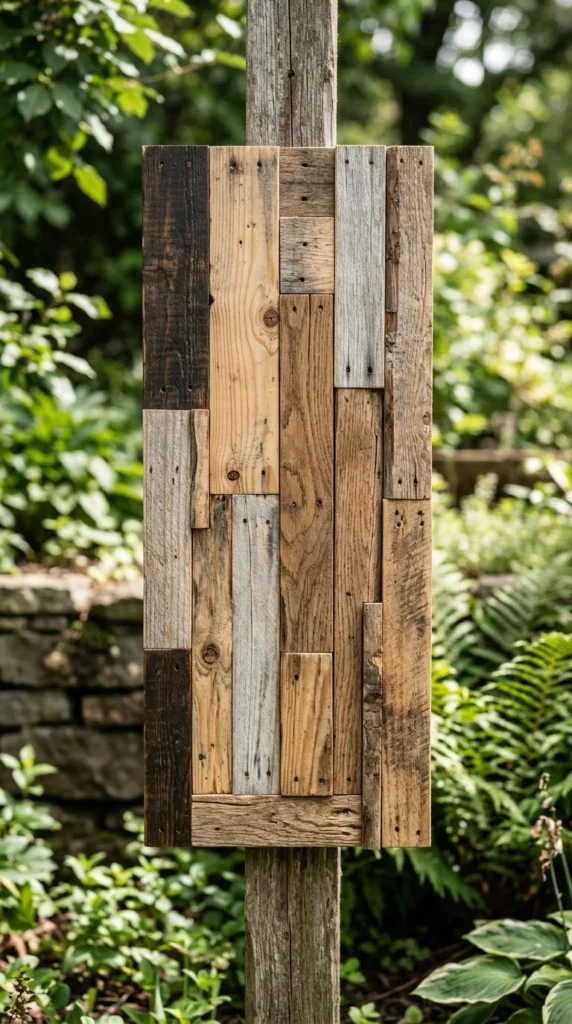
The pallet wood collage is the height of the “upcycled” movement. By using pieces of wood with different heights and stains, the sign becomes a textured mosaic. This design is full of character and provides a heavy, substantial look that works well as a focal point over a large piece of furniture like a buffet or a media console.
25. Resin Pour Infill
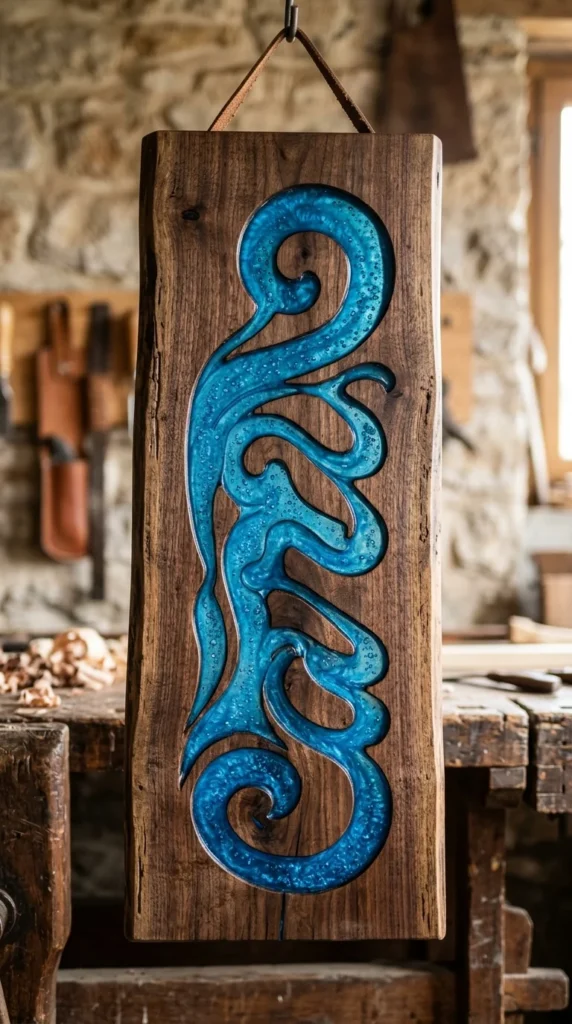
Modern technology meets traditional woodworking in the resin pour design. A name is carved deep into a wooden slab, and the void is then filled with colored epoxy resin. This allows for incredible customization, from “river” effects to shimmering metallic swirls. The resin dries to a hard, glass-like finish, creating a stunning contrast with the matte texture of the surrounding wood.
26. Distressed Teal Accent
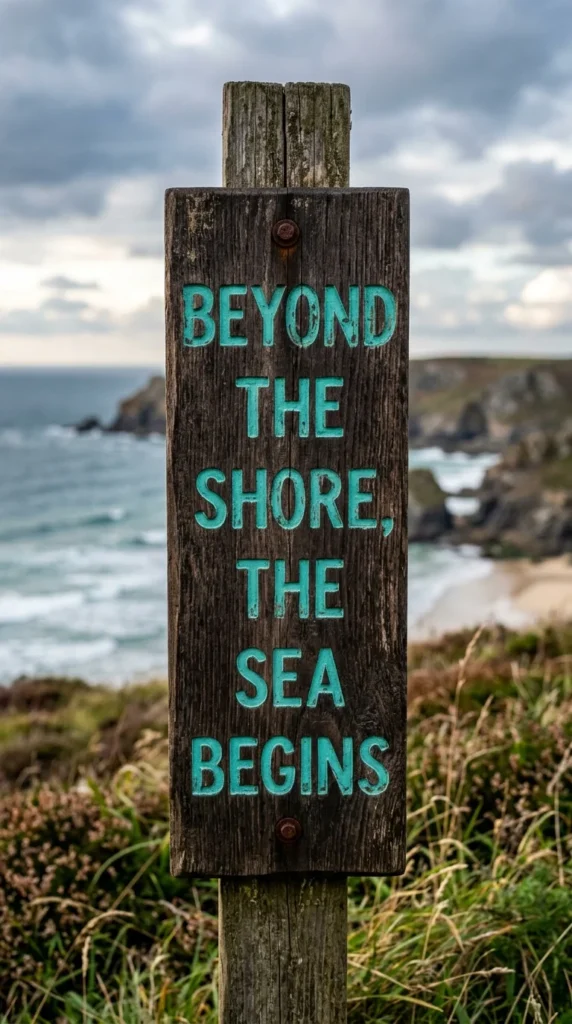
Sometimes, all a wooden sign needs is a single pop of color. Using a distressed teal or turquoise for the lettering adds a coastal or bohemian flair to the piece. This is a great way to tie the sign into other accent colors in your room, such as throw pillows or curtains, while still maintaining the timeless look of wood.
27. Horizontal Slat Sign
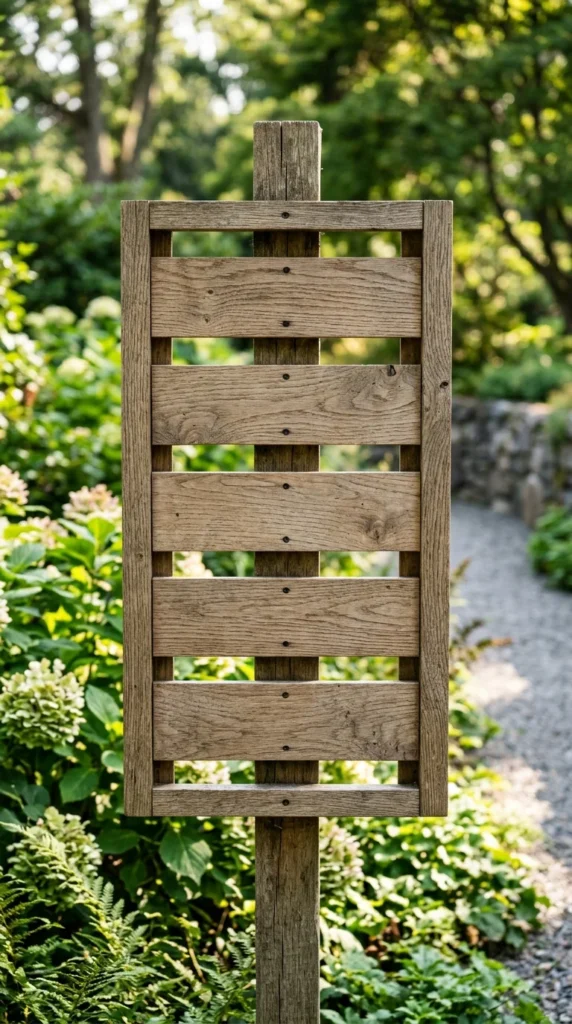
The horizontal slat sign is a more contemporary version of the shiplap design. The visible gaps between the slats create a sense of lightness and transparency. It’s an excellent choice for a wall that already has a lot of texture, as the gaps allow the wall color to peek through, integrating the sign more fully into the architecture of the room.
28. Bamboo Engraving
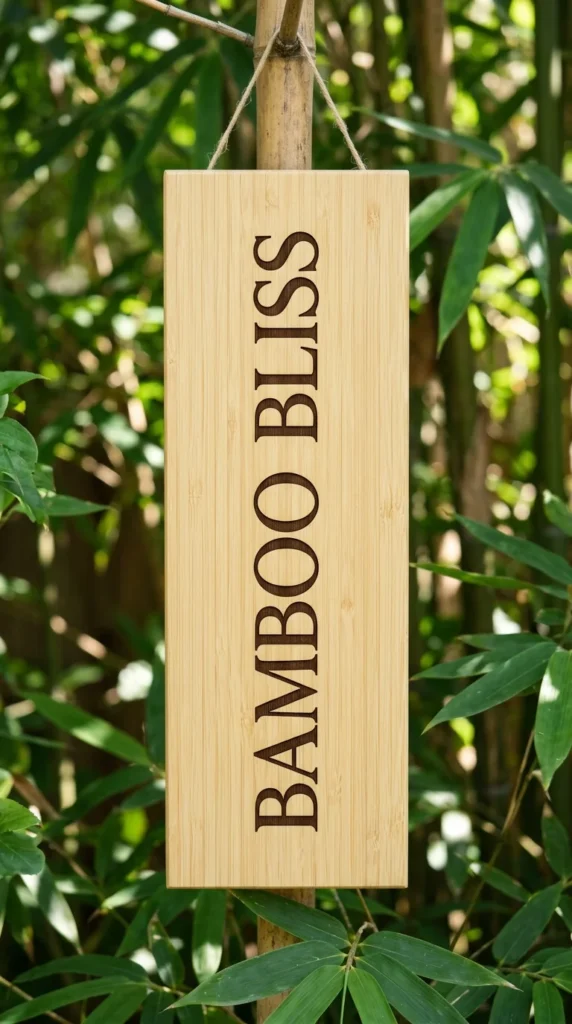
For the eco-conscious homeowner, bamboo is a fantastic alternative to traditional hardwoods. Bamboo grows incredibly fast, making it a highly sustainable resource. It has a unique, linear grain and a bright, modern color. Bamboo signs are also naturally water-resistant, making them a great choice for kitchens or bathrooms where humidity might be an issue for other woods.
29. Shadow Box Frame
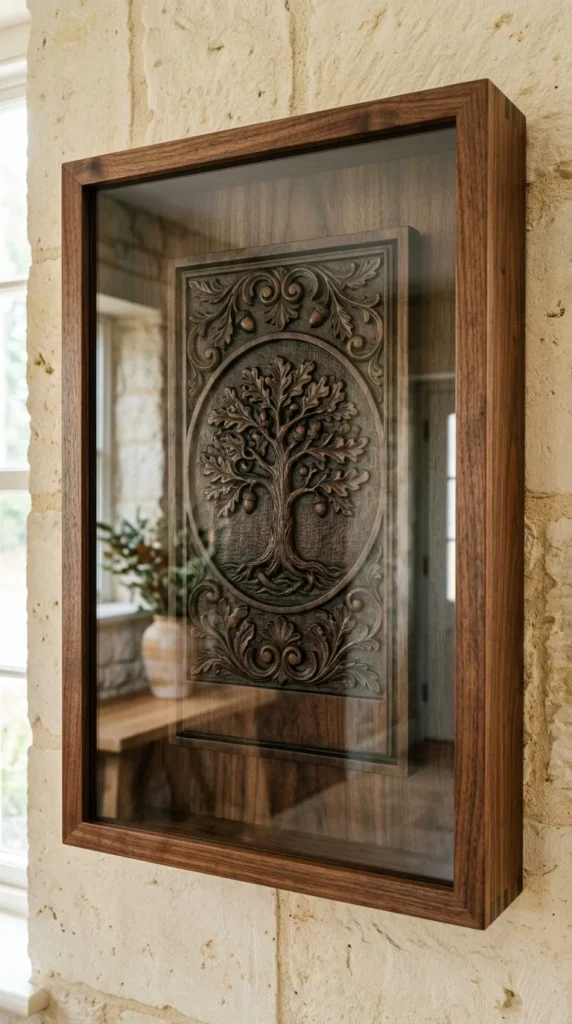
The shadow box frame elevates the family sign to the level of a preserved artifact. By placing the wooden nameplate inside a deep frame with a glass front, you protect it from dust and damage while adding a layer of formal presentation. This style often includes space for other mementos, such as a dried wedding flower or a small photo, making it a comprehensive family tribute.