
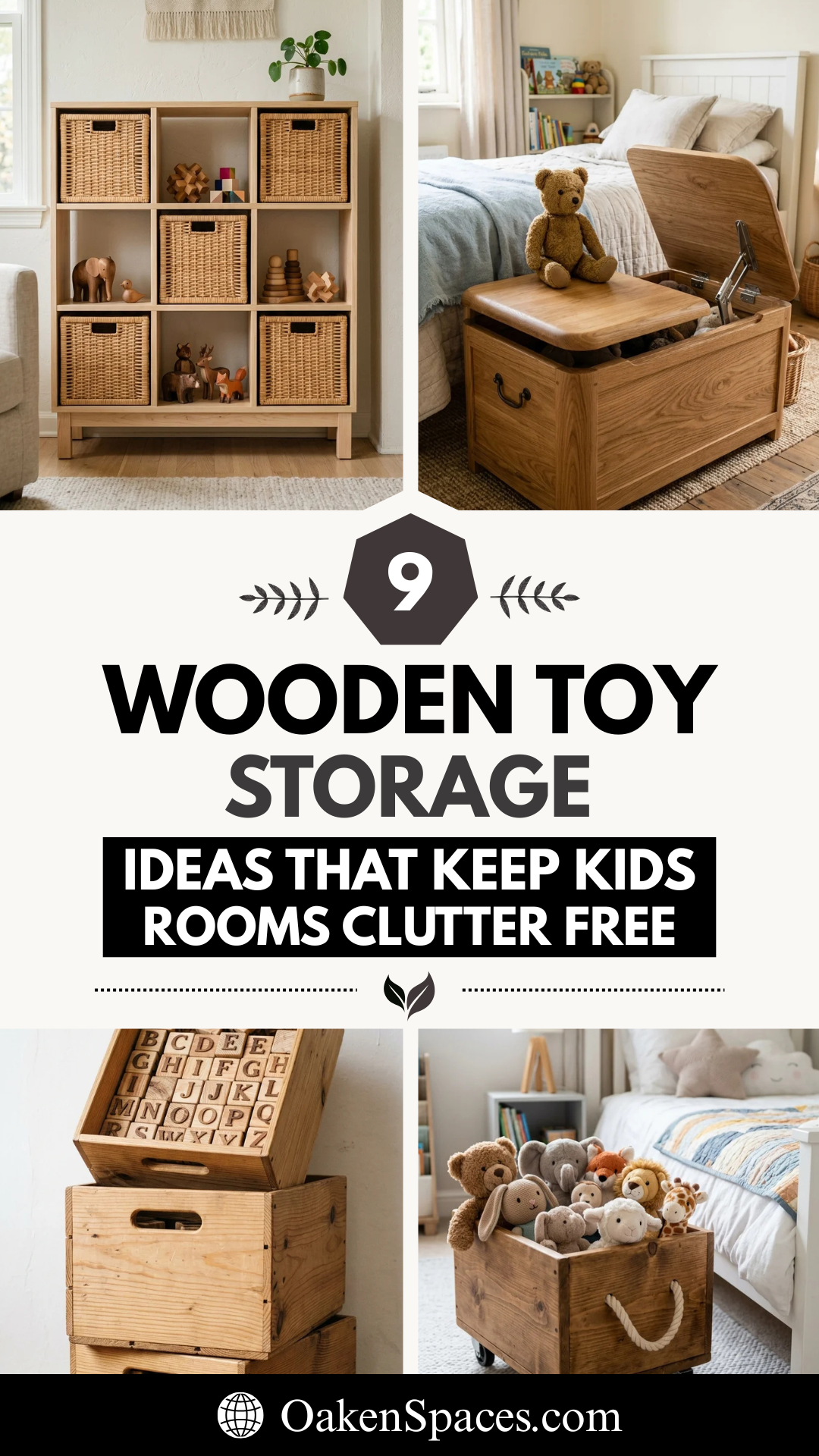
The battle against toy clutter is a challenge every parent knows all too well. One moment the living room is a sanctuary of peace, and the next, it is a minefield of colorful plastic, stray blocks, and forgotten action figures. While plastic bins are a common go-to, they often lack the durability and timeless aesthetic that many parents crave for their home decor.
Enter wooden toy storage. Not only is wood a sustainable and sturdy material that can withstand years of enthusiastic play, but it also adds a touch of warmth and sophistication to a child’s room. Wooden organizers often double as beautiful furniture pieces that grow with your child, transitioning from nursery toy bins to teenaged bookshelf units. Here are nine wooden toy storage ideas that will transform your child’s room into a clutter-free haven.
1. Stackable Crates
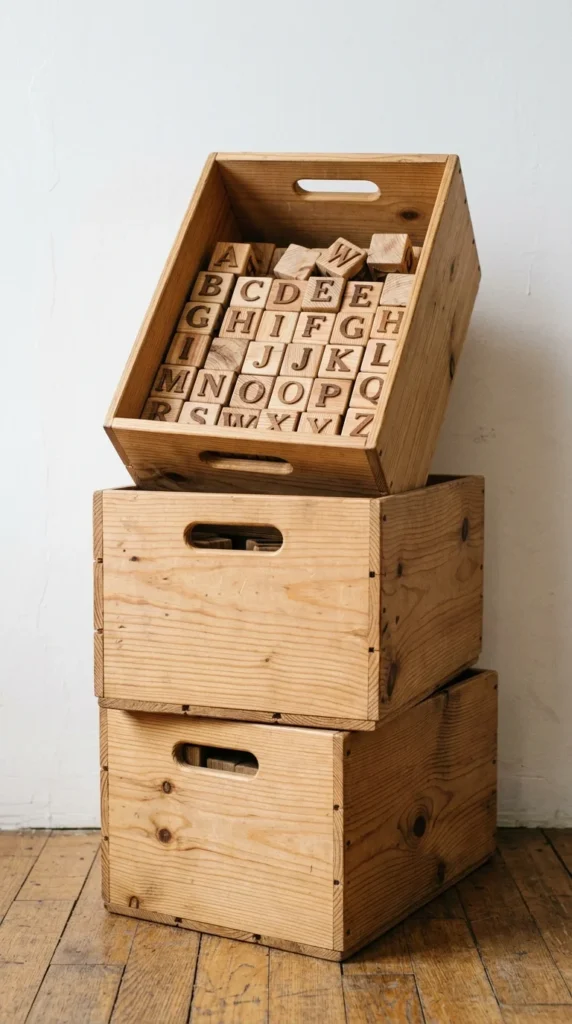
Stackable wooden crates are perhaps the most versatile storage solution available. Their modular nature allows you to customize the height and width of your storage wall based on the available space. Because they are open-faced, they provide easy access for little hands to reach their favorite toys and—more importantly—to put them back when playtime is over.
To make the most of crates, consider painting the interiors different colors to categorize toys: blue for cars, yellow for blocks, and green for stuffed animals. This visual coding helps children develop organizational skills early on. For safety, always ensure that stacked crates are secured to one another and anchored to the wall to prevent tipping.
2. Classic Chests
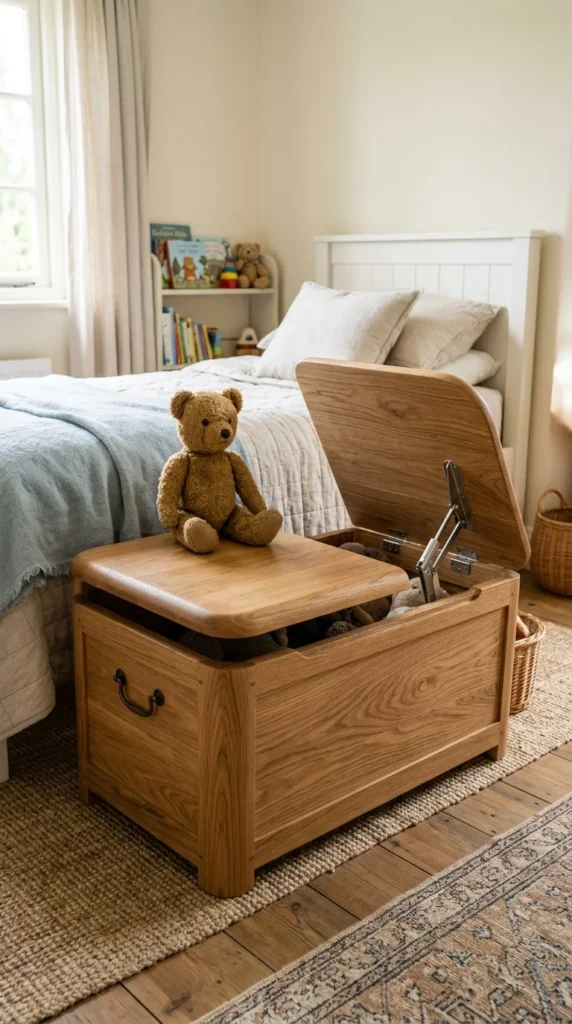
There is something deeply nostalgic about a wooden toy chest. It is a foundational piece of childhood furniture that serves multiple purposes. Beyond its primary role of swallowing up bulky toys like oversized trucks and sports equipment, a sturdy wooden chest can also serve as a bench for reading or a surface for a dollhouse.
When choosing a wooden chest, look for safety features such as “slow-close” hinges or finger cut-outs to prevent accidents. A high-quality chest made from solid wood like maple or oak can literally last a lifetime, eventually becoming a blanket chest or a keepsake box as the child moves into adulthood.
3. Cubby Organizers
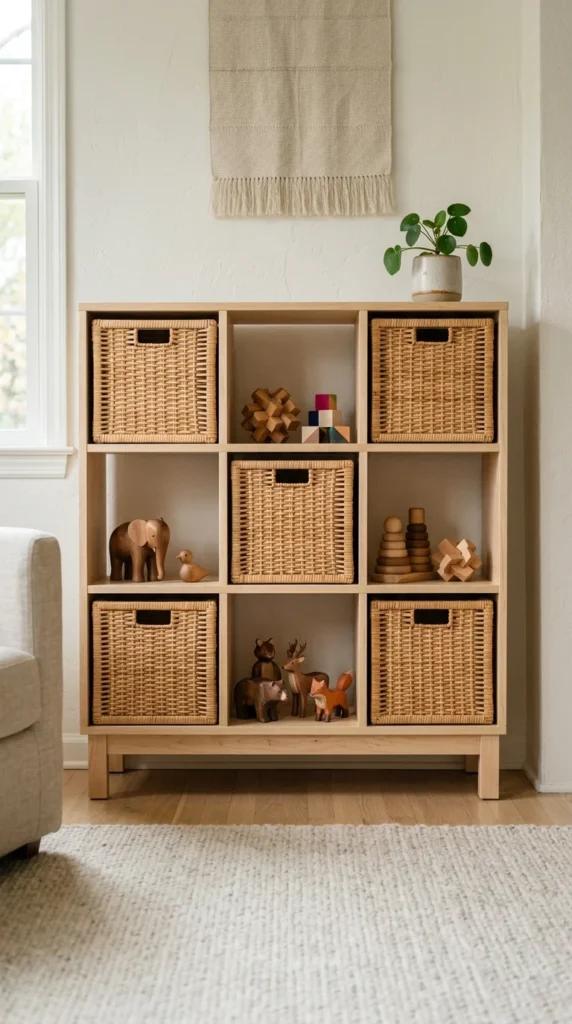
Cubby units are the gold standard for Montessori-style bedrooms. These low-profile shelves allow toys to be displayed at eye level, encouraging children to choose their activities mindfully rather than dumping out a giant bin to find one specific item.
The beauty of wooden cubbies is their adaptability. You can leave the cubbies open to display beautiful wooden toys, or you can insert fabric or seagrass bins to hide the more “chaotic” looking toys like plastic building sets. This “hide and reveal” method keeps the room looking tidy while maintaining a high level of functionality.
4. Floating Shelves
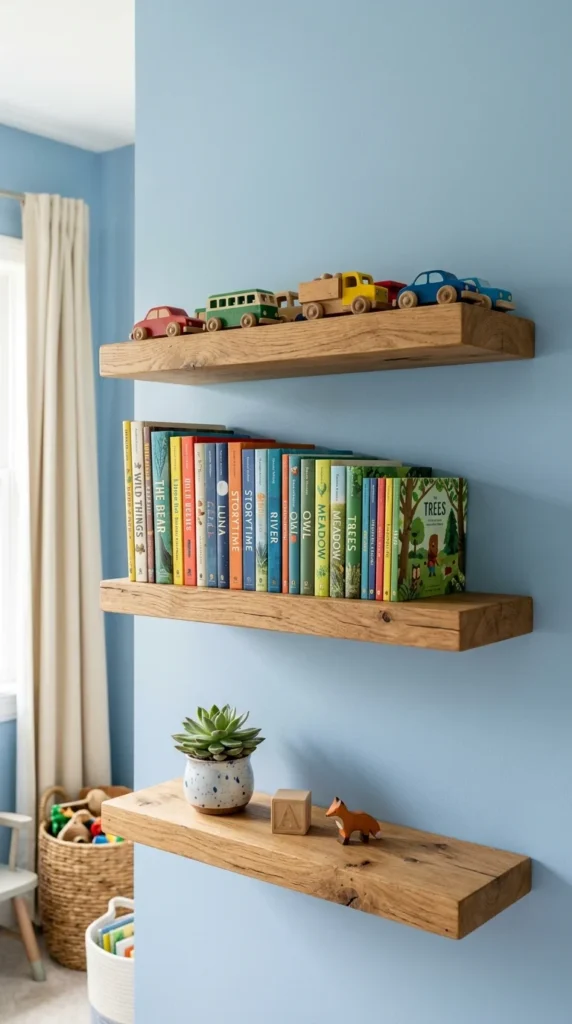
When floor space is at a premium, look to the walls. Wooden floating shelves are an excellent way to display special toys, collectibles, or books that you want to keep out of the “heavy traffic” play zones. By lifting items off the floor, you immediately create a sense of openness in the room.
These shelves are particularly useful for rotating toys. By placing only a few select items on a high shelf, you make them feel special and “new” when they are eventually brought down for play. Use sturdy brackets and thick wood planks to ensure the shelves can handle the weight of heavier wooden figurines or book collections.
5. Rolling Bins
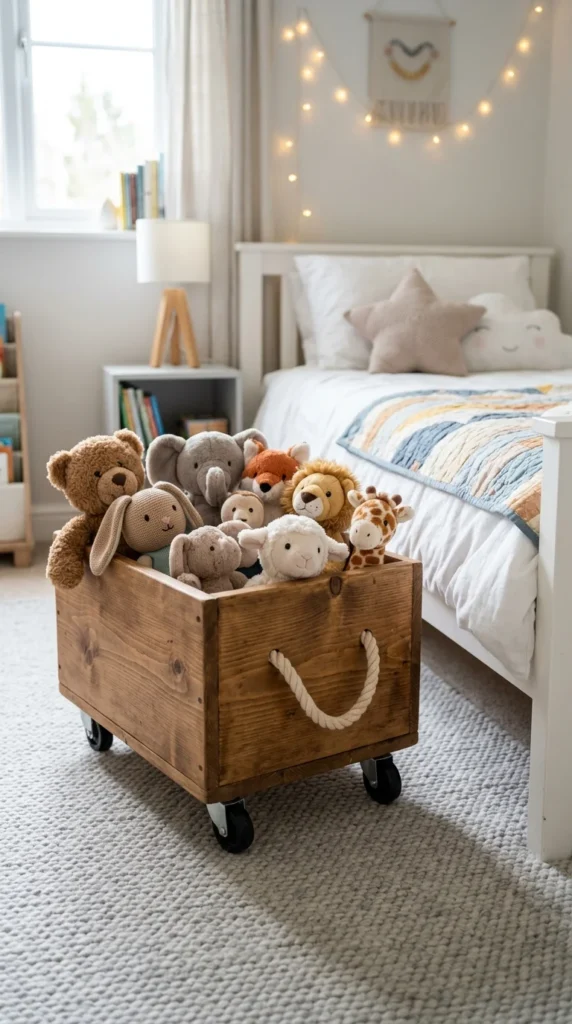
Clean-up becomes a game when the storage moves with you. Rolling wooden bins are perfect for “sweeping” through a room at the end of the day. Children can pull the bin along by a rope handle, collecting stray toys as they go.
These bins are also highly functional for multi-purpose spaces. If your child plays in the living room during the day, a wooden rolling bin allows you to easily wheel the “mess” back into their bedroom once guests arrive or when bedtime rolls around. The industrial-chic look of wood paired with caster wheels fits perfectly into modern home designs.
6. Pegboard Walls
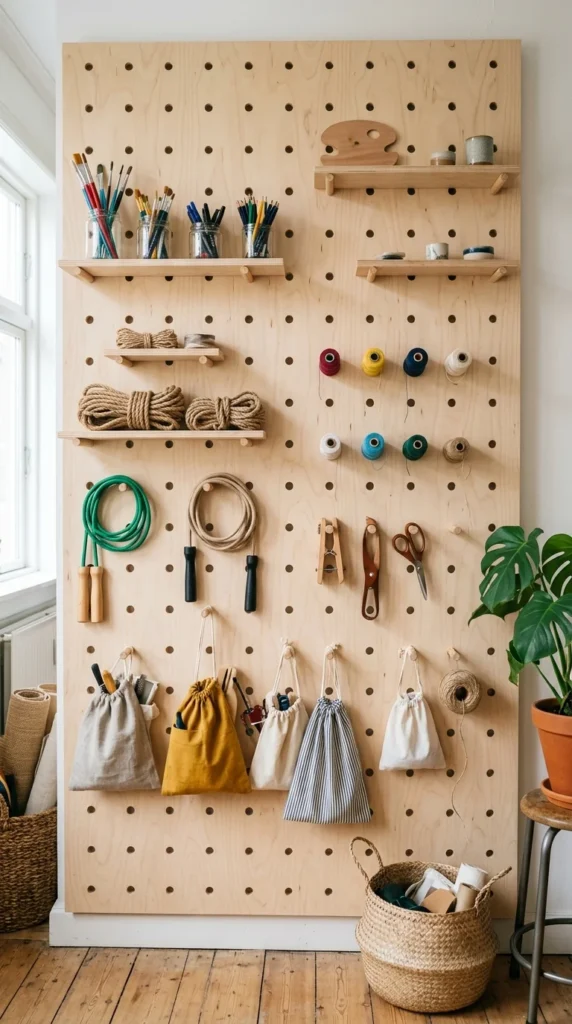
Wooden pegboards are a designer’s secret weapon for organization. They offer a completely customizable storage surface that can change as your child’s interests evolve. You can move pegs around to hang bags of blocks, install small wooden ledges for books, or even attach a small desk surface.
Unlike metal or plastic pegboards, a thick wooden pegboard adds a high-end, architectural feel to a room. It turns storage into a decorative feature. It’s also an excellent way to organize craft supplies, keeping scissors and markers visible but organized in hanging wooden cups.
7. Under-Bed Trays
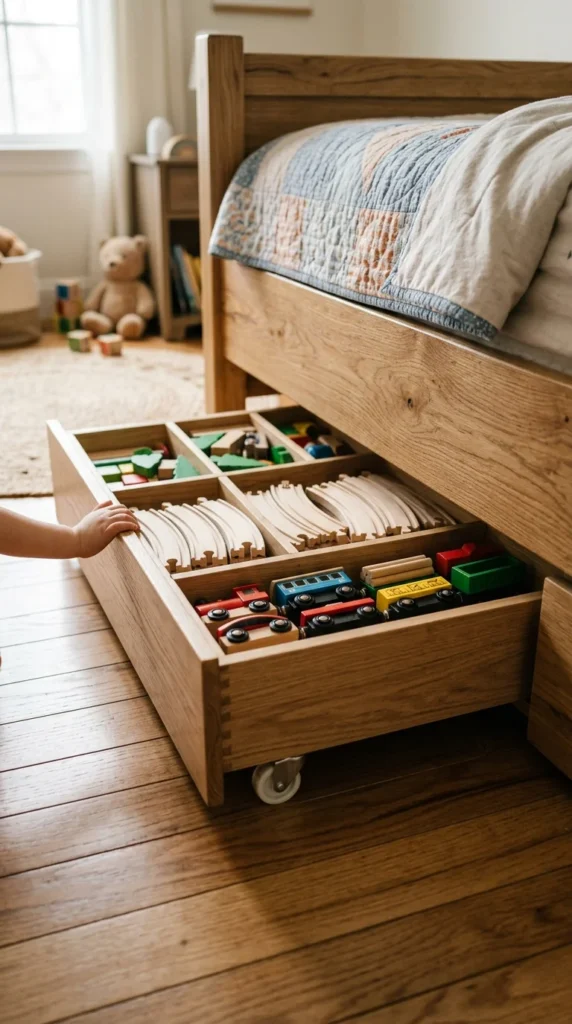
The space under the bed is often a “no-man’s-land” of dust bunnies and lost socks. Utilizing custom-built wooden under-bed trays or drawers is one of the most efficient ways to clear floor clutter. These are especially useful for toys that come in many pieces, such as wooden train sets or building bricks.
Wooden trays are superior to plastic under-bed bins because they are more rigid and won’t warp under the weight of heavy toys. Many wooden versions come with wheels and handles, making it easy for even a toddler to slide their “secret stash” of toys out for playtime and tuck them away before sleep.
8. Multi-Tiered Racks
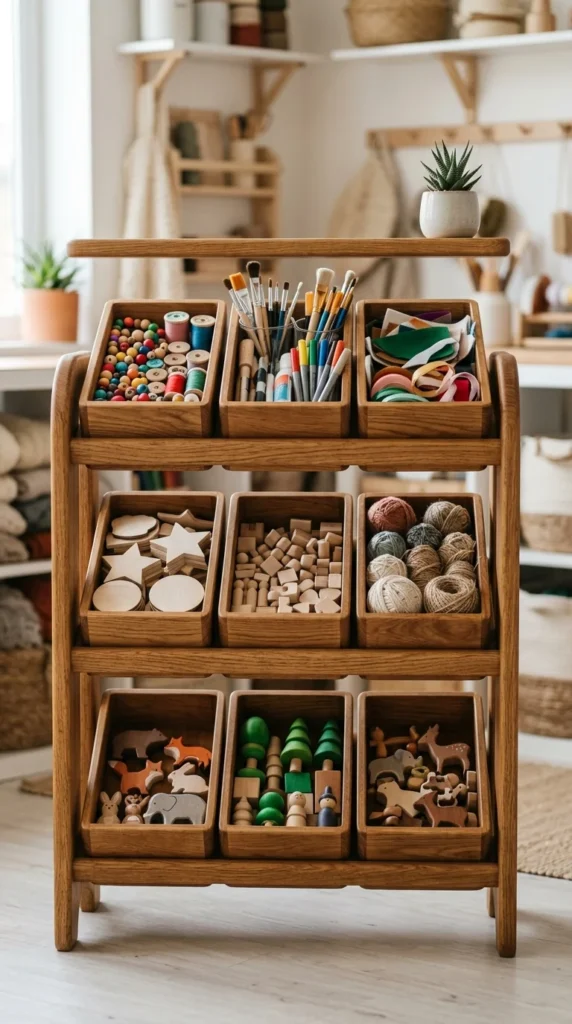
Multi-tiered wooden racks are designed for maximum visibility. By angling the bins or shelves toward the child, you remove the barrier to entry for play and cleanup. These racks are often seen in classrooms because they allow for granular categorization—one tier for art, one for puzzles, and one for building materials.
The solid wood construction of these racks provides a level of stability that prevents the unit from wobbling, even when the top tiers are fully loaded. Choosing a rack with removable wooden bins adds an extra layer of convenience, allowing the child to take a single bin of toys to a play mat and return it easily when finished.
9. Bookcase Benches
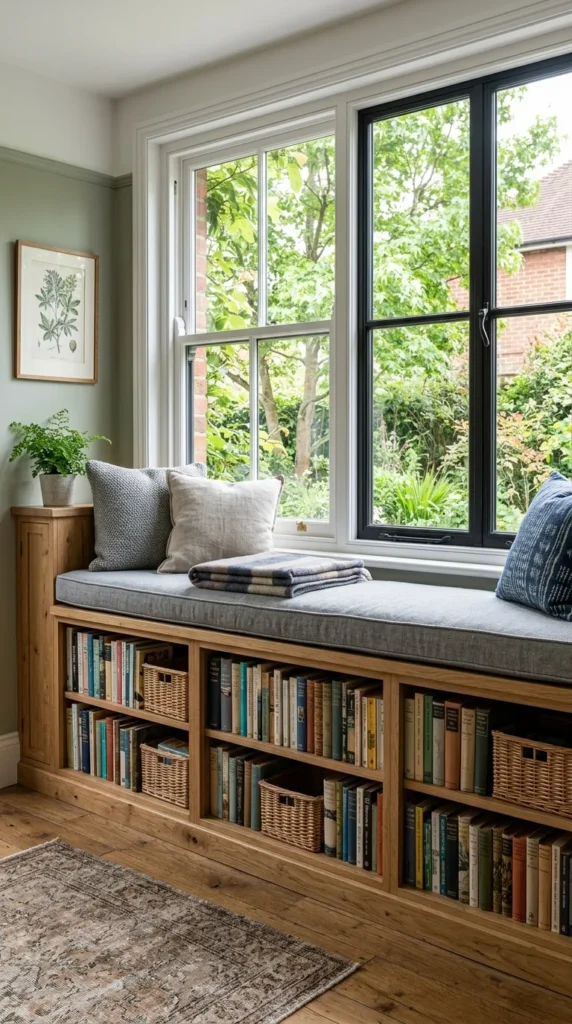
Maximize your square footage by combining seating and storage. A low, sturdy wooden bookcase turned on its side can serve as a cozy reading nook when topped with a cushion. The “shelves” then become cubbies for toys or baskets.
This setup is ideal for creating a designated “quiet zone” in a bedroom. It encourages literacy by keeping books within reach while providing a hidden spot for the wooden toys that might otherwise end up scattered across the floor. The weight-bearing capacity of real wood is essential here, as it needs to safely support the weight of both the books and the person sitting on top.
Choosing the Right Wood for Your Space
When selecting wooden toy storage, the type of wood matters. Pine is affordable and lightweight, making it great for crates and rolling bins. Birch plywood offers a clean, modern look that is incredibly strong and resistant to warping. For heirloom pieces like chests or benches, Oak or Walnut provide unmatched durability and a rich grain that ages beautifully.
Most importantly, ensure that any wooden storage you bring into a child’s environment is finished with non-toxic, water-based stains or sealants. This ensures that the air quality in the room remains healthy and that the furniture is safe for the youngest members of the family who might still be in the “exploratory” (or chewing) phase.
By investing in high-quality wooden storage, you aren’t just cleaning up a room—you’re creating an environment that respects the child’s space and teaches them the value of taking care of their belongings.