
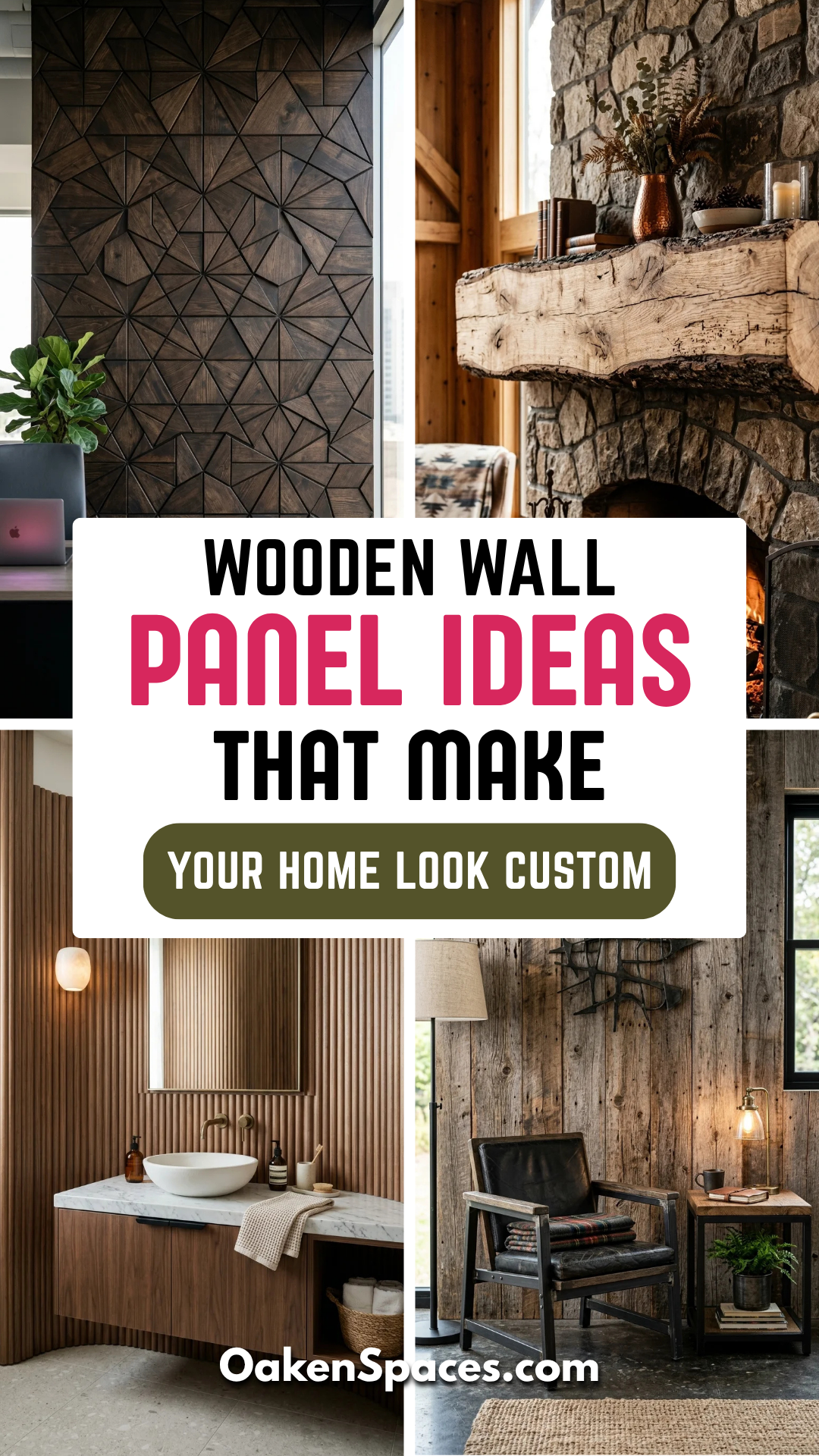
Wooden wall paneling has evolved far beyond the dated, dark basements of the 1970s. Today, it stands as one of the most effective ways to add architectural interest, warmth, and a “custom-built” feel to any room. Whether you are aiming for a rustic farmhouse vibe, a sleek mid-century modern aesthetic, or a contemporary industrial look, wood offers a versatility that paint and wallpaper simply cannot match.
By introducing texture and depth, wooden panels break up the monotony of flat drywall and transform ordinary spaces into curated environments. Here are 14 innovative wooden wall panel ideas to elevate your home’s interior design.
1. Vertical Slats
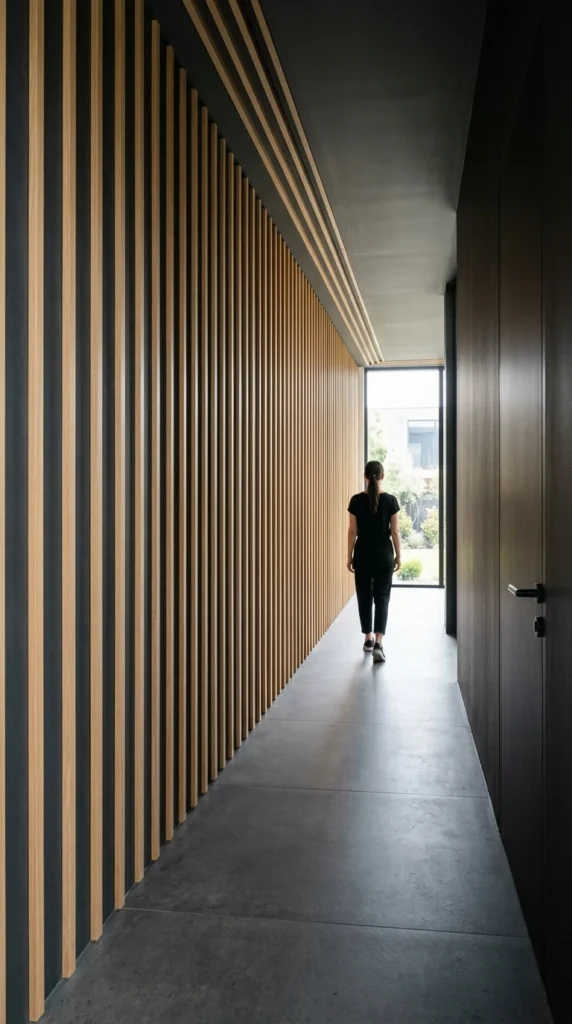
Vertical slat walls, often referred to as “acoustic panels” or “linear wood ceilings,” are a hallmark of contemporary Scandi and Japandi design. These thin strips of wood create a sense of height, drawing the eye upward and making low ceilings feel much taller. Beyond their aesthetic appeal, many slat systems come with felt backing that significantly improves room acoustics, making them perfect for media rooms or busy open-concept living areas.
2. Shiplap
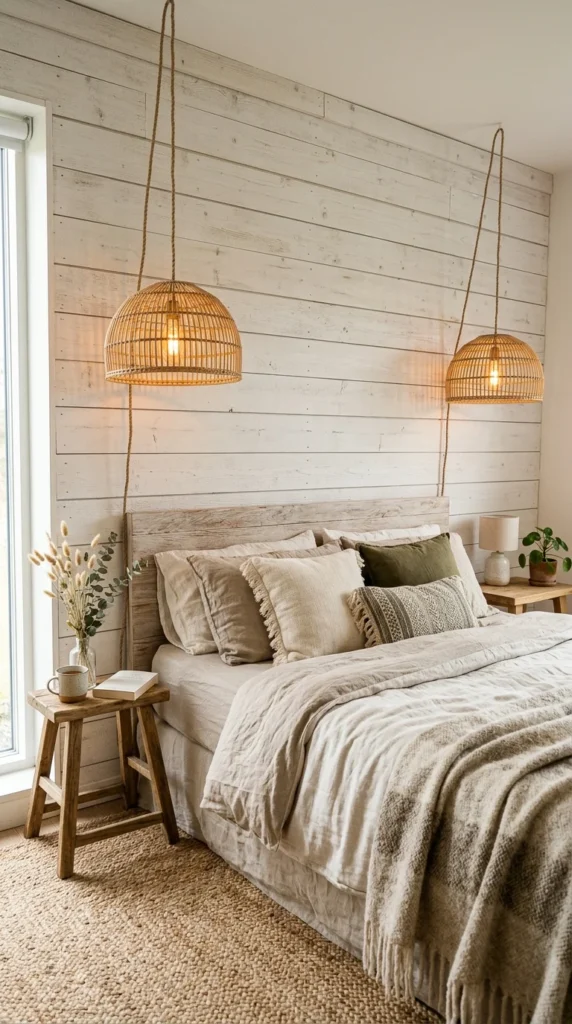
While shiplap became a household name through the farmhouse design movement, it remains a timeless choice for adding subtle texture. Unlike traditional paneling, shiplap features a “rabbet” (a groove) cut into the edges of the boards, allowing them to fit together snugly with a small, distinctive gap. For a modern twist, try installing shiplap vertically or painting it in a moody hue like charcoal or forest green instead of the classic white.
3. Geometric Patterns
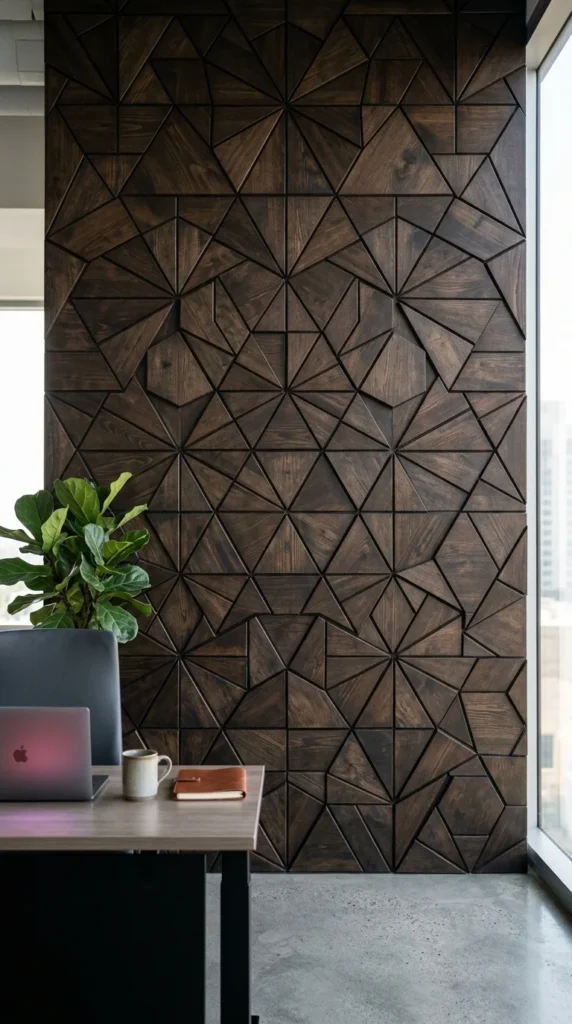
If you want your wall to serve as a piece of art, geometric wood paneling is the way to go. By cutting wood strips at various angles, you can create intricate designs such as honeycombs, stars, or abstract shards. This approach works best as a feature wall in an entryway or behind a home office desk, providing a sophisticated focal point that requires no additional decor.
4. Reclaimed Wood
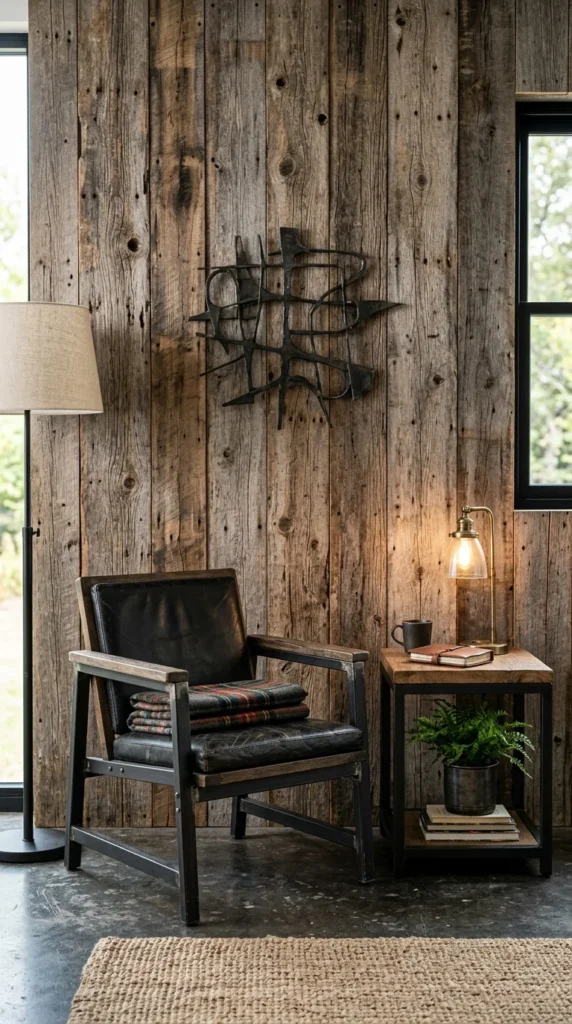
Nothing brings character to a home like reclaimed wood. These planks, often sourced from old barns, factories, or shipping pallets, carry a history that new wood cannot replicate. The natural variations in color—ranging from silver-grey to deep amber—add an organic, grounded feel to a space. It is an eco-friendly choice that introduces a “cabin-chic” warmth to even the most modern apartments.
5. Fluted Panels
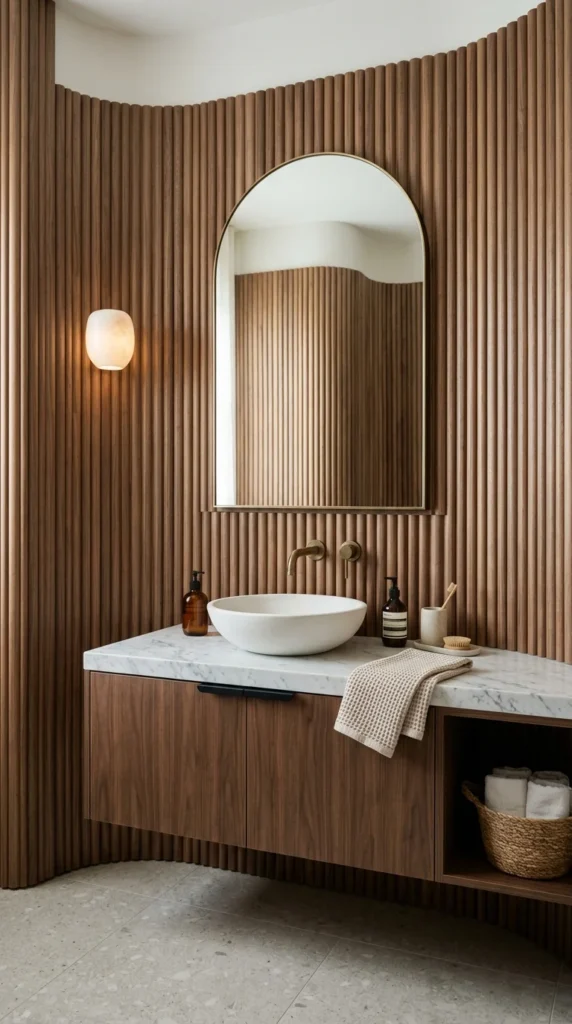
Fluted paneling is the epitome of high-end custom cabinetry and wall design. These panels consist of a series of rounded, convex ridges that create a beautiful play of light and shadow. Because of their delicate texture, fluted panels are often used to wrap around curved walls or kitchen islands, adding a tactile element that feels both vintage and futuristic.
6. Picture Frame Molding
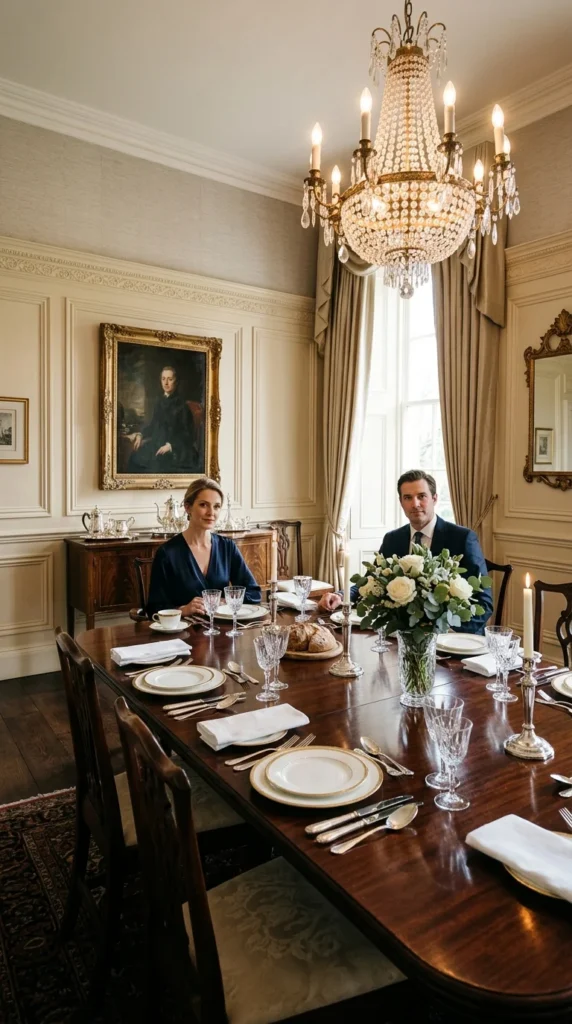
For a classic, Parisian-inspired look, picture frame molding (also known as box molding) is unbeatable. This involves using thin wooden trim to create large rectangular frames on the wall. It adds a layer of “architectural weight” to a room, making it feel more expensive and established. This style is particularly effective in formal dining rooms or long hallways where you want to break up large expanses of wall.
7. Chevron
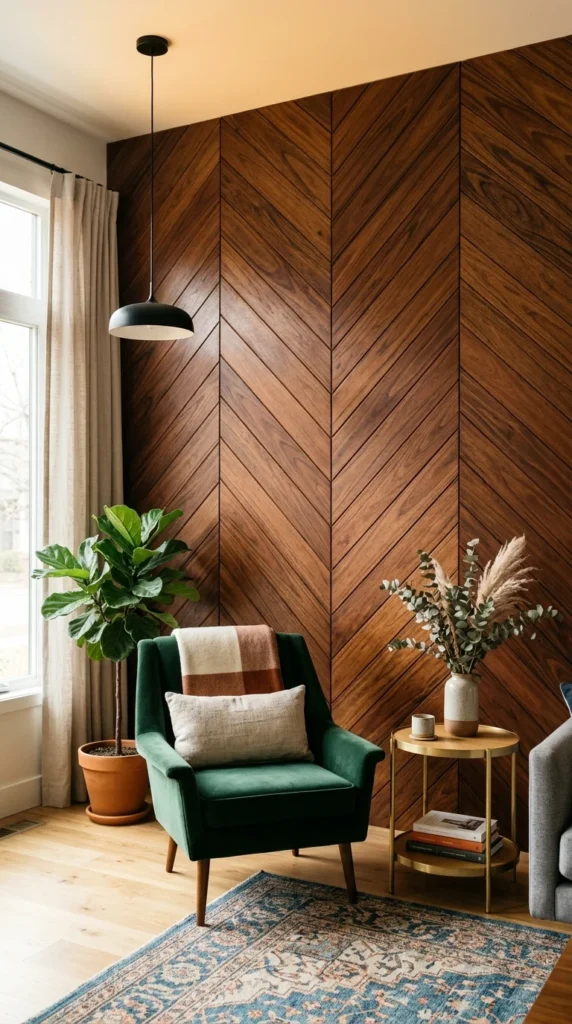
While often seen on floors, the chevron pattern is a stunning choice for walls. The “V” shape creates a sense of continuous movement and energy. Because the pattern is so bold, it works best with woods that have a consistent grain and color. Installing chevron panels requires precision cutting, but the result is a high-end, designer look that makes any room feel like a custom-built estate.
8. Board and Batten
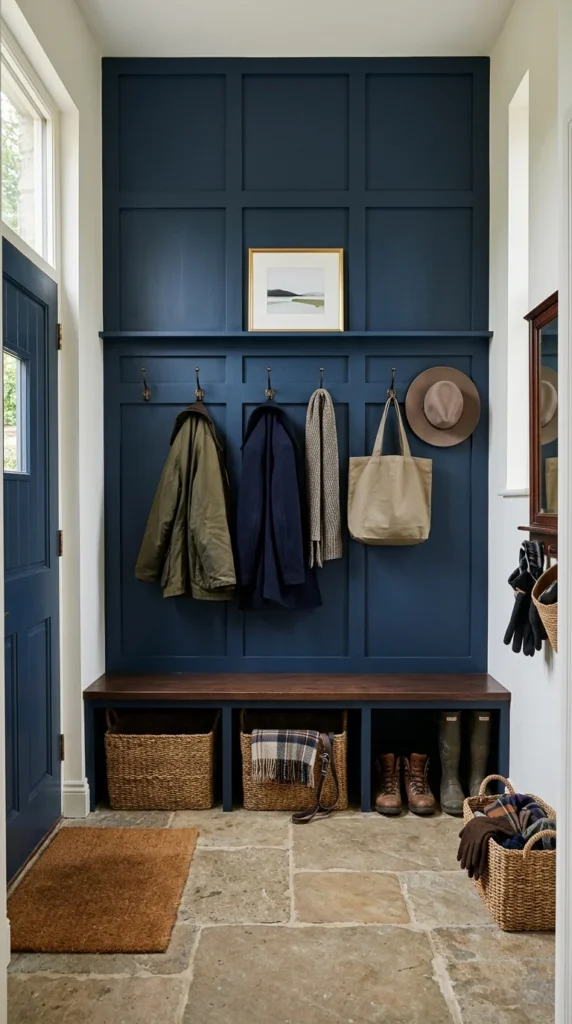
Board and batten consists of wide vertical “boards” joined by thin horizontal and vertical “battens” (strips). Traditionally used on the exterior of houses, it has become a favorite for interior walls because of its structured, rhythmic appearance. It is incredibly effective at adding character to a bedroom or a mudroom, especially when painted in a single, bold color to highlight the shadows created by the raised strips.
9. Walnut Veneer
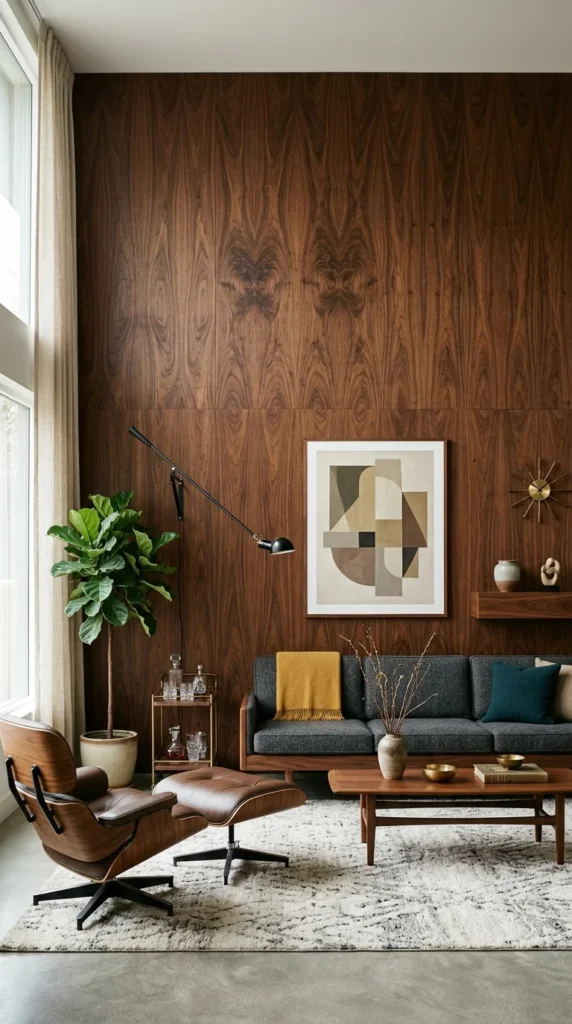
For fans of mid-century modern design, large-format walnut veneer panels are the gold standard. Instead of small planks, this style uses large sheets of high-quality wood veneer to create a seamless, furniture-grade finish. The rich, dark tones of walnut paired with its distinctive grain patterns create an atmosphere of quiet luxury and sophistication, reminiscent of 1960s executive offices.
10. Beadboard
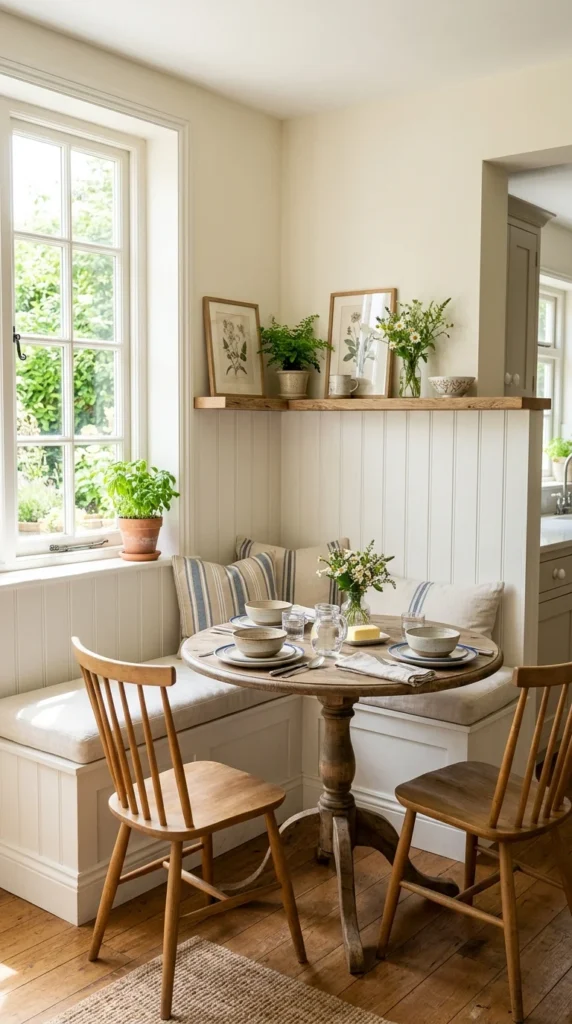
Beadboard is characterized by narrow vertical grooves separated by small “beads.” It offers a more delicate texture than shiplap or board and batten. It is a staple in cottage-style homes and is frequently used as wainscoting in bathrooms, kitchens, and laundry rooms. When topped with a chair rail or a small “peg rail” for hanging coats and hats, it becomes as functional as it is beautiful.
11. Live Edge
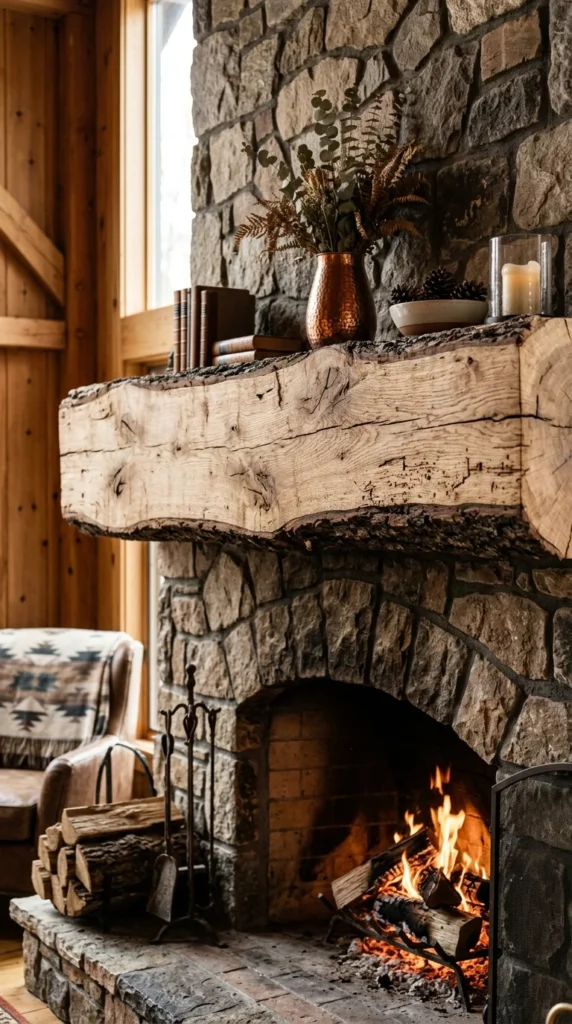
A live edge “panel” isn’t really a panel at all—it’s a massive slice of a tree that retains its natural, rugged edge. Mounting a large live-edge slab on a wall is a bold design choice that celebrates the raw beauty of nature. This works exceptionally well in homes with high ceilings or as a dramatic backdrop for a large dining table, blurring the line between furniture and architecture.
12. 3D Textured Tiles
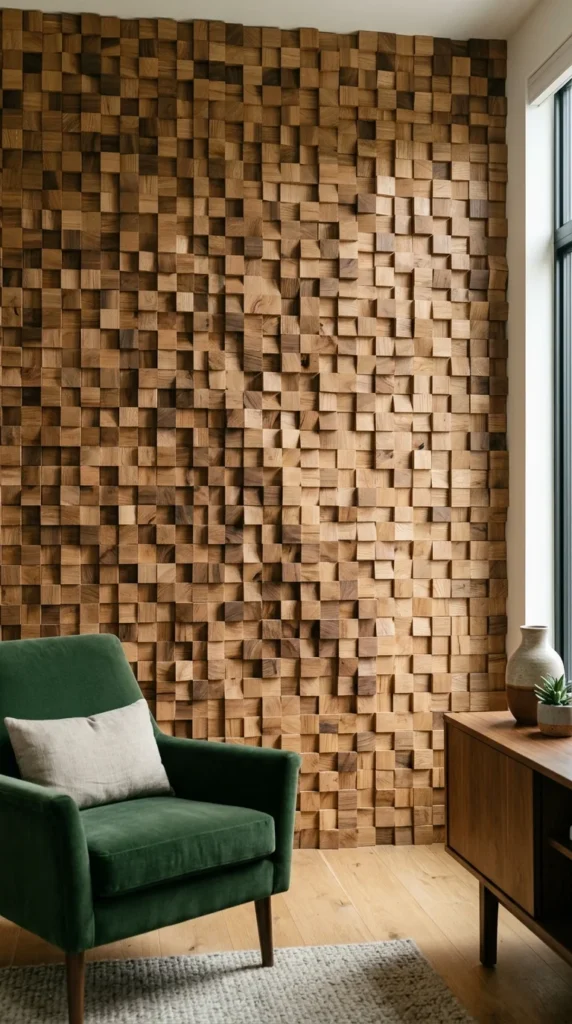
Wooden 3D tiles take wall paneling into the third dimension. By using blocks of wood with different thicknesses, designers can create a “topographical” map on the wall. This style is highly tactile and changes appearance depending on the time of day and the angle of the light. It is an excellent choice for a contemporary living room or a high-end hotel-style master suite.
13. Plywood Sheets
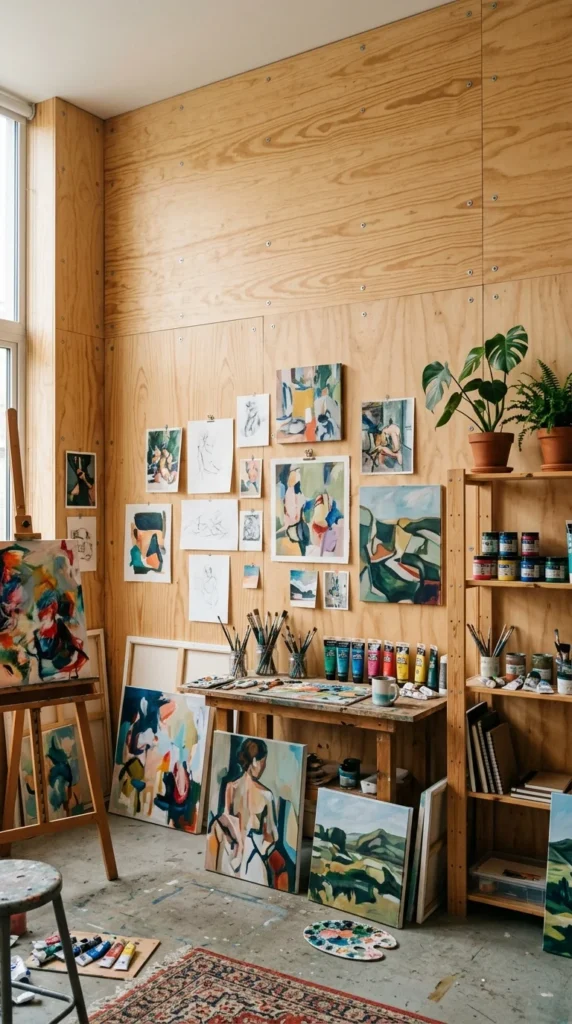
Once considered a budget construction material, high-grade birch or maple plywood has become a darling of the “warm industrial” and “modernist” movements. Using large plywood sheets with exposed edges celebrates the honesty of the material. It creates a clean, light, and airy feel that is perfect for studios, home offices, or minimalist bedrooms where the focus is on simplicity and natural light.
14. Hidden Doors
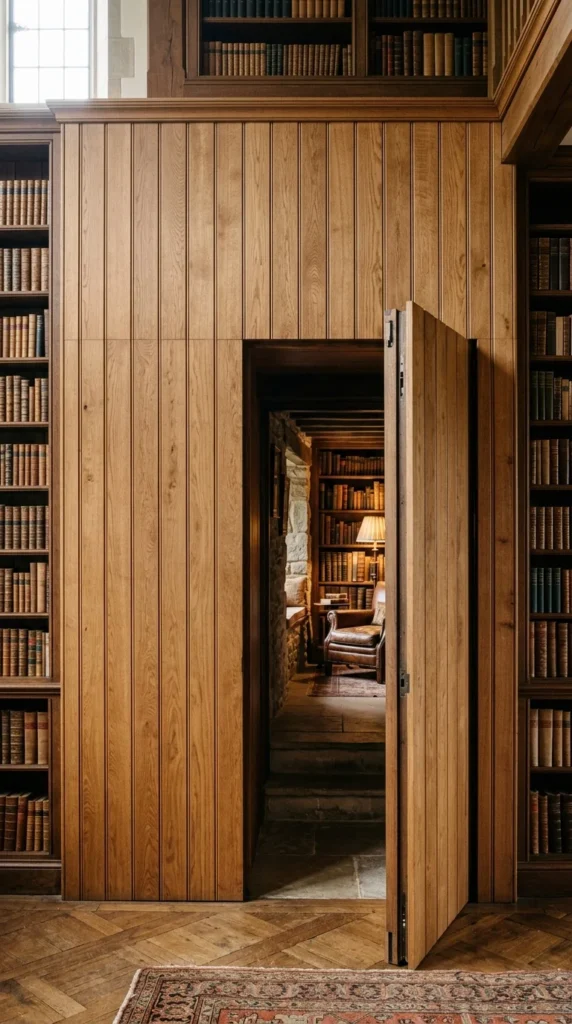
One of the most impressive uses of custom wood paneling is the “jib door” or hidden door. By cladding both the wall and a flush-mount door in the same wooden material, you can create a seamless surface that hides closets, bathrooms, or even secret rooms. This not only looks incredibly sleek and custom but also adds an element of surprise and whimsy to your home’s layout.