
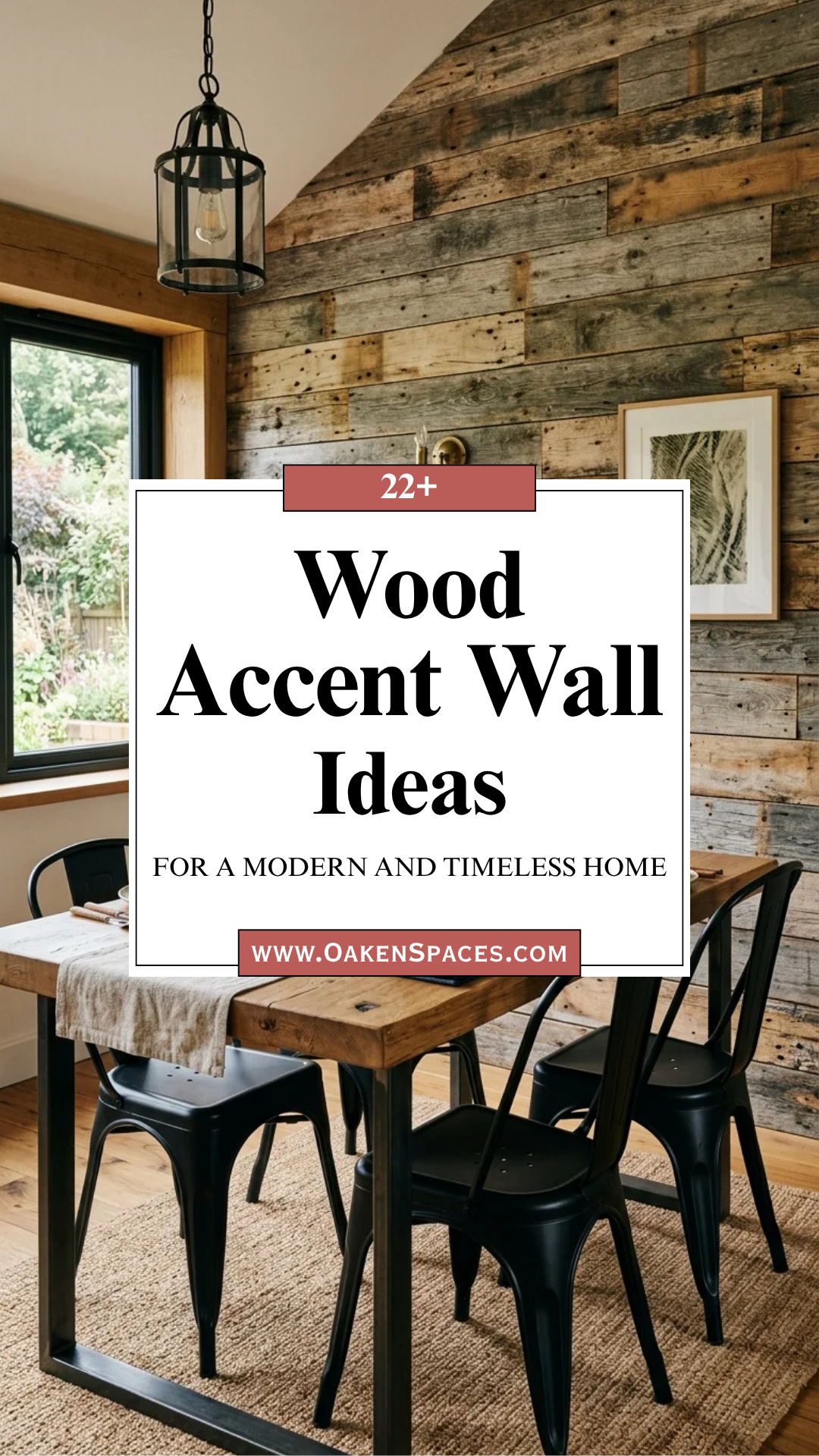
Wood has long been the gold standard for adding warmth, character, and organic beauty to a home. Unlike paint or wallpaper, wood provides a tactile quality that engages the senses, making a space feel grounded and high-end. Whether you are aiming for a rustic farmhouse vibe, a sleek Scandinavian aesthetic, or a bold mid-century modern look, a wood accent wall is a transformative design element that never goes out of style.
In modern interior design, wood walls have evolved far beyond the dark, heavy paneling of the 1970s. Today’s applications focus on texture, geometric patterns, and diverse finishes that celebrate the material’s natural imperfections. From the charred elegance of Shou Sugi Ban to the minimalist appeal of vertical slats, here are 22 wood accent wall ideas to elevate your living space into a timeless sanctuary.
1. Vertical Slats
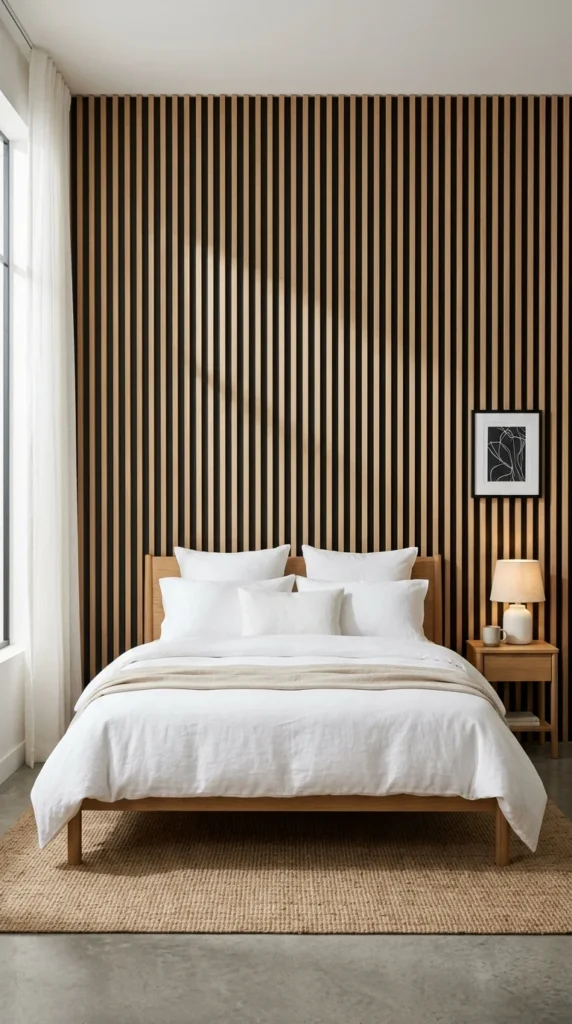
Vertical slats are currently one of the most popular trends in modern architecture. By drawing the eye upward, they create an illusion of height, making low-ceilinged rooms feel much more spacious. This “tambour” style provides a sophisticated rhythm to a room, offering a clean, linear look that pairs beautifully with minimalist furniture. Using a dark background behind light wood slats adds depth and a dramatic shadow play that changes throughout the day as sunlight moves across the room.
2. Reclaimed Shiplap
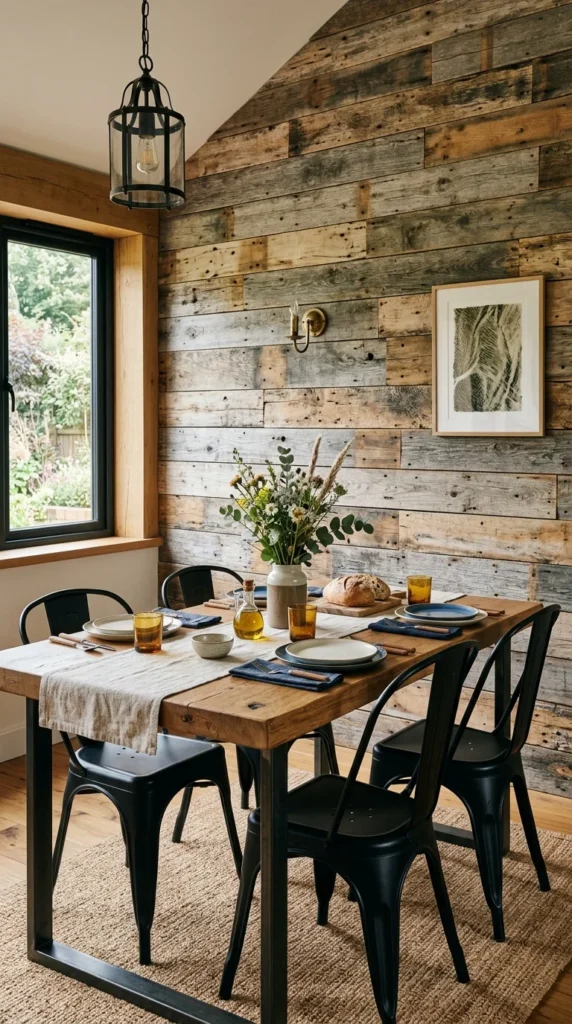
Reclaimed shiplap brings a sense of history and soul to a home. Unlike new timber, reclaimed wood carries the marks of its previous life—weathering, nail holes, and a silvered patina that cannot be replicated. This choice is perfect for those who want to balance a modern home with a touch of rugged, organic texture. It works exceptionally well in entryways or behind a dining table to create an immediate focal point that feels cozy and lived-in.
3. Chevron Pattern
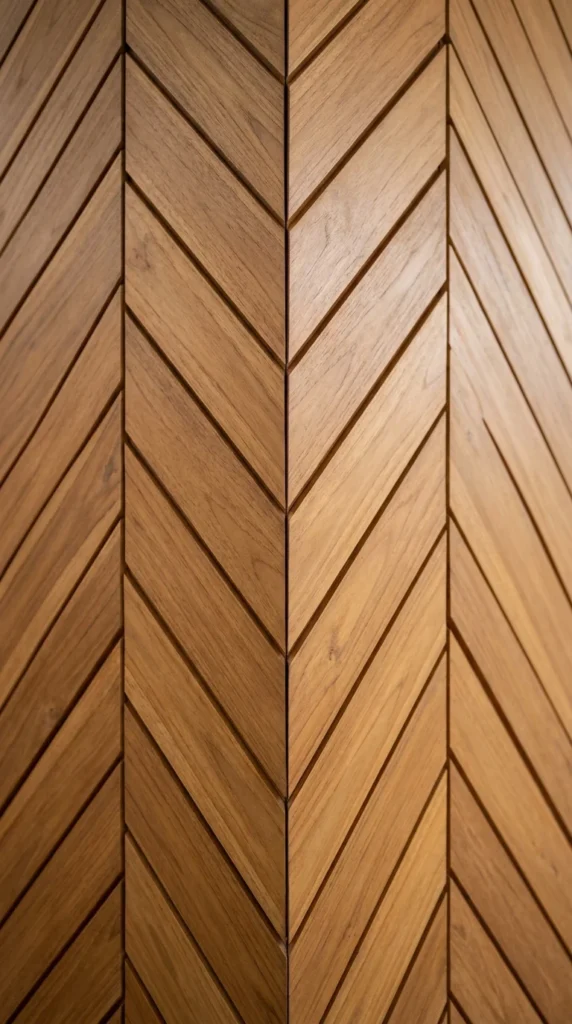
The chevron pattern is a classic motif that adds a sense of movement and energy to a room. By arranging wood planks at a 45-degree angle to meet in a central point, you create a sophisticated “V” shape that feels like a piece of custom marquetry. This is an excellent choice for a home office or a feature wall behind a television, as the geometric lines provide a dynamic backdrop that remains elegant and structured.
4. Dark Walnut
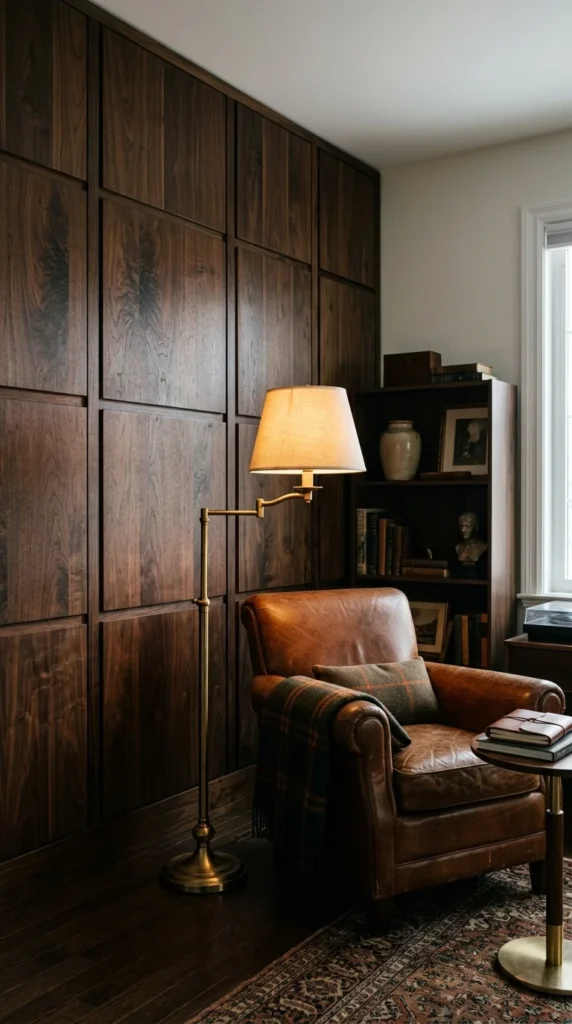
For a look that exudes luxury and masculine elegance, dark walnut is the premier choice. Walnut is prized for its rich, chocolatey tones and intricate grain patterns. Using large-format panels rather than thin strips allows the natural beauty of the wood species to take center stage. This style is particularly effective in master bedrooms or libraries, where a darker palette encourages a sense of intimacy and calm.
5. Geometric 3D Blocks
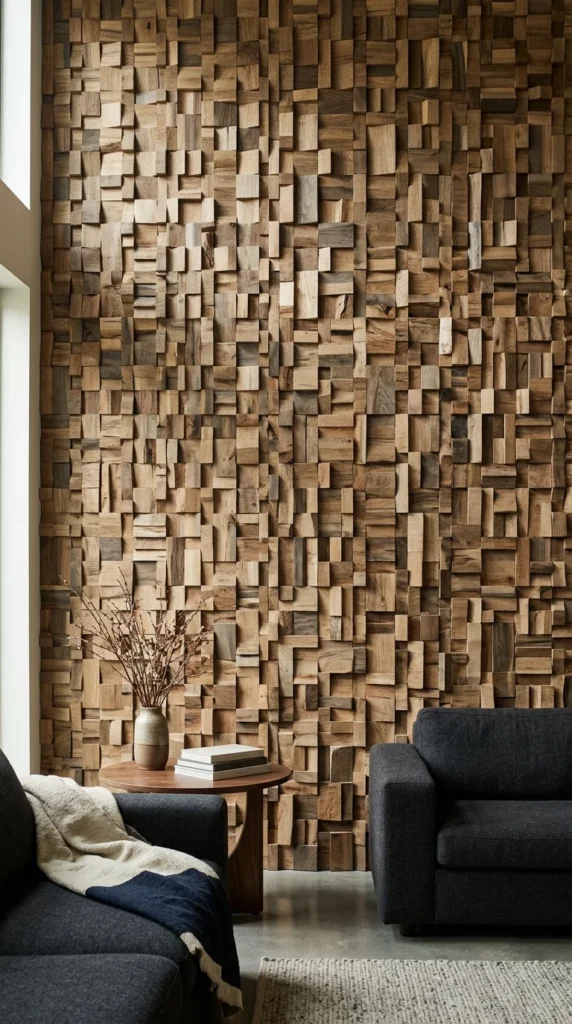
If you view your walls as a canvas for art, a 3D geometric wood wall is the ultimate statement. By using wood blocks or strips of varying depths, you create a sculptural surface that interacts with light in fascinating ways. This “pixelated” wood look is incredibly modern and works best in spaces with ample natural light or focused track lighting to emphasize the topographical variations of the wall.
6. Herringbone Texture
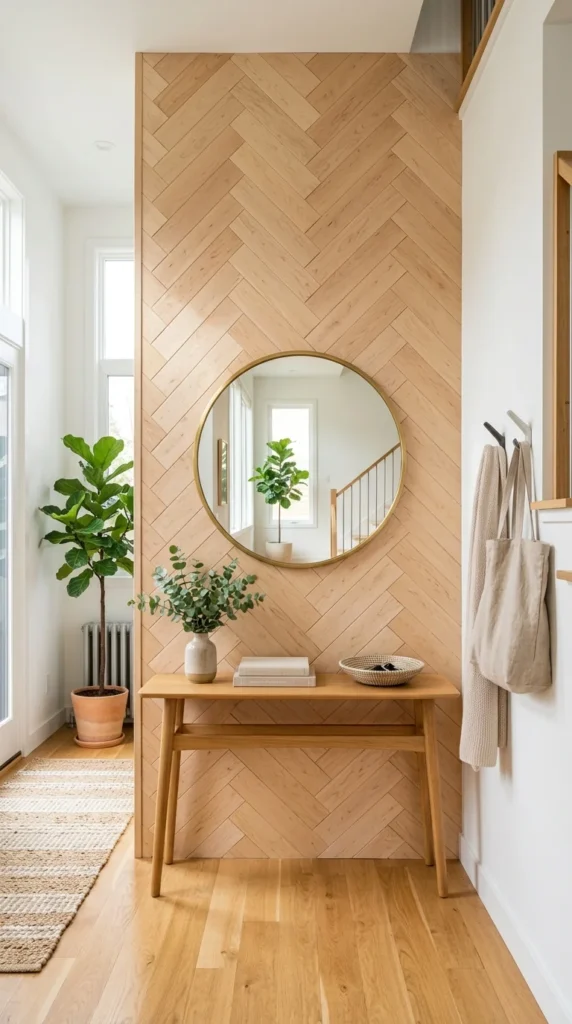
While similar to chevron, the herringbone pattern offers a slightly more traditional and “broken” zigzag look. It is a timeless arrangement often seen in high-end European parquetry floors. Bringing this pattern to the wall adds a layer of architectural interest that feels both upscale and craftsmanship-focused. Light-colored woods like maple or birch are ideal for herringbone, as they keep the intricate pattern from feeling too heavy or overwhelming.
7. Shou Sugi Ban
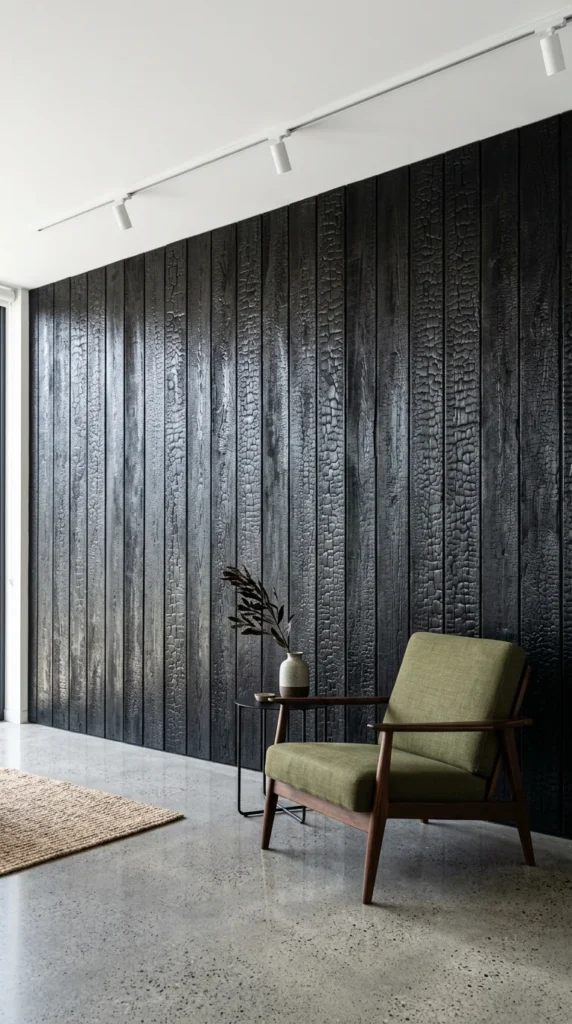
Shou Sugi Ban is an ancient Japanese technique of charring wood to preserve it. The result is a stunning, deep black finish that retains the organic texture of the wood grain while offering a sleek, charcoal aesthetic. This is a bold choice for modern homes, providing a dramatic contrast to white walls and metallic accents. It is also incredibly durable, making it a great option for high-traffic areas or even transition walls between indoor and outdoor spaces.
8. Horizontal Siding
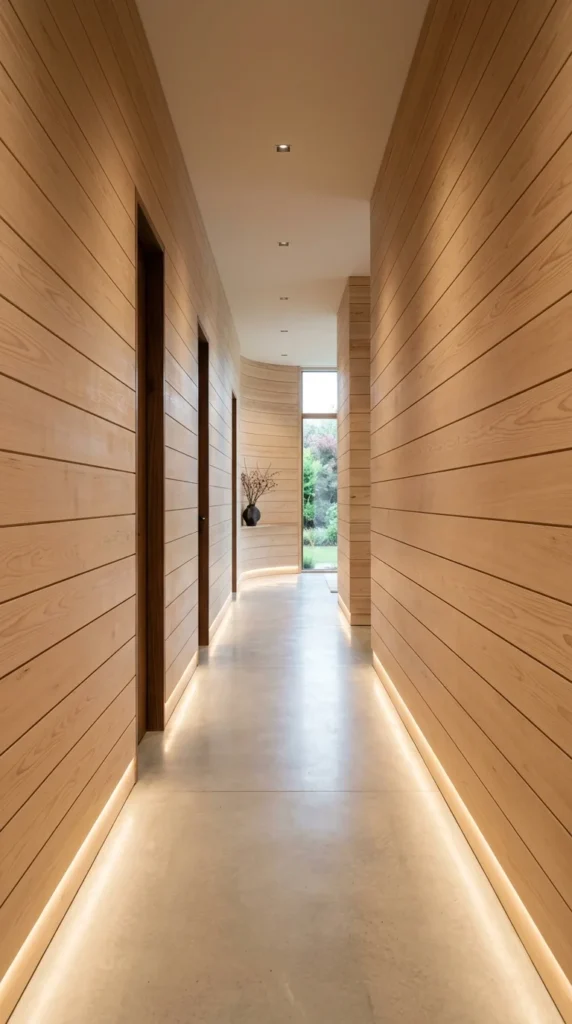
Horizontal siding is the “clean-cut” cousin of shiplap. By using long, wide planks with minimal spacing, you create a streamlined look that emphasizes the width of a room. This is a fantastic technique for making a narrow hallway or a small bedroom feel wider and more expansive. When finished with a clear coat, the natural honey tones of pine or cedar bring a bright, airy feeling to the interior.
9. Geometric Inlays
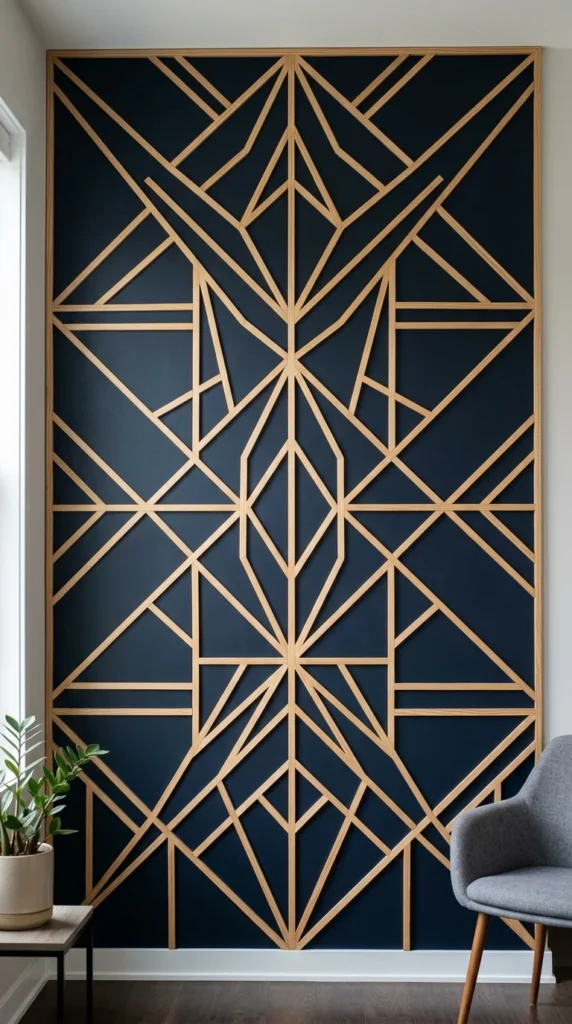
Geometric inlays allow for maximum creativity. Rather than covering the entire wall in solid wood, thin strips of timber are used to “draw” shapes—triangles, hexagons, or abstract lines—directly onto a painted wall. This hybrid approach combines the warmth of wood with the boldness of color. It is a cost-effective way to create a high-impact feature wall that feels modern, youthful, and artistic.
10. Light Oak Planks
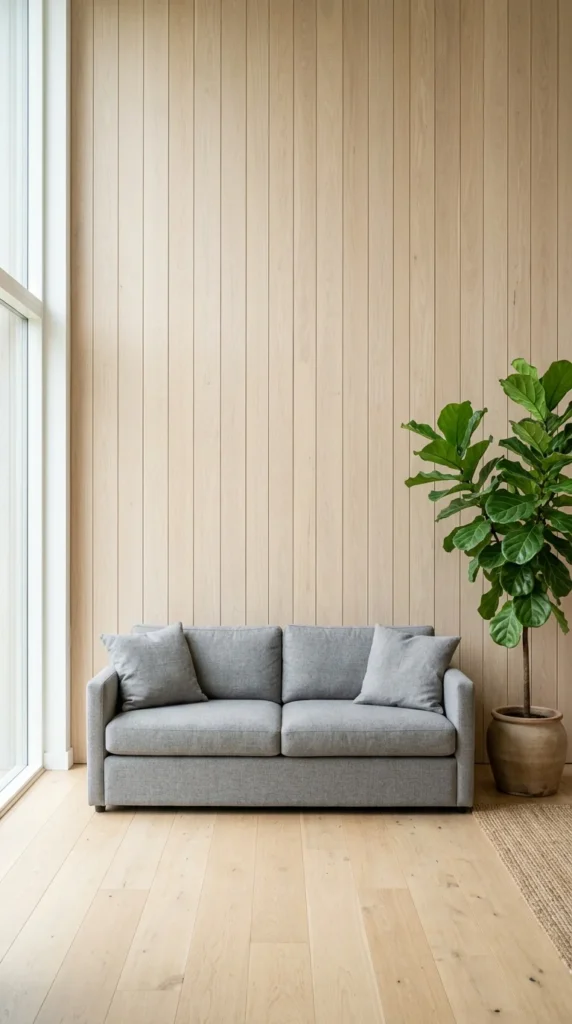
The Scandinavian or “Japandi” aesthetic relies heavily on light-toned woods like white oak. A wall of vertical oak planks provides a neutral but textured backdrop that feels clean and serene. This look is all about simplicity and quality. Because the wood is so light, it bounces light around the room, keeping the space feeling fresh and energized rather than dark and enclosed.
11. Floor-to-Ceiling Wrap
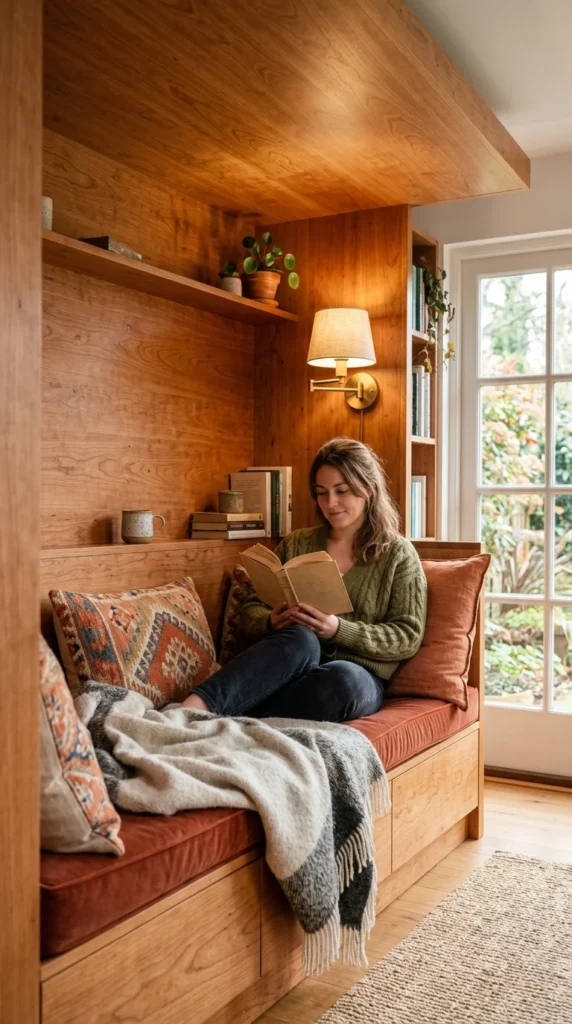
To create a truly immersive experience, consider “wrapping” your wood accent wall up onto the ceiling. This architectural move defines a specific zone within a larger room, such as a breakfast nook, a reading corner, or a home theater. The continuity of the wood creates a “cocoon” effect that is incredibly cozy and visually striking, making the room feel like a custom-designed architectural suite.
12. Integrated Shelving
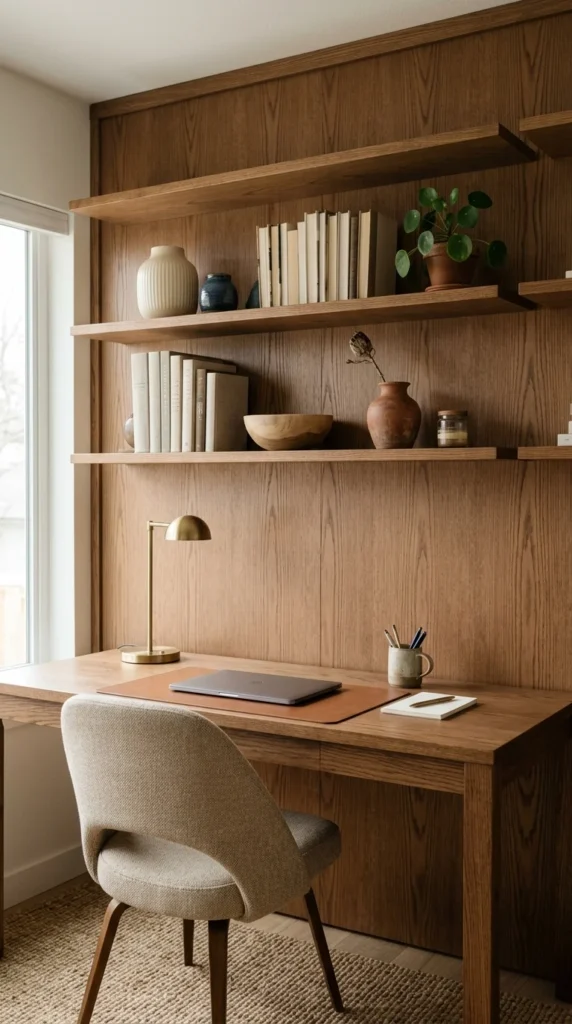
A wood accent wall can be as functional as it is beautiful. By integrating floating shelves directly into the paneling, you create a seamless, built-in look that maximizes storage without cluttering the floor. This works exceptionally well in home offices or living rooms where you want to display curated items. When the shelves and the wall are made of the same species and finish, the result is a sophisticated, “custom-millwork” appearance.
13. Painted Wood
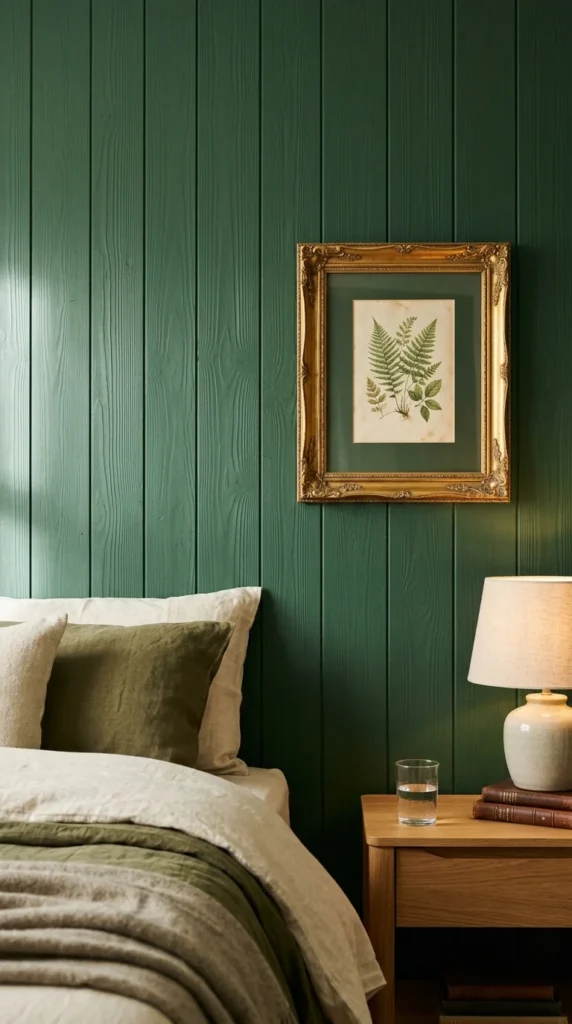
Sometimes, the texture of wood is more important than its color. Painting a wood accent wall in a bold, matte color—like navy, charcoal, or forest green—allows you to keep the architectural interest of the planks while fitting into a specific color palette. The subtle shadows between the boards and the natural grain visible under the paint provide a depth that flat drywall simply cannot achieve.
14. Mid-Century Modern Veneer
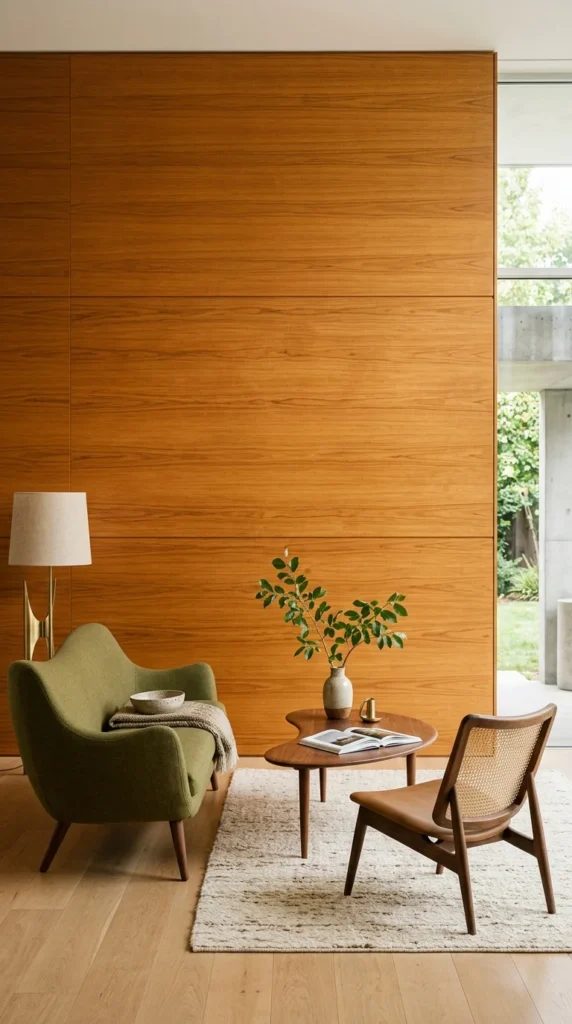
To capture the essence of the 1950s and 60s, look for large-format wood veneers in teak or rosewood. This style is characterized by smooth, flat surfaces and a focus on the continuous horizontal grain of the wood. It provides a “finished” and polished look that serves as the perfect backdrop for mid-century modern furniture, creating a space that feels like a scene from a high-end vintage design magazine.
15. Basketweave Design
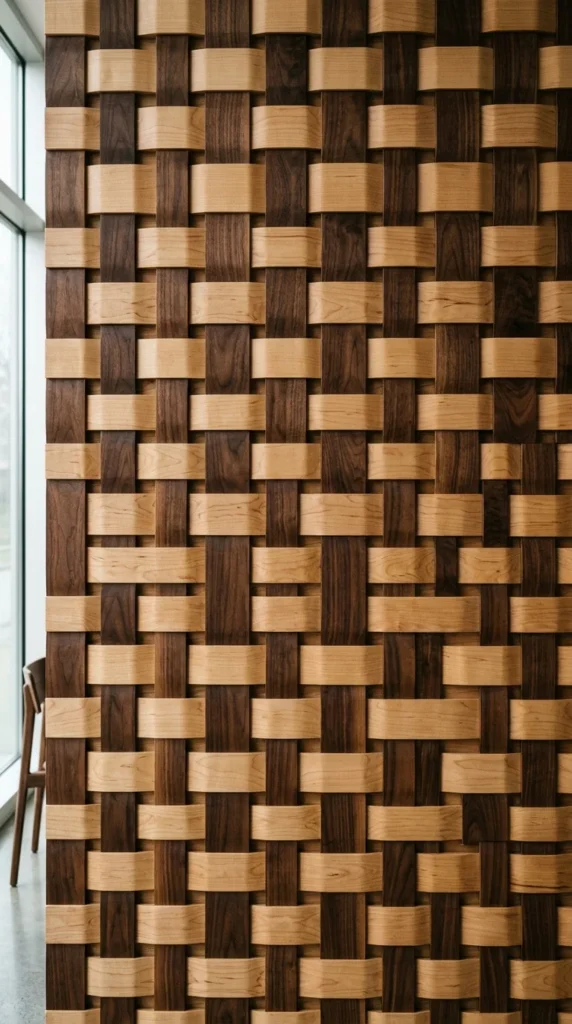
The basketweave pattern is for the homeowner who appreciates intricate craftsmanship. This design involves interlocking horizontal and vertical “blocks” of wood to create a woven appearance. It is a high-texture, high-detail option that works best on smaller walls—such as in a powder room or a small alcove—where the complexity of the pattern can be appreciated up close without overwhelming the senses.
16. Weathered Barnwood
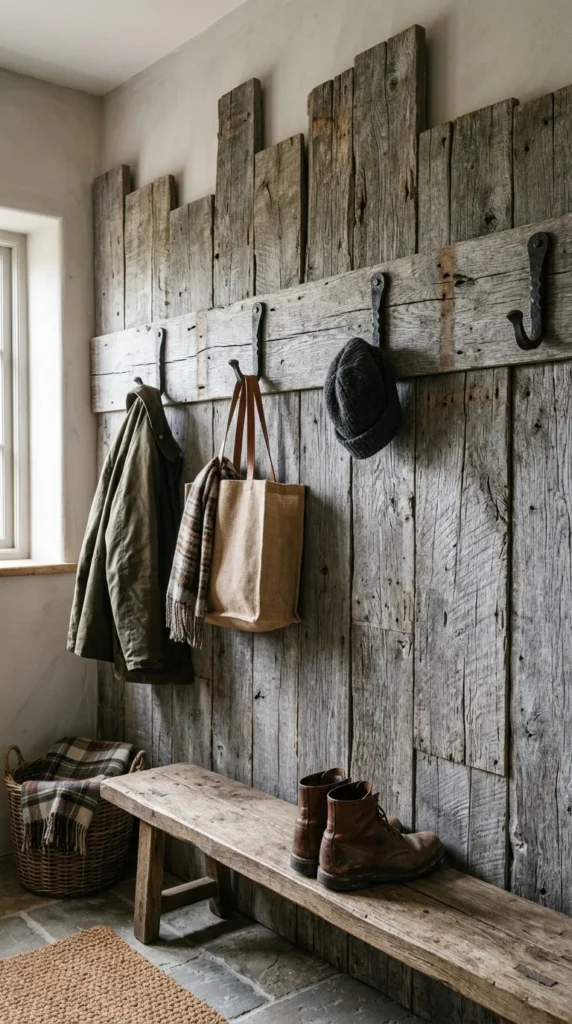
Weathered barnwood offers an authentic, rugged appeal that is perfect for entryways, mudrooms, or “man caves.” The grey, sun-bleached tones of the wood provide a cool-toned organic element that pairs beautifully with industrial materials like iron, concrete, and leather. This look is less about “perfection” and more about celebrating the raw, unrefined beauty of aged timber.
17. Plywood Sheets
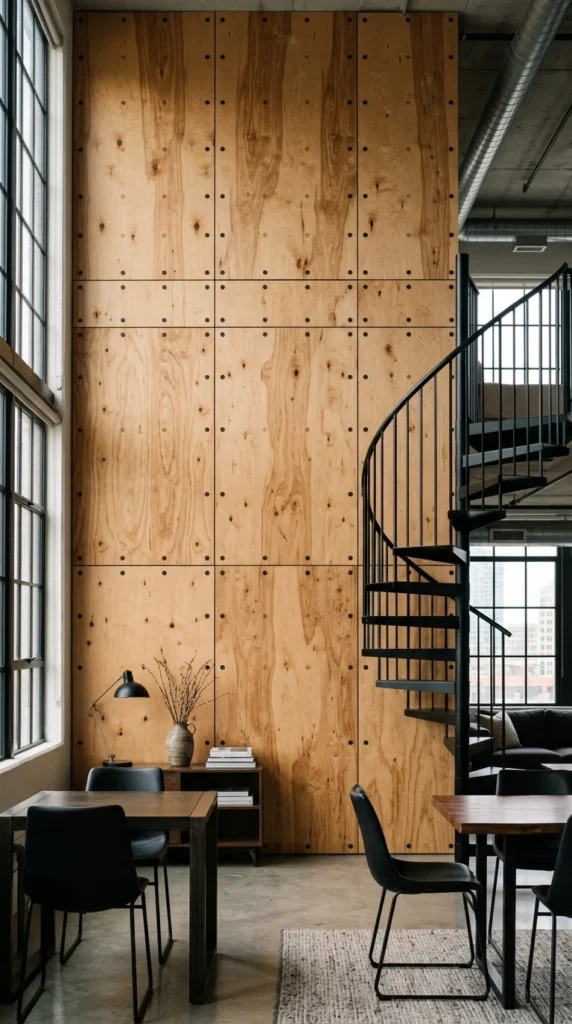
Once considered a humble construction material, plywood has become a darling of modern, budget-conscious design. Large sheets of high-grade birch or maple plywood can be installed with exposed fasteners for a clean, industrial look. This approach is minimalist, honest, and incredibly effective in large, open-concept spaces where you want to add warmth without the high cost of solid hardwood planks.
18. Live Edge Slabs
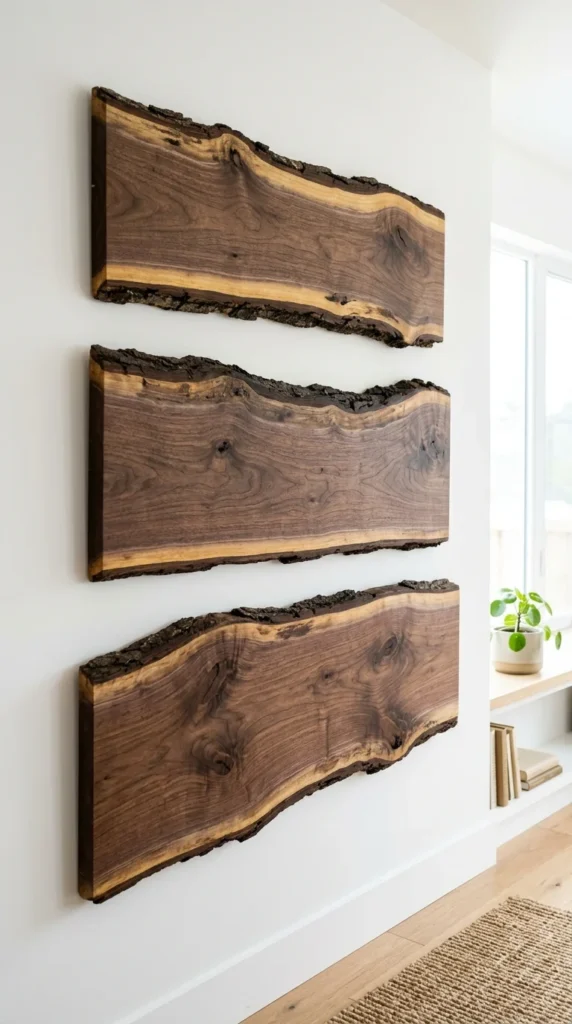
For a truly one-of-a-kind statement, live edge slabs are unbeatable. Instead of straight-cut boards, live edge wood retains the natural, undulating perimeter of the tree. Mounting several slabs horizontally or one massive slab vertically creates a powerful connection to nature. Each piece is a unique work of art, making this the ultimate choice for a high-end dining room or a grand foyer.
19. Fluted Panels
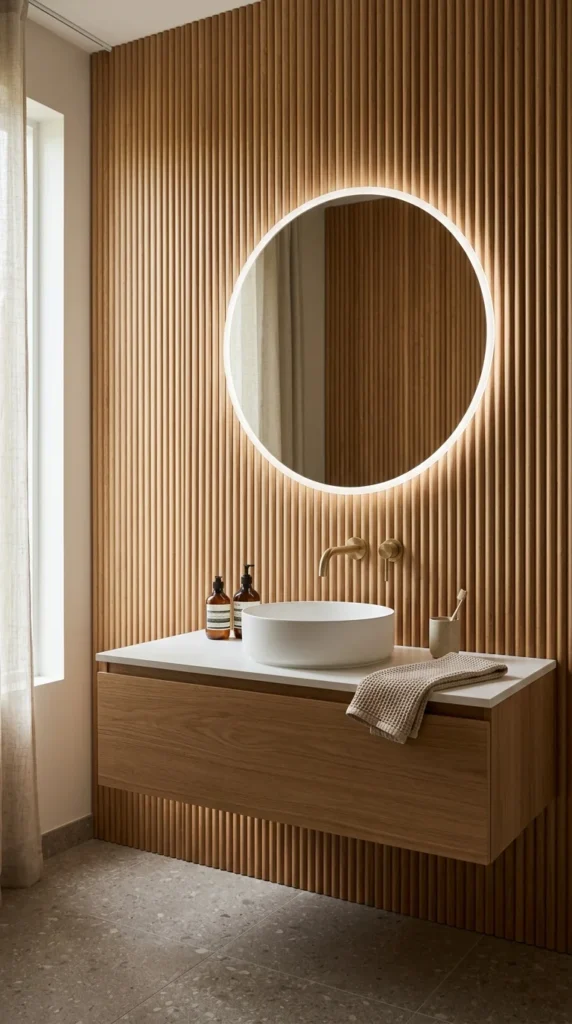
Fluted wood is a major trend in contemporary furniture and cabinetry that has successfully transitioned to accent walls. The rounded, pill-shaped ridges create a soft, rhythmic texture that feels incredibly tactile. This style is often used to add a touch of “Art Deco” glamour to a modern home. It is particularly effective in spaces with soft, curved furniture, as the fluting echoes those organic shapes.
20. Diagonal Planks
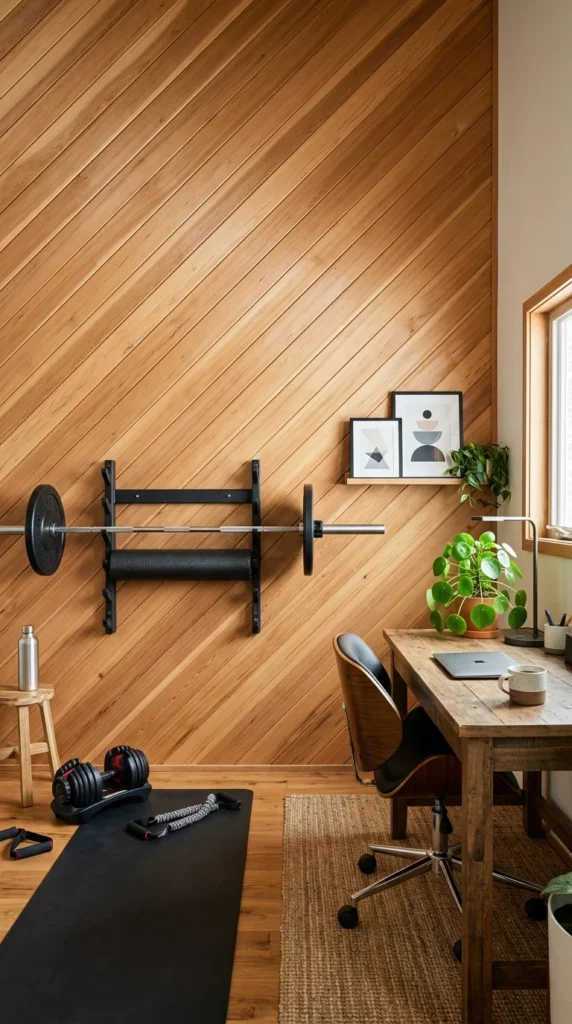
Installing wood planks diagonally is a simple way to break the grid of a standard room. Diagonal lines create a sense of action and flow, making them ideal for creative spaces or transitional areas like stairwells. By choosing a wood with a lot of grain contrast, the diagonal installation becomes even more visually arresting, acting as a giant piece of graphic art for the room.
21. Backlit Wood
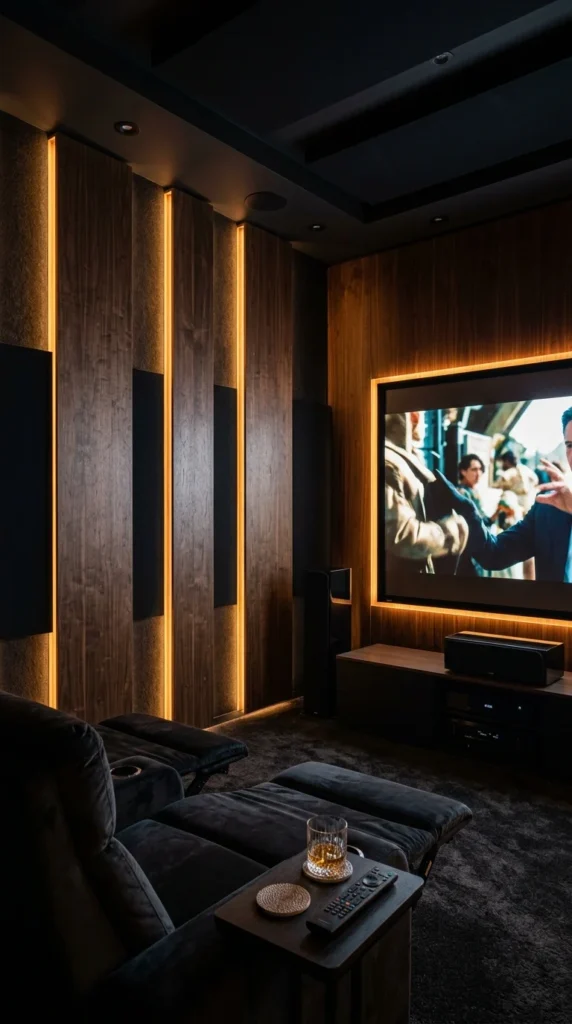
In the age of smart homes, integrating technology into your wood wall can take the design to the next level. By “floating” the wood panels slightly off the wall and installing LED strip lighting behind them, you create a glowing halo effect. This not only highlights the texture of the wood but also provides soft, atmospheric ambient lighting that is perfect for media rooms or bedrooms where you want to avoid harsh overhead lights.
22. Hexagonal Wood Tiles
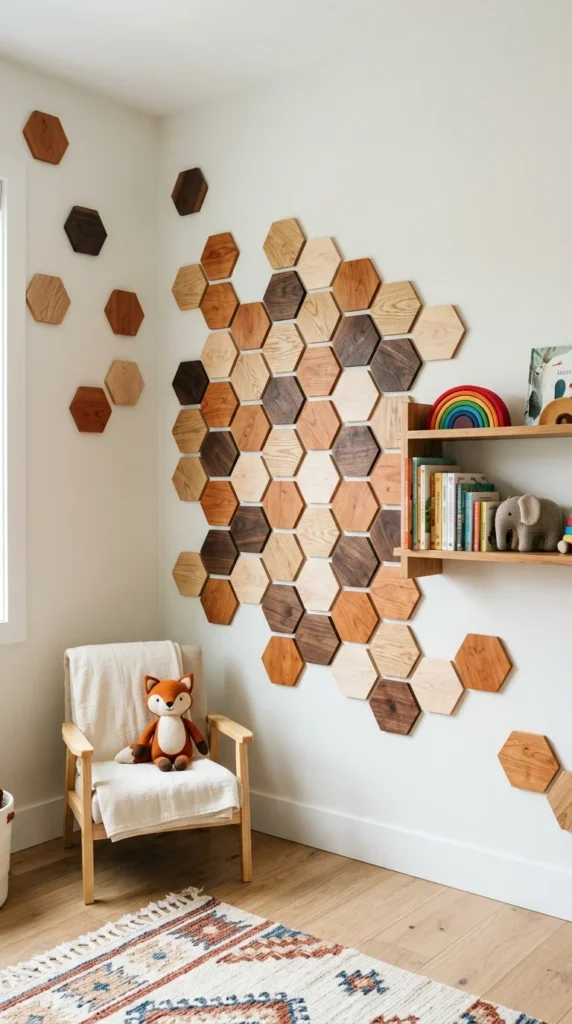
Hexagonal wood tiles offer a playful, geometric alternative to traditional planks. These small “honeycomb” pieces can be arranged in a tight grid or scattered across the wall for a more organic, “dripping” effect. Mixing different wood species within the hexagonal grid adds color and variety, making it a perfect choice for creative spaces or children’s rooms where a sense of fun is encouraged alongside natural beauty.
Summary for Success
When choosing the right wood accent wall for your home, consider the three pillars of wood design: Tone, Texture, and Orientation.
- Tone: Light woods (Oak, Ash, Pine) for an airy, modern feel; Dark woods (Walnut, Mahogany) for luxury and mood; Medium woods (Teak, Cherry) for mid-century warmth.
- Texture: Smooth veneers for a polished look; Slat walls for rhythm; Reclaimed or live-edge wood for organic, rustic character.
- Orientation: Vertical to add height; Horizontal to add width; Diagonal or Geometric for energy and artistic flair.
No matter which style you choose, a wood accent wall is an investment in your home’s character. It is a design choice that bridges the gap between the built environment and the natural world, providing a timeless backdrop that will continue to look beautiful for decades to come.