
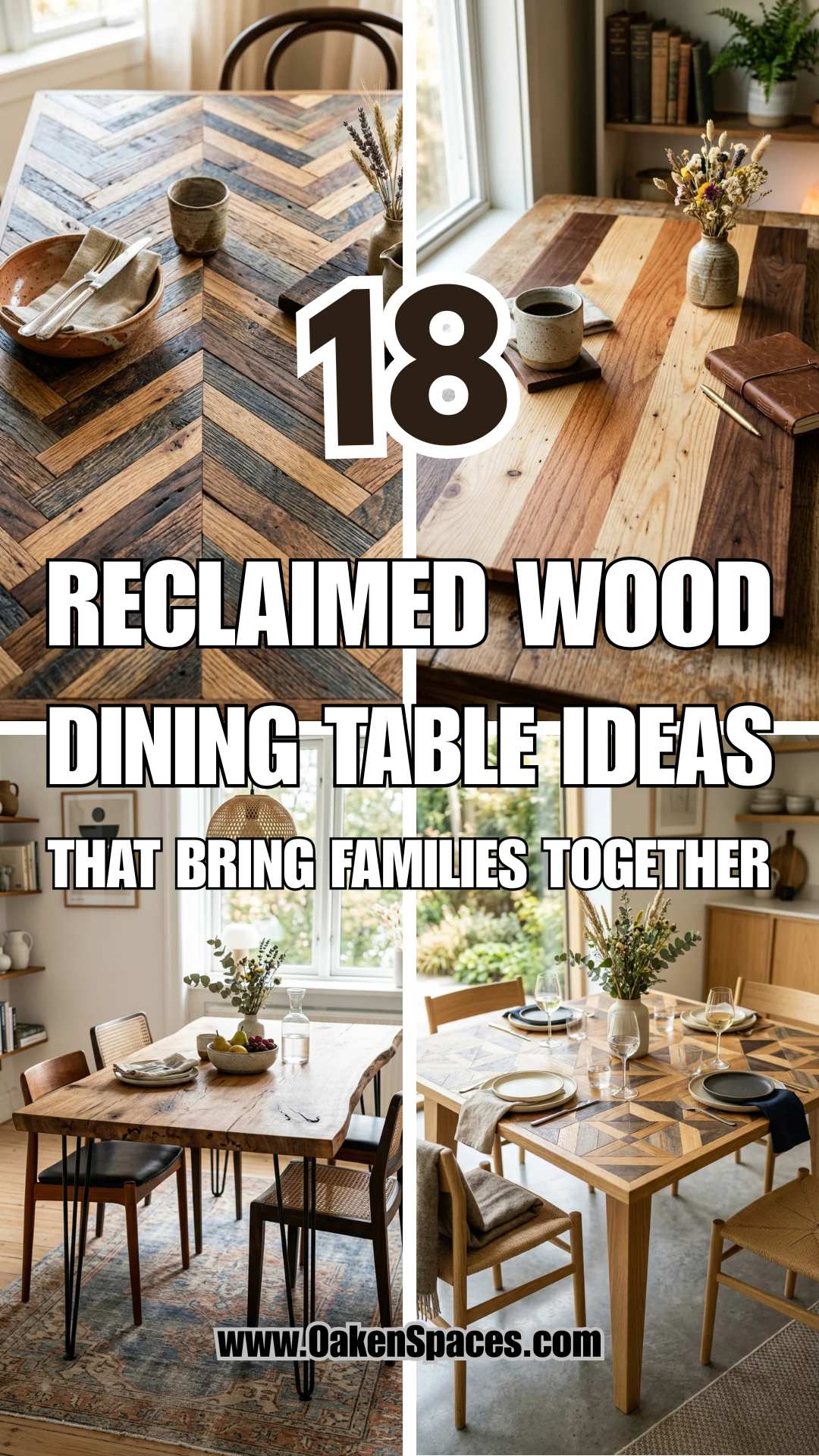
There is something profoundly soulful about a dining table that has lived a previous life. In a world of mass-produced furniture and fleeting trends, reclaimed wood stands as a testament to durability, history, and sustainable beauty. These tables aren’t just pieces of furniture; they are conversation starters. Every knot, nail hole, and weathered groove tells a story of an old barn in the Midwest, a historic factory in the Northeast, or a weathered shipping pier.
When you bring a reclaimed wood dining table into your home, you aren’t just adding a place to eat—you’re creating a focal point for connection. These tables invite family members to linger longer over coffee, encourage friends to share stories late into the night, and provide a grounding, organic presence in our increasingly digital lives.
Whether your style is ultra-modern, classic farmhouse, or coastal chic, there is a reclaimed wood design that can transform your dining space. Here are 18 incredible ideas to inspire your next gathering hub.
1. Classic Farmhouse
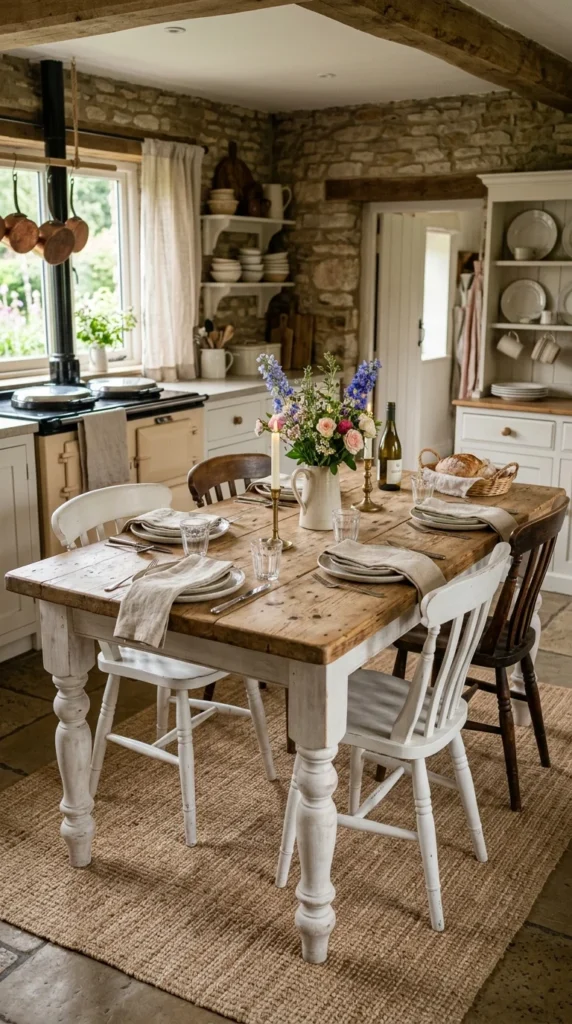
The classic farmhouse style is the gold standard for reclaimed wood. This design typically features thick, heavy planks—often sourced from old barns—resting on sturdy, turned legs. The beauty lies in the contrast; you can leave the legs natural to match the top or paint them a soft cream or white for a more “shabby chic” look. This table is built for big Sunday roasts and holiday gatherings where the more people squeezed in, the merrier.
2. Industrial Metal
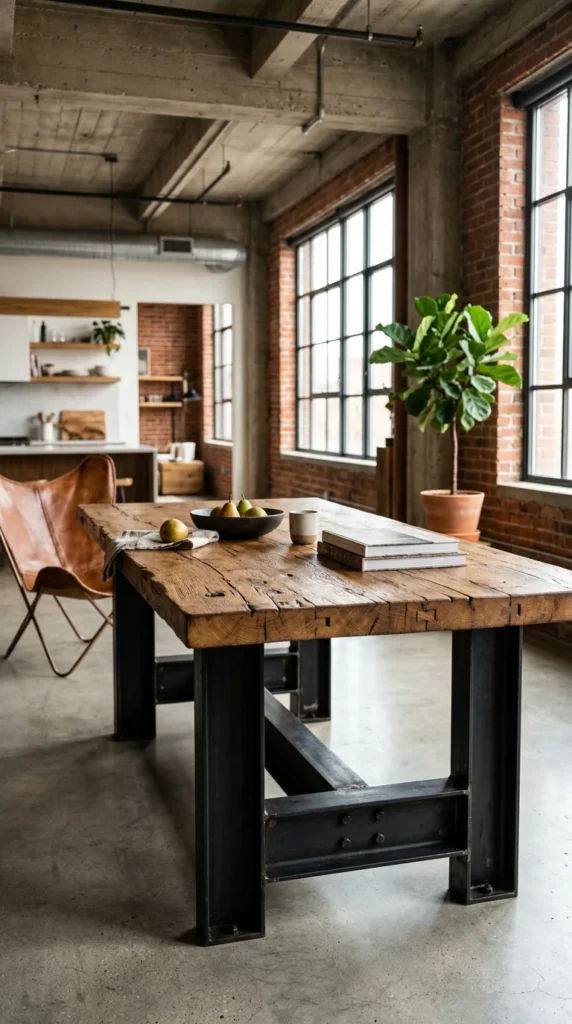
For those who love an urban, edgy aesthetic, pairing reclaimed wood with raw metal is a winning combination. The warmth of the old timber softens the coldness of the steel, creating a balanced, architectural look. Look for bases made from I-beams, box frames, or even repurposed machine parts. It’s a perfect fit for open-concept lofts or homes with exposed brick walls.
3. Live Edge
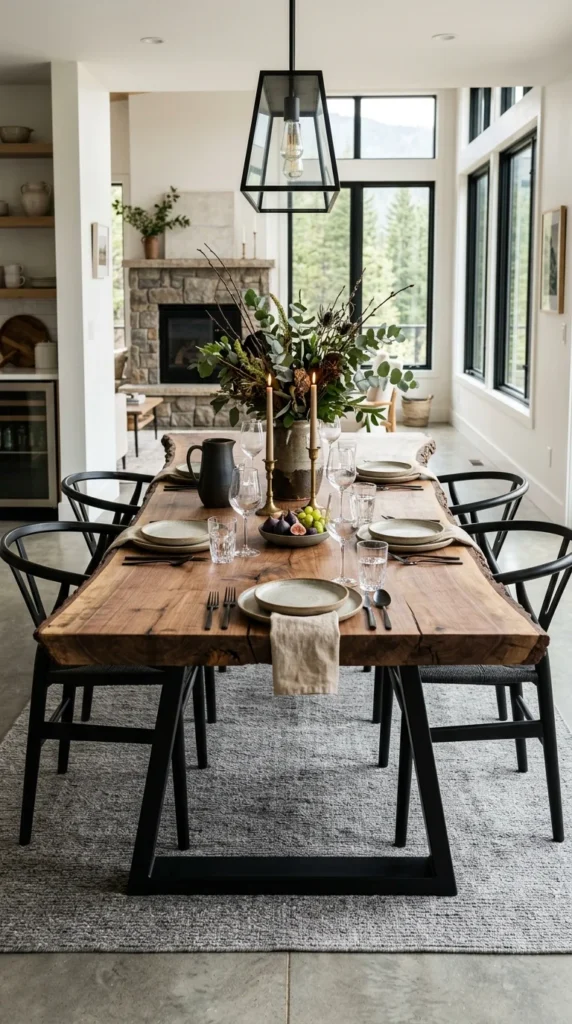
A live edge reclaimed table celebrates the tree in its most organic form. By keeping the natural silhouette of the trunk, these tables become functional pieces of art. When sourced from reclaimed logs or old-growth timber that has fallen naturally, it adds an extra layer of environmental consciousness. The irregular edges invite touch and provide a soft, flowing energy to the room.
4. Herringbone Pattern
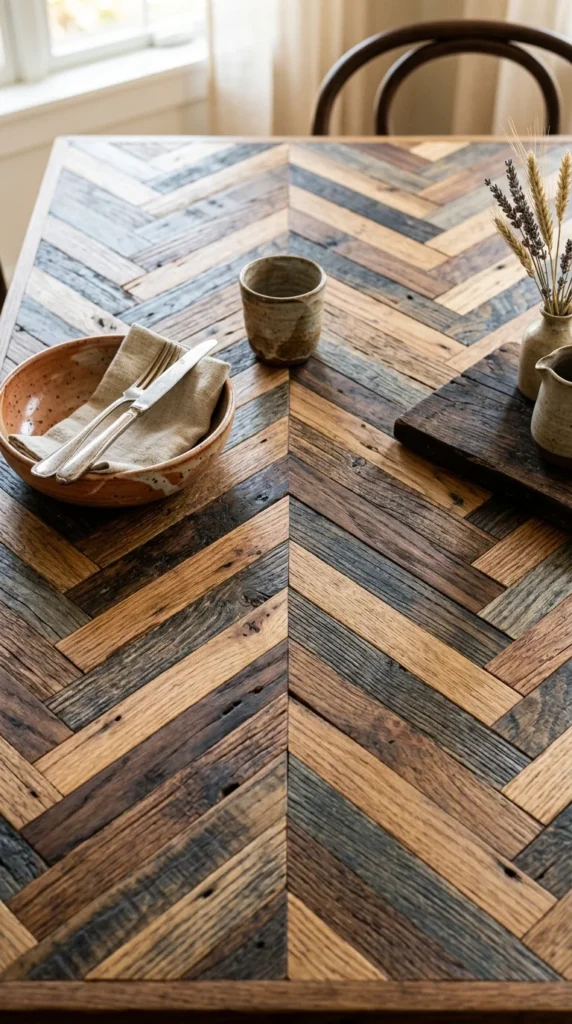
If you want the history of reclaimed wood but prefer a more polished, decorative look, a herringbone or chevron pattern is ideal. Craftsmen use smaller strips of wood, often from different sources, to create a mosaic-like effect. This highlights the various tones of the wood—from deep chocolate browns to silvery greys—giving the tabletop a rhythmic, movement-filled appearance.
5. Trestle Base
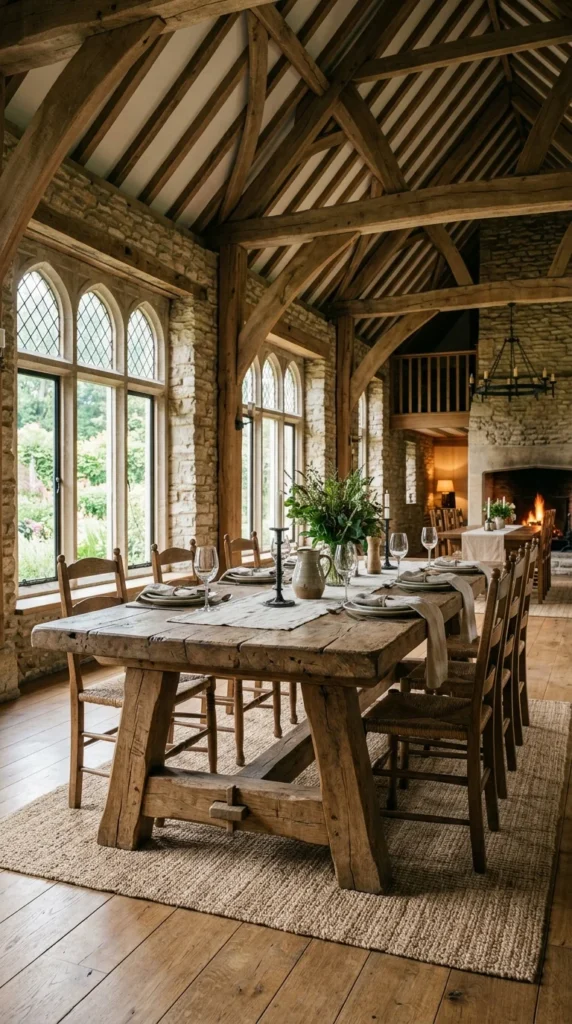
Trestle tables have been around for centuries for a reason: they are incredibly stable and allow for maximum legroom. A reclaimed version uses thick beams for the base, often joined with traditional mortise and tenon joinery. This style feels grounded and permanent, making it a literal anchor for the family home.
6. Round Pedestal
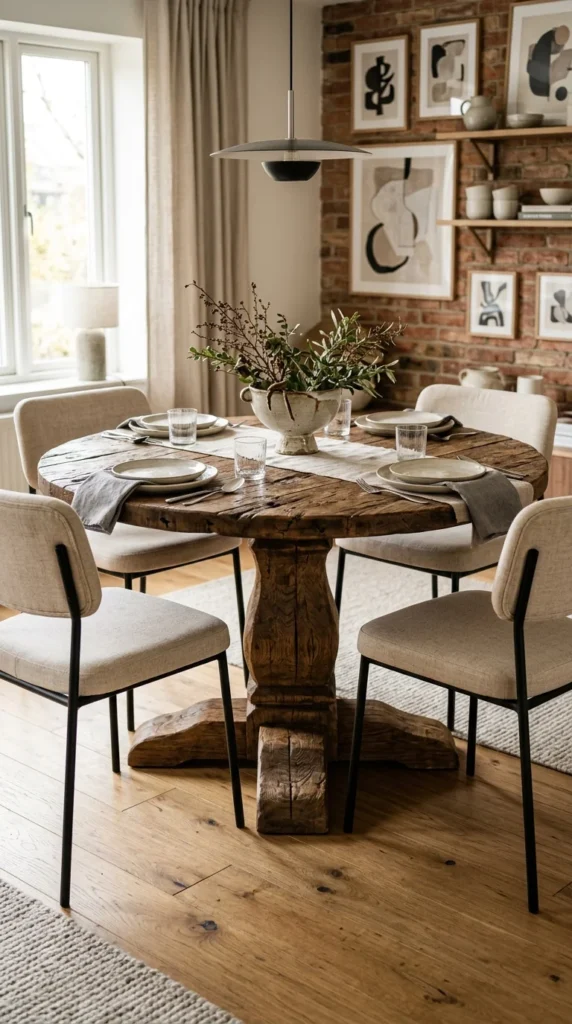
Small spaces don’t have to miss out on the reclaimed wood trend. A round pedestal table encourages eye contact and easy conversation, making every meal feel intimate. The single central leg eliminates the “corner leg” struggle, allowing you to tuck in more chairs when unexpected guests arrive. The circular grain pattern on a reclaimed top is particularly mesmerizing.
7. Whitewashed Coastal
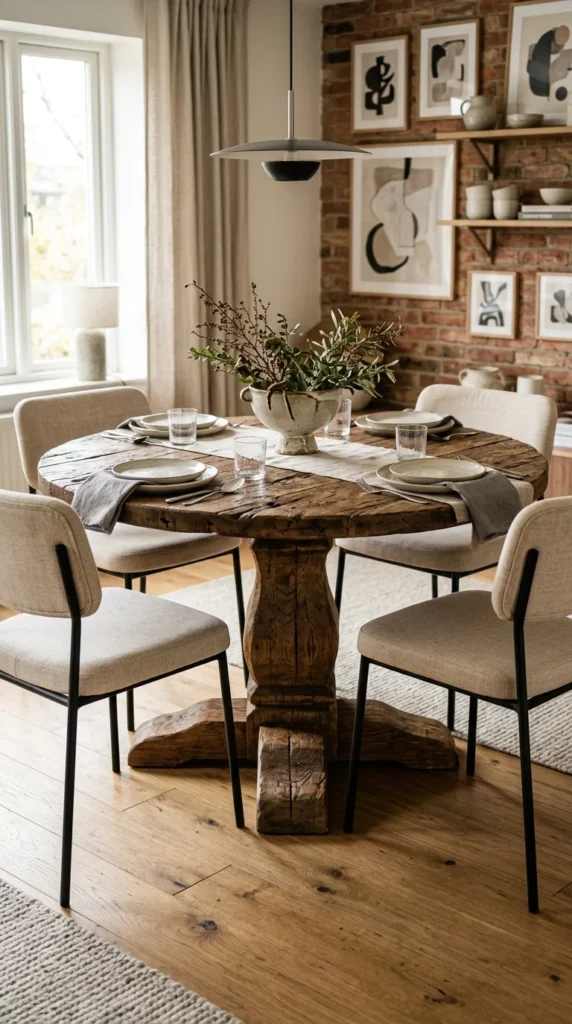
Reclaimed wood doesn’t always have to be dark and heavy. A whitewashed or “pickled” finish can transform old wood into something that feels light, breezy, and perfect for a beach house or a bright sunroom. This finish highlights the texture of the grain while softening the overall visual weight of the piece.
8. X-Frame Rustic
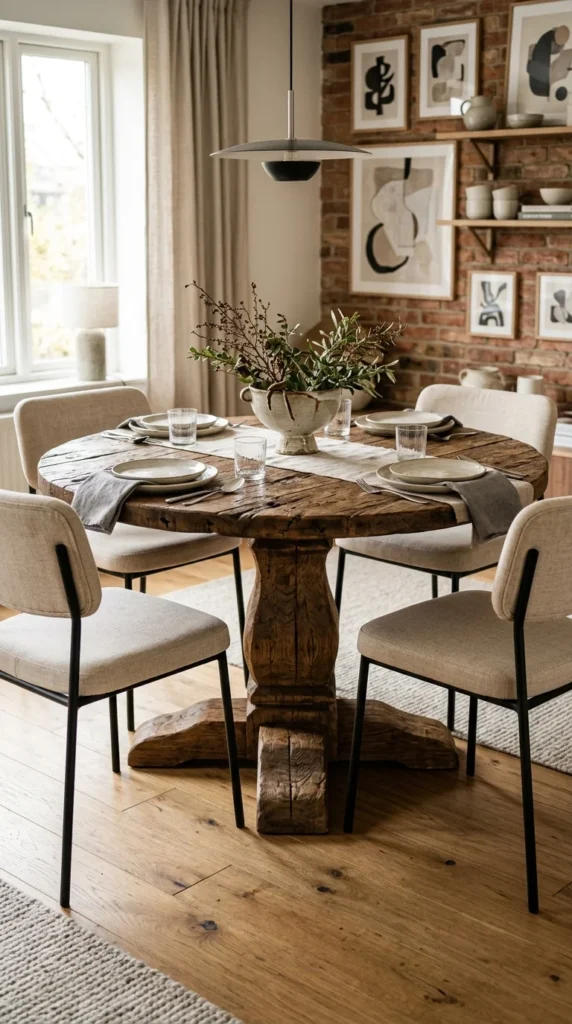
The X-frame (or trestle X) is a quintessential “sawmill” look. It’s incredibly sturdy and offers a bold, graphic silhouette. This style works exceptionally well with very thick planks (3 inches or more), emphasizing the raw power and longevity of the reclaimed material.
9. Modern Minimalist
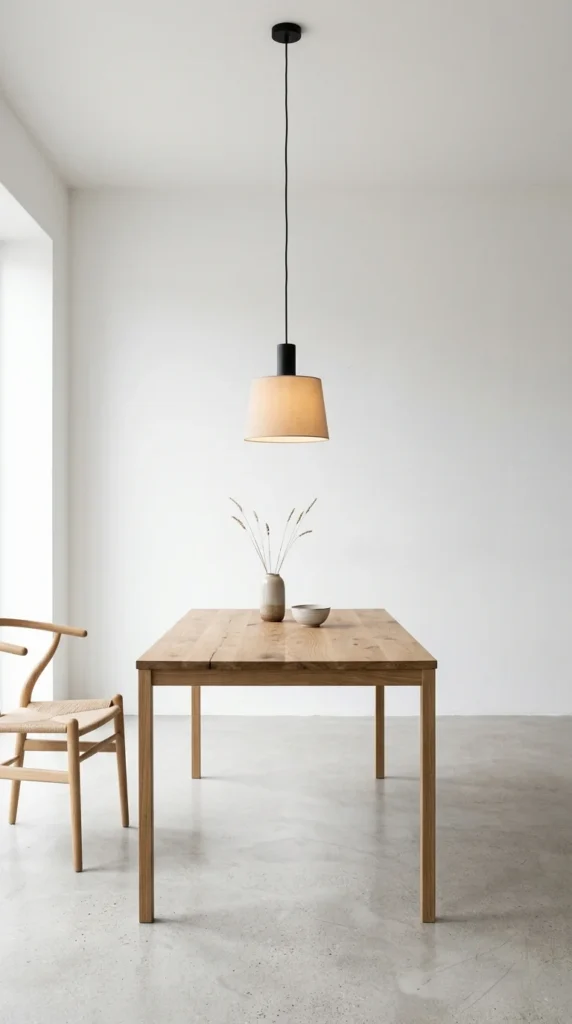
You can enjoy the character of old wood even in a strictly modern home. By keeping the lines sharp and the profile slim, reclaimed wood becomes a texture-rich element in a minimalist palette. This style proves that “reclaimed” doesn’t have to mean “bulky.”
10. Dark Walnut Stain
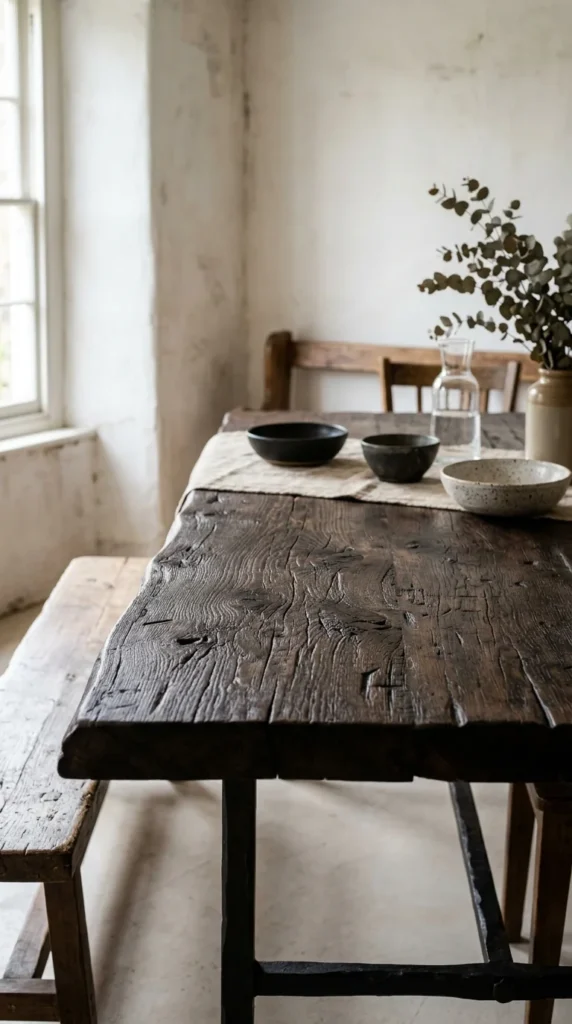
While many prefer the natural “honey” or “grey” tones of old wood, a dark stain can add a layer of formal elegance. A deep walnut or ebony finish on reclaimed wood creates a sophisticated look that hides some of the more aggressive distressing while still allowing the unique texture to provide depth.
11. Barn Door Top
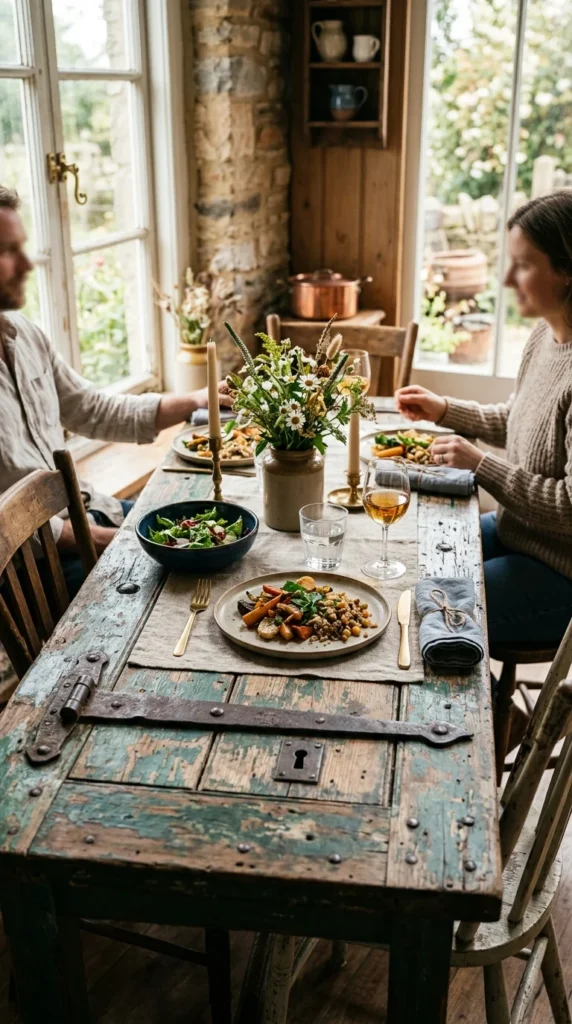
Sometimes the wood doesn’t need to be processed at all. Using an actual vintage barn door as a tabletop—complete with the original iron hardware or ghosting from where the hinges used to be—is the ultimate way to preserve history. Covered with a sheet of tempered glass or finished with a high-quality sealant, it’s a literal piece of the past.
12. Parquet Style
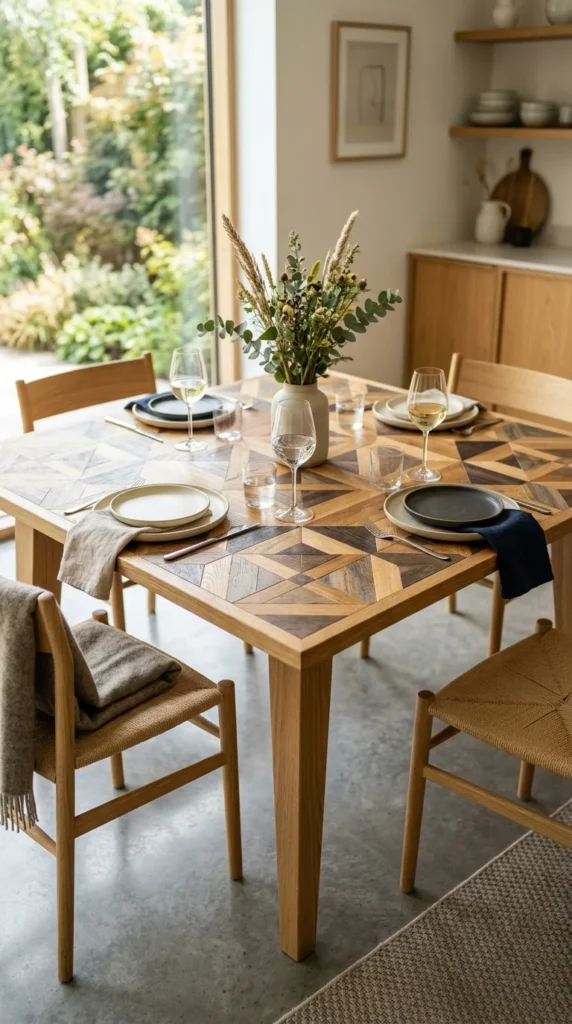
Parquet isn’t just for floors. A reclaimed wood parquet table uses geometry to create a sense of order out of the chaotic beauty of old timber. This style is perfect for square dining rooms and adds a touch of mid-century or European flair to the rustic material.
13. Hairpin Legs
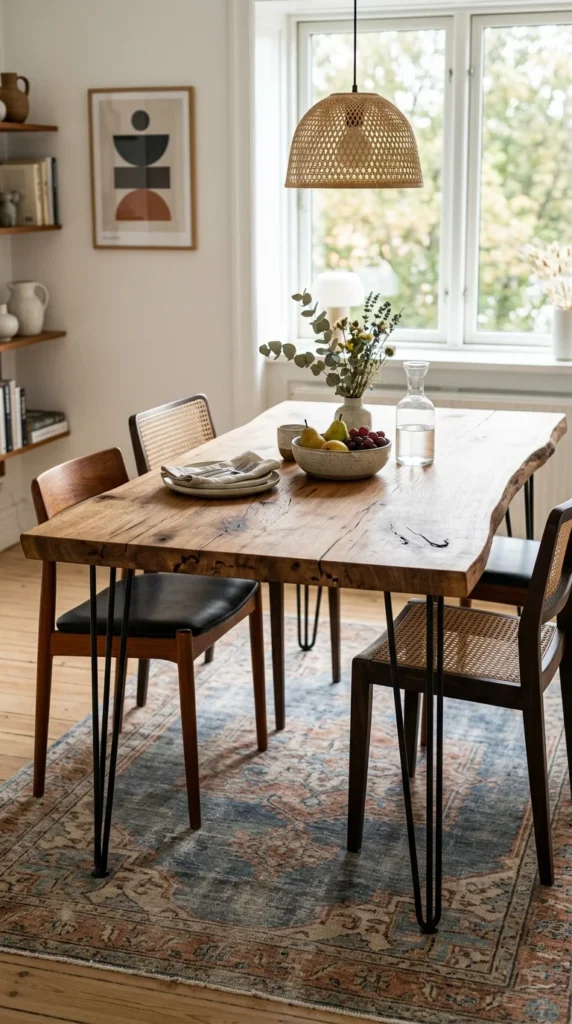
For a “light on its feet” look, pair a chunky reclaimed top with thin hairpin legs. This is a favorite for DIYers and fans of industrial-modern design. The contrast between the heavy, ancient wood and the thin, mid-century steel legs creates a delightful visual tension.
14. Chunky Timber
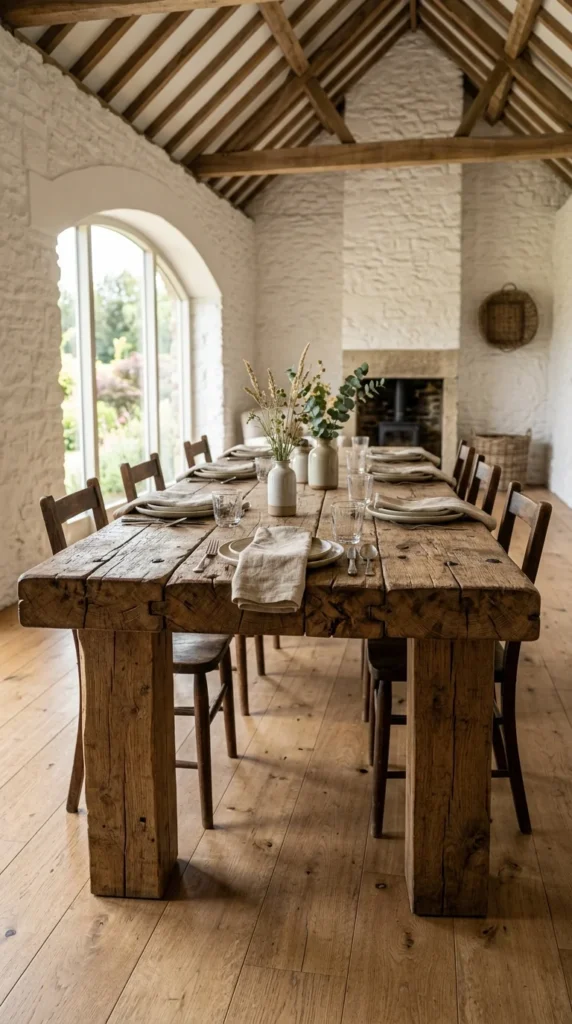
This style is for those who want their furniture to feel like it was carved out of a mountain. Using massive beams—often 6×6 or 8×8 inches—for the legs and a matching thick top, this table is virtually indestructible. It’s a piece that will be passed down through five generations without ever wobbling.
15. Oval Gathering
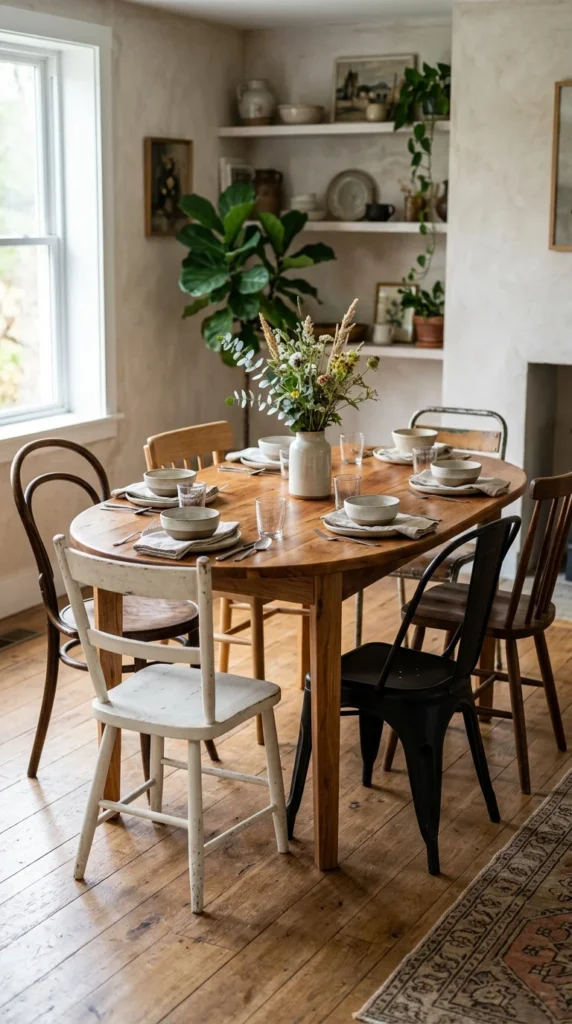
Oval tables offer the best of both worlds: the length of a rectangular table with the soft, flowing edges of a round one. Reclaimed wood in an oval shape feels particularly soft and inviting, removing sharp corners that can be hazardous in busy households with small children.
16. Mixed Wood Inlay
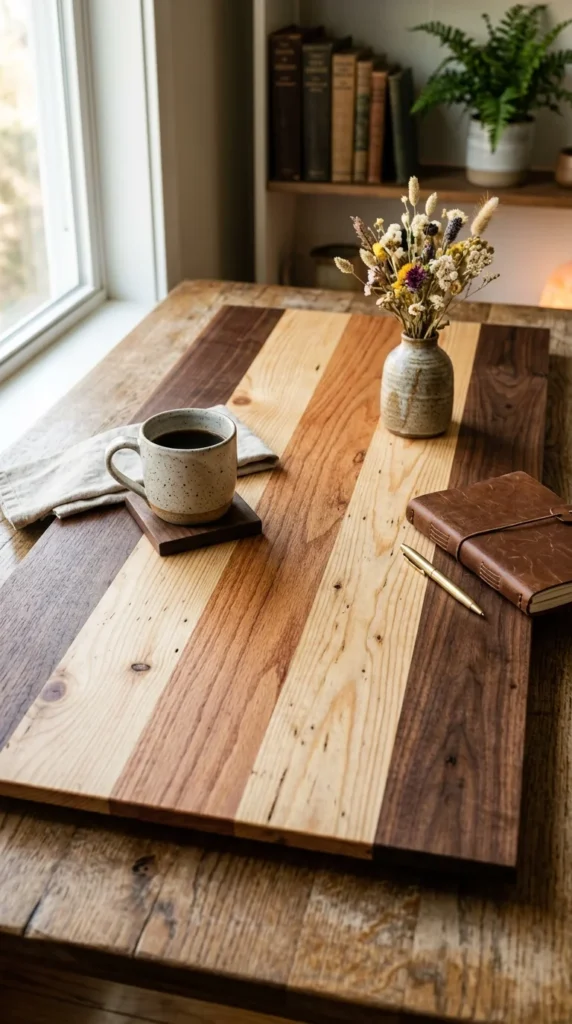
Why choose one type of wood when you can have them all? A mixed wood table celebrates the diversity of reclaimed sources. By alternating different species, the table becomes a palette of natural colors. It’s an excellent way to tie together different wood tones already present in your home’s flooring or cabinetry.
17. Bench Seating Set
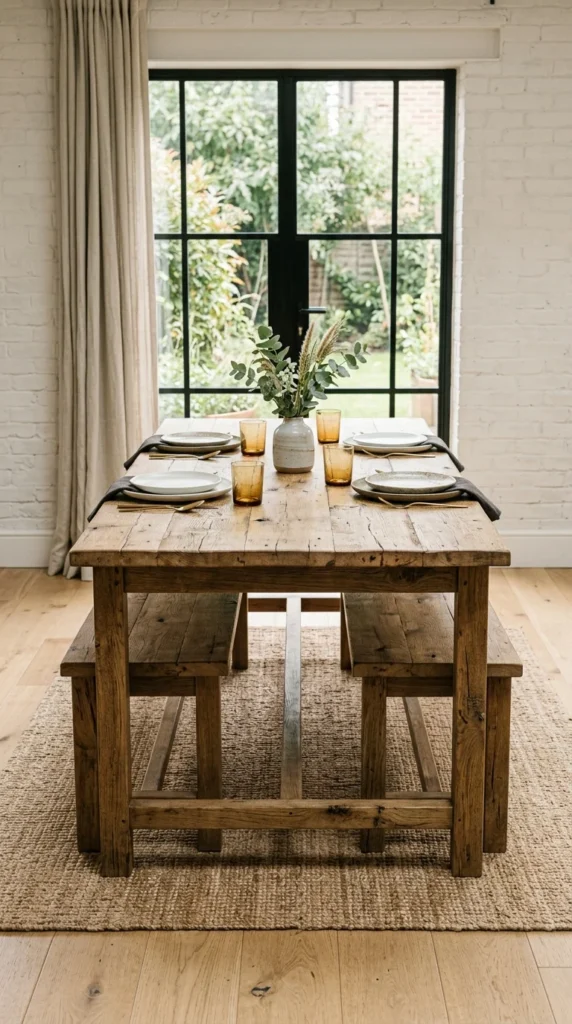
Nothing says “family gathering” quite like bench seating. Choosing a reclaimed wood table with matching benches creates a communal, “picnic-in-the-woods” vibe indoors. Benches are also practical; they can slide under the table to save space and can accommodate more kids than individual chairs.
18. Sawhorse Base
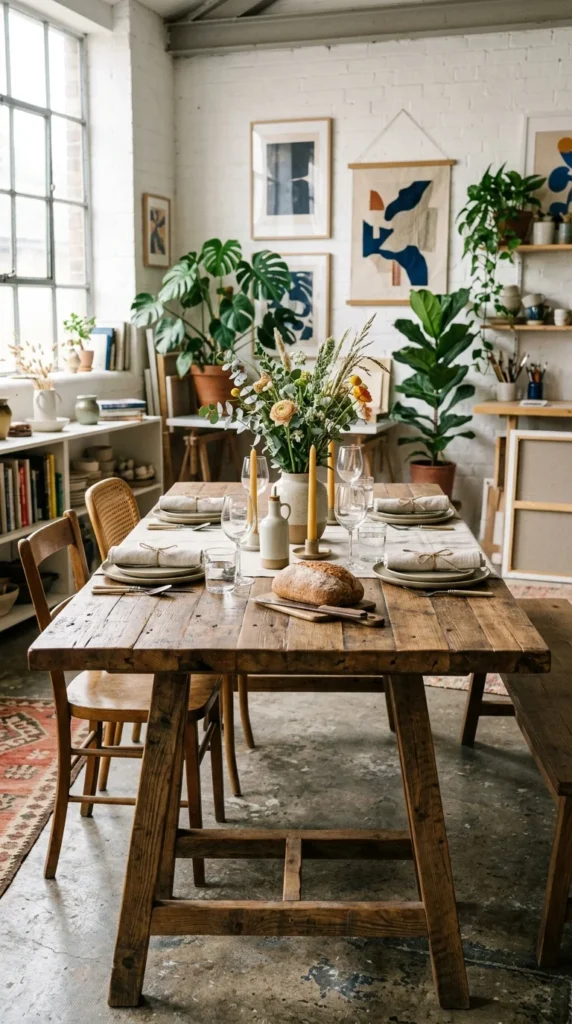
The sawhorse base is a nod to the workshop and the craftsman’s studio. It feels temporary and creative, yet it’s incredibly stable. This look is perfect for a home office that doubles as a dining room or for a creative family that uses their table for everything from homework to heavy-duty crafting and big dinners.
The Lasting Appeal of Reclaimed Wood
Choosing a reclaimed wood dining table is more than a design choice; it’s a lifestyle statement. You are choosing to honor the environment by repurposing existing materials. You are choosing a piece of furniture that is “worry-free”—because a few more scratches or a new water ring from a glass will only add to the “patina” and history of the piece.
Most importantly, you are choosing a table that feels like home from the very first day. It doesn’t need to be “broken in.” It already has a soul, and it’s just waiting for your family to add the next chapter to its long and beautiful story.