
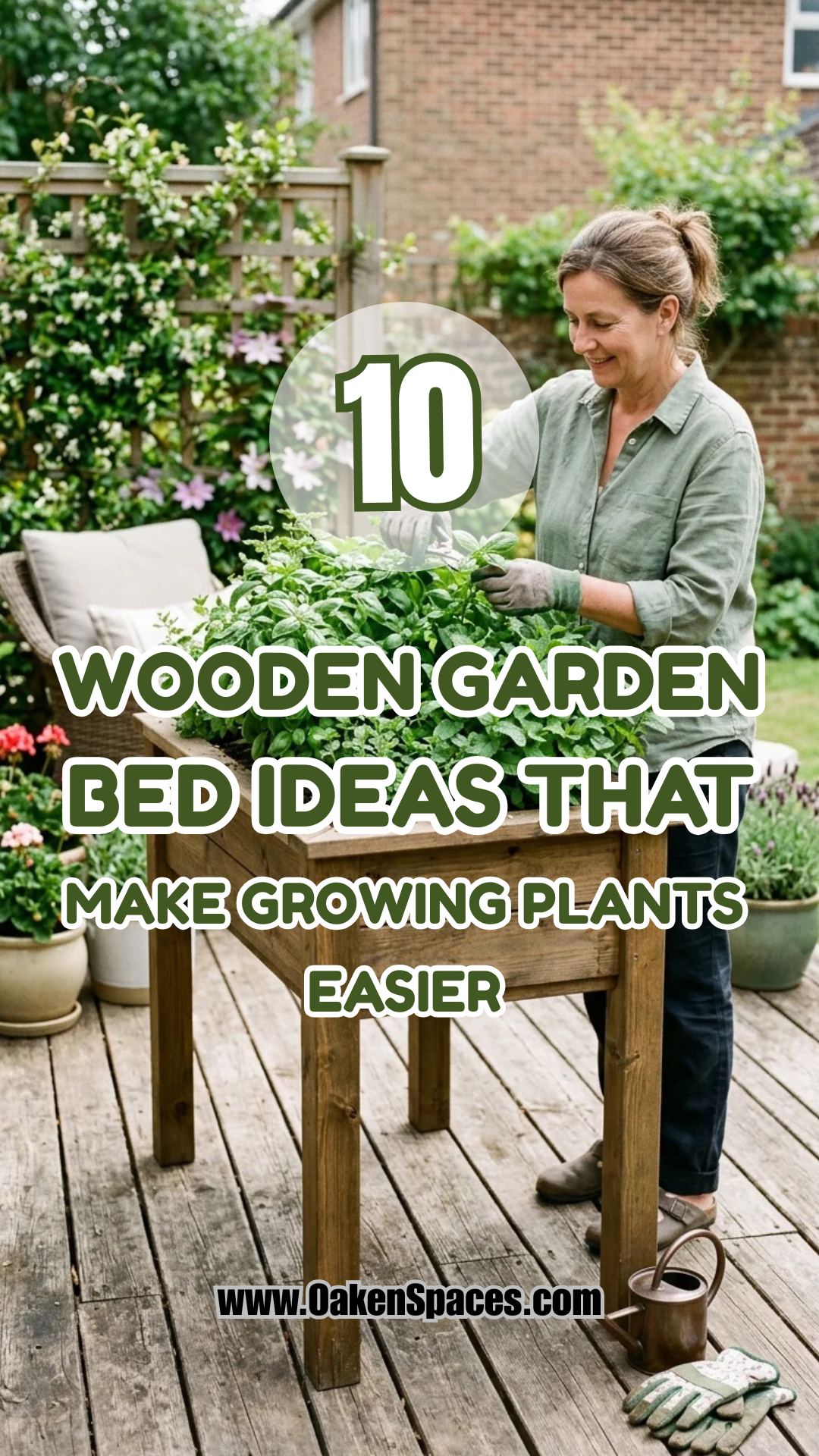
Elevating your gardening game often starts with the foundation—literally. Wooden garden beds have long been the gold standard for home horticulturists, offering a perfect blend of aesthetic charm and functional superiority. Whether you are battling poor soil quality, dealing with persistent pests, or simply looking to save your back from the strain of traditional tilling, the right wooden bed design can transform your gardening experience from a chore into a therapeutic retreat.
Raised beds allow for better drainage, faster soil warming in the spring, and a controlled environment where you can tailor the nutrient mix to specific plant needs. By choosing the right design, you aren’t just building a box; you’re creating an ecosystem that promotes healthier roots and higher yields. Here are ten innovative wooden garden bed ideas designed to make growing plants easier, more efficient, and more enjoyable.
1. Standard Rectangular
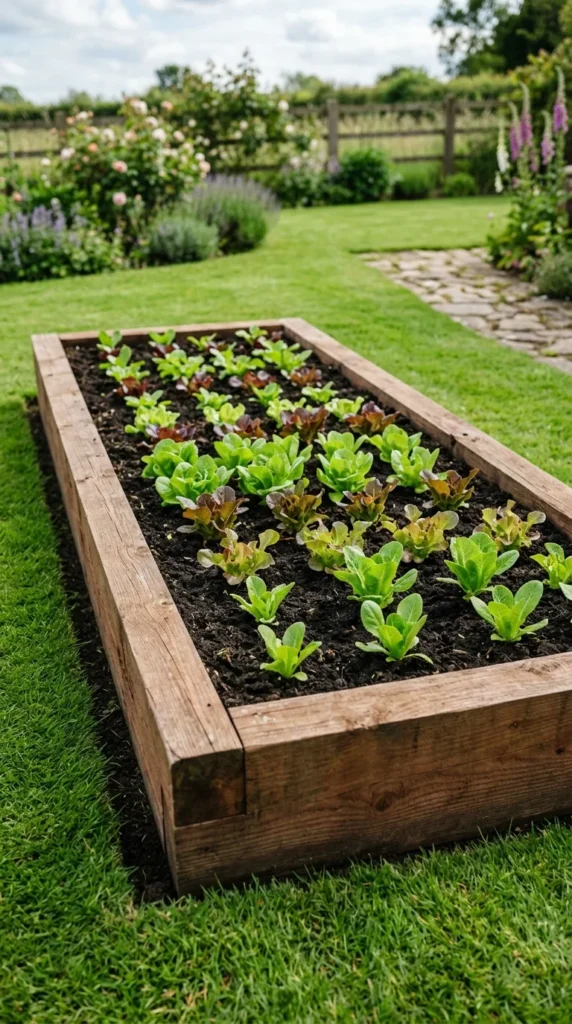
The classic rectangular raised bed is the cornerstone of backyard gardening for a reason: it works. By keeping the width to four feet or less, you ensure that you can reach the center of the bed from either side without ever stepping on the soil. This prevents soil compaction, which is vital for root respiration and water infiltration.
Standard beds are also the easiest to build for beginners. Using rot-resistant wood like cedar or hemlock, you can quickly assemble a frame that lasts for years. This design is particularly effective for “Square Foot Gardening,” a method that maximizes harvests in small spaces by dividing the bed into a grid. Because the borders are clearly defined, managing weeds and applying mulch becomes a localized, manageable task rather than a yard-wide battle.
2. Tiered Levels
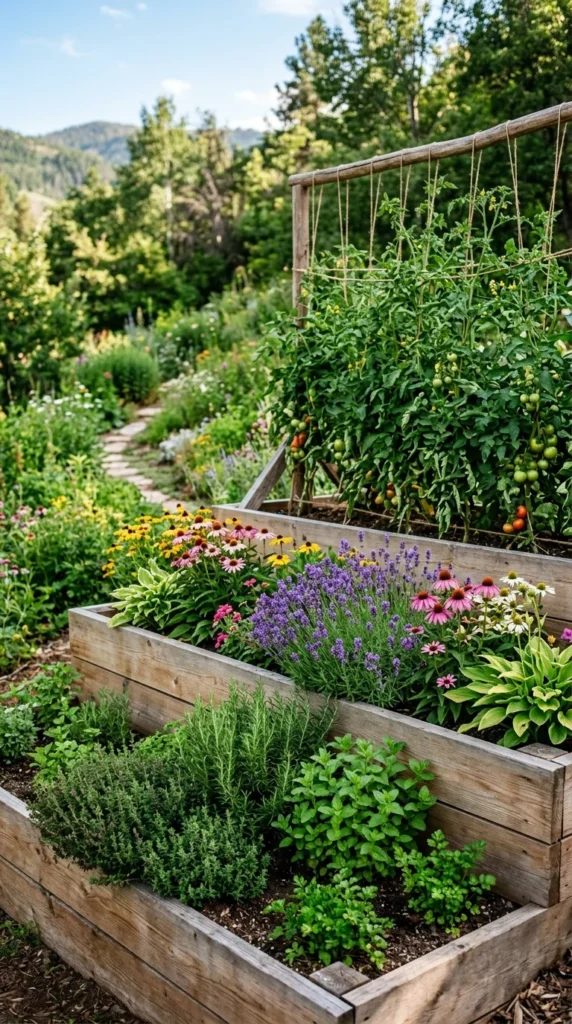
If you have a sloped yard or want to add architectural interest to your landscape, tiered wooden beds are the perfect solution. This design mimics a staircase, providing different depths of soil in a single footprint. The varying heights are not just for show; they allow you to plant deep-rooted vegetables like carrots and parsnips in the higher sections, while shallow-rooted greens thrive in the lower tiers.
Tiered beds also maximize sun exposure. By placing taller plants at the back (highest) tier and shorter ones at the front, you ensure that every leaf gets its fair share of Vitamin D. This vertical orientation also makes harvesting easier, as the different levels bring the plants closer to your natural line of sight.
3. Waist-High
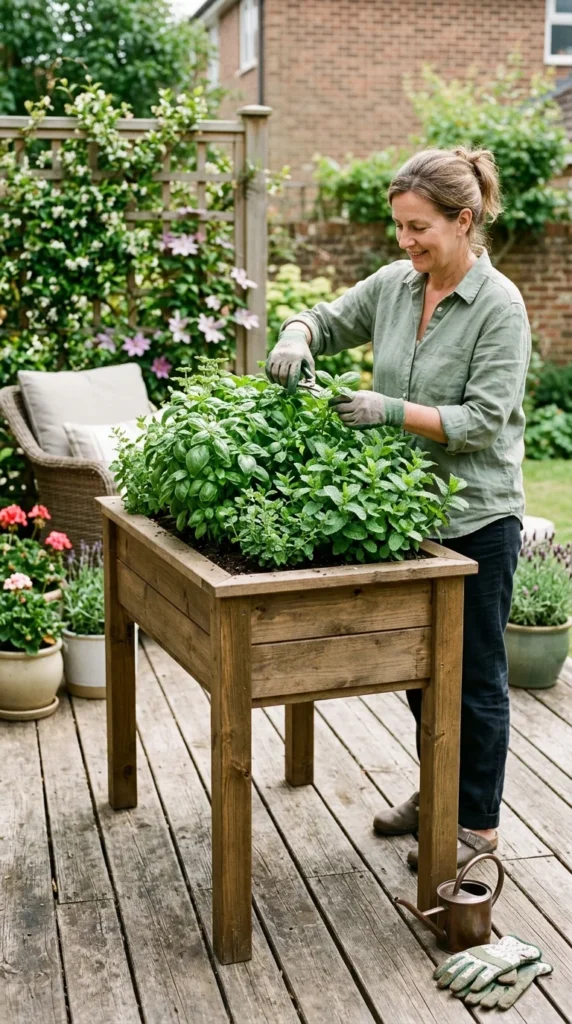
For many gardeners, the biggest obstacle to a productive season is physical strain. Waist-high elevated beds eliminate the need to kneel, crouch, or bend over, making gardening accessible to everyone, including those with limited mobility or chronic back pain. These beds are essentially large containers on sturdy legs, often featuring a slatted bottom for excellent drainage.
Beyond ergonomics, waist-high beds offer a significant advantage in pest control. They are much harder for rabbits, slugs, and ground-dwelling insects to reach. Because they are separated from the ground, the soil warms up significantly faster in the spring, allowing you to get a head start on your planting season. They are also perfect for patios and balconies where ground space is unavailable.
4. Self-Watering
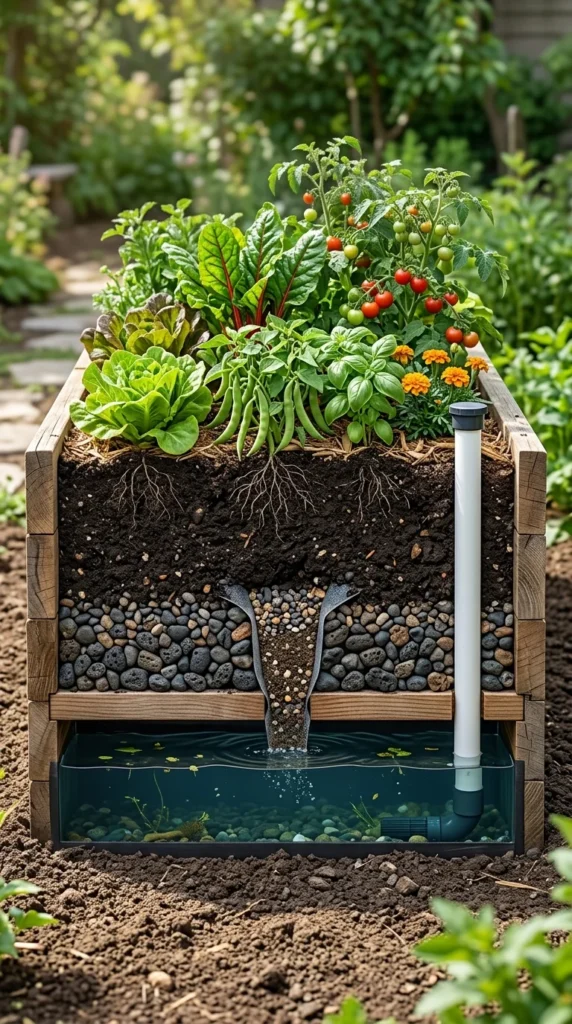
The most common reason for plant failure is inconsistent watering. Self-watering wooden beds, often called “wicking beds,” solve this by utilizing a reservoir at the bottom. Using a system of pipes and a liner, water is stored beneath the soil and pulled upward through capillary action. This ensures that the roots receive a constant, steady supply of moisture without the soil becoming waterlogged.
These beds are a game-changer for gardeners in hot climates or those who travel frequently. You only need to fill the reservoir every week or two, and the system does the rest. Because the water is delivered from below, the surface of the soil stays drier, which significantly reduces the growth of weeds and prevents fungal diseases that occur when foliage gets wet.
5. Integrated Seating
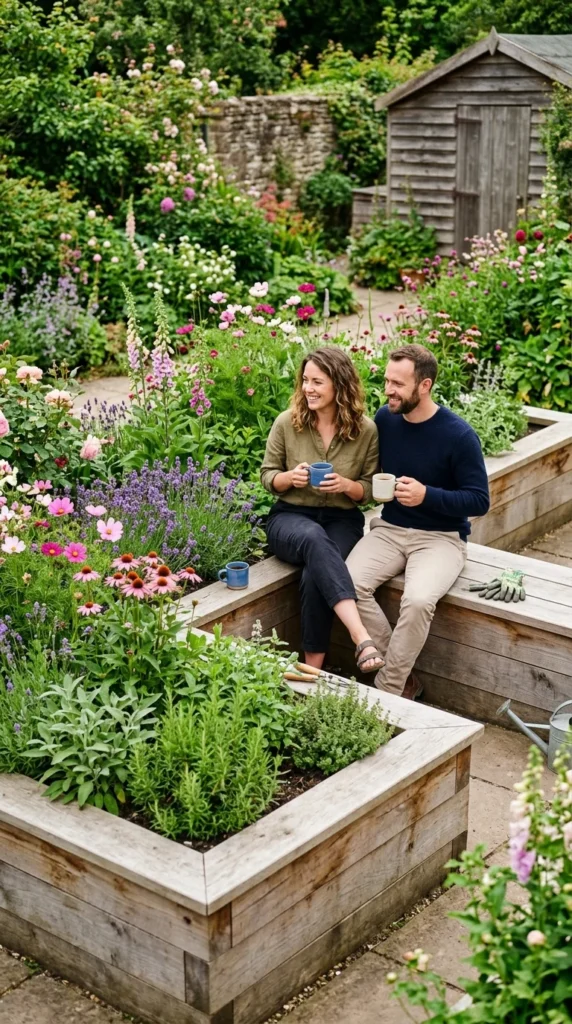
Gardening should be a social and relaxing activity. By adding a wide “cap” or ledge to the top of your wooden bed, you create integrated seating that allows you to sit comfortably while you weed, prune, or simply enjoy the fruits of your labor. This design turns a functional garden element into a piece of outdoor furniture.
The wide ledge also serves as a convenient workspace for holding seed packets, pruners, or a cold drink. From a structural standpoint, the seating ledge acts as a brace, strengthening the corners and preventing the wooden planks from bowing outward under the pressure of the soil over time.
6. Keyhole Design
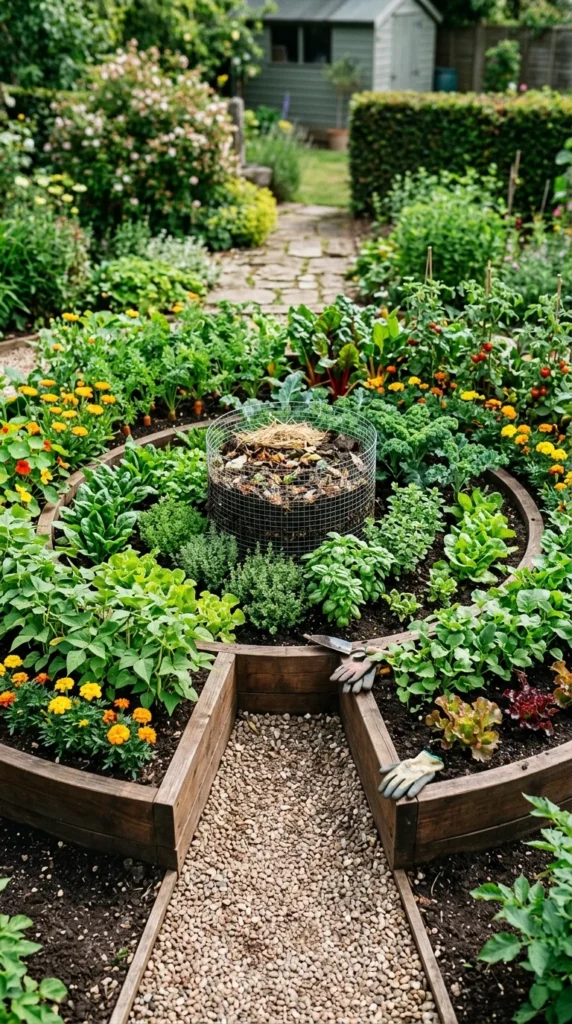
The Keyhole garden is a brilliant permaculture design that combines a raised bed with an active composting system. This circular bed features a “keyhole” notch that allows you to walk into the center. At the very center sits a perforated basket where you place kitchen scraps and gray water. As the scraps decompose, nutrients leach directly into the surrounding soil, feeding your plants throughout the season.
This design is incredibly efficient for water use, as the moisture from the compost basket spreads outward to the roots. It’s a self-fertilizing system that reduces the need for external inputs. The circular shape provides a massive amount of planting surface while remaining easily accessible from the central notch.
7. U-Shaped
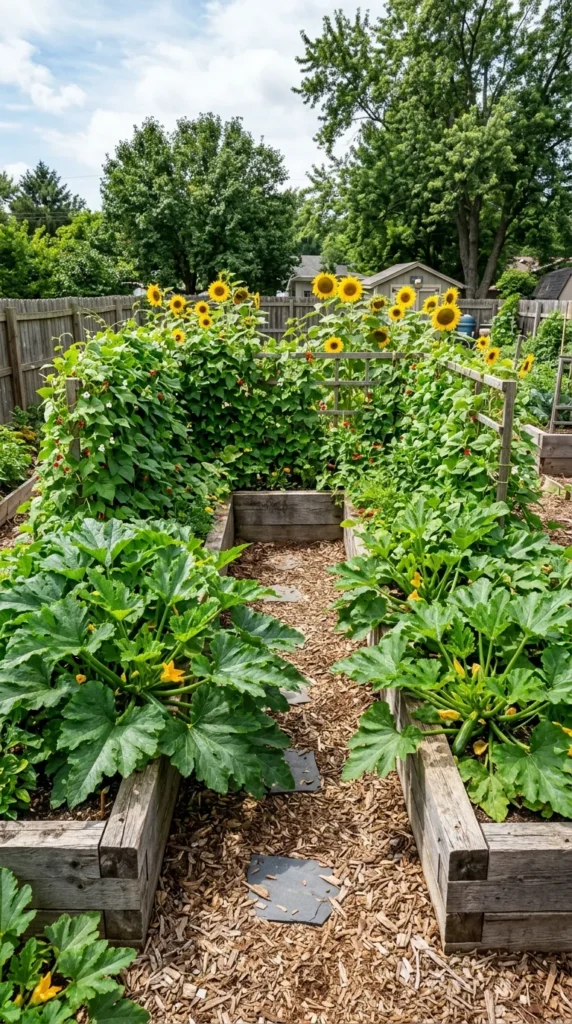
When you have a lot of space and want to grow a high volume of food, the U-shaped bed is the ultimate layout. This design provides three sides of planting area wrapped around a central walkway. It maximizes the “reach zone,” allowing you to access a huge amount of square footage without ever stepping into the bed.
The U-shape is particularly effective for incorporating vertical elements. You can run an arching cattle-panel trellis between the two arms of the “U,” allowing cucumbers, squash, and beans to grow overhead. This not only looks spectacular but also keeps the fruit off the ground, making it easier to harvest and less prone to rot.
8. Vertical Slat
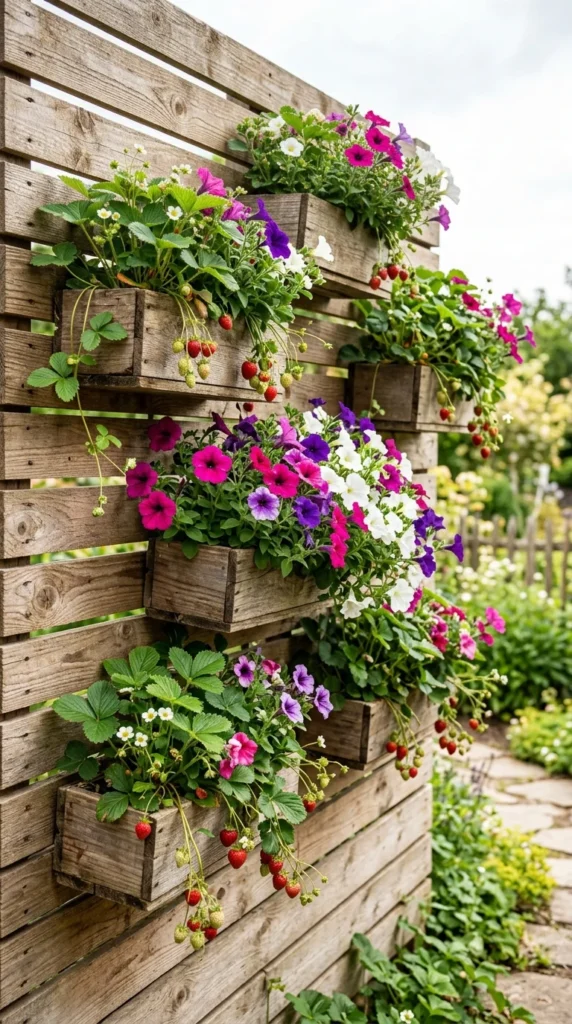
For the space-challenged gardener, the only way to go is up. A vertical slat bed utilizes a wall or fence to support multiple smaller wooden planting boxes. This idea is perfect for herbs, strawberries, and leafy greens. By stacking the beds vertically, you can grow dozens of plants in a footprint that is only a few inches deep.
This method makes harvesting incredibly easy—you can simply snip what you need at eye level. It also creates a stunning visual “living wall” that can provide privacy or hide an unattractive fence. Because the boxes are separate, you can easily move them around to follow the sun or bring them indoors during a frost.
9. Mobile Planters
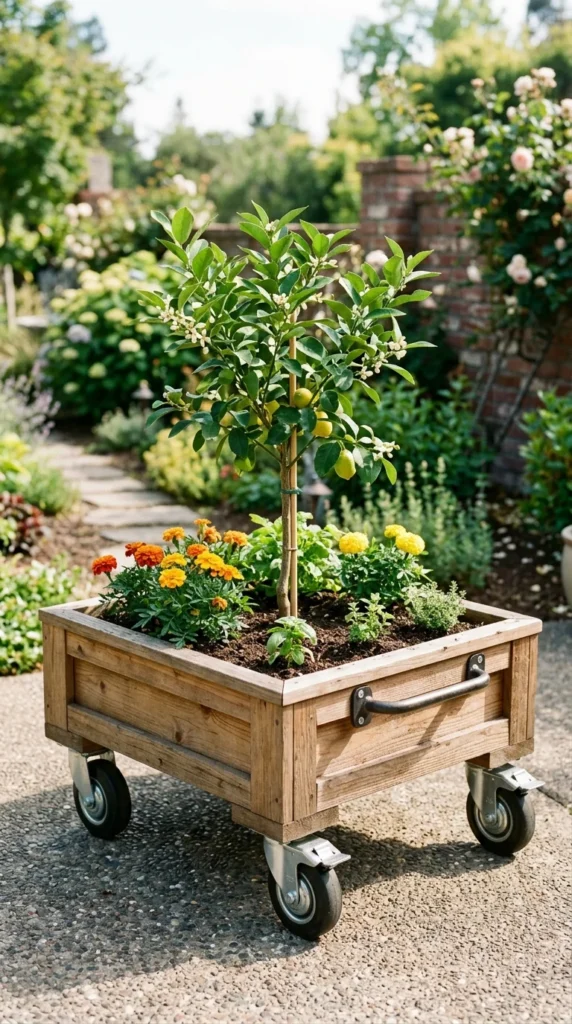
Sunlight patterns change throughout the year, and a spot that is sunny in May might be shaded by a tree in August. Mobile wooden beds on heavy-duty casters allow you to “chase the sun.” These beds are usually smaller and built with a reinforced bottom to handle the weight of wet soil and wheels.
Mobile beds are also ideal for urban dwellers who may need to clear their patio space for entertaining. If a storm is coming or an early frost is predicted, you can simply roll your garden into a garage or under a porch for protection. This flexibility significantly extends your growing season and protects your investment.
10. Greenhouse Cover
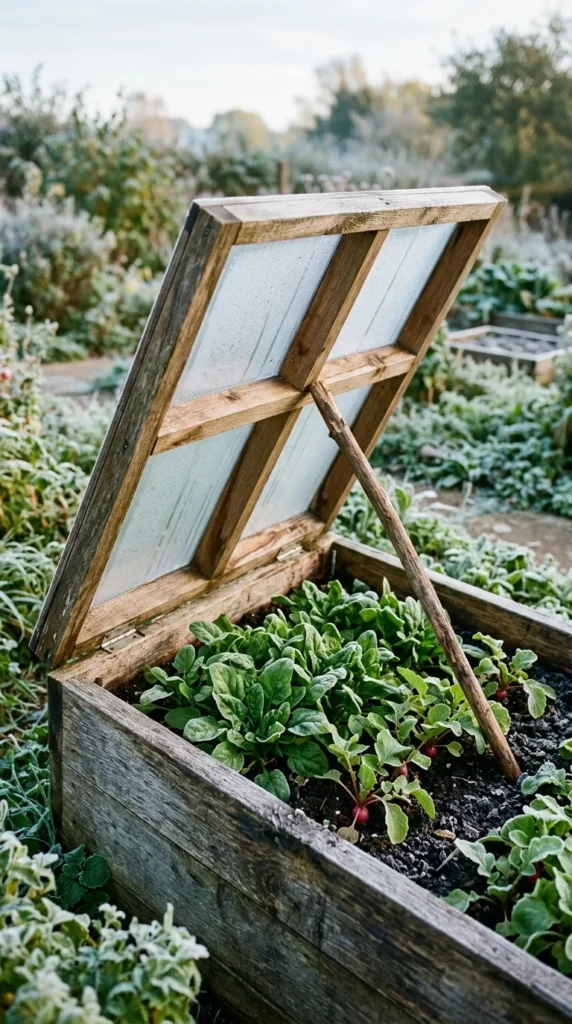
A wooden bed with a built-in “cold frame” or greenhouse cover is the ultimate tool for year-round gardening. By attaching a hinged frame with clear plastic or polycarbonate panels to the top of your bed, you create a protected microclimate. In the early spring, it acts as a heater, trapping solar energy to warm the soil for germination. In the late fall, it protects tender crops from the first few frosts.
This design makes growing plants easier by reducing the “hardening off” period for seedlings and allowing you to grow cold-weather crops like kale and carrots well into the winter. The hinged lid allows for easy venting on warm days to prevent the plants from overheating, giving you total control over the environment.
Choosing the Right Wood and Maintenance
To ensure your wooden garden beds last for a decade or more, the choice of material is crucial. Cedar and Redwood are the top choices due to their natural oils that resist rot and insect infestation. While more expensive upfront, they save money in the long run by not needing replacement every few years.
If you use Untreated Pine or Douglas Fir, consider lining the inside with heavy-duty landscape plastic (avoiding the bottom for drainage) to prevent the wet soil from touching the wood directly. Avoid “pressure-treated” wood from older stock, as it may contain chemicals you don’t want leaching into your food; however, modern ACQ-treated wood is generally considered safe for garden use.
Finally, to keep your beds in top shape, apply a food-safe oil (like raw linseed oil) to the exterior every couple of years. This preserves the wood’s color and provides an extra layer of protection against the elements, ensuring your garden remains both beautiful and productive for seasons to come.