
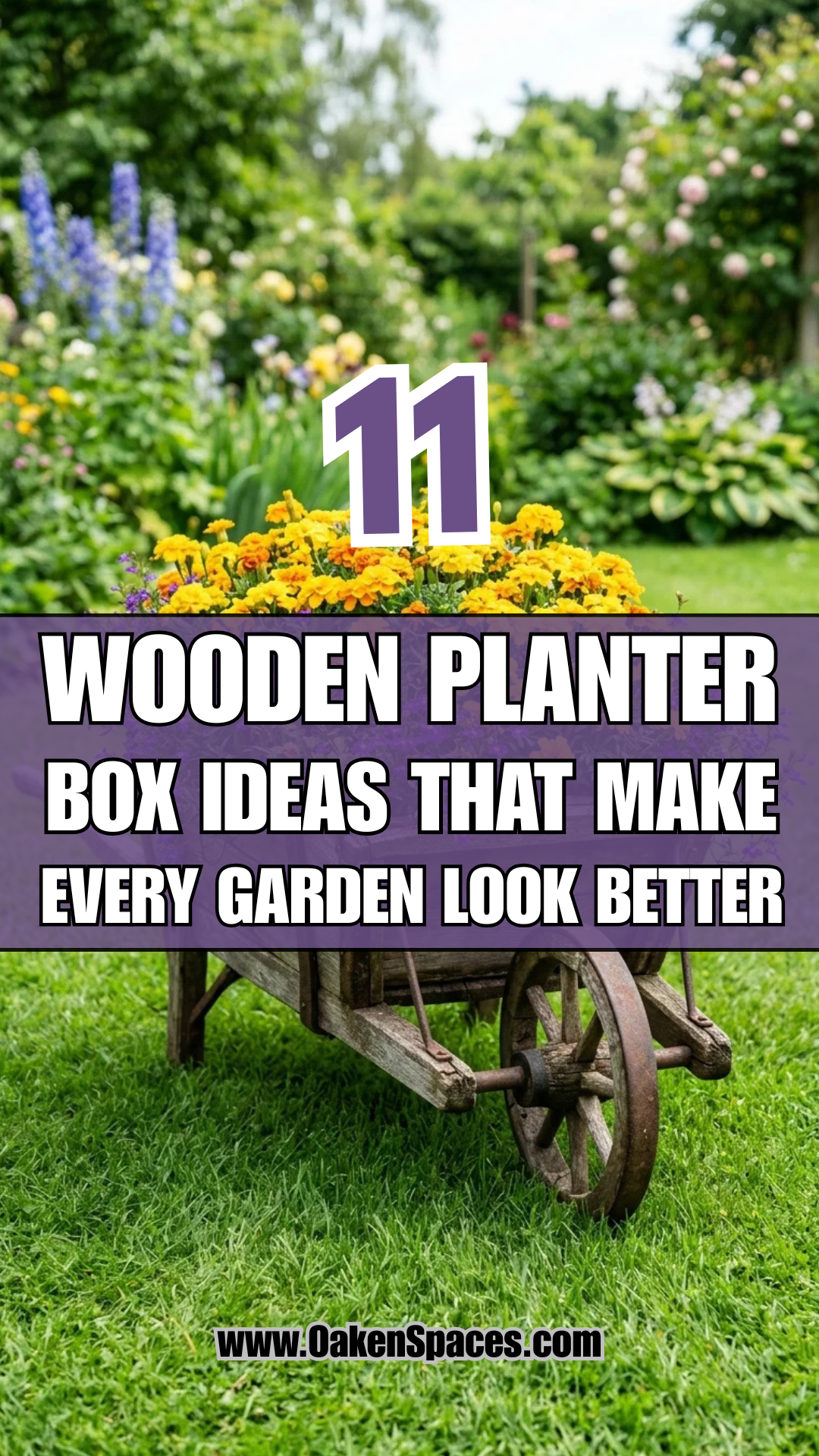
There is something inherently timeless about the combination of wood and greenery. While plastic and ceramic pots have their place, wooden planter boxes offer an organic warmth and structural versatility that other materials simply cannot match. Whether you are working with a sprawling estate or a compact urban balcony, the right wooden planter can define a space, add essential height, and provide a healthy environment for your favorite flora.
From the rustic charm of reclaimed timber to the sleek lines of modern cedar, these eleven ideas will help you transform your outdoor space into a curated horticultural sanctuary.
1. Cedar Trough
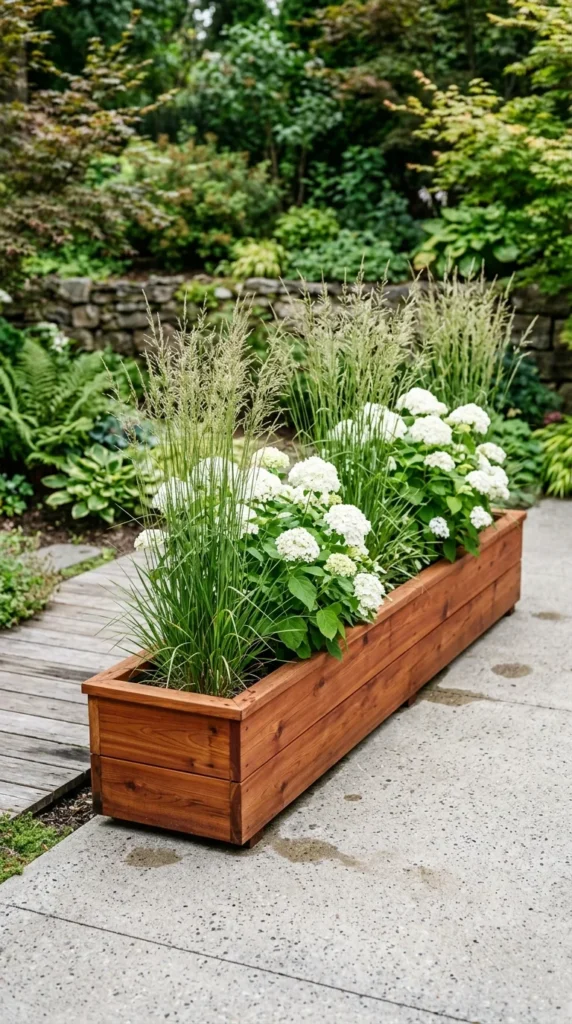
The cedar trough is the gold standard for durability and style. Because cedar contains natural oils that resist rot, decay, and insect infestation, it is the ideal candidate for outdoor containers that need to withstand the elements. These long, rectangular boxes are perfect for lining walkways or creating “walls” of greenery on a patio. Their linear profile provides a clean, architectural look that suits both modern and traditional home designs. To elevate the look, consider using thick-cut planks to give the trough a sense of weight and permanence.
2. Tiered Steps
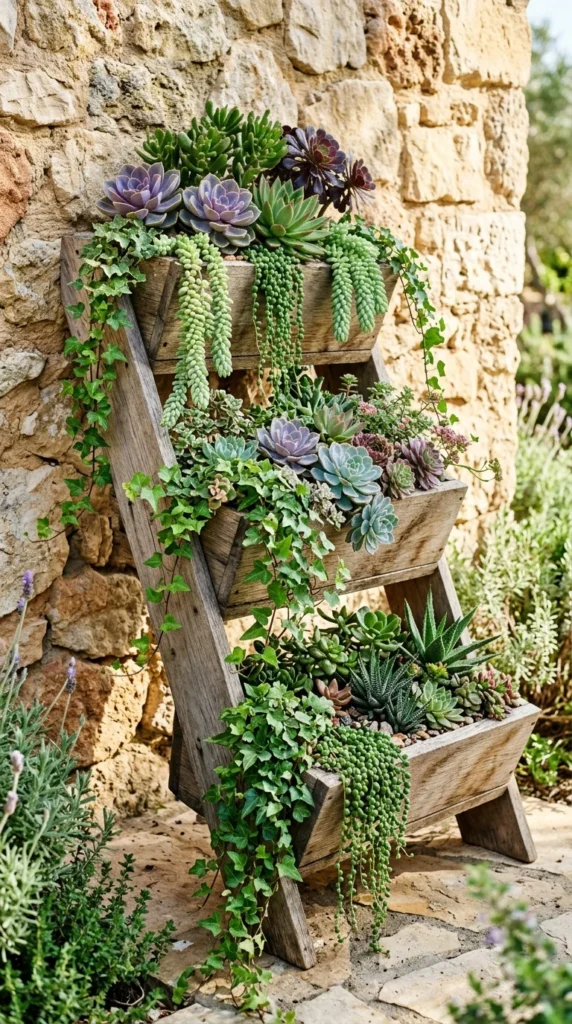
When floor space is at a premium, you have to think vertically. A tiered step planter mimics the look of a staircase, allowing you to display a diverse collection of plants in a small footprint. This design is particularly effective for herb gardens; you can plant moisture-loving herbs at the bottom and those that prefer drier soil at the top. The cascading effect of the foliage as it spills from one level to the next creates a visual waterfall of texture that adds depth and movement to any garden corner.
3. Vertical Wall
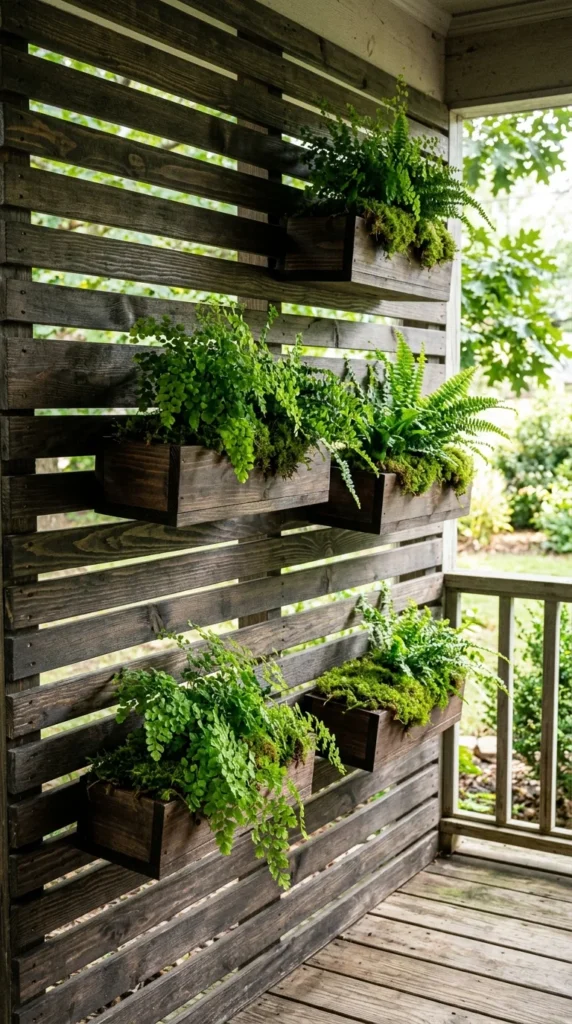
For those with limited ground space, the vertical wall planter is a game-changer. By attaching wooden boxes to a freestanding frame or an existing fence, you create a living tapestry. This approach is excellent for privacy screening or covering an unattractive brick wall. You can play with symmetry by lining the boxes up perfectly, or go for a more bohemian, staggered look. It is an artistic way to bring greenery up to eye level, making your garden feel more immersive and lush.
4. Raised Beds
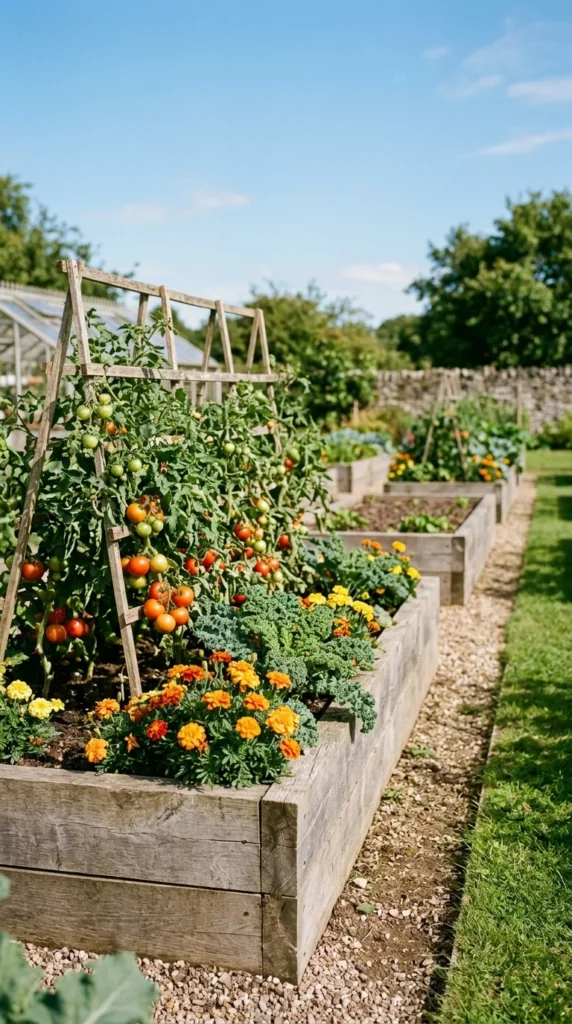
Raised beds are the workhorses of the gardening world, but they can also be incredibly beautiful. By elevating your garden, you save your back from excessive bending and provide your plants with superior drainage and soil quality. Using thick, rough-hewn timber for raised beds creates a “farm-to-table” aesthetic that feels both functional and grounded. For a more polished look, cap the top of the wooden walls with a flat board to create a seating ledge where you can sit while you tend to your crops.
5. Window Boxes
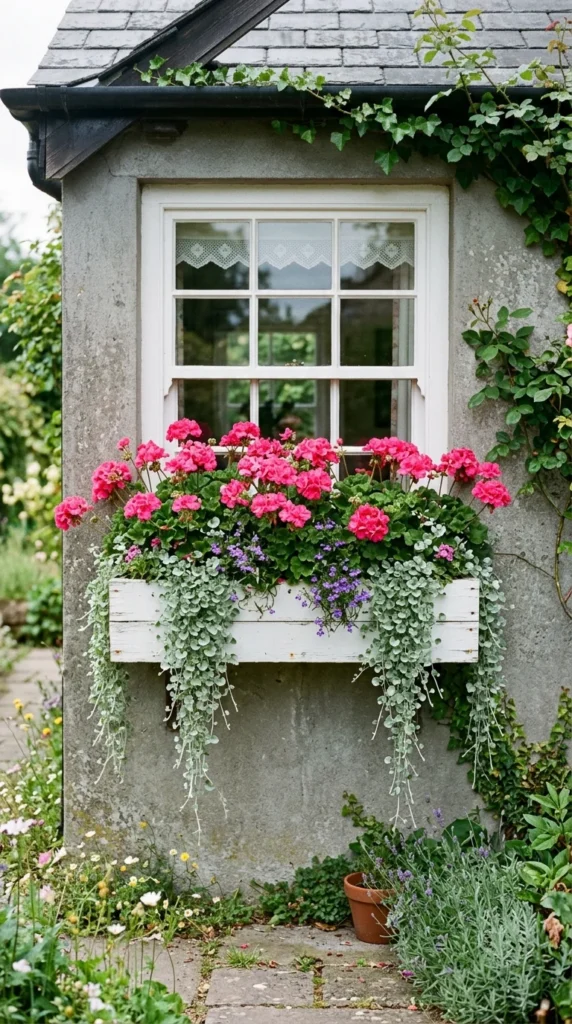
Nothing boosts curb appeal quite like a well-appointed window box. A wooden window box adds a layer of architectural detail to your home’s exterior while bringing the beauty of the garden inside. The key to a successful window box is the “thriller, filler, spiller” method: a tall central plant, bushy mid-range flowers, and something that hangs over the edge. Choosing a wood that matches your shutters or trim creates a cohesive, high-end look that makes your home feel loved and lived-in.
6. Corner Units
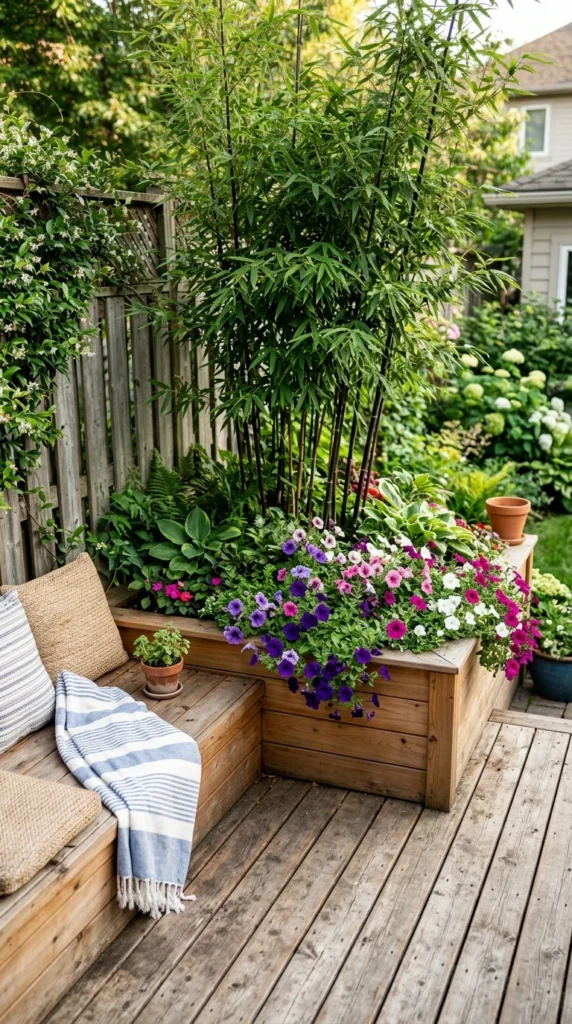
Corners are often the most underutilized spaces in a garden or on a deck. An L-shaped wooden planter box solves this problem by hugging the architecture of the space. These units are fantastic for framing a seating area or defining the edges of a patio. Because they offer more soil volume than single boxes, they can support larger plants or even small ornamental trees. Adding a built-in bench to the structure of the corner planter creates a cozy nook where the scent of the plants can be enjoyed up close.
7. Wheelbarrow Style
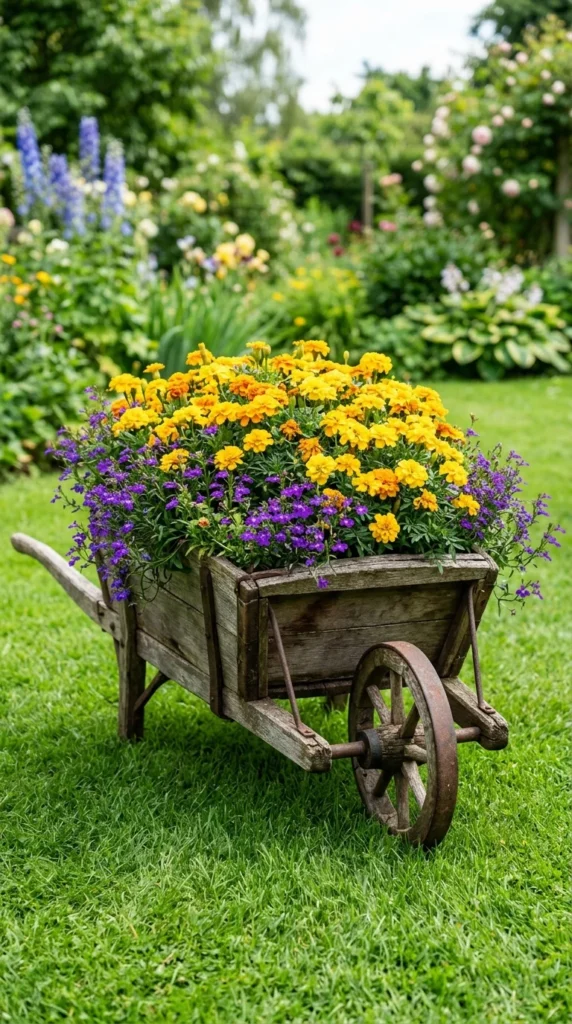
If you want to inject a bit of whimsy and vintage charm into your landscape, a wheelbarrow-style planter is the way to go. These decorative pieces serve as a focal point in the middle of a lawn or near a garden gate. While they are often stationary, their design evokes a sense of movement and history. Use them to house seasonal displays—bright pansies in the spring, sun-loving petunias in the summer, and decorative gourds or kale in the autumn. It’s a mobile-looking masterpiece that celebrates the heritage of gardening.
8. Lattice Trellis
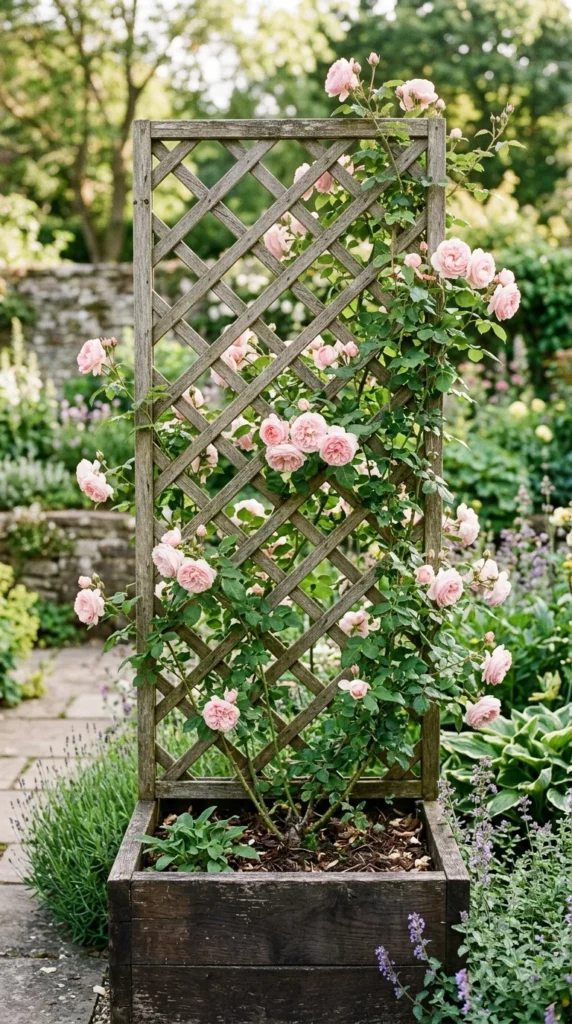
The lattice trellis planter is the ultimate solution for gardeners who love climbing plants. By integrating the support structure directly into the box, you provide a stable home for clematis, jasmine, or climbing roses. This setup is particularly effective for creating “living screens” on a balcony or patio to block out neighbors or unsightly views. The contrast between the rigid geometry of the wooden lattice and the soft, organic curves of the vines creates a sophisticated, balanced look.
9. Crate Clusters
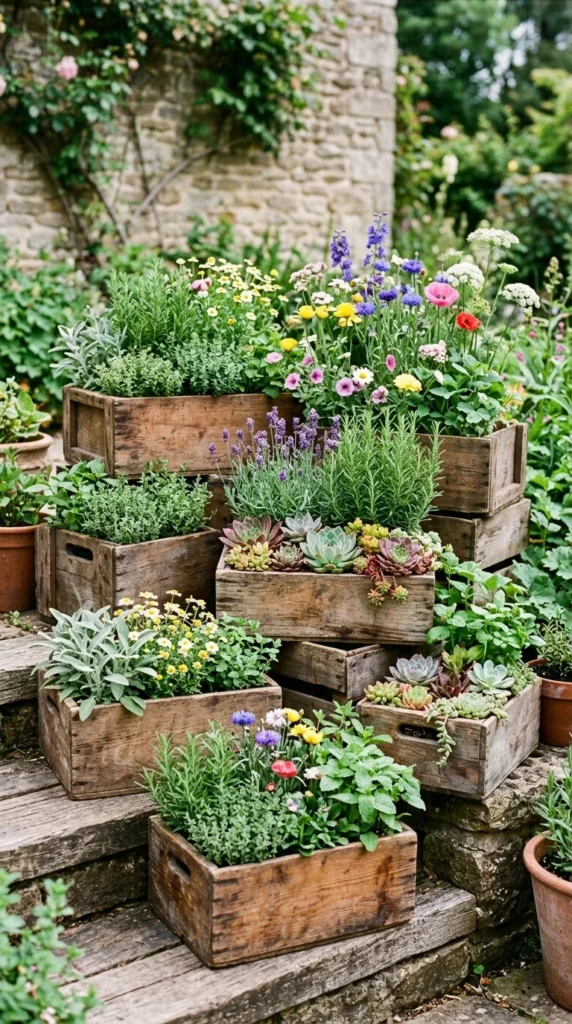
For a more relaxed, “shabby chic” or rustic vibe, using wooden crates is a fantastic option. You can repurpose old fruit crates or build new ones designed to look aged. The beauty of the crate cluster lies in its modularity; you can stack them, line them up, or scatter them to create a dynamic, multi-level display. This is a very cost-effective way to add a lot of planting space quickly. Using different stains or paint colors on the crates can add a pop of personality to a porch or mudroom entryway.
10. Hexagonal Shapes
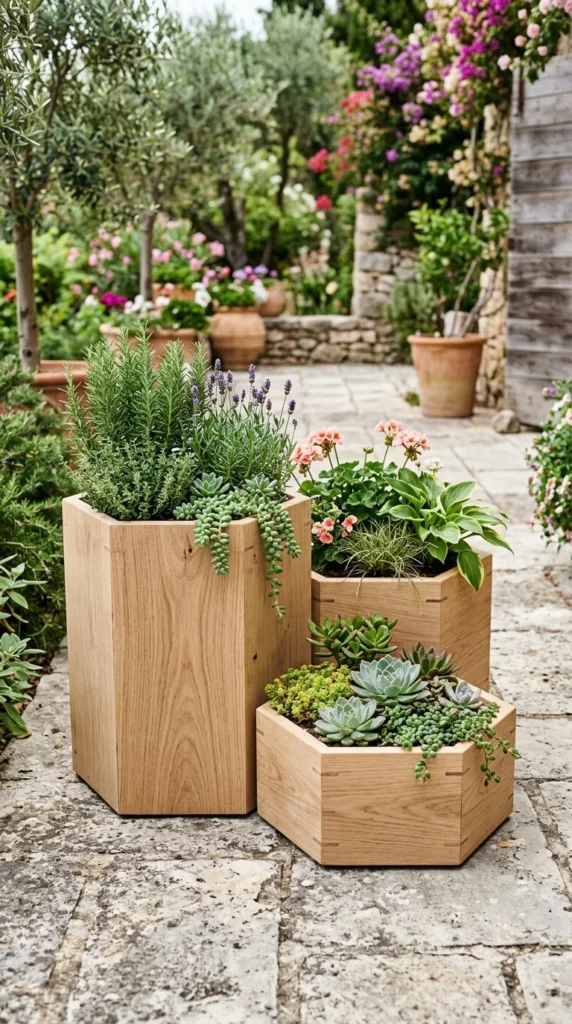
Break away from the traditional square and rectangle with hexagonal planter boxes. Geometric shapes add a modern, designer feel to the garden. When grouped together, hexagonal boxes fit into one another like a honeycomb, allowing you to create large, intricate configurations. The multiple angles catch the light differently throughout the day, highlighting the grain of the wood and the texture of the plants within. It is a subtle way to show off your craftsmanship and attention to design.
11. Floating Slabs
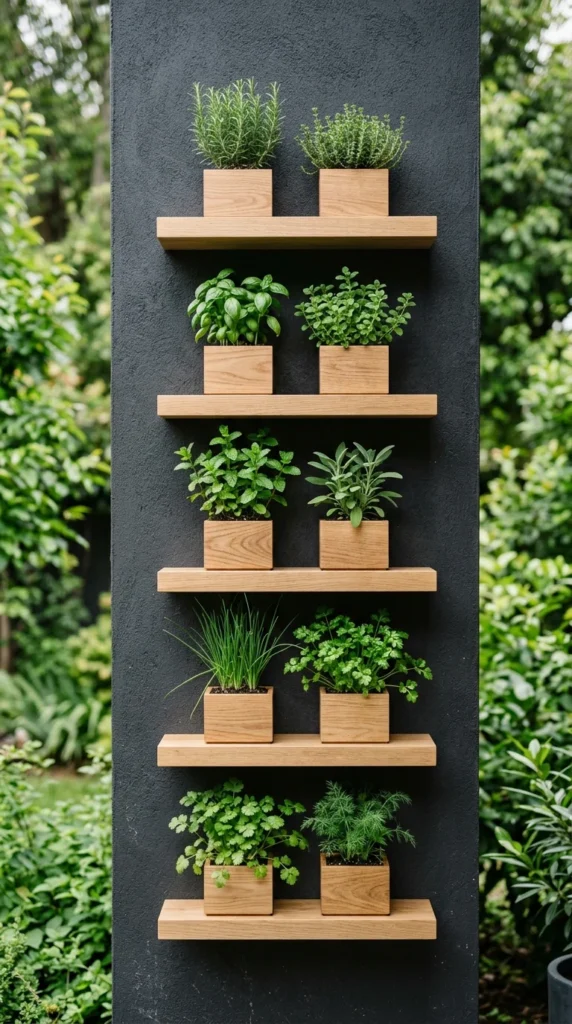
Floating wooden planters offer a minimalist, high-concept look that is perfect for contemporary homes. By mounting shallow wooden boxes or “slabs” directly to a wall with hidden brackets, you create the illusion that your plants are hovering in mid-air. This is an excellent choice for a culinary herb garden right outside a kitchen door. It keeps the plants off the ground, away from pests, and at the perfect height for harvesting. The clean lines and shadows cast by the floating boxes turn your garden into a piece of three-dimensional wall art.
Choosing and Maintaining Your Wood
To ensure your wooden planter boxes last for years, keep these tips in mind:
- Select the Right Wood: Cedar, redwood, and teak are the most rot-resistant options. If you use pine, ensure it is pressure-treated or sealed thoroughly with a non-toxic, eco-friendly water repellent.
- Prioritize Drainage: Always drill drainage holes in the bottom of your boxes. To prevent the wood from rotting from the inside out, consider lining the interior with heavy-duty landscape plastic (with holes cut for drainage) or a layer of pond liner.
- Seasonal Care: Re-apply a UV-resistant sealer every year or two to maintain the wood’s color. If you prefer the weathered look, you can let the wood “silver” naturally, but a clear sealer will still help protect the structural integrity of the box.
By choosing the right style for your home’s architecture and your personal gardening needs, a wooden planter box becomes more than just a container—it becomes a foundational element of your outdoor lifestyle.