
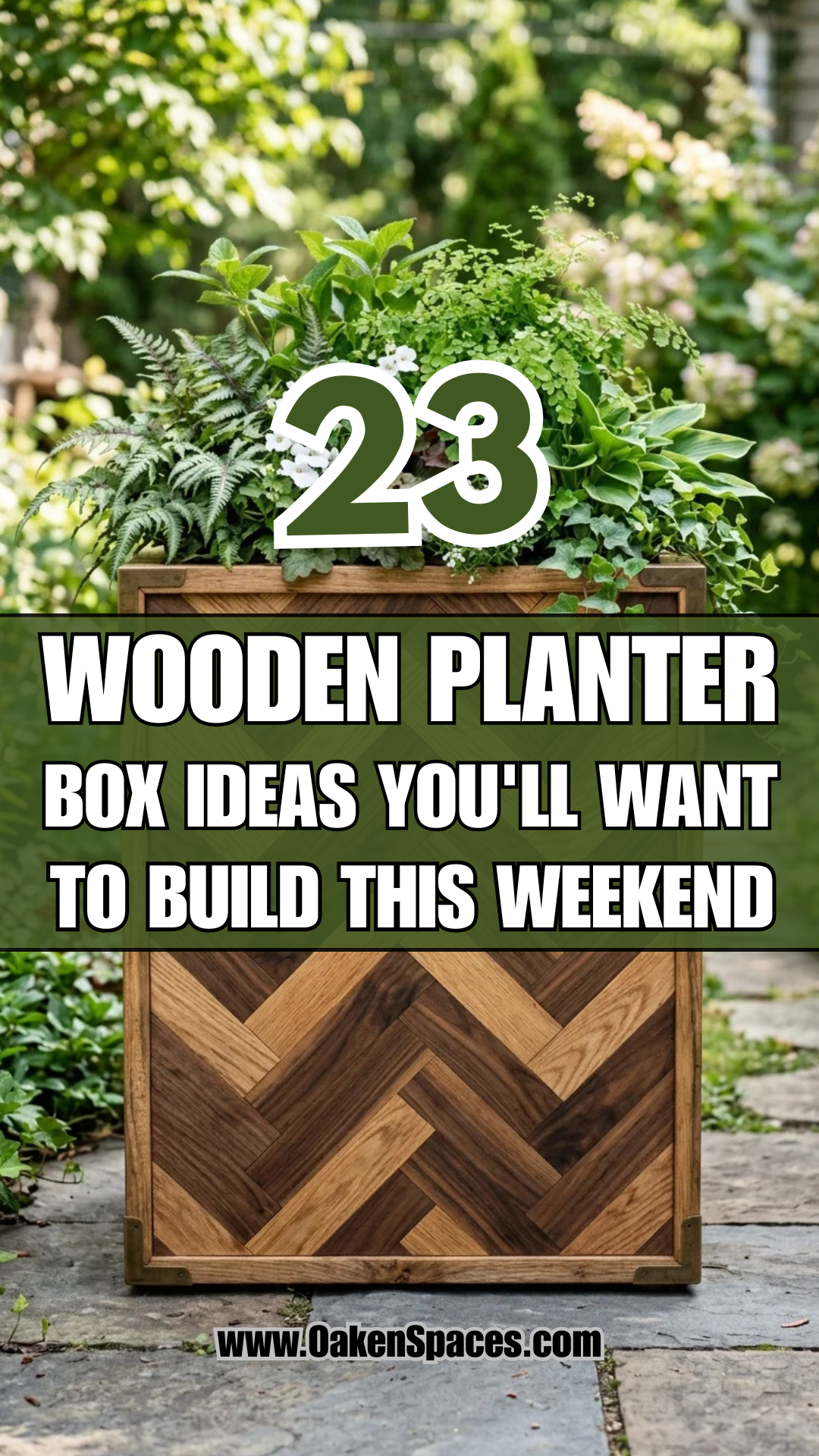
Transforming your outdoor space doesn’t require a professional landscaper or a massive budget. Often, all you need are a few planks of cedar, a box of screws, and a free Saturday. Wooden planter boxes are the ultimate DIY project: they are functional, forgiving for beginners, and instantly elevate the aesthetic of a porch, balcony, or garden.
Whether you are looking to grow your own organic herbs or want to create a focal point with ornamental grasses, there is a design here for you. From modern minimalist slats to rustic reclaimed masterpieces, here are 23 wooden planter box ideas to inspire your next weekend project.
1. Cedar Trough
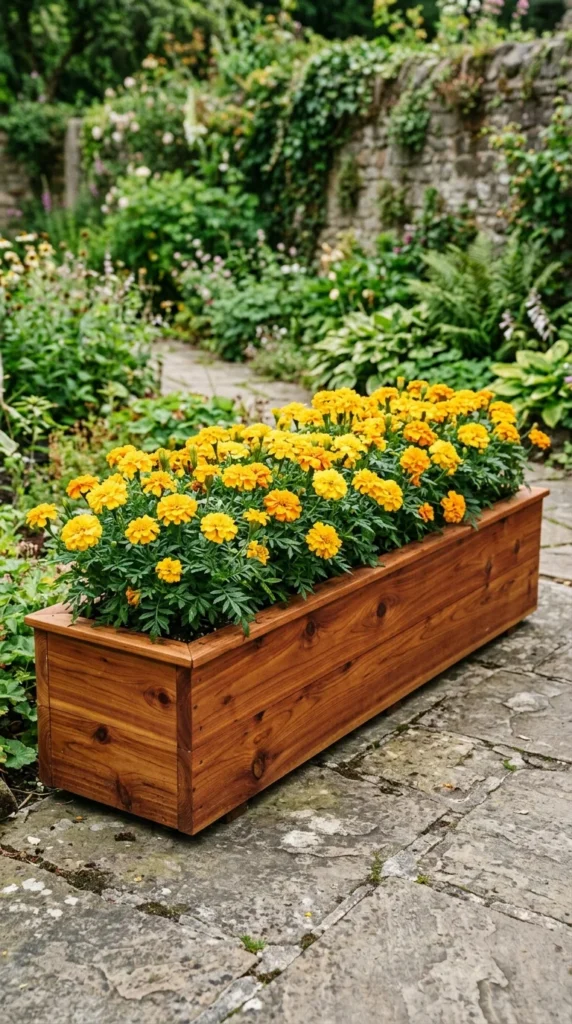
The cedar trough is a classic for a reason. Cedar is naturally resistant to rot and insects, making it the gold standard for outdoor planters. A long, low trough is perfect for lining a walkway or defining the edge of a deck. Because of its length, it provides ample root space for a variety of annuals. When building this, ensure you include several drainage holes and consider adding a center divider to prevent the long side walls from bowing over time.
2. Tiered Vertical
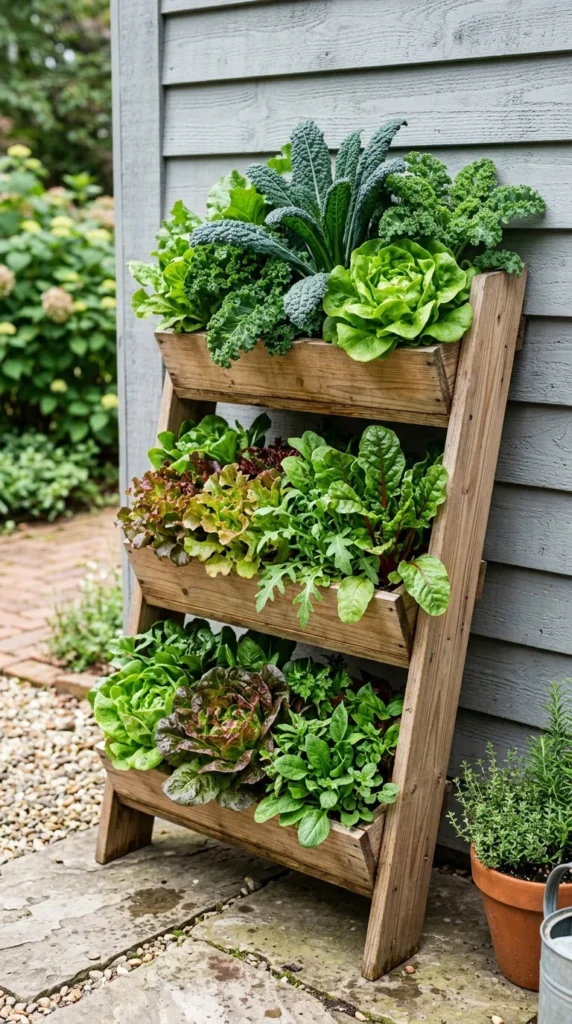
If you are short on square footage, go vertical. A tiered planter acts like a bookshelf for your plants. This design is particularly effective for “cut and come again” crops like lettuce, spinach, and arugula. By stacking the boxes at an angle, you ensure that the plants on the lower levels still receive adequate sunlight. It’s a sculptural piece that turns a blank wall into a living tapestry.
3. Raised Bed
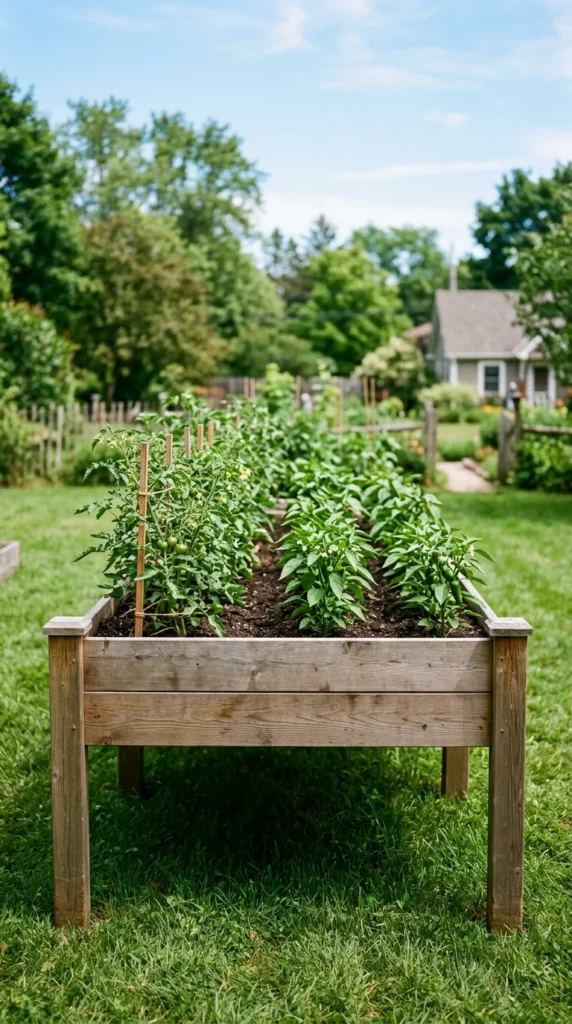
Raised beds are the backbone of the home vegetable garden. By elevating the soil, you save your back from constant bending and gain total control over the soil quality. These are best built with 2×6 or 2×10 lumber for durability. Adding a wide cap rail around the top edge provides a convenient place to sit while you weed or harvest your homegrown produce.
4. Succulent Frame
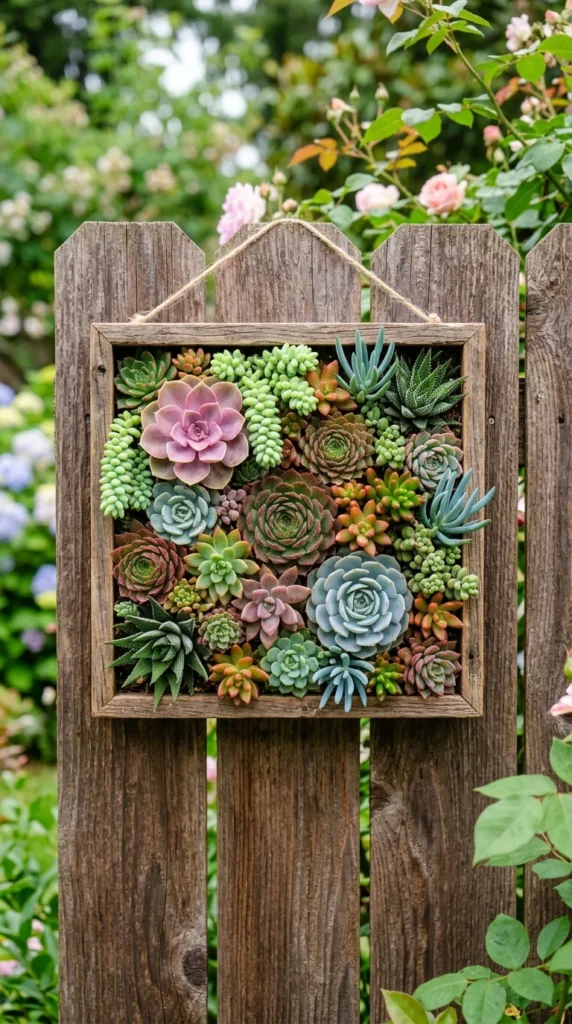
Think of this as living art. A succulent frame is a shallow box fitted with a layer of chicken wire to hold the plants and soil in place. Because succulents have shallow root systems and require little water, they thrive in this vertical arrangement. Use reclaimed wood or driftwood for the frame to give it an organic, weathered look that complements the desert aesthetic of the plants.
5. Lattice Trellis
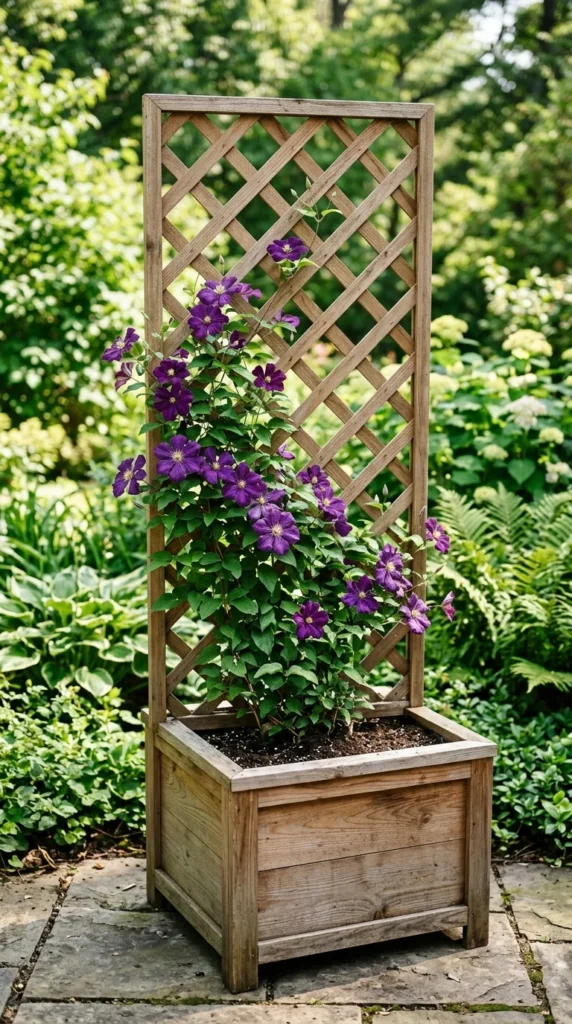
This two-in-one project combines a sturdy base for roots with a climbing structure for vines. It’s an ideal solution for creating “living privacy” on a patio. Whether you plant fragrant jasmine, climbing roses, or even pole beans, the lattice provides the necessary support while the heavy base ensures the structure won’t tip over in high winds.
6. Window Box
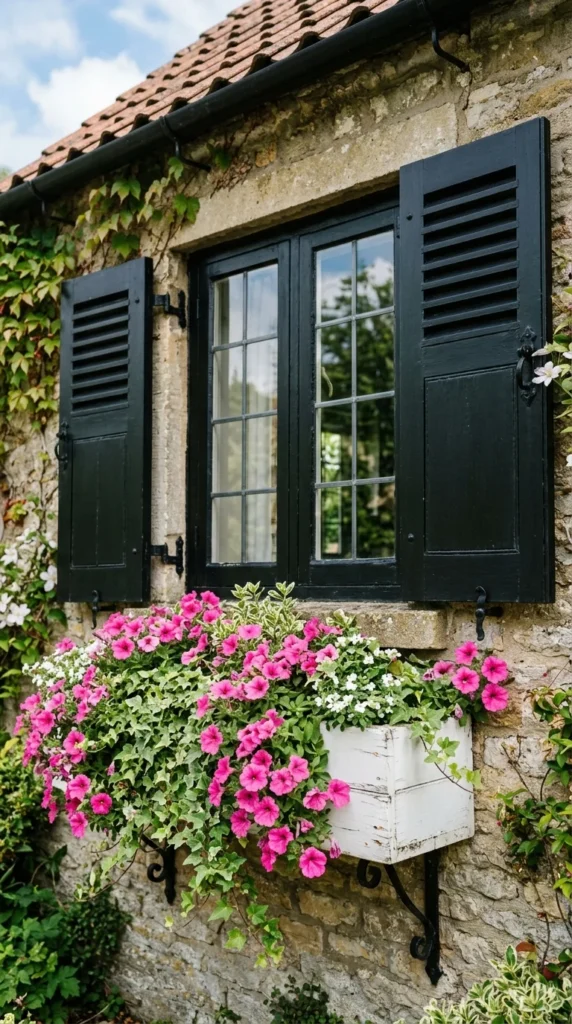
Nothing boosts curb appeal faster than a well-crafted window box. These are relatively simple builds, but the key is the mounting system. Use heavy-duty brackets to support the weight of wet soil. To prolong the life of the wood, use a plastic liner inside the box to prevent constant moisture contact with the timber.
7. Hexagonal Planter
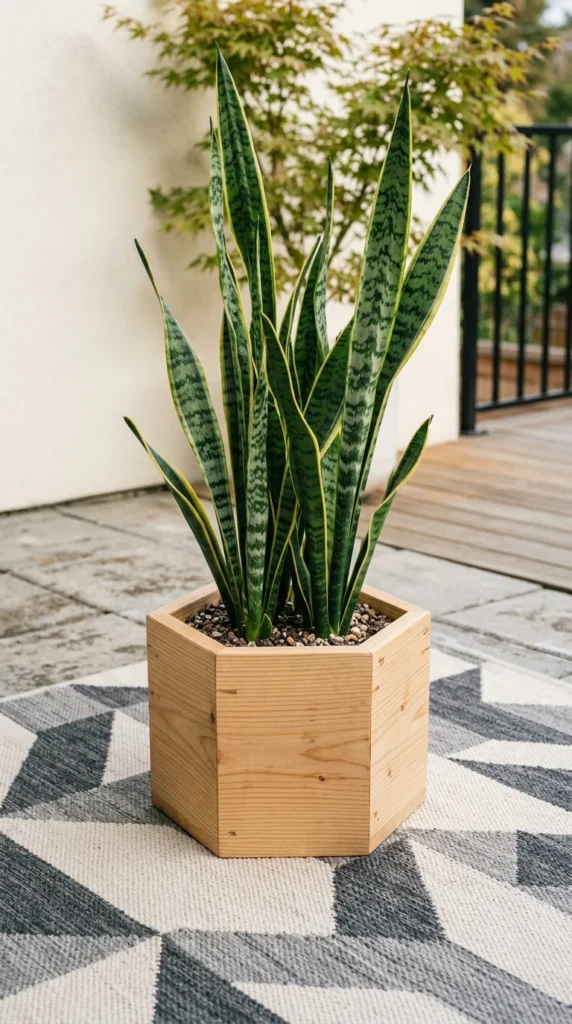
Move away from right angles with a hexagonal design. This shape adds a sophisticated, modern touch to your decor. While the miter cuts (30 degrees) require a bit more precision, the resulting geometric shape is far more eye-catching than a standard square. It’s the perfect housing for a focal-point plant like a small agave or a manicured boxwood shrub.
8. Modern Slat
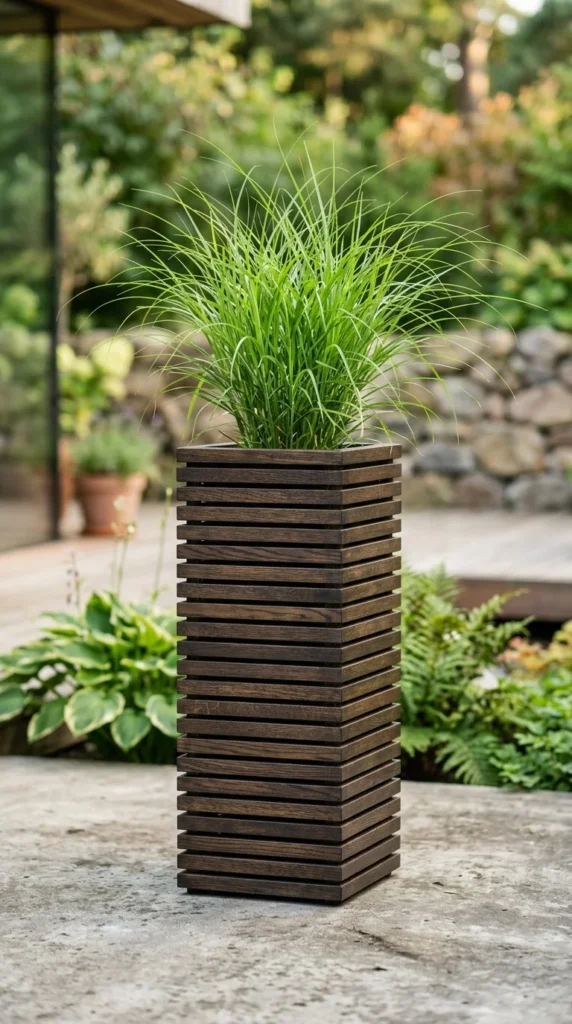
The modern slat planter relies on rhythm and shadow lines. By leaving small gaps between horizontal slats, you create a textured surface that looks expensive and architectural. To hide the interior structure, paint the inner frame and liner black; this makes the gaps look like deep shadows and puts the focus entirely on the beautiful wood grain.
9. Corner Bench
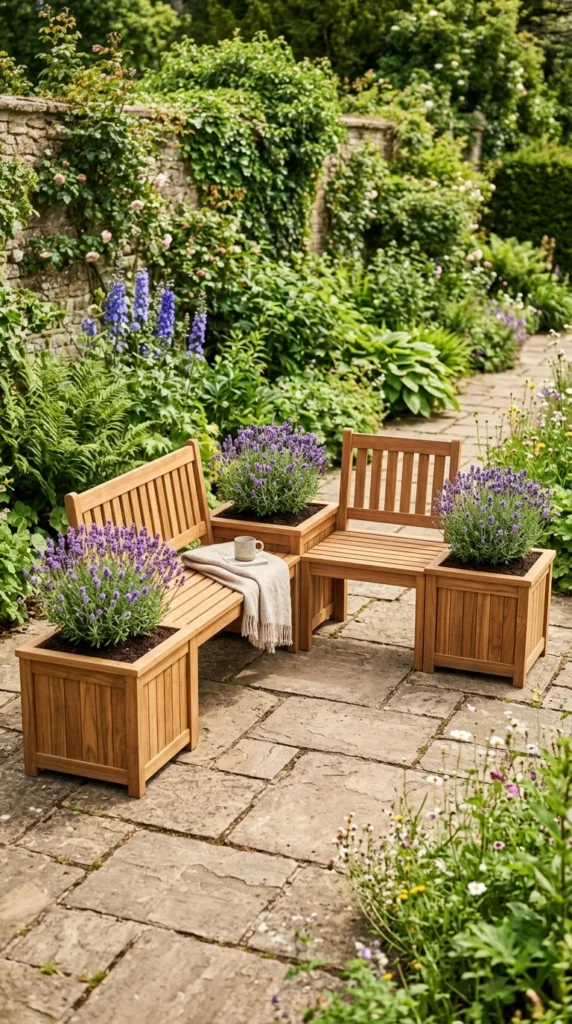
This project turns gardening into a social experience. By integrating planters into a seating arrangement, you create a cozy nook surrounded by greenery. The weight of the soil in the corner boxes provides excellent stability for the bench seating. It’s a fantastic way to maximize functionality in a small corner of a deck or patio.
10. Rolling Cart
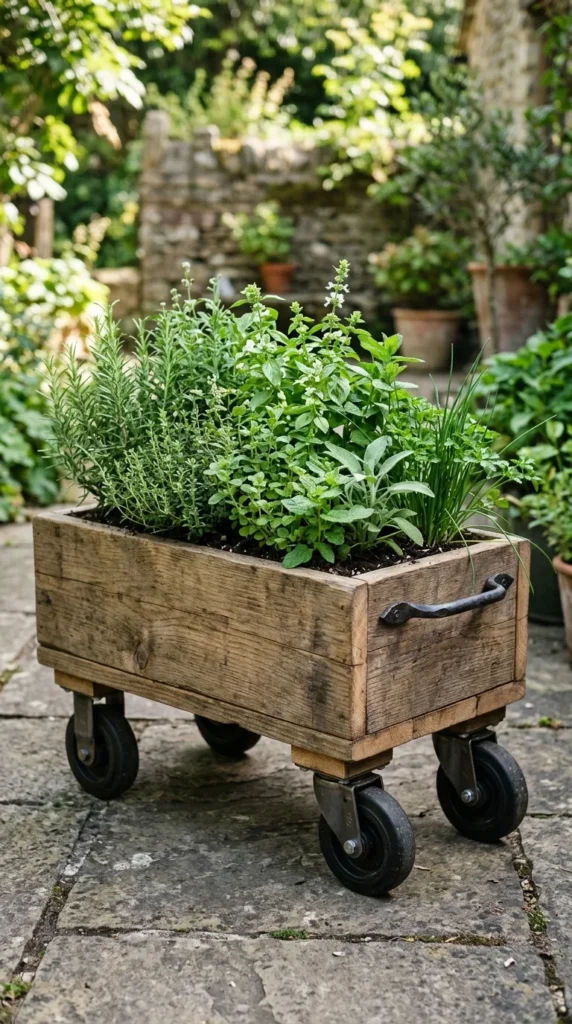
Flexibility is the main advantage of the rolling planter. As the seasons change and the sun shifts, you can easily move your plants to the brightest spot. It’s also incredibly practical for cleaning your deck—simply roll the plants out of the way. Use galvanized hardware and locking casters to ensure it stays put once you’ve found the perfect sun-soaked corner.
11. Reclaimed Pallet
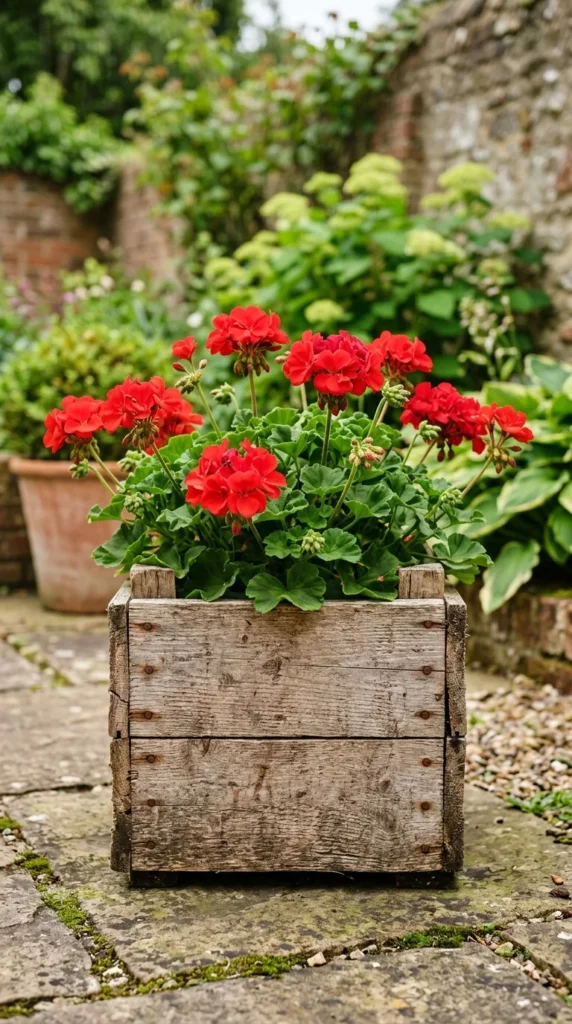
For the eco-conscious builder, the pallet planter is a staple. It costs next to nothing and gives a second life to industrial waste. The rough-hewn texture of pallet wood looks beautiful when paired with delicate flowers. Just be sure to check the stamps on the wood; look for “HT” (Heat Treated) rather than “MB” (Methyl Bromide) to ensure the wood is safe for gardening.
12. Chevron Pattern
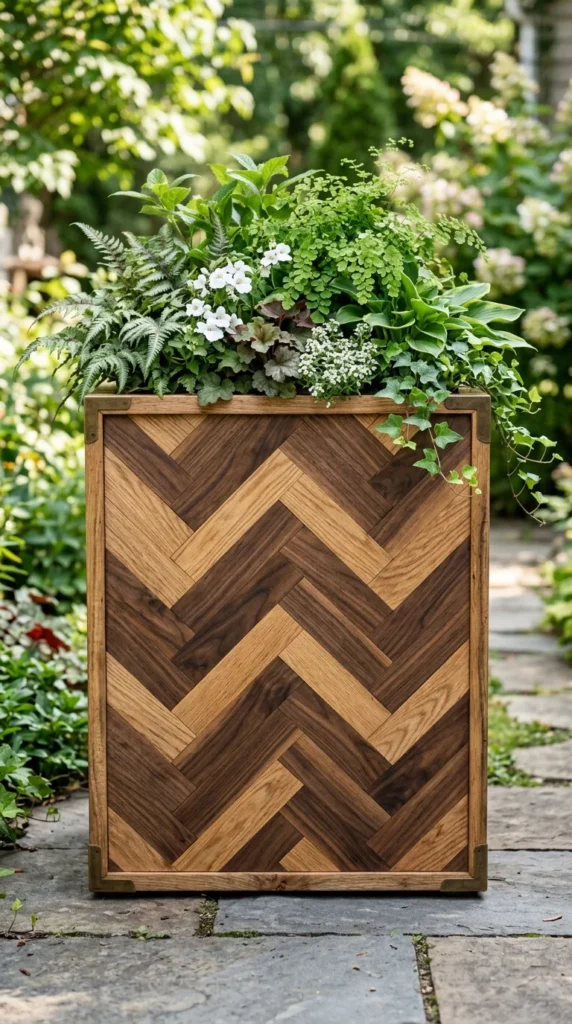
Elevate a basic box by applying a decorative “skin.” A chevron or herringbone pattern made from thin cedar strips creates a high-end look. This is a great way to use up scrap wood from other projects. By alternating the direction of the grain or using different stains, you can create a piece of outdoor furniture that looks like it came from a designer boutique.
13. X-Brace Square
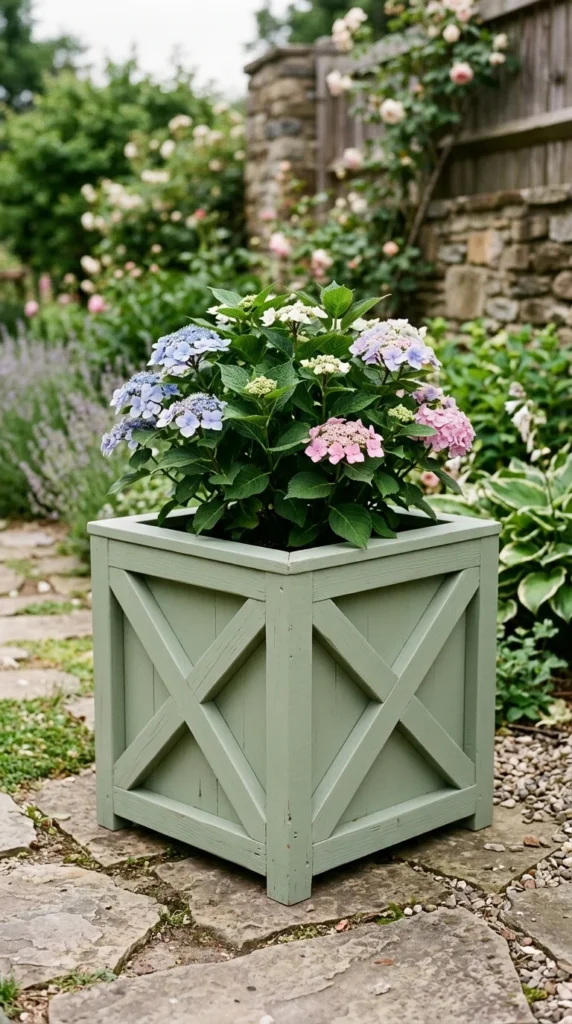
The X-brace design is a hallmark of farmhouse style. It’s not just decorative; the cross-bracing adds significant structural integrity to the box. This style looks particularly striking when painted in muted, earthy tones like cream, navy, or sage. It provides a timeless, cottage-core feel to any garden entry.
14. Tall Column
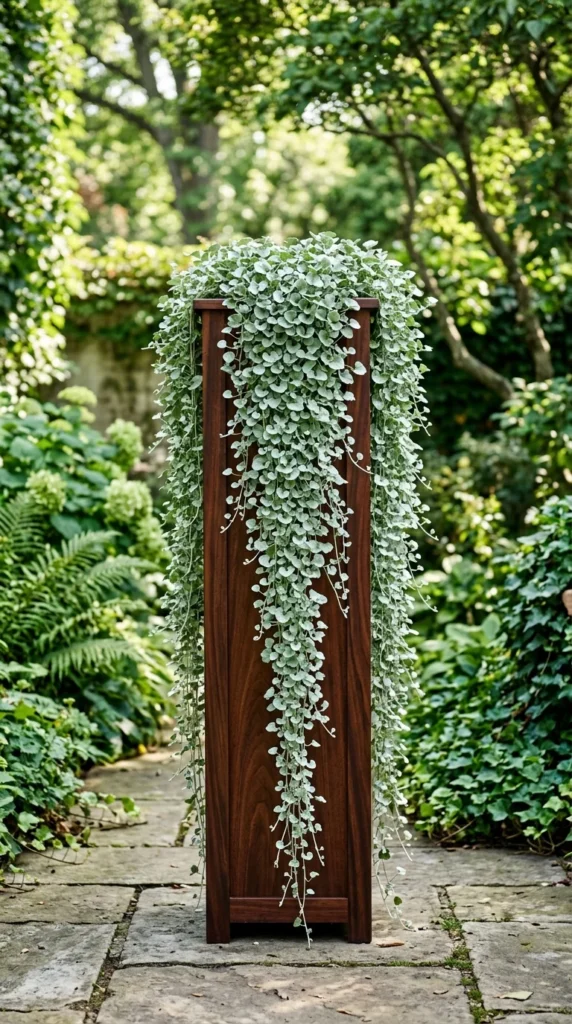
Tall column planters are used to create vertical interest and can act as “exclamation points” in your landscaping. They are perfect for flanking a front door. Because they are top-heavy, it is wise to fill the bottom half with lightweight filler (like empty plastic jugs) before adding soil to the top half. This makes them easier to move and saves on potting mix.
15. Hanging Crate
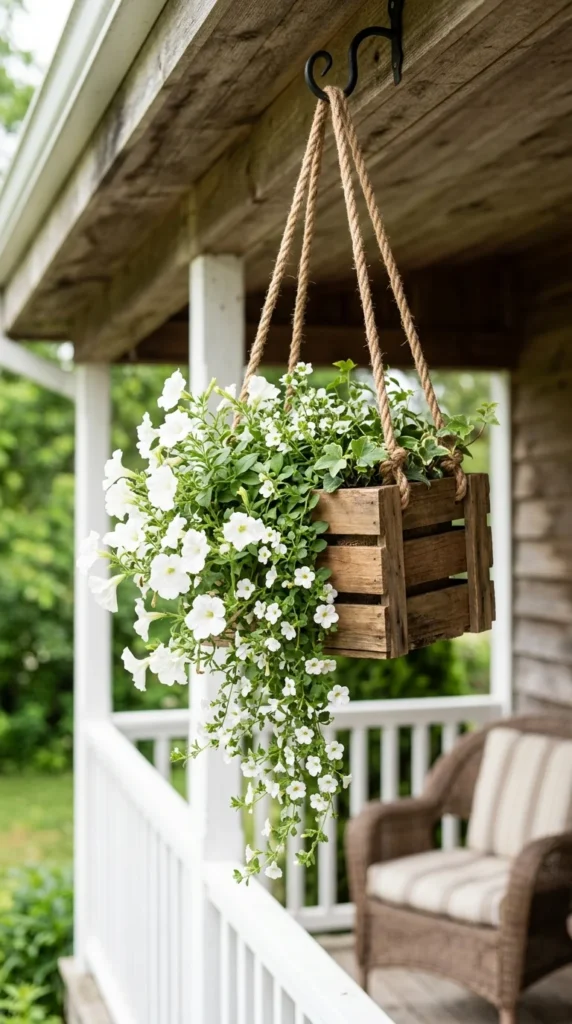
Hanging planters don’t have to be plastic pots. A simple wooden crate suspended by heavy rope adds a rustic, nautical, or bohemian vibe. These are excellent for porch ceilings where you want to enjoy the fragrance of flowers at eye level. Ensure the hanging hardware is anchored into a solid beam, as a watered wooden planter can be quite heavy.
16. Herb Spiral
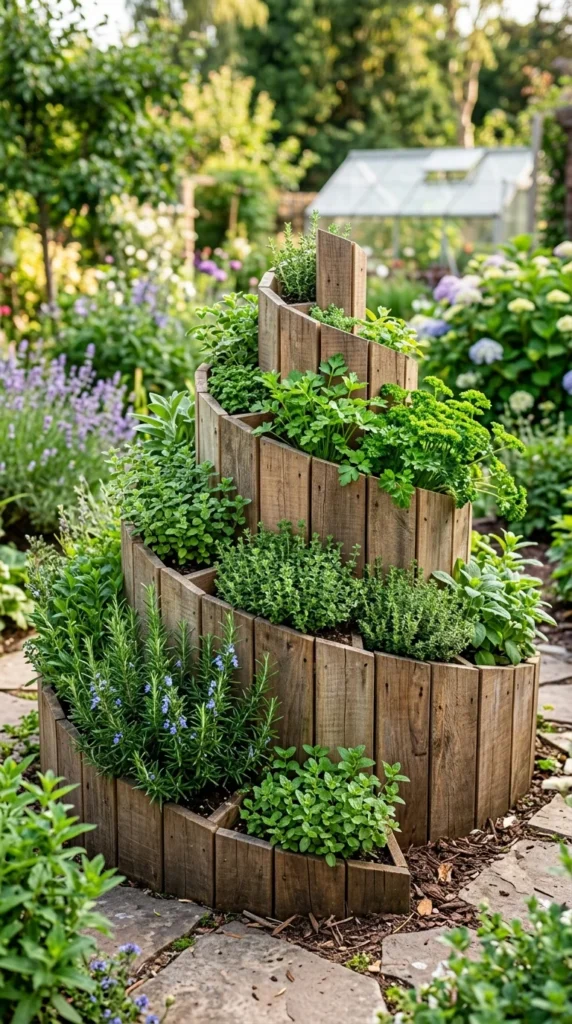
While often made of stone, a wooden herb spiral is a masterclass in space efficiency. The spiral shape creates different microclimates: the top is dry and sunny (perfect for rosemary), while the bottom is cooler and more moist (perfect for parsley and mint). It’s a functional sculpture that provides a massive harvest from a very small footprint.
17. Mid-Century Modern
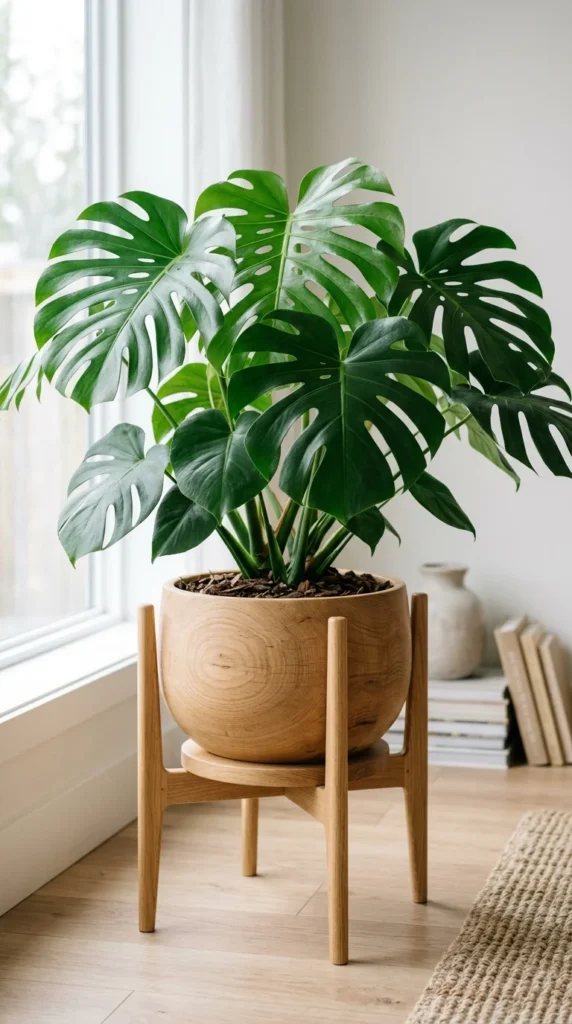
Bring the indoors out with a mid-century modern design. The key features here are clean lines and tapered “compass” legs. This style of planter looks best with architectural plants that have bold leaf shapes. It’s less of a garden “box” and more of a furniture piece, making it ideal for a covered patio or a sunroom.
18. Self-Watering Box
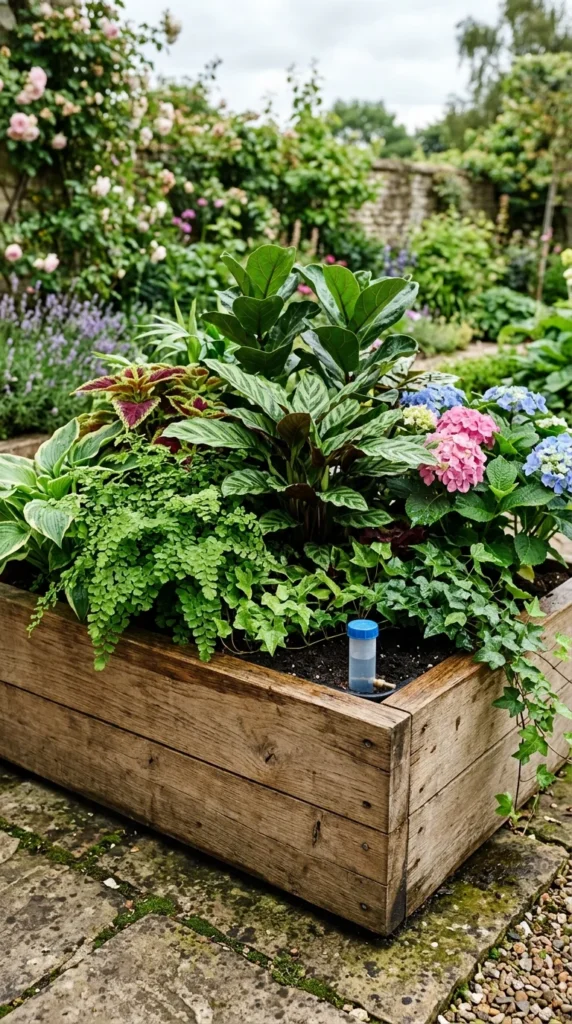
For those who travel or tend to forget to water, the self-watering planter is a lifesaver. This build involves creating a hidden reservoir at the bottom of the box and using a wicking system to pull moisture up into the soil. While the interior involves some plastic or pond liner, the exterior remains beautiful wood, blending tech-functionality with natural aesthetics.
19. Privacy Screen
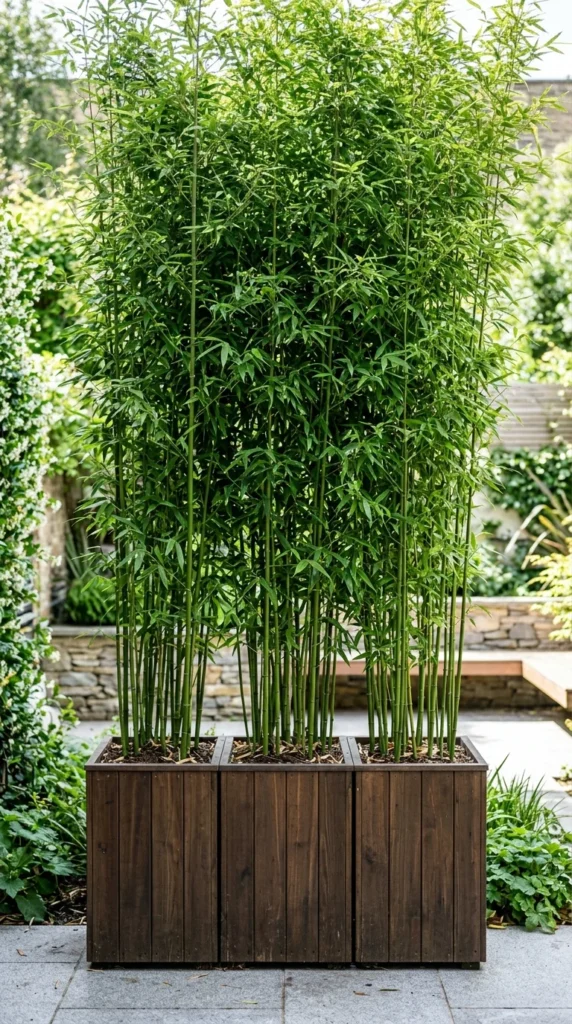
If you have neighbors nearby, a privacy screen planter is your best friend. These are typically long, narrow, and deep to accommodate tall-growing plants like bamboo, arborvitae, or tall ornamental grasses. The height of the planter itself gives the plants a head start, providing an immediate sense of seclusion for your outdoor lounge area.
20. Barrel Imitation
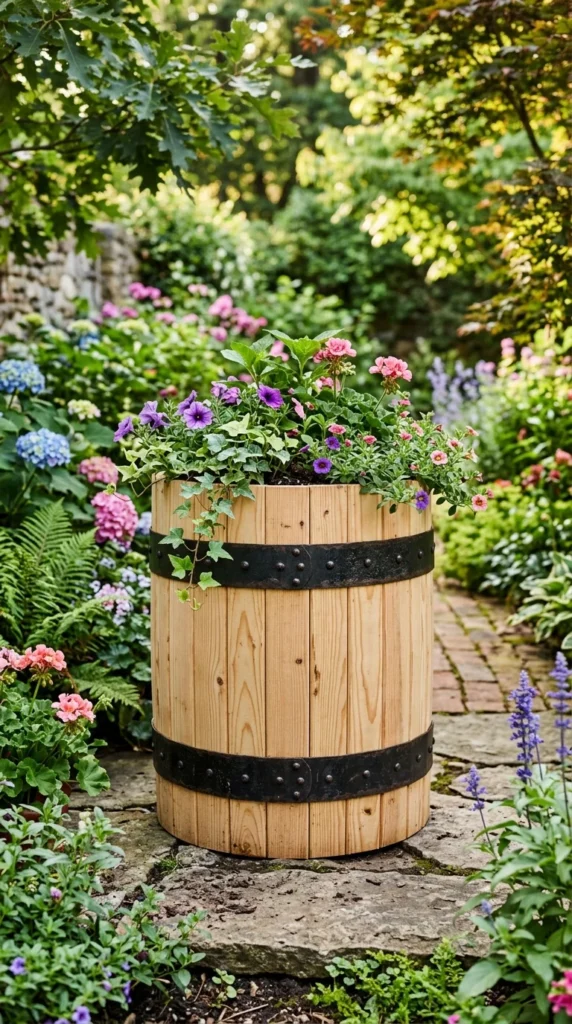
You don’t need to find an old wine barrel to get this look. You can recreate the aesthetic using vertical slats and metal strapping. This “stave” construction is a fun challenge for intermediate woodworkers and provides a soft, rounded shape that breaks up the harsh lines of a deck. It’s a perfect home for a dwarf citrus tree or a blueberry bush.
21. Staircase Tier
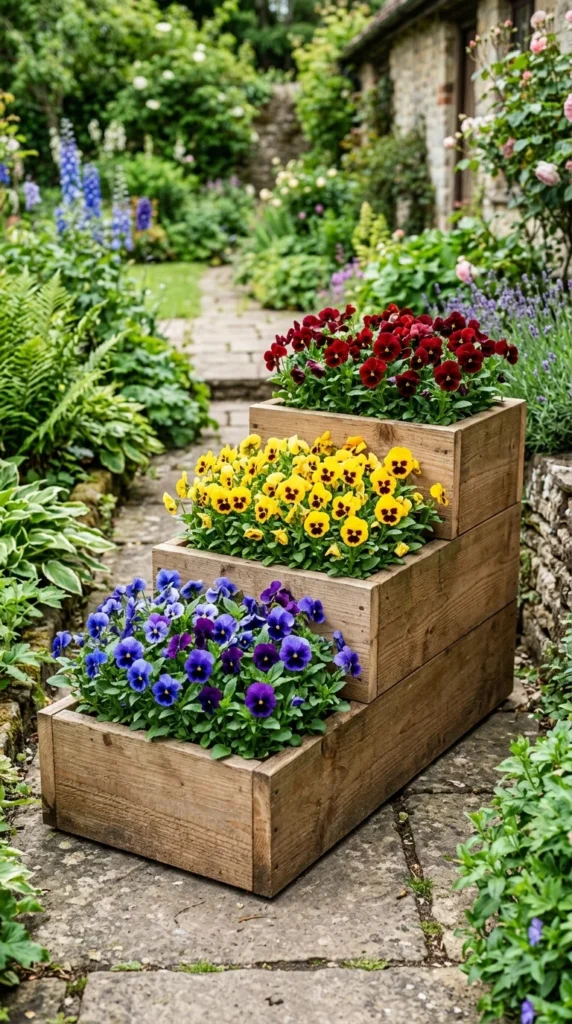
The staircase tier is a great way to utilize the space next to a set of actual stairs. It creates a flowing transition from the ground to an elevated deck. By building them as one unit, you save on materials (sharing back and front walls) and create a very stable structure. It’s an excellent way to display a collection of related plants, like various types of peppers or a color-coordinated flower display.
22. Geometric Polygon
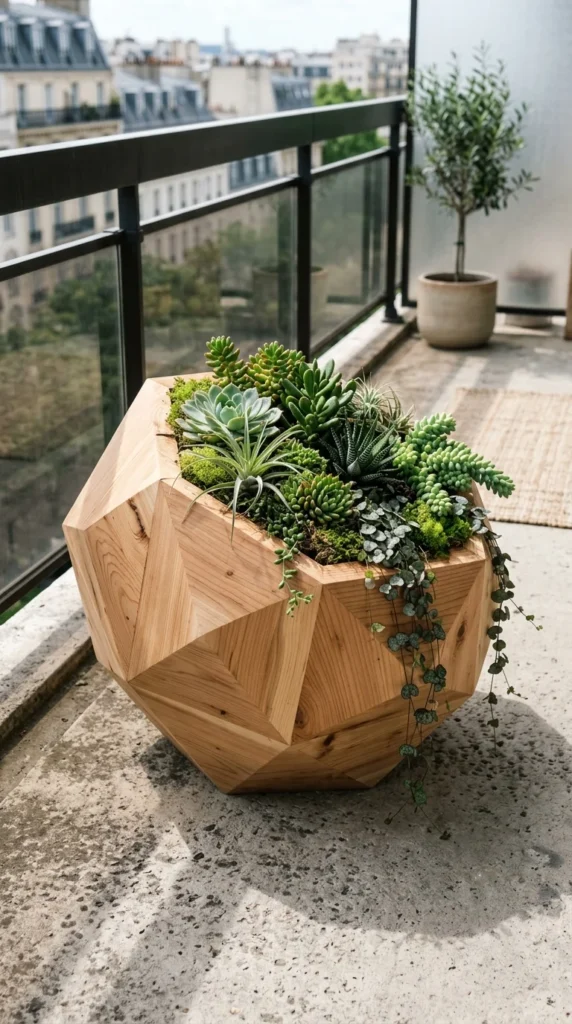
For the advanced DIYer, a polygon planter is a true conversation piece. Using compound miter cuts, you can create a box that looks like a faceted diamond or a piece of abstract sculpture. This style works best in minimalist settings where the complex geometry of the wood can be the star of the show.
23. Log Planter
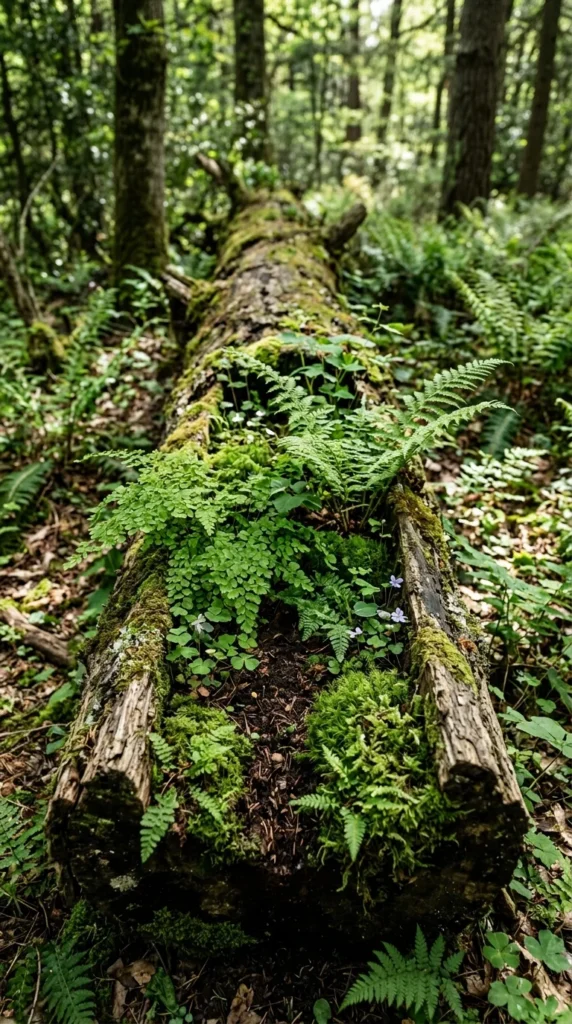
Sometimes, nature provides the best design. If you have access to a thick fallen limb or log, you can hollow out the center with a chainsaw or adze to create a truly organic planter. It’s the ultimate rustic look. Over time, the log will slowly decompose, providing nutrients to the plants inside—a perfect example of a circular garden ecosystem.