
The backyard is no longer just a patch of grass; it is an extension of the home, a sanctuary for relaxation, and a stage for unforgettable gatherings. Among the many ways to elevate an outdoor space, the wooden pergola stands out as a timeless architectural masterpiece. It offers the perfect balance of form and function—providing a sense of enclosure without blocking the breeze, and offering a structural canvas for light, plants, and decor.
Whether you are looking to create a cozy nook for your morning coffee or a grand pavilion for summer dinner parties, wood remains the premier choice for its natural warmth, versatility, and durability. From the rugged charm of rustic logs to the sharp lines of contemporary design, here are 13 wooden pergola ideas to transform your backyard into a dream retreat.
1. Classic Cedar
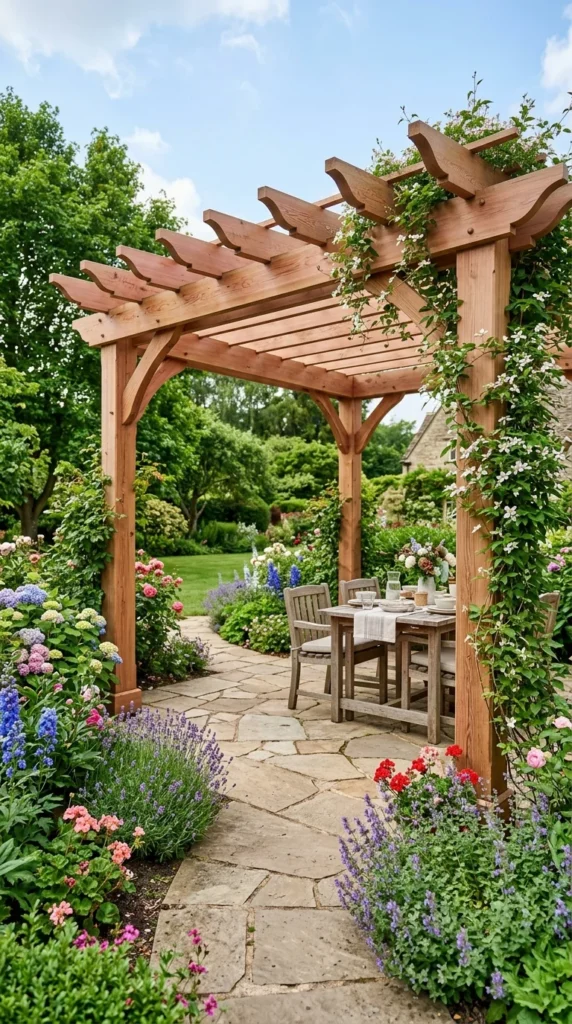
Cedar is the gold standard for outdoor structures, and for good reason. Its natural oils make it resistant to decay, insects, and moisture, ensuring your retreat lasts for decades. A classic cedar pergola typically features beautifully notched rafter tails and heavy-duty 6×6 posts. The beauty of cedar lies in its aging process; you can seal it to maintain its vibrant honey-red tone, or allow it to weather into a sophisticated silvery-gray patina that blends seamlessly with nature.
2. Retractable Canopy
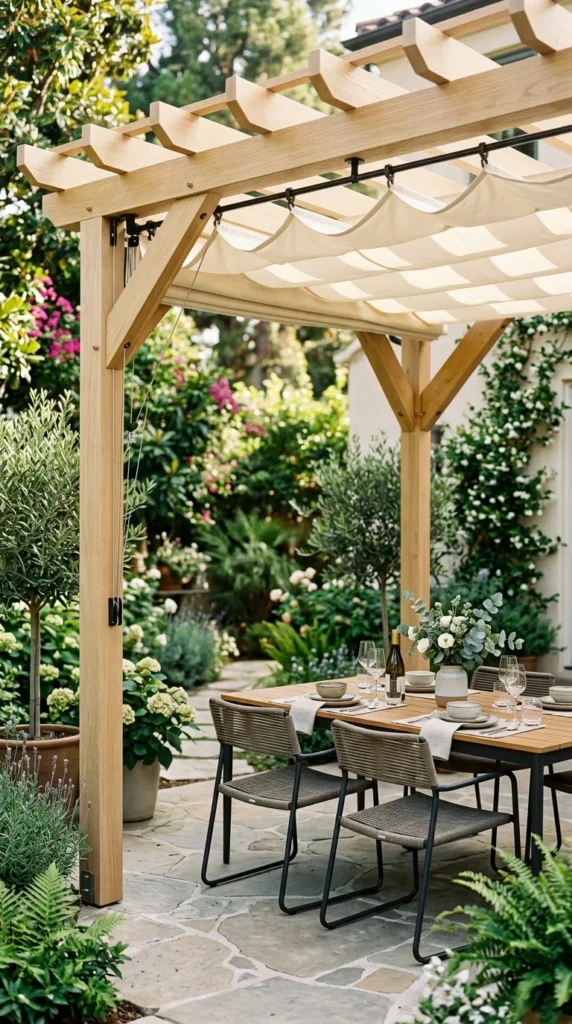
While the open rafters of a pergola are iconic, sometimes you need more protection from the midday sun or a light drizzle. Integrating a retractable fabric canopy allows for ultimate versatility. These systems are often installed on tracks between the beams, letting you slide the “roof” open to stargaze at night or close it for a shaded lunch. It combines the structural beauty of wood with the soft, functional utility of high-performance outdoor textiles.
3. Rustic Log
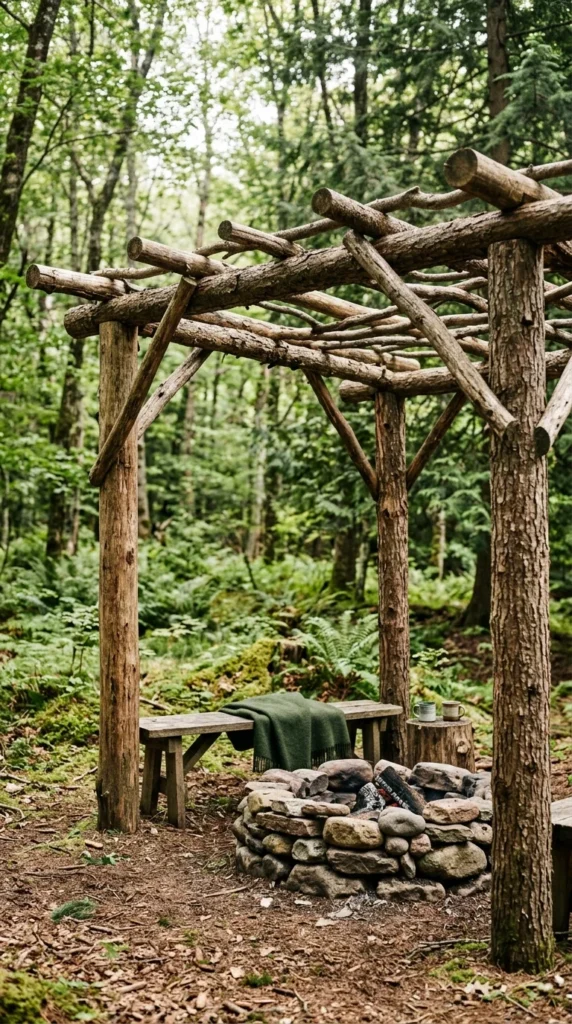
For homes with a cottage, cabin, or farmhouse aesthetic, the rustic log pergola is an unmatched choice. Rather than using milled, squared-off lumber, this design utilizes round logs, sometimes even leaving the bark intact for a raw, organic look. This style feels less like a construction project and more like a natural extension of the forest, making it the perfect focal point for a wild, “undone” garden or a mountain retreat.
4. Modern Minimalist
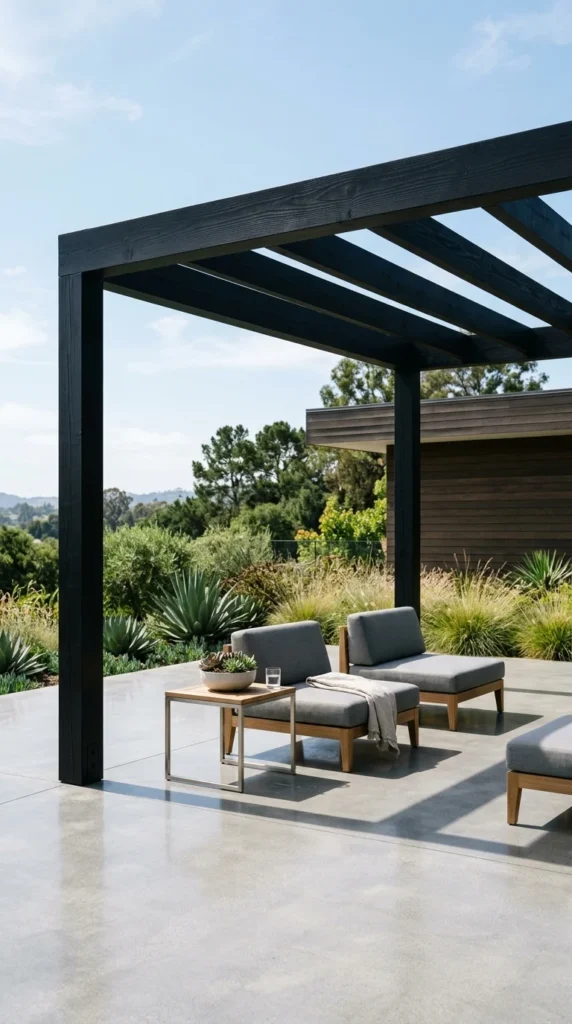
Modern design is all about “less is more.” A minimalist wooden pergola uses straight lines, hidden fasteners, and often a dark stain—like ebony or charcoal—to create a striking silhouette against the sky. By stripping away the traditional decorative “tails” on the rafters, the structure takes on a geometric, sculptural quality. This style works exceptionally well in urban backyards or paired with contemporary architecture.
5. Attached Extension
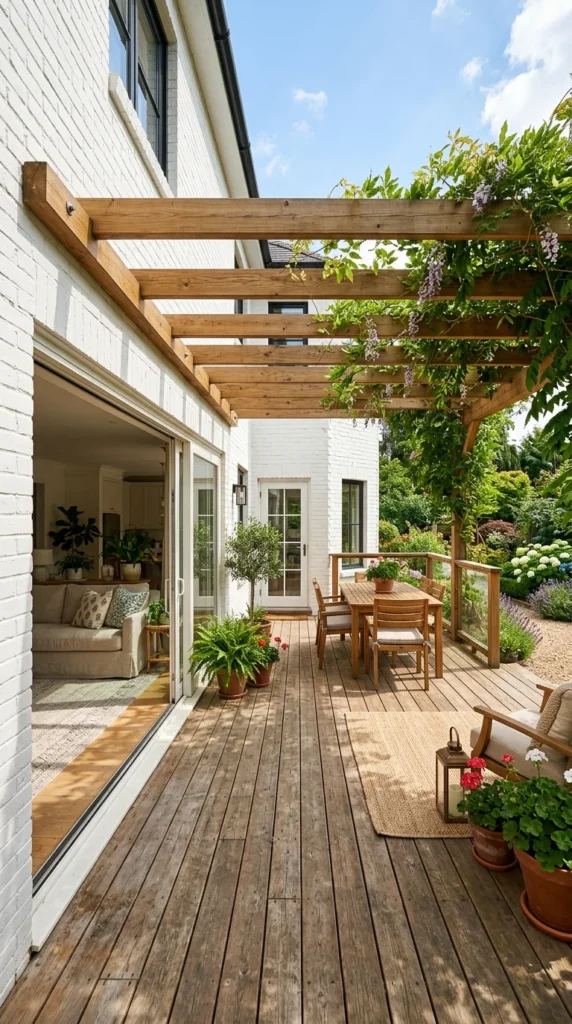
An attached pergola acts as a bridge between your indoor and outdoor living spaces. By anchoring one side of the structure to the house’s ledger board, you create a seamless transition that feels like an outdoor room. This is particularly effective over French doors or sliding glass entries, effectively doubling your living area and providing a shaded transition zone that keeps the interior of your home cooler during the summer.
6. Arched Grandeur
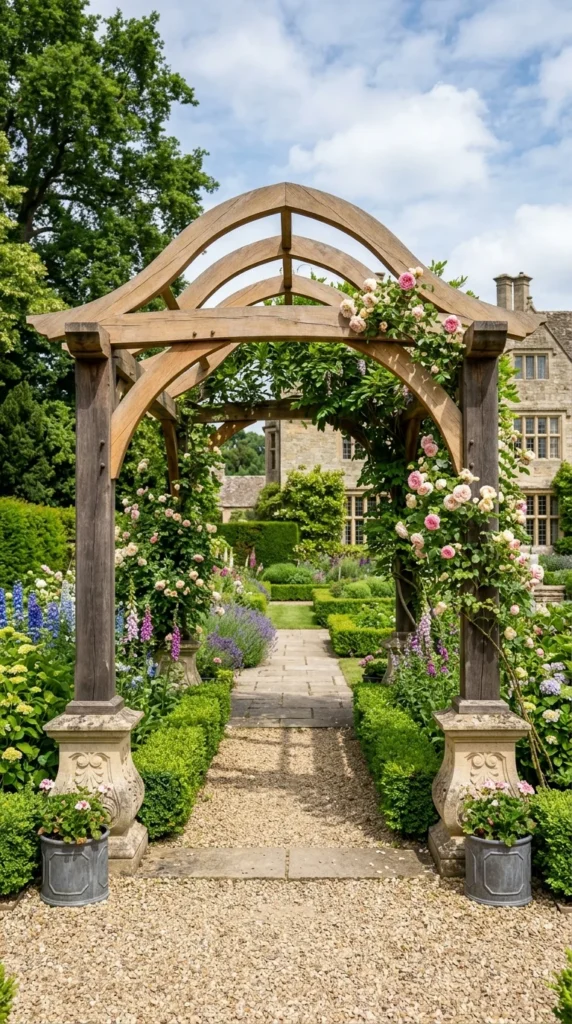
Who says pergolas have to be flat? An arched or vaulted top adds a sense of grandeur and movement to your backyard. This design requires expert craftsmanship to steam-bend or laminate the wood into graceful curves. An arched pergola feels more like a gateway or a classical pavilion, making it an ideal choice for a garden entrance or a centerpiece for a formal landscape design.
7. Privacy Slats
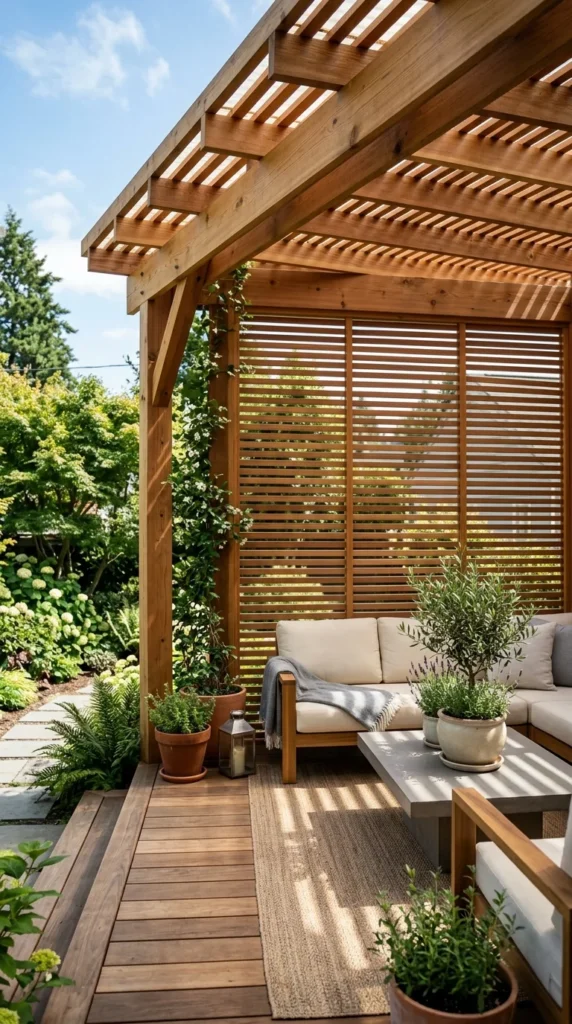
If your backyard feels a little too exposed to the neighbors, use your pergola to create a “living wall.” By adding horizontal or vertical slats to one or two sides of the structure, you gain instant privacy without the claustrophobia of a solid fence. These slats also create a beautiful “louvered” lighting effect as the sun moves across the sky, casting rhythmic shadows across your patio.
8. Double-Post Frame
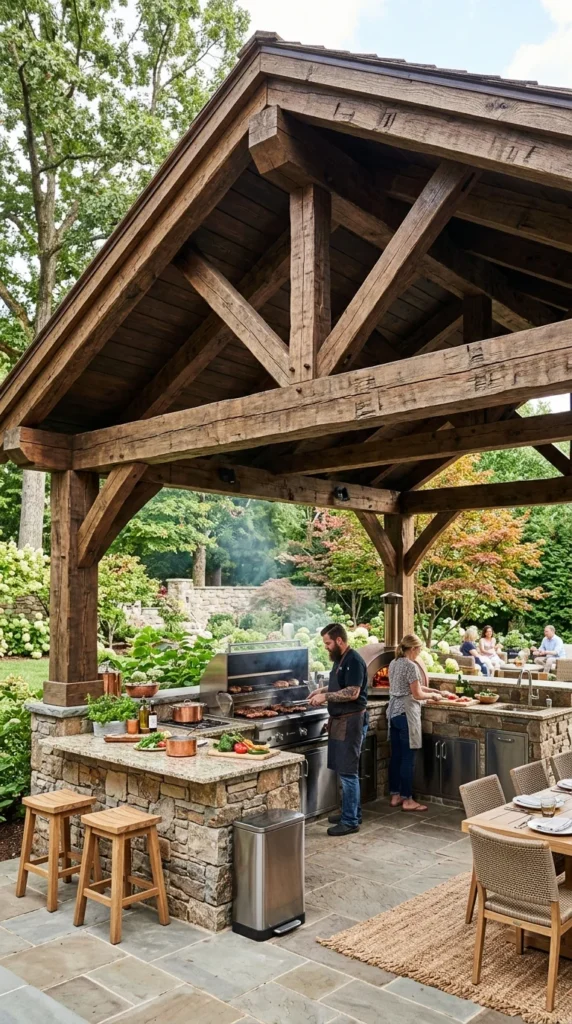
For those who want a structure that feels permanent and substantial, the double-post design is the answer. Instead of a single post at each corner, two posts are placed side-by-side with a small gap between them. This not only provides extra structural support for larger spans but also adds a layer of architectural complexity and “weight” to the design. It is the perfect frame for a full outdoor kitchen or a heavy stone fireplace.
9. Swinging Sanctuary
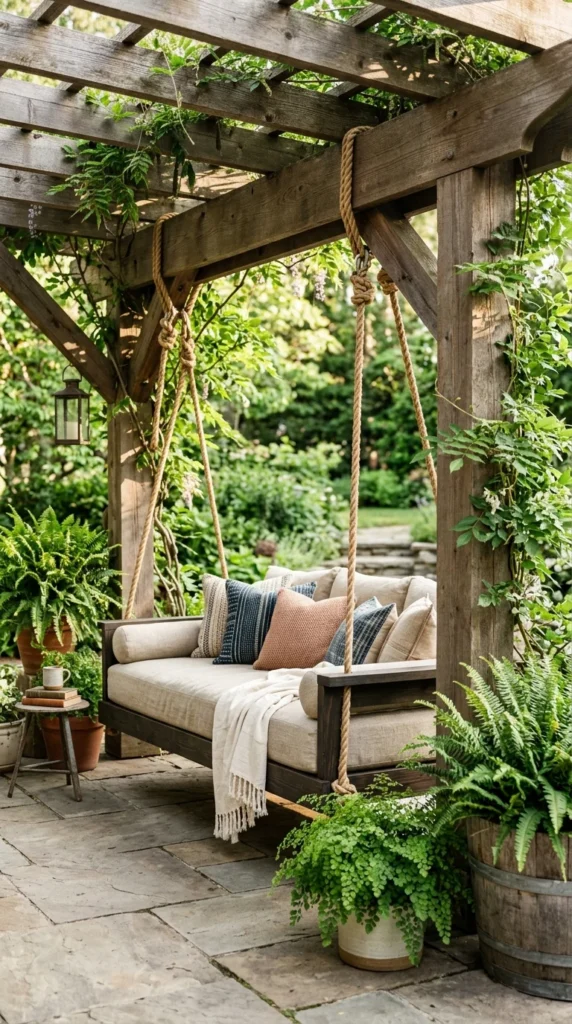
Transform your pergola into the ultimate relaxation zone by designing it to support the weight of a hanging bed or a series of swings. There is nothing quite like the gentle sway of a porch swing under the protection of a wooden canopy. To achieve this, the overhead beams must be reinforced to handle the dynamic weight, turning the structure into a functional piece of furniture in its own right.
10. Corner Compact
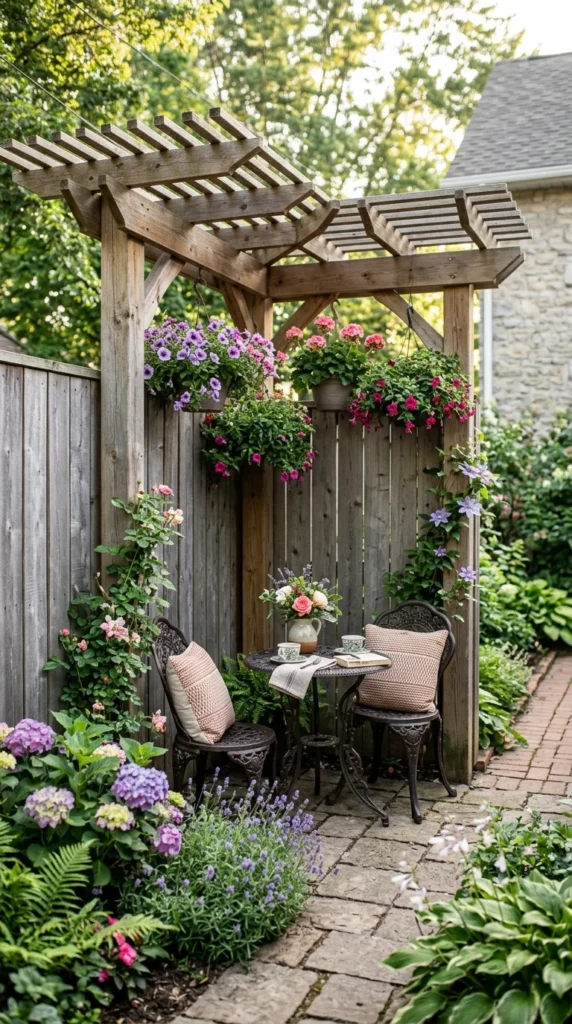
You don’t need a sprawling estate to enjoy a pergola. A corner pergola is designed specifically for smaller yards or to define a specific nook in a larger landscape. By using a triangular or L-shaped configuration, you can maximize your square footage. These compact structures are perfect for framing a hot tub, a small bistro set, or a quiet reading corner, proving that style isn’t dependent on size.
11. Living Roof
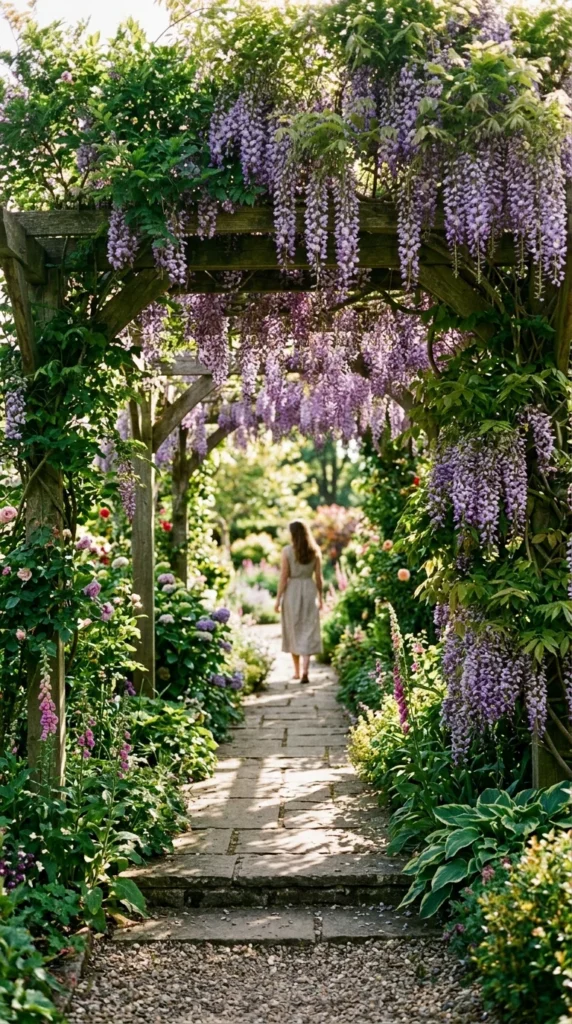
A pergola is essentially a giant trellis. By planting climbing species like Wisteria, Grapevines, Clematis, or Jasmine at the base of the posts, you can eventually create a “living roof.” Over a few seasons, the plants will weave through the rafters, providing natural shade, a cooling microclimate, and incredible fragrance. This approach blurs the line between architecture and horticulture, creating a true garden escape.
12. Integrated Seating
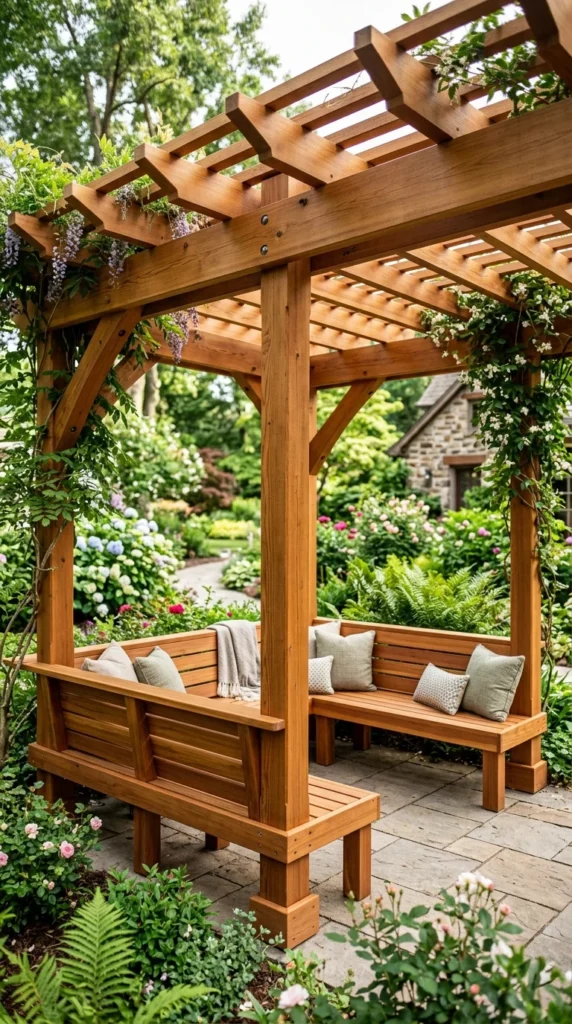
Maximize your space by making the pergola’s foundation part of the furniture. Integrated wrap-around benches built into the posts create a permanent “conversation pit” feel. This is a smart solution for entertaining, as it ensures you always have plenty of seating without cluttering the patio with extra chairs. It creates a cohesive, “built-in” look that feels custom-designed for the space.
13. Fire Pit Focal
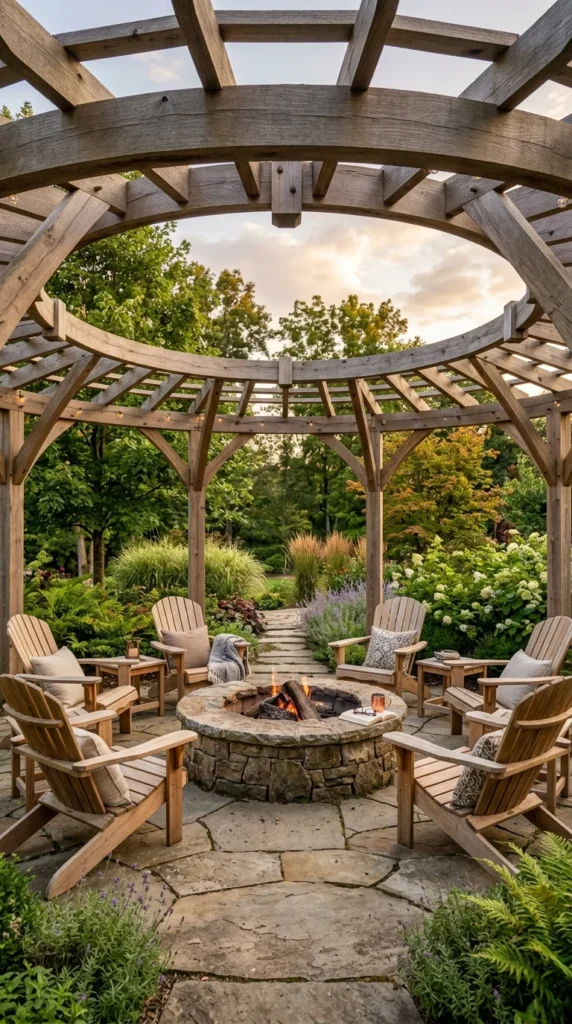
Positioning a pergola around a fire pit creates a natural gathering point that can be used well into the autumn. The structure helps to “hold” the heat from the fire, creating a cozy pocket of warmth. For safety, these pergolas are often designed with a higher clearance and an open center to allow smoke to rise freely. It’s the ultimate setup for roasting marshmallows and sharing stories under the stars.